How It Works:
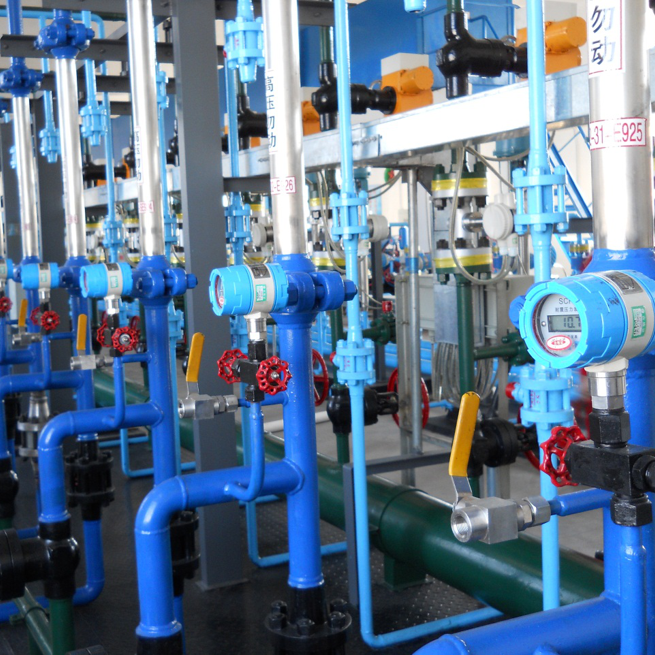
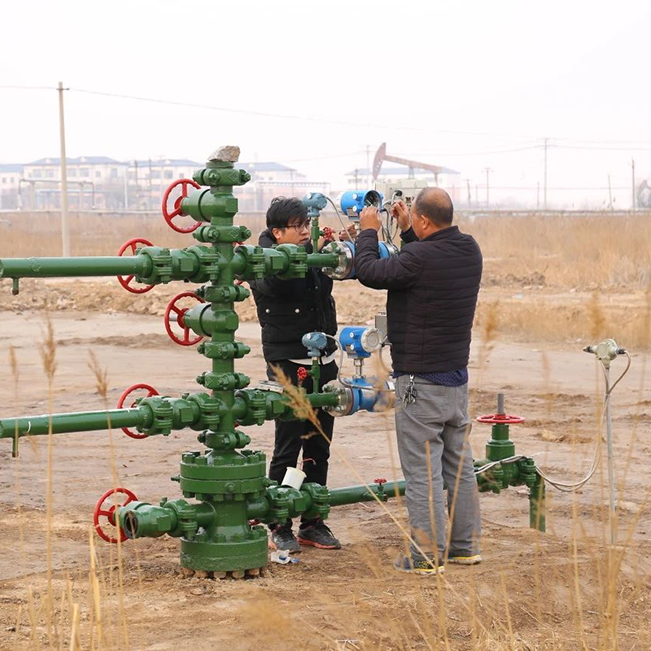
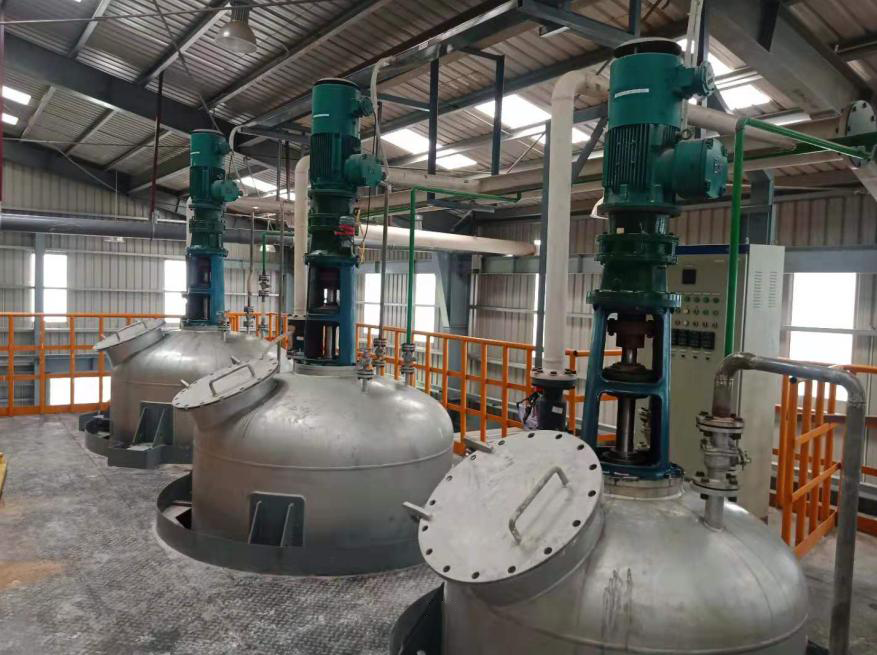
A temperature transmitter is an important industrial automation instrument. It converts the temperature signal detected by a temperature sensor (such as a thermocouple, RTD, etc.) into a standard industrial signal output. This conversion allows temperature information to be easily connected and communicated with various automation devices, enabling precise, stable, and long-distance transmission of temperature.
 ..
..
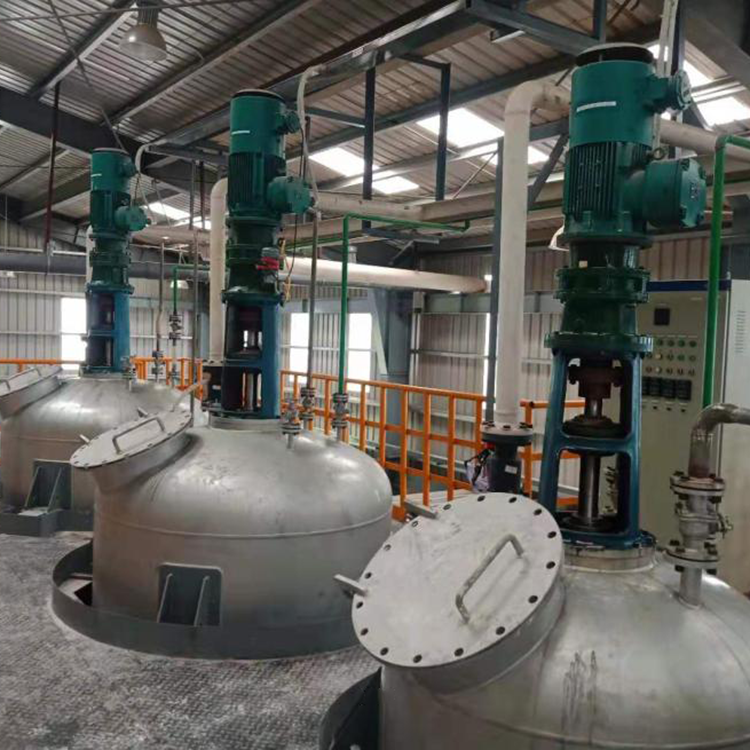
Key applications in chemical reactors:
1.Real-Time Monitoring and Precise Control
Temperature transmitters capture internal reactor temperature changes in real-time through high-precision sensing technology and convert them into standard electrical signals. This enables seamless integration with control systems for precise temperature control. Such control ensures chemical reactions occur within the optimal temperature range, thereby optimizing reaction rates, improving production efficiency, and guaranteeing product quality stability.
2.Improving Production Efficiency and Product Quality
Precise temperature control is key to efficient chemical production and high-quality products. By monitoring and regulating reactor temperature in real-time, temperature transmitters optimize chemical reaction rates, significantly boosting production efficiency. A stable temperature environment avoids decreased reaction rates, side reactions, and product purity fluctuations caused by temperature deviations, fundamentally reducing defect rates. Therefore, precise temperature control ensures consistent product quality while strengthening enterprise production efficiency and market competitiveness.
3.Adaptation to Harsh Environments
In the high-temperature, high-pressure, and highly corrosive environments of chemical reactors, ordinary temperature measurement devices are prone to failure and inaccuracy. Temperature transmitters, however, leverage superior materials and encapsulation technology to provide long-term stable and accurate measurement.
4.Intelligence and Automated Control
Modern temperature transmitters go beyond traditional temperature measurement functions, upgrading towards intelligence. Through seamless integration with PLC/DCS systems, they enable remote monitoring and precise regulation of reactor temperature. Operators can remotely adjust temperatures in real-time, significantly improving production efficiency, reducing energy consumption, and optimizing product quality.
Temperature Elements & Ranges Tabular
|
Temperature Element
|
Type
|
Range (℃)
|
|
Thermocouple
|
Nickel – Chromium / Nickel – Aluminum
|
K
|
0~600, 0~800, 0~1000, 0~1300, 200~600, 200~800
|
|
Iron / Constantan
|
J
|
0~200, 0~400, 0~600
|
|
Nickel – Chromium / Constantan
|
E
|
0~400, 0~600, 0~800, 200~600, 200~800
|
|
Copper / Constantan
|
T
|
0~200, 0~300, -100~0, -100~100
|
|
Nickel – Chromium – Silicon / Nickel – Silicon
|
N
|
0~600, 0~800, 0~1000, 0~1300
|
|
Platinum – Rhodium 10 / Platinum
|
B
|
0~1400, 0~1600, 600~1400, 600~1600
|
|
Platinum – Rhodium 30 / Platinum – Rhodium 6
|
R
|
0~1400, 0~1600, 600~1400, 600~1600
|
|
Platinum – Rhodium 30 / Platinum
|
S
|
0~1300, 0~1600, 600~1600
|
|
Resistance Temperature Detector
|
Platinum Resistance Sensor
|
Pt100
|
0~50, 0~100, 0~150, 0~200, 0~300
|
. .
.
Technical Advantages:
|
Feature
|
Description
|
|
Wide Range
|
-200℃~1800℃ (Adaptable to various reactions)
|
|
High Accuracy
|
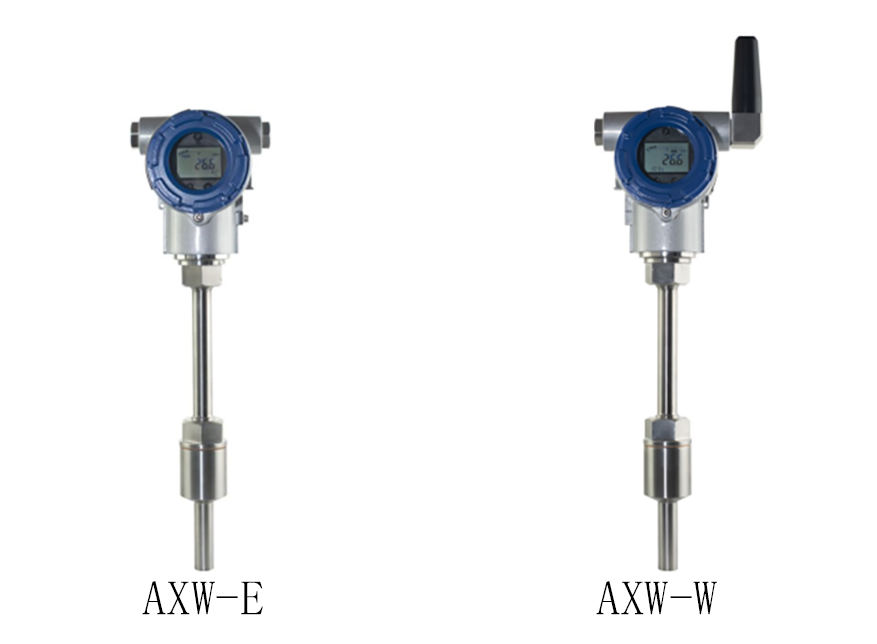
±0.1%~±0.5% (AXW-E), ±0.2%~±0.5% (AXW-W)
|
|
High Stability
|
Output variation ≤0.1% over 12 months
|
|
Standard Signal Output
|
4-20mA+HART, RS485 (MODBUS RTU) or Wireless Signal Transmission (Zigbee/LoRa)
|
|
High Environmental Tolerance
|
-40℃~85℃ (Industrial Grade), 5~100%RH@40℃
|
|
Explosion Proof Certification
|
Ex d ⅡC T4~T6 Gb
|
|
Protection Rating
|
IP67
|
|
Remote Monitoring
|
1000m~5000m Wireless Coverage (LoRa Protocol)
|
|
Safety Certification
|
SIL Safety Integrity Certification, EU “CE” Certification
|
|
Media Compatibility
|
Liquid/Gas/Steam
|
|
Response Speed
|
Thermocouple Thermal Response Time <6s (Sheathed Φ6 Protection Tube)
|
Temperature transmitters deliver significant advantages in chemical reactors: enabling real-time monitoring, precise temperature control, and remote intelligent automation. This enhances production efficiency, reduces energy consumption, and ensures product quality/safety. Continuous technological advancements will further strengthen their support for chemical industry intelligence.
Explore our solutions. Visit [www.sfhmeter.com] to learn about us. We offer customizable specifications, global certifications, and lifelong technical support.