
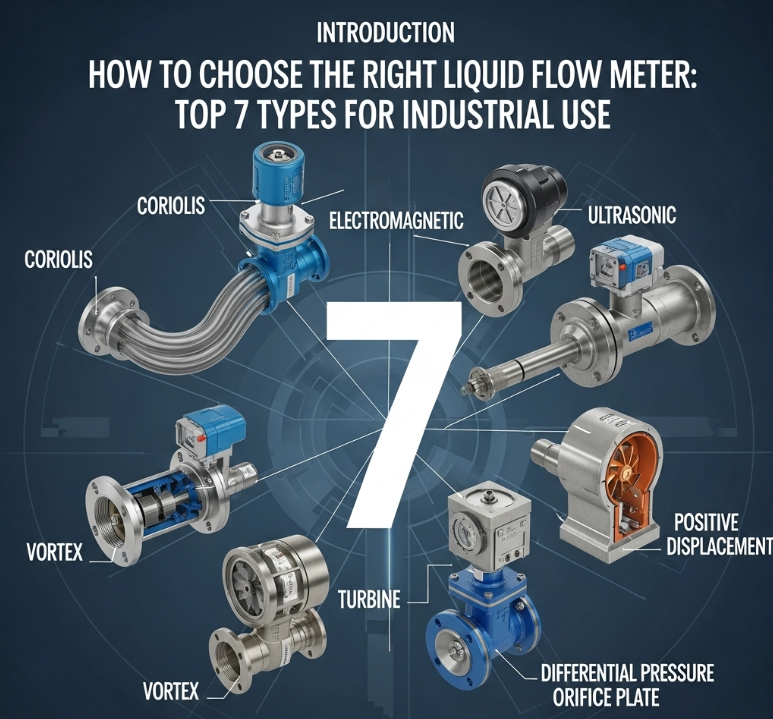
Selecting the right liquid flow meter is critical for accurate measurement, process efficiency, and operational safety in industrial applications. With many liquid flow meter types available, understanding the differences can save both time and money. Whether you’re dealing with water, chemicals, or petroleum, knowing what is a flow meter used for and how each type works will guide you to the perfect fit. In this guide, we explore the top 7 types of flow meters used in industry, their advantages, limitations, and real-world applications—highlighting the trusted Sunstrand Liquid Flow Meter for precision performance.
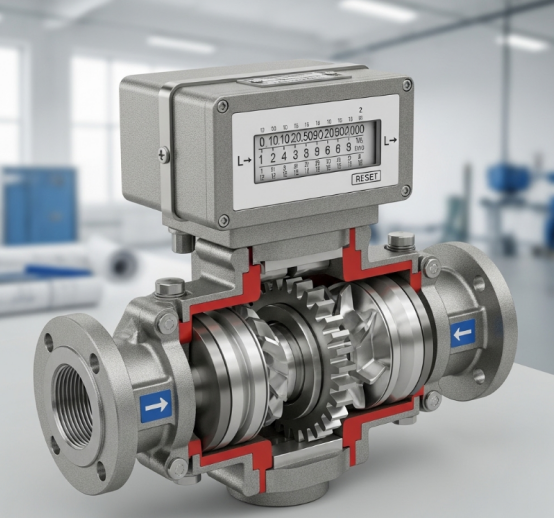
A positive displacement flow meter (also called a PD liquid meter) is a highly accurate device that measures the exact volume of a liquid by dividing it into fixed, measurable segments. As liquid flows through the meter, internal chambers fill and empty repeatedly, allowing the device to count the number of cycles and calculate total volume.
1.High Accuracy- Positive displacement (PD) flow meters are among the most precise flow measurement devices, often achieving accuracy within +0.1% of reading.
2.Direct Volume Measurement -They measure actual fluid volume without needing flow conditioning or complex calibration.
3.Wide Range of Fluids- Suitable for measuring both clean and viscous fluids,including oils, fuels, and syrups.
4.Excellent Repeatability- Provide stable and consistent measurements, making them ideal for custody transfer and billing applications.5.Direct Volumetric Measurement.
5.No Power Requirement-Many PD flow meters can operate mechanically without external power, reducing installation costs.
6.Durable Construction – Built to handle high-viscosity liquids and challenging industrial environments.
1.Oil & Gas Industry-Used for custody transfer, fuel dispensing, and measuring lubricants.
2.Chemical Processing-ldeal for dosing, blending, and accurate measurement of aggressive or viscous chemicals.
3.Pharmaceuticals-Ensuring precision in liquid medicine dosing and production processes.
4.Water & Wastewater Treatment-Monitoring additive chemicals, polymers,and sludge with varying viscosities.
5.Automotive & Lubrication Systems-Used in measuring lubricants, hydraulic
fluids, and coolants.
1.Limited for Dirty Fluids-Particles and debris can damage internal moving parts, reducing accuracy and lifespan.
2.Pressure Drop-PD meters create a higher pressure loss compared to other flow meter types, which may not be suitable for all systems.
3.Maintenance Needs-Moving mechanical parts are subject to wear and may require periodic maintenance or replacement.
4.Flow Rate Limitations- Less suitable for extremely high flow rates compared
to turbine or ultrasonic meters.
5.Viscosity Dependence-While great for viscous fluids, performance may be less optimal with very low-viscosity liquids.
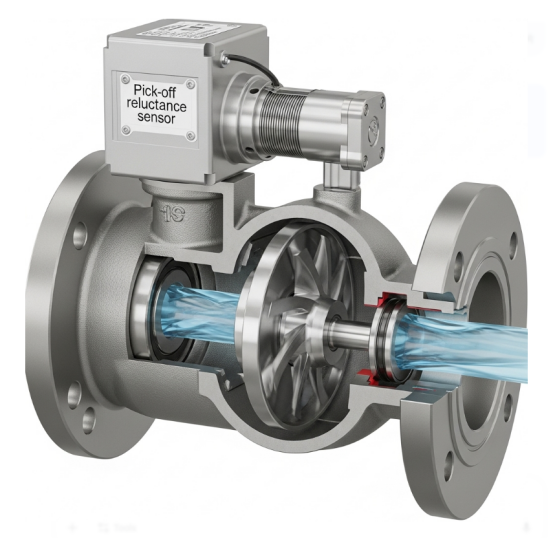
A turbine flow meter is a type of liquid flow meter that measures the velocity of a fluid passing through a turbine rotor. As the liquid flows, it spins the rotor blades, and the rotational speed is directly proportional to the flow rate. This data is converted into an electrical signal, providing an accurate liquid flow indicator for both volume and velocity. Turbine meters are among the most common types of flow meters used in industry due to their high precision and cost-effectiveness.
1.High Accuracy at Steady Flow- Turbine flow meters provide precise flow measurements, typically achieving +0.5% accuracy, especially at steady,laminar flow conditions.
2.Wide Flow Range – Capable of measuring both low and high flow rates,making them versatile for various industrial processes.
3.Fast Response Time-Turbine meters react quickly to changes in flow rate,ideal for real-time monitoring and control.
4.Durable and Rugged Construction- Designed to withstand moderate pressures and temperatures, suitable for industrial environments.
5.Compatibility with Liquids and Gases- Can measure clean liquids and gases with low viscosity, including water, fuel, and compressed air.
6.Integration with Electronic Systems-Output signals (pulse or frequency) can be easily connected to SCADA or process control systems for automation.
1.Oil & Gas Industry-Measurement of crude oil, refined petroleum products,natural gas, and other hydrocarbons.
2.Chemical and Petrochemical Processes- Flow monitoring of solvents,reactants, and other low-viscosity chemicals.
3.Water and Wastewater Management-Used for monitoring clean water flow,cooling water, and treated effluents.
4.Pharmaceutical and Food Processing-Suitable for clean, low-viscosity liquids where precise dosing is required.
5.Power Generation – Fuel flow measurement in turbines and boilers for energy efficiency.
6.HVAC and Industrial Air Systems-Monitoring compressed air or gas flow in industrial facilities.
1.Sensitivity to Particulates-Turbine meters require clean, filtered fluids;debris can damage the turbine and reduce accuracy.
2.Flow Profile Dependence-Accurate measurement requires straight pipe runs upstream and downstream to maintain laminar flow.
3.Limited for Viscous Liquids-High-viscosity fluids can reduce turbine rotation speed, affecting accuracy.
4.Mechanical Wear- Rotating turbine blades are subject to wear over time,requiring maintenance or replacement.
5.Pressure Drop-Can cause moderate pressure loss in high-flow applications compared to non-intrusive meters.
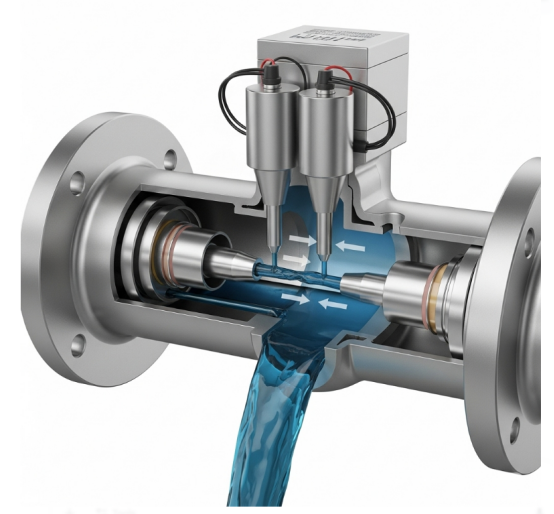
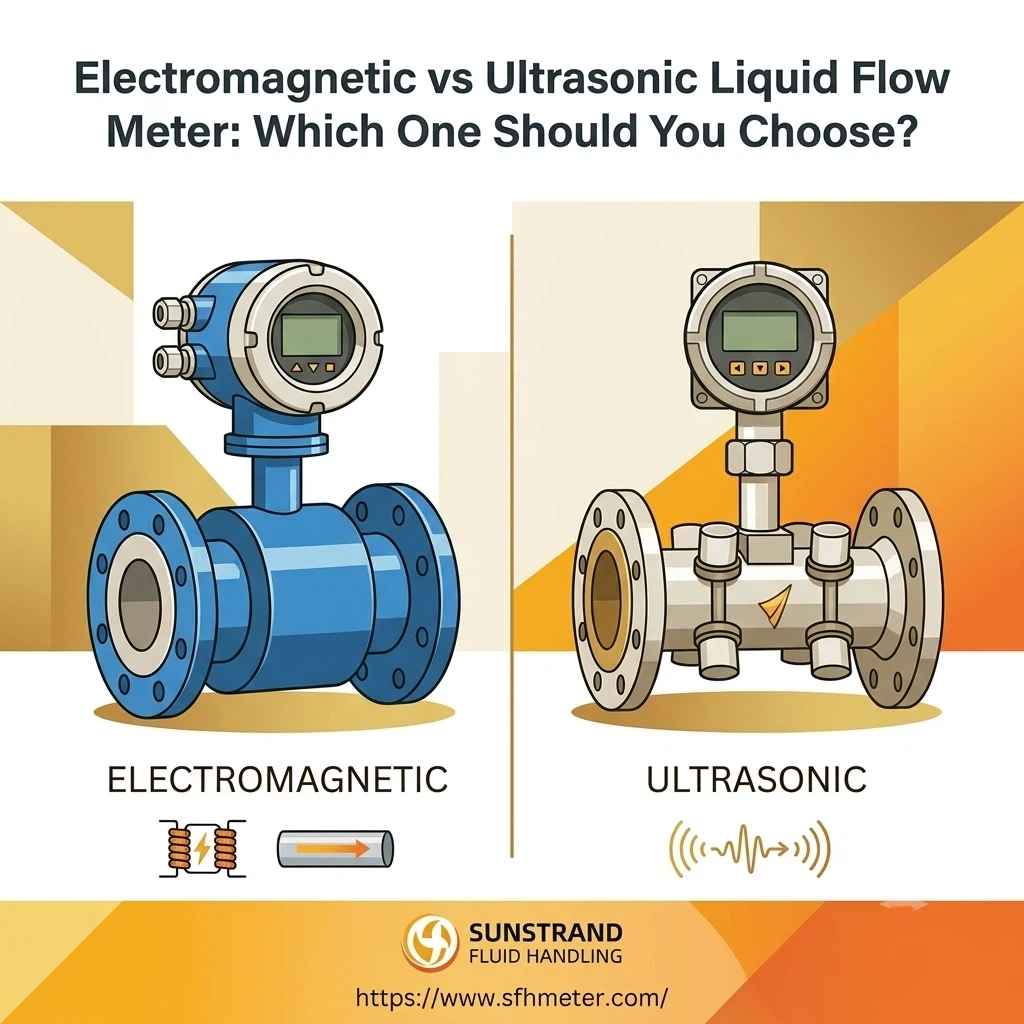
An ultrasonic flow meter is a non-invasive liquid flow meter that uses high-frequency sound waves to measure fluid velocity. It works on the principle of sending and receiving ultrasonic signals through the liquid; the time difference between these signals determines the flow rate. Unlike mechanical liquid meter designs, ultrasonic technology has no moving parts, making it highly durable and ideal for measuring clean and dirty fluids alike. It is one of the advanced liquid flow meter types used in industries where minimal maintenance and high accuracy are required.
1.Non-Intrusive Measurement-Clamp-on ultrasonic flow meters measure flow without contacting the fluid, eliminating pressure drop and minimizing contamination risks.
2.Wide Pipe and Flow Range-Suitable for small to very large pipes and capable of handling both low and high flow rates.
3.High Accuracy and Repeatability- Achieves +1% or better accuracy for clean and slightly dirty fluids, ensuring reliable flow data.
4.Bidirectional Flow Measurement-Can detect flow direction, which is useful in reversible piping systems.6.Bidirectional Measurement.
5.Minimal Maintenance -No moving parts inside the meter, reducing wear and tear and lowering maintenance costs.
1.Water and Wastewater Industry-Flow monitoring in drinking water,wastewater treatment, and irrigation systems.
2.Oil & Gas-Measurement of crude oil, refined fuels, and other hydrocarbons in pipelines.
3.Chemical and Petrochemical Processes-Monitoring chemical dosing,process liquids, and solvent flow.
4.Power Plants-Measuring cooling water, boiler feed water, and other utilities.
5.Food & Beverage Industry-Hygienic clamp-on meters for juices, milk, and other liquids where contamination must be avoided.
1.Requires Proper Installation-Upstream and downstream pipe runs,alignment, and acoustic coupling are critical for accurate readings.
2.Higher lnitial Cost -Generally more expensive than mechanical flow meters such as turbine or PD meters.
3.Temperature and Pressure Limitations- Extreme temperatures or pressures may require specialized ultrasonic sensors.4.Limited for Very Small Pipes.
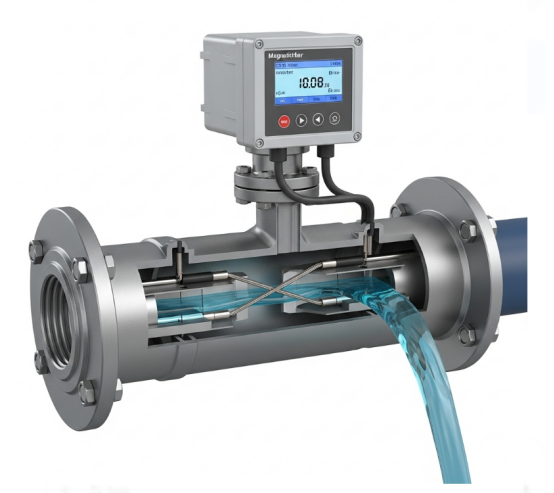
A Magnetic Flow Meter (also known as a Mag Flow Meter) is an advanced liquid flow meter that measures flow based on Faraday’s Law of Electromagnetic Induction. When a conductive liquid passes through a magnetic field, it generates a voltage proportional to its velocity. The Mag flow meter detects this voltage and calculates the flow rate. This technology is widely used in industries where precise, non-mechanical measurement of conductive liquids is required. As one of the most reliable liquid flow meter types, it has no moving parts and offers long-term stability.
1.No Moving Parts – Eliminates wear and tear, reducing maintenance costs.
2.High Accuracy – Typically ±0.5% of reading, making it ideal for precision measurement.
3.Wide Size Range – Suitable for small to very large pipe diameters.
4.Versatile Applications – Works with various conductive fluids, from water to corrosive chemicals.
5.No Pressure Drop – Because it has an unobstructed flow path, there is minimal energy loss.
6.Long-Term Reliability – Designed for continuous industrial use, with minimal calibration needs.
7.Bi-Directional Flow Measurement – Can measure forward and reverse flows equally well.
1.Water and Wastewater Treatment – Ideal for measuring raw water, treated water, and sewage.
2.Food and Beverage Industry – Ensures hygienic, contact-free flow measurement for milk, juice, and other conductive liquids.
3.Chemical Processing – Accurately measures aggressive or corrosive liquids without internal wear.
3.Mining and Slurry Applications – Handles thick, abrasive slurries without clogging.
4.Pharmaceutical Manufacturing – Maintains sterile, contamination-free liquid monitoring.
1.Only Works with Conductive Liquids – Cannot measure non-conductive fluids like oil or pure deionized water.
2.Higher Initial Cost – More expensive compared to simple mechanical liquid meters.
3.Sensitive to Installation – Requires proper grounding and pipe fill to ensure accurate readings.
4.Not Suitable for Gas or Steam – Limited to liquids with sufficient conductivity.
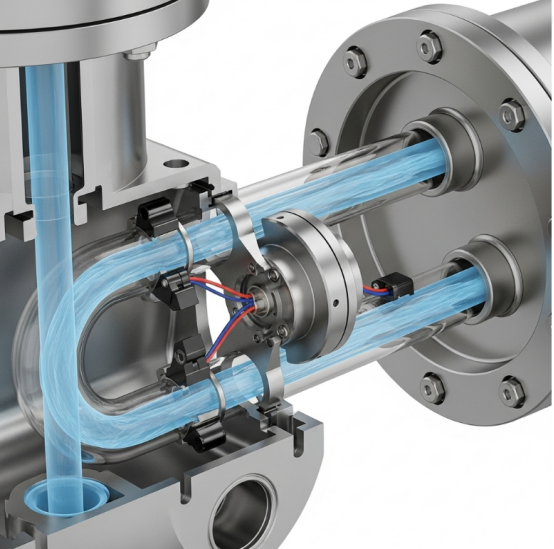
A Coriolis Flow Meter is a highly accurate liquid flow meter that measures mass flow and density by using the Coriolis effect—a principle where fluid flowing through oscillating tubes causes a measurable phase shift. This technology directly measures mass flow rate rather than just volume, making it one of the most precise liquid flow meter types available. It is widely regarded as the gold standard among types of flow meters used in industry when accuracy and reliability are critical.
1.Exceptional Accuracy – Typically ±0.1% to ±0.2%, ideal for critical applications.
2.Direct Mass Flow Measurement – Eliminates errors caused by temperature, pressure, or fluid density changes.
3.Multi-Parameter Measurement – Simultaneously measures mass flow, density, and temperature.
4.No Moving Parts – Reduces wear and maintenance, ensuring long operational life.
5.Wide Fluid Compatibility – Works with liquids, gases, and slurries.
6.High Repeatability – Ensures consistent results for process control and batching.
7.Unaffected by Flow Profile – Can operate in varying pipe configurations without losing accuracy.
1.Oil & Gas – For custody transfer and fuel measurement where accuracy directly impacts revenue.
2.Food & Beverage – Ideal for batching syrups, milk, and other high-viscosity liquids.
3.Chemical Processing – Accurately handles corrosive, viscous, or hazardous liquids.
4.Pharmaceutical Manufacturing – Ensures precise ingredient dosing in sterile processes.
5.Water Treatment – Suitable for measuring additives and chemical dosing.
1.Higher Initial Cost – Among the most expensive liquid meters on the market.
2.Weight and Size – Heavier and bulkier than other liquid flow indicators, making installation challenging in tight spaces.
3.Sensitivity to Vibration – External vibrations can affect accuracy if not properly installed.
4.Pressure Drop in Some Designs – Although minimal, it can be a factor in certain applications.
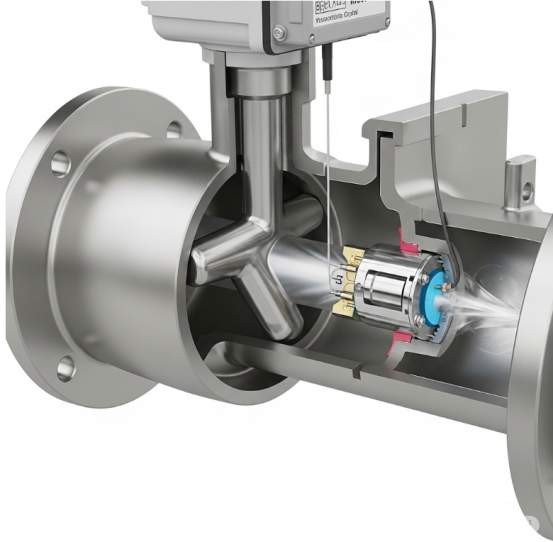
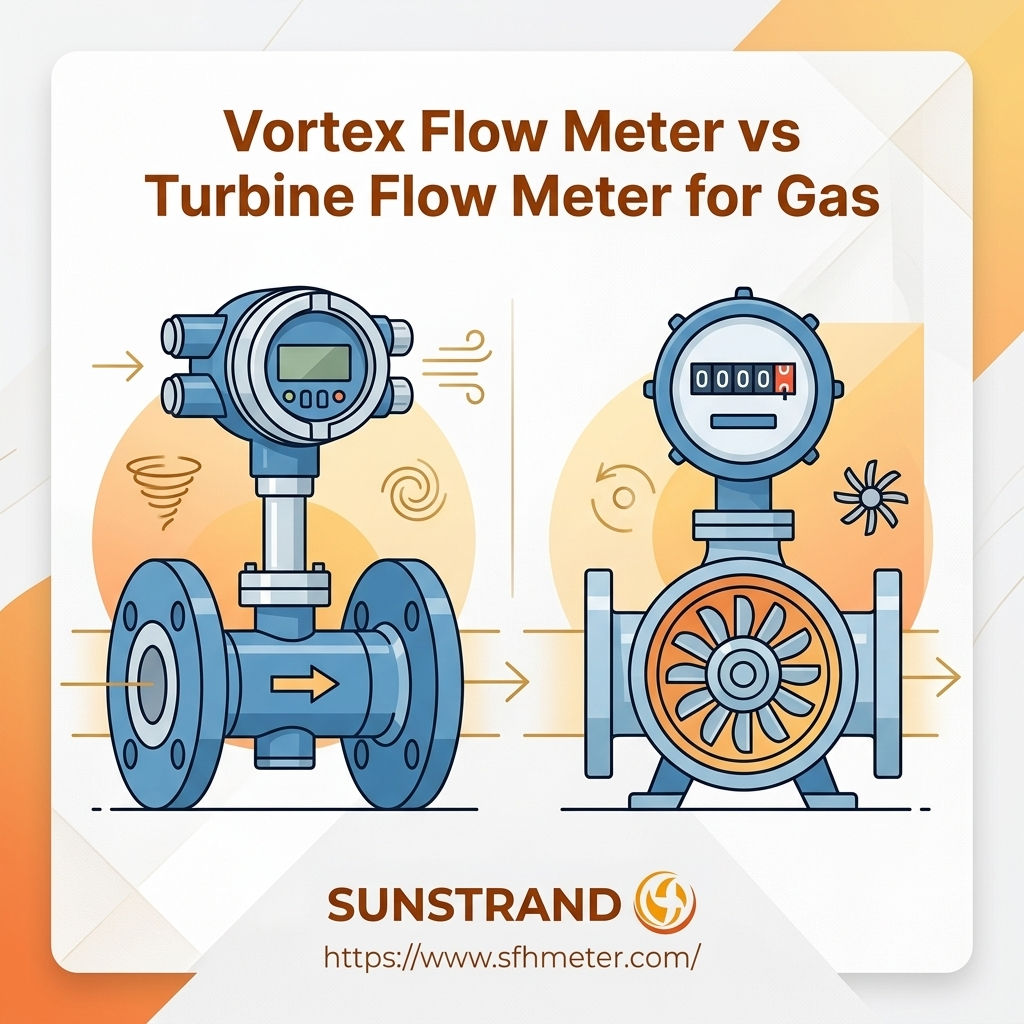
A Vortex Flow Meter is a versatile liquid flow meter that measures the flow rate by detecting vortices (swirling patterns) created when a fluid passes around a bluff body in the flow path. The frequency of these vortices is directly proportional to the velocity of the fluid, making vortex meters effective for measuring types of flow in liquid, gas, and steam. This technology is a popular choice among types of flow meters used in industry because it combines durability, reliability, and a relatively low cost of ownership.
1.Multi-Media Capability – Suitable for liquids, gases, and steam.
2.Low Maintenance – Minimal moving parts reduce wear and extend service life.
3.Wide Operating Range – Works well across varying flow rates and temperatures.
4.Stable Performance – Not significantly affected by fluid density, viscosity, or temperature changes.
5.Integrated Output Options – Many models feature built-in temperature and pressure compensation.
1.Chemical Industry – For corrosive or non-corrosive liquid meter applications.
2.Energy & Power Plants – Measuring steam and condensate flows.
3.Water & Wastewater Treatment – Monitoring treated water or process fluids.
4.Oil & Gas – For natural gas distribution and liquid hydrocarbons.
5.Food & Beverage – Handling clean-in-place (CIP) liquids and beverages.
1.Not Ideal for Very Low Flow Rates – Accuracy can drop at low Reynolds numbers.
2.Requires Fully Developed Flow – Needs straight pipe runs upstream and downstream to ensure accuracy.
3.Pressure Drop – The bluff body in the flow path causes a moderate pressure loss.
4.Susceptible to Vibration Interference – External vibrations can affect vortex frequency measurement.
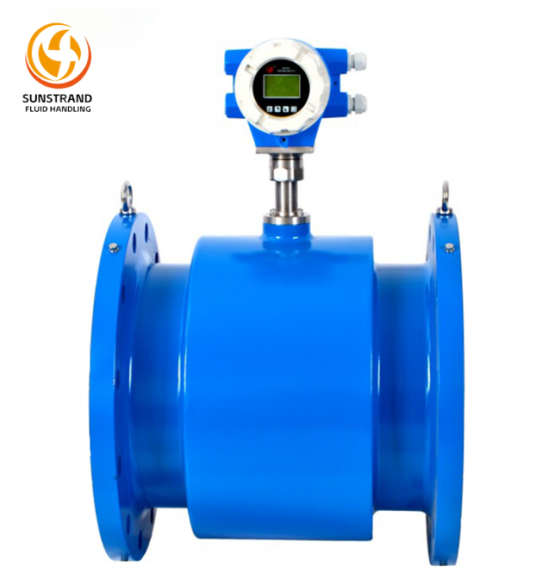
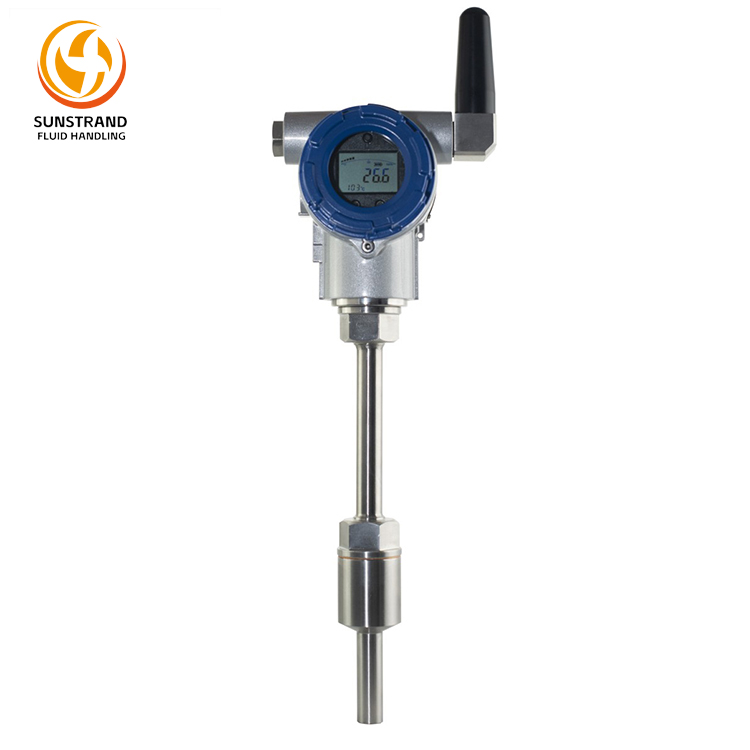
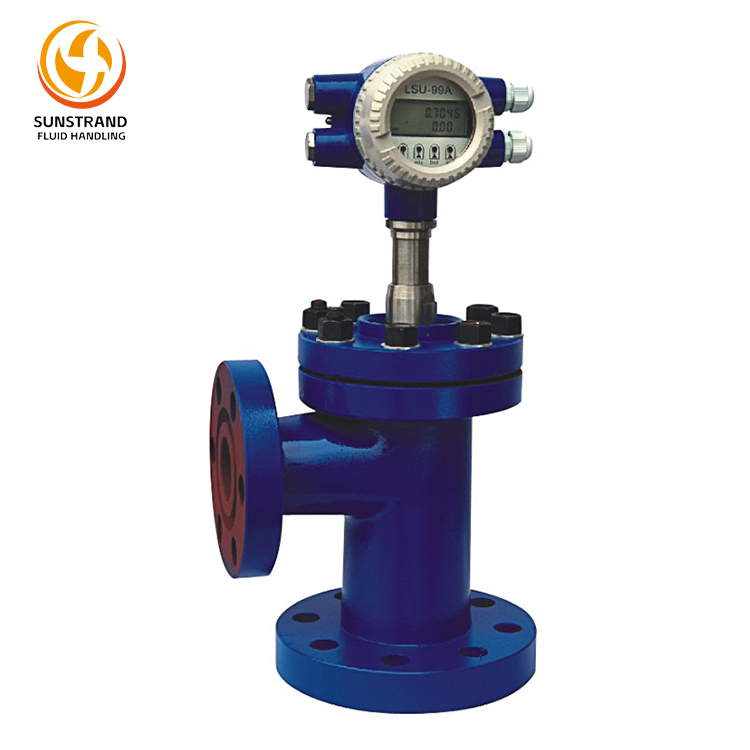
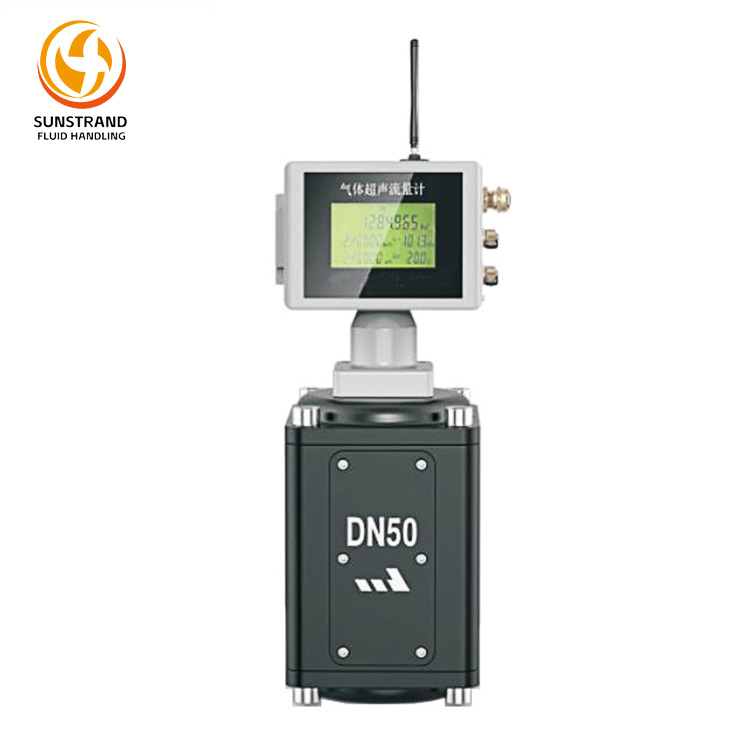
Sunstrand Liquid Flow Meter is a precision instrument designed to measure the flow rate of various liquids with exceptional accuracy and reliability. Utilizing advanced measurement technologies, Sunstrand meters are engineered to perform seamlessly across diverse industrial applications, including manufacturing, energy production, and water treatment. Built to handle different liquid media under varying temperature and pressure conditions, the Sunstrand Liquid Flow Meter ensures consistent and dependable flow measurement, making it one of the leading choices among liquid flow meter types used in industry today.
1.Exceptional Accuracy
Achieves accuracy levels of ±0.1% or better, outperforming many other types of flow meters used in industry.
2.Handles a Wide Range of Viscosities
Works effectively with low-viscosity liquids such as water, as well as viscous fluids like oils, syrups, and chemicals.
3.No Straight Pipe Requirements
Unlike turbine or ultrasonic meters, PD meters don’t need long upstream or downstream pipe runs, making installation easier in tight spaces.
4.Durable and Long-Lasting
With robust designs, such as the Sunstrand Liquid Flow Meter, PD meters are built to perform reliably even in demanding industrial conditions.
5.Direct Volumetric Measurement
Measures actual liquid volume regardless of changes in flow profile, temperature, or pressure.
1.Fuel and Oil Transfer
Essential for accurate measurement in fuel distribution, marine bunkering, and petroleum refining.
2.Chemical Dosing
Perfect for industries requiring precise delivery of hazardous or expensive chemicals.
3.Food and Beverage Production
Ideal for measuring syrups, dairy, and liquid ingredients with consistent accuracy.
4.Custody Transfer
Used in commercial transactions to ensure transparent and verifiable measurements.
5.Lubrication Systems
Maintains precision in delivering industrial lubricants to machinery and production lines.
1.Higher Initial Investment – Premium quality and precision come with a higher upfront cost compared to basic meters.
2.Specific Installation Requirements – Certain models may require precise positioning to maintain accuracy.
3.Not Always Ideal for Extremely Low Flow Rates – Specialized meters may be needed for microflow measurement.
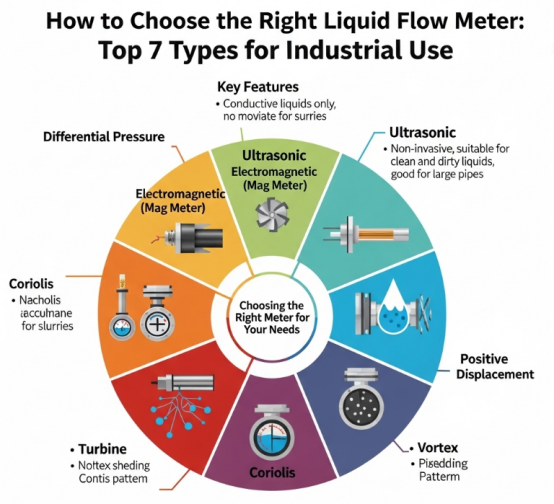
Sunstrand Liquid Flow Meter is a precision instrument designed to measure the flow rate of various liquids with exceptional accuracy and reliability. Utilizing advanced measurement technologies, Sunstrand meters are engineered to perform seamlessly across diverse industrial applications, including manufacturing, energy production, and water treatment. Built to handle different liquid media under varying temperature and pressure conditions, the Sunstrand Liquid Flow Meter ensures consistent and dependable flow measurement, making it one of the leading choices among liquid flow meter types used in industry today.