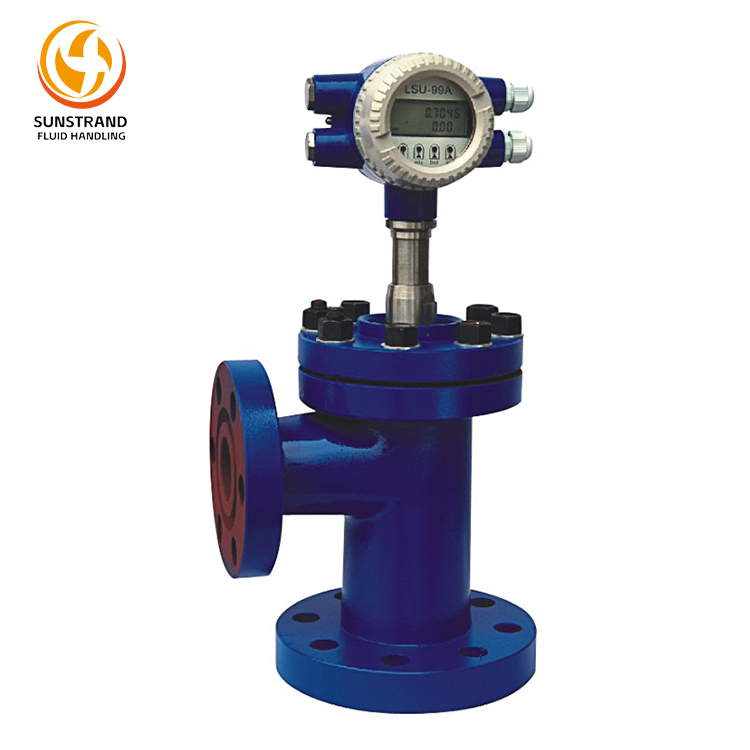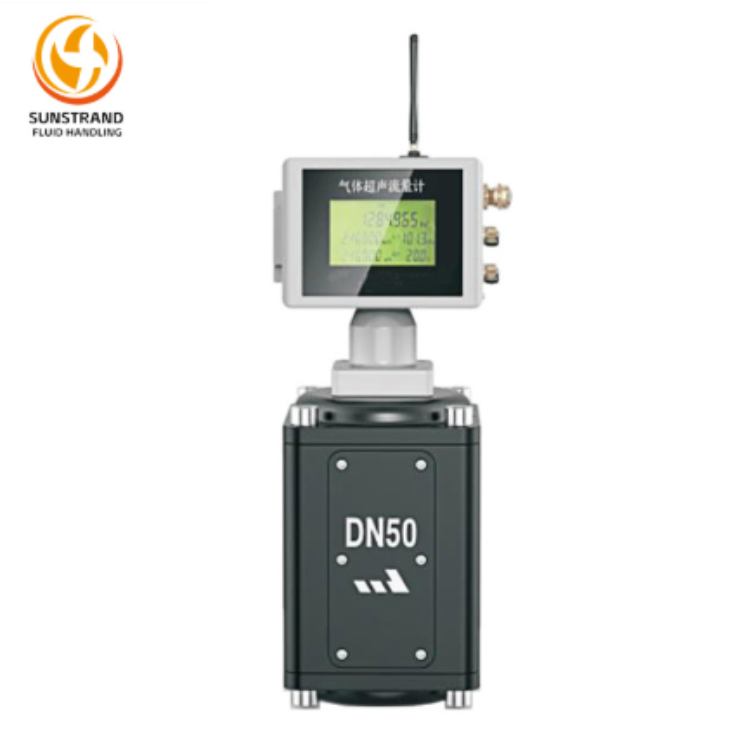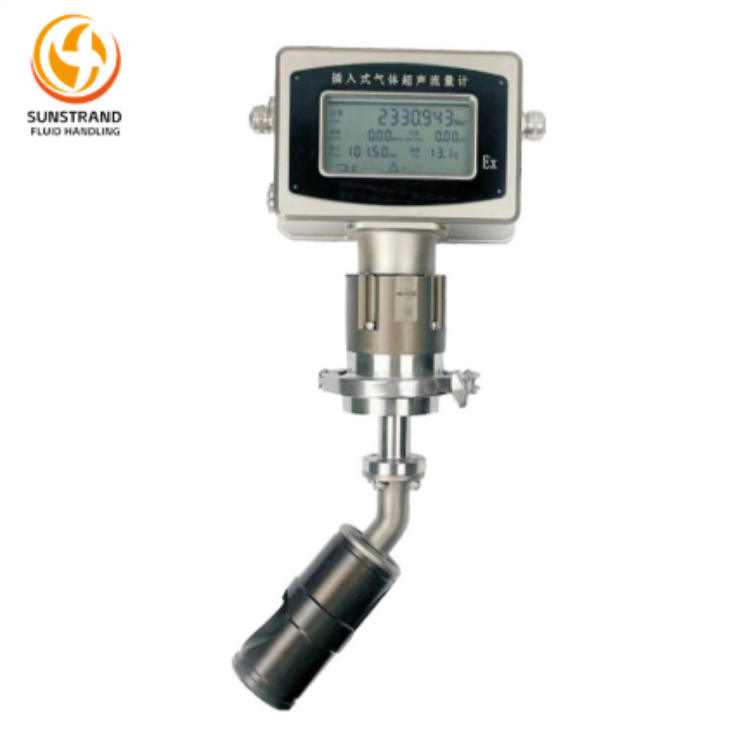

Gas flow measurement is fundamental to modern industries, including natural gas distribution, manufacturing, and environmental monitoring, where accurate data from a gas flow meter ensures operational efficiency, safety, and regulatory compliance. For years, traditional gas flow meter types have served basic needs but fail to meet the demands of today’s digital, sustainable, and interconnected operations—especially for natural gas flow meter applications, which struggle with variable gas compositions, remote monitoring needs, and energy efficiency goals.
Fortunately, the continuous advancements in digital technology, materials science, artificial intelligence, and industrial Internet of Things are completely transforming the working methods of gas flow meters. The future development of gas flow meters will be dominated by intelligent, interconnected, and highly adaptable devices, which can provide higher measurement accuracy, lower maintenance costs, and achieve optimal integration with modern industrial systems. This article will analyze the main trends and innovations driving this transformation, and explain how enterprises can leverage these factors to gain a competitive edge.
Essentially, a gas flow meter is a device used to measure the flow rate of gas in pipes or pipelines. Unlike liquid flow meters, which only require stable measurements based on density and viscosity, gas flow meters must take into account the compressibility of gas, meaning that its volume changes with variations in pressure and temperature. This makes the measurement of gas flow much more complex than that of liquid flow.
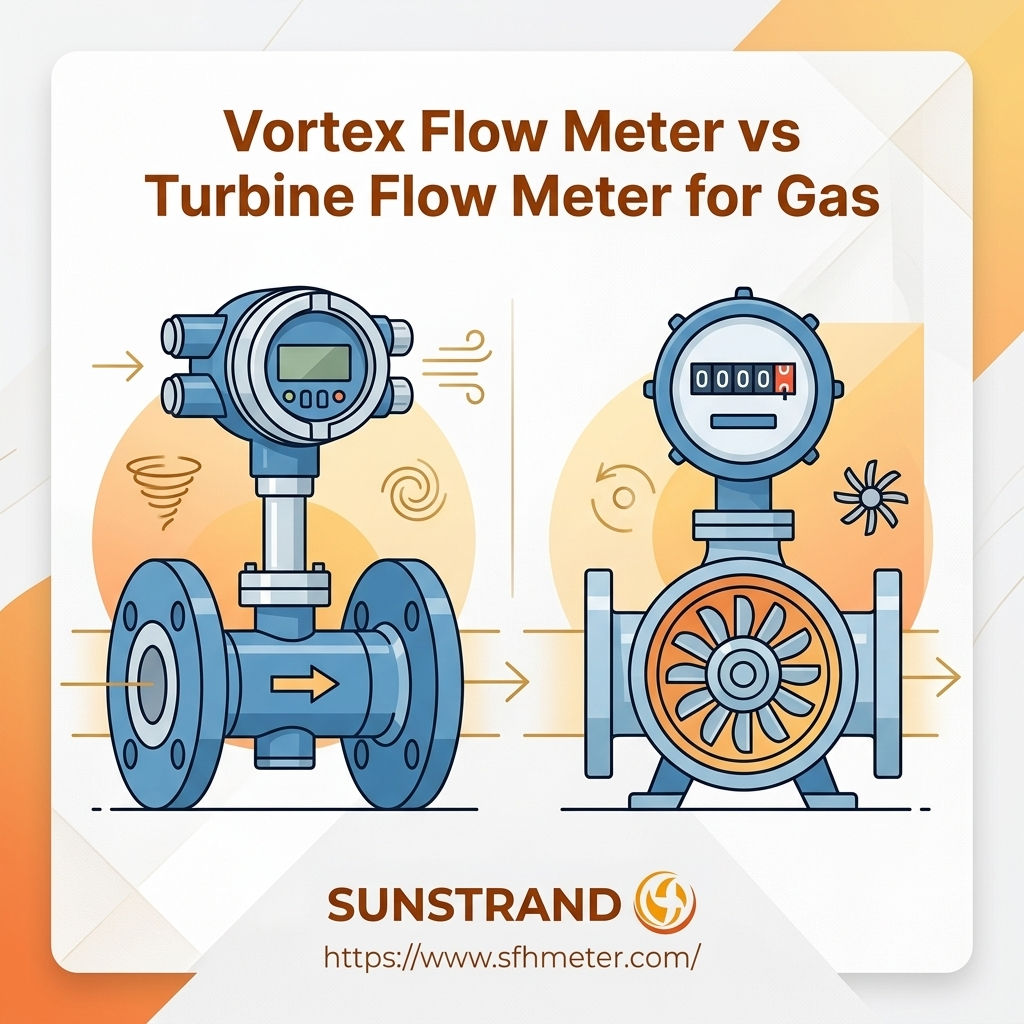
Gas flow meter types are categorized based on their measurement principle, with each type offering unique advantages and limitations for specific applications—including specialized options like the natural gas flow meter designed for pipeline distribution. Some of the most common types of gas flow meter in use today include:
|
Meter Type |
Measurement Principle |
Key Advantages |
Limitations |
|
Differential Pressure (DP) Meters |
Create a pipeline restriction and measure pressure difference before and after it |
Simple design, low cost, widely compatible |
Low accuracy at low flow rates, requires frequent calibration |
|
Turbine Meters |
Rotating turbine wheel’s speed is proportional to gas flow rate |
High accuracy for clean, dry gases |
Prone to wear in harsh environments, sensitive to debris |
|
Positive Displacement (PD) Meters |
Trap fixed gas volume and count displacement times |
High accuracy for low to medium flow rates |
Not suitable for high-pressure/high-flow applications |
|
Ultrasonic Meters |
Use sound waves to measure gas velocity |
Non-intrusive (no moving parts), ideal for harsh/corrosive environments |
Traditional models struggle with variable gas compositions |
|
Thermal Mass Flow Meters |
Measure heat transfer from a heated element to flowing gas |
High accuracy for low flow rates |
Affected by changes in gas temperature and composition |
Regardless of the type, the primary goal of any gas flow meter is to provide reliable, accurate data that enables businesses to make informed decisions about their operations. As industries become more complex, however, the demands on these meters have grown—and traditional technologies are struggling to keep up.
Although flow meter for gas has been used in industrial production for several decades, this technology still has significant limitations that severely affect its efficiency, accuracy and scalability. As digital applications spread across various industries, increasingly strict regulatory requirements and calls for reduced environmental impact, these limitations are becoming increasingly difficult to overcome. Currently, the technology of gas flow meters is facing the most severe challenges.
One of the biggest challenges faced by traditional gas meters is their inability to adapt to changes in gas composition. Many industrial processes use gaseous mixtures whose composition can vary over time. For instance, during the transportation of natural gas, its composition may differ depending on the source or the pipeline transportation conditions.
Traditional flow measurement instruments, such as differential pressure flow meters or vortex flow meters, are calibrated for specific gas compositions. When the gas composition changes, their measurement accuracy drops significantly. This can lead to inaccurate flow measurements, resulting in economic losses, reduced operational efficiency, and even violations of environmental regulations.
For example, if a thermal flow meter calibrated for pure methane gives inaccurate readings due to a higher proportion of ethane or propane in the mixed gas, the result will be inaccurate. This limitation is particularly evident in the oil and gas industry, as the composition of natural gas in this industry varies greatly, and measurement accuracy is crucial for safety and economic benefits.
Most traditional gas flow meter require frequent gas flow meter calibration and maintenance to ensure accuracy and reliability. Gas flow meter calibration involves comparing the meter’s readings to a known standard and adjusting the meter if necessary. This process is often time-consuming, costly, and disruptive to operations—especially for meters installed in remote or hard-to-reach locations.
For example, the orifice plates of differential pressure flow meters need to be cleaned regularly to remove the accumulated impurities over time, as these impurities may interfere with the pressure measurement. Turbine flow meters, on the other hand, have wear-prone moving parts that require replacement or maintenance. In some cases, on-site calibration is necessary, which involves sending technicians to the site, shutting down the pipeline or system, and completing the calibration. The entire process may take several hours or even several days.
Moreover, many institutions lack the internal capability for precise calibration and have to rely on external suppliers, thereby increasing the cost and complexity of the maintenance of gas flow meters. The calibration frequency also varies depending on the application: some flow meters may need to be calibrated once a month, while others may only need to be calibrated once a year. For large industrial facilities with hundreds of flow meters, this can become a significant operational burden.
As more and more industries adopt Internet of Things (IoT) technology for remote monitoring, predictive maintenance, and data-driven decision-making, traditional gas flow meters have become incompatible with these systems. Most traditional meters are analog and can only output simple non-digital signals, making it difficult to collect, analyze, and exchange flow data in real time with other industrial systems.
If not fully integrated with IoT systems, enterprises will not be able to fully leverage the full potential of flow data. For example, they cannot remotely monitor traffic conditions, receive alerts when equipment fails, or use historical data to identify trends and optimize operations. This lack of integration limits operational flexibility and hinders the implementation of predictive maintenance strategies, preventing the timely detection of potential faults before problems occur.
For instance, if traditional gas flow measurement devices cannot solve the issue of automatic alarm, engineers must manually check each flow meter when the measurement accuracy falls below a specific threshold. This not only wastes time but also increases the risk of unexpected failures. Lack of integration is one of the main obstacles faced by industries relying on gas flow measurement for digital transformation.
Despite the limitations of current technology, the future of gas flow meters is bright—driven by four key trends that address industry pain points and align with broader industrial transformation. These trends are smart & connected metering, enhanced precision & adaptability, sustainable & low-power designs, and plug-and-play installation. Together, these trends are revolutionizing how gas flow is measured, monitored, and managed.
Connected intelligent flow meters are completely transforming the industry. These devices are equipped with digital sensors, wireless connectivity capabilities, and built-in data processing capabilities, enabling them to collect, analyze, and transmit flow data in real time to industrial internet (IIoT) platforms, cloud analysis tools, or mobile devices. Unlike traditional analog meters, the intelligent models can immediately collect, process, and directly transmit flow data to these platforms.
This intelligent measurement method has significant advantages: enterprises can achieve remote flow monitoring without the need for manual on-site intervention. Technicians can continuously obtain real-time data, quickly identify problems, and take preventive measures. Moreover, intelligent flow meters can also ensure predictive maintenance: through data analysis, trends that may indicate equipment failures can be detected. This effectively reduces unplanned downtime and lowers maintenance costs.
For example, a utility company that adopts intelligent flow meters can monitor pipeline flow in real time, promptly detect leaks or abnormal pressure, and immediately dispatch technicians to intervene and handle the issues, preventing them from evolving into potential risks. In industrial environments, intelligent instruments can be integrated with production systems to optimize gas consumption, reduce waste, and improve efficiency. As the industrial internet of things continues to develop, intelligent connected gas flow measurement systems will become the standard in the field of gas flow measurement.
The future of gas flow meters is defined by higher accuracy and greater adaptability to changing conditions—particularly variable gas compositions. Advances in sensor technology, materials science, and AI are enabling meters to adjust automatically to changes in gas composition, pressure, and temperature, ensuring accurate readings even in dynamic environments.
One of the key developments in this area is the use of multi-parameter sensing, where meters measure not just flow rate, but also gas composition, pressure, and temperature simultaneously. This data is then used to adjust the flow measurement in real time, compensating for changes in conditions. For example, a meter equipped with multi-parameter sensors can detect a shift in natural gas composition and automatically recalculate the flow rate to maintain accuracy.
AI and machine learning (ML) are also playing a critical role in enhancing precision. By analyzing historical flow data, AI algorithms can identify patterns and anomalies, improve calibration accuracy, and predict how the meter will perform under different conditions. This enables meters to adapt to changing environments without manual intervention, reducing the risk of inaccurate readings and improving operational efficiency.
As global industries focus on sustainability and reducing their carbon footprint, gas flow meter manufacturers are developing low-power, energy-efficient designs. Traditional meters—especially those with moving parts or constant power requirements—can consume significant amounts of energy over their lifetime. Low-power smart meters, however, use energy-efficient components to reduce energy consumption.
Sustainable designs also focus on durability and longevity, reducing the need for frequent replacement and minimizing waste. For example, meters made from corrosion-resistant materials have a longer lifespan, reducing the environmental impact of manufacturing and disposing of old meters. Additionally, low-power meters can be installed in remote locations without access to grid power, using solar panels or long-lasting batteries to operate—eliminating the need for costly power infrastructure.
The push for sustainability is also driving the development of meters that help businesses reduce their own energy waste. For example, smart meters with real-time data analytics can identify inefficiencies in gas usage, allowing businesses to optimize their operations and reduce greenhouse gas emissions. This aligns with global sustainability goals, such as the Paris Agreement, and helps businesses meet regulatory requirements related to carbon reduction.
Traditional gas flow meters often require complex installation and calibration, which is time-consuming and costly. The future of gas flow meters includes plug-and-play designs that simplify installation, reduce downtime, and eliminate the need for specialized expertise. Plug-and-play meters are pre-calibrated, pre-configured, and designed to integrate seamlessly with existing industrial systems—meaning they can be installed and operational in minutes, rather than hours or days.
These meters are also designed to be compatible with a wide range of pipelines and systems, reducing the need for custom modifications. For example, a plug-and-play ultrasonic meter can be installed in a pipeline without welding or specialized tools, and it will automatically connect to the existing IIoT system. This simplifies installation for businesses, reduces labor costs, and minimizes disruption to operations.
Plug-and-play installation is particularly beneficial for industries with large numbers of meters or frequent system upgrades. For example, a manufacturing plant that is expanding its operations can quickly install new plug-and-play meters to monitor additional gas lines, without shutting down existing operations. This agility is critical for businesses looking to scale quickly and adapt to changing market demands.
The trends shaping the future of gas flow meters are supported by groundbreaking technological innovations. These innovations are addressing the limitations of traditional meters and unlocking new capabilities for industries. Below are three of the most significant technological advancements driving change in gas flow metering.
Ultrasonic gas flow meter have long been valued for their non-intrusive design (no moving parts) and ability to handle harsh environments—making them a top choice for natural gas flow meter applications. However, traditional ultrasonic meters struggled with accuracy in variable gas compositions and low flow rates. Next-generation ultrasonic gas flow meters are addressing these limitations with advanced sensor technology and signal processing algorithms, reducing the need for frequent gas flow meter calibration.
One key innovation in next-generation ultrasonic meters is the use of multiple sound paths. Traditional ultrasonic meters use a single sound path, which can be affected by flow disturbances or uneven gas distribution in the pipeline. Multiple sound paths provide more accurate measurements by averaging flow rates across the entire pipeline cross-section, reducing the impact of flow disturbances.
Another advancement is the integration of AI-powered signal processing. AI algorithms can analyze the ultrasonic signals in real time, compensating for changes in gas composition, temperature, and pressure. This enables next-generation ultrasonic meters to maintain high accuracy even in dynamic environments—making them ideal for natural gas distribution, oil and gas production, and industrial manufacturing.
Next-generation ultrasonic meters also feature smart connectivity, allowing them to transmit real-time data to IIoT platforms. This enables remote monitoring, predictive maintenance, and data-driven decision-making. For example, a natural gas utility using these meters can monitor pipeline flow rates in real time, detect leaks, and optimize distribution to reduce waste.
Thermal mass flow meters are widely used for measuring low flow rates of gases, but traditional models are sensitive to changes in gas composition and temperature. AI-optimized thermal gas flow meters are revolutionizing this technology by using machine learning algorithms to adapt to changing conditions and improve accuracy.
Traditional thermal meters measure the heat lost from a heated element to the flowing gas, with the heat loss proportional to the mass flow rate. However, changes in gas composition affect the thermal conductivity of the gas, leading to inaccurate readings. AI-optimized thermal meters solve this problem by using ML algorithms to learn the thermal properties of different gas mixtures and adjust the measurement accordingly.
For example, an AI-optimized thermal meter can be trained on data from different gas compositions, allowing it to recognize when the composition changes and recalculate the flow rate in real time. This eliminates the need for manual recalibration when gas composition shifts, reducing maintenance costs and improving accuracy.
AI-optimized thermal meters also feature predictive maintenance capabilities. By analyzing historical data, the AI algorithm can identify patterns that indicate potential issues and alert technicians before the meter fails. This reduces unplanned downtime and extends the lifespan of the meter.
One of the most significant innovations in gas flow metering is the development of multi-parameter sensing technology. Traditional meters measure only flow rate, but multi-parameter meters measure multiple variables simultaneously—including gas composition, pressure, temperature, and humidity. This data is then used to compensate for changes in conditions, ensuring accurate flow measurements even in dynamic environments.
Multi-parameter sensing is made possible by advances in micro electric mechanical systems (MEMS) technology, which enables the integration of multiple sensors into a single, compact device. These sensors are highly accurate and energy-efficient, making them ideal for smart gas flow meters.
For example, a multi-parameter gas flow meter can measure the concentration of methane, ethane, and propane in natural gas, along with pressure and temperature. This data is then used to calculate the actual flow rate, compensating for changes in gas composition. This eliminates the accuracy issues associated with traditional meters and reduces the need for manual calibration.
Multi-parameter sensing also enables new applications for gas flow meters. For example, in environmental monitoring, these meters can measure both flow rate and emissions, helping organizations comply with regulatory requirements. In industrial manufacturing, they can monitor the quality of gas used in production processes, ensuring product consistency.
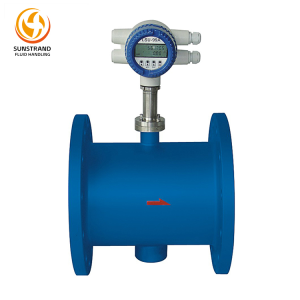
To understand how the latest trends and innovations are transforming gas flow measurement in real-world settings, let’s look at three case studies from Sunstrand—a leading provider of advanced gas flow metering solutions. These case studies showcase how smart & connected metering, enhanced precision, and sustainable designs are delivering tangible benefits for businesses across diverse industries.
A large natural gas utility in the United States was struggling with inaccurate flow measurements due to variable gas compositions and outdated DP meters. The utility operated a network of over 1,000 miles of pipelines, serving more than 500,000 residential and commercial customers. The outdated meters were prone to errors, leading to underbilling and overbilling, and required frequent on-site calibration—adding significant operational costs.
Sunstrand recommended upgrading to next-generation ultrasonic natural gas flow meter with multi-parameter sensing and smart connectivity—an advanced type of gas flow meter tailored for natural gas distribution. These meters feature dual-path ultrasonic technology and AI-powered signal processing, enabling them to adapt to changes in gas composition, maintain high accuracy, and reduce the frequency of gas flow meter calibration. They also include wireless connectivity, allowing the utility to monitor flow rates in real time from a central control room.
After implementing the new meters, the utility saw a 15% improvement in measurement accuracy, reducing financial losses from billing errors. The real-time monitoring capability allowed the utility to detect pipeline leaks and pressure anomalies early, reducing the risk of safety hazards and minimizing gas waste. Additionally, the predictive maintenance features of the smart meters reduced calibration costs by 30%, as technicians only needed to service meters when the system alerted them to potential issues.
A global chemical manufacturer was facing rising energy costs and inefficiencies in its production processes. The manufacturer used natural gas to power its reactors and heating systems, but traditional thermal gas flow meters were unable to adapt to changes in gas composition, leading to inaccurate flow measurements and wasted energy. The meters also required complex installation and calibration, causing frequent downtime during maintenance.
Sunstrand implemented AI-optimized thermal gas flow meters with plug-and-play installation and smart connectivity. These meters use ML algorithms to adjust to changes in gas composition, ensuring accurate flow measurements and optimizing gas usage. The plug-and-play design allowed the manufacturer to install the meters quickly, minimizing downtime, and the smart connectivity enabled integration with the plant’s IIoT system.
Within six months of implementation, the manufacturer reduced natural gas consumption by 12%, translating to annual savings of over $200,000. The accurate flow measurements allowed the plant to optimize its production processes, reducing waste and improving product quality. The predictive maintenance features also reduced unplanned downtime by 25%, as technicians were able to address potential issues before they led to equipment failure.
A waste management company was struggling to comply with strict environmental regulations governing greenhouse gas emissions from its landfills. The company operated five landfills, each producing methane gas that needed to be measured and reported to regulatory authorities. Traditional meters were unable to accurately measure methane flow rates and emissions, leading to the risk of non-compliance and costly fines.
Sunstrand provided multi-parameter gas flow meters that measure both methane flow rate and emissions in real time. These meters feature advanced sensors that detect methane concentration, pressure, and temperature, and use AI algorithms to calculate accurate emissions data. The smart connectivity allows the company to transmit emissions data directly to regulatory authorities, ensuring compliance and reducing administrative burdens.
After implementing the new meters, the company achieved 100% compliance with environmental regulations, avoiding costly fines. The real-time emissions monitoring also allowed the company to optimize its methane capture systems, reducing greenhouse gas emissions by 18% and generating additional revenue by selling captured methane as a renewable fuel source. The low-power design of the meters also reduced energy consumption, aligning with the company’s sustainability goals.
The future of gas flow metering is rapidly approaching, and businesses that fail to adapt risk falling behind competitors, incurring higher costs, and facing non-compliance with regulations. To prepare for this future, organizations should take the following practical steps:
Assess Current Metering Infrastructure: Start by evaluating your existing gas flow meter (including any natural gas flow meter in use) and identifying pain points. This will help you determine which gas flow meter types need to be upgraded and which innovations will deliver the most value for your business.
Prioritize Smart & Connected Solutions: Invest in smart meters with wireless connectivity and IIoT integration. These meters will enable remote monitoring, predictive maintenance, and data-driven decision-making—key capabilities for future-proofing your operations.
Choose Adaptable, High-Precision Meters: Select meters with multi-parameter sensing and AI optimization to handle variable gas compositions and dynamic operating conditions. These meters will maintain accuracy without frequent manual calibration, reducing costs and improving reliability.
Embrace Sustainable Designs: Opt for low-power, durable meters that reduce energy consumption and minimize waste. This will not only lower your environmental footprint but also reduce long-term operational costs.
Train Your Team: Ensure your technicians and staff have the skills to operate and maintain the latest gas flow metering technology. This may involve training on IIoT integration, data analytics, and predictive maintenance.
Partner with a Trusted Provider: Work with a metering solutions provider that has experience in your industry and a track record of delivering innovative, reliable products. A trusted partner can help you select the right meters, implement them effectively, and provide ongoing support.
By taking these steps, businesses can position themselves to leverage the latest trends and innovations in gas flow metering, gaining a competitive edge and ensuring long-term success.
Gas flow meters are critical to the efficiency, safety, and sustainability of modern industries. As global industries shift toward digitalization, sustainability, and greater operational agility, the gas flow meter landscape is undergoing a profound transformation. Traditional meters, with their limitations in accuracy, maintenance, and integration, are being replaced by smart, connected, and adaptive solutions that address these pain points and unlock new possibilities.
The future of gas flow meters is defined by four key trends: smart & connected metering, enhanced precision & adaptability, sustainable & low-power designs, and plug-and-play installation. These trends are supported by groundbreaking innovations, including next-generation ultrasonic meters, AI-optimized thermal meters, and multi-parameter sensing technology. Real-world case studies from Sunstrand demonstrate how these trends and innovations are delivering tangible benefits—from reducing energy waste and improving accuracy to ensuring regulatory compliance and lowering costs.
To prepare for the future of gas flow metering, businesses must assess their current infrastructure, prioritize smart and adaptable solutions, embrace sustainability, train their teams, and partner with a trusted provider. By doing so, they can leverage the latest technology to optimize their operations, reduce costs, and gain a competitive edge in an increasingly complex industrial landscape.
The future of gas flow measurement is not just about better meters—it’s about better data, better decision-making, and a more sustainable future for all industries. As these trends continue to evolve, the possibilities for gas flow metering will only expand, enabling businesses to achieve new levels of efficiency, safety, and sustainability.
Q1: How do smart gas flow meters differ from traditional meters?
A1: Smart gas flow meters are equipped with digital sensors, wireless connectivity, and built-in data processing capabilities—differing from traditional models in their ability to reduce gas flow meter calibration frequency and integrate with IIoT systems. Unlike traditional analog meters, they can collect, process, and transmit real-time flow data to IIoT platforms, enabling remote monitoring, predictive maintenance, and data-driven decision-making—critical for natural gas flow meter applications and other industrial uses. Smart meters also feature advanced technologies (e.g., AI, multi-parameter sensing) that improve accuracy and adaptability across different gas flow meter types.
Q2: What industries benefit most from the latest gas flow meter innovations?
A2: The industries that benefit most include natural gas distribution (optimizing pipeline efficiency and billing accuracy), industrial manufacturing (reducing energy waste and improving production quality), environmental monitoring (ensuring emissions compliance), and oil and gas production (handling variable gas compositions and harsh environments). Any industry that relies on accurate gas flow measurement can benefit from these innovations.
Q3: Are AI-optimized gas flow meters difficult to install and maintain?
A3: No—many AI-optimized gas flow meters feature plug-and-play designs that simplify installation, requiring no specialized expertise and minimizing downtime. Additionally, AI-optimized meters reduce maintenance costs by enabling predictive maintenance (alerting technicians to potential issues before they fail) and automatically adapting to changing conditions, eliminating the need for frequent manual calibration.
Q4: How do multi-parameter gas flow meters improve accuracy?
A4: Multi-parameter gas flow meters measure multiple variables simultaneously (e.g., gas composition, pressure, temperature, humidity) and use this data to compensate for changes in conditions. For example, if the gas composition shifts, the meter uses the composition data to recalculate the flow rate in real time, ensuring accuracy even in dynamic environments. This eliminates the accuracy issues associated with traditional meters, which are calibrated for a single set of conditions.
Q5: What is the ROI of upgrading to next-generation gas flow meters?
A5: The ROI varies based on the industry and application, but most businesses see a positive ROI within 6–18 months. Benefits include reduced energy waste (lower utility costs), improved billing accuracy (reducing financial losses), lower maintenance costs (fewer calibrations and repairs), reduced downtime (predictive maintenance), and compliance with regulations (avoiding costly fines). For example, the chemical manufacturer in Sunstrand’s case study saved over $200,000 annually on natural gas costs after upgrading.