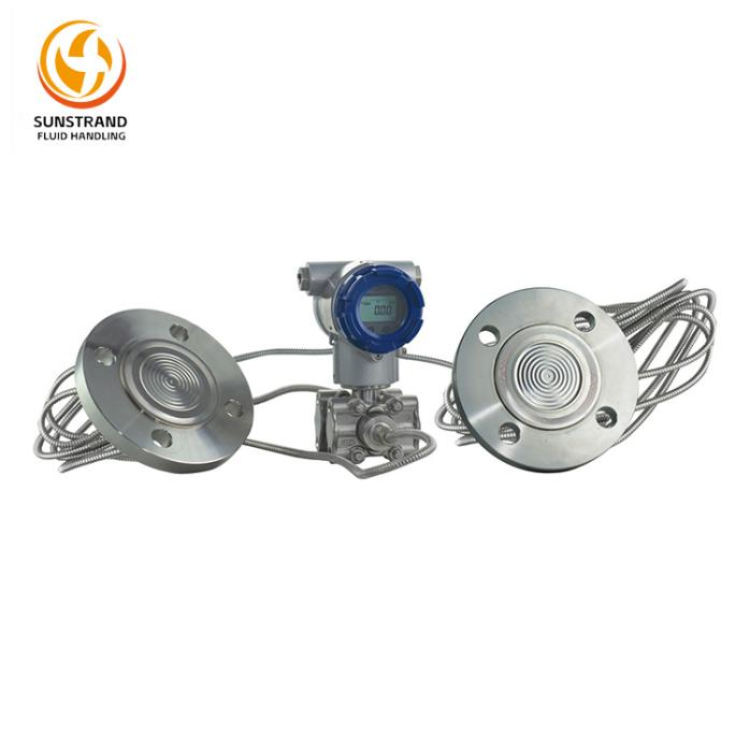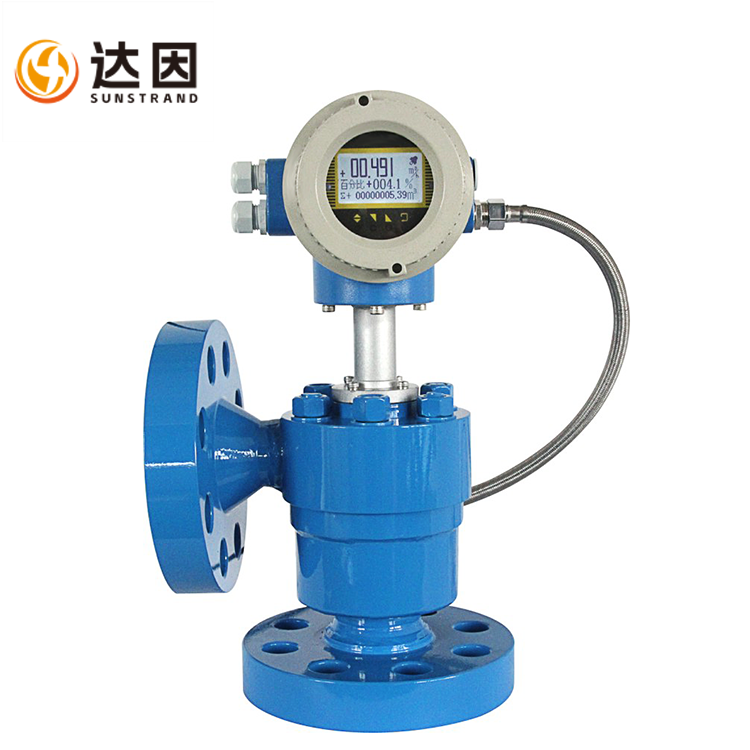
Flow meters are of vital importance in the liquid processing industry, as they enable process control, reduce waste, comply with standards, and optimize resource utilization. Traditional flow measurement systems, such as differential pressure, volumetric, or centrifugal systems, have long met the needs of this industry, but their inherent limitations have led to an increasing demand for more advanced and innovative solutions.
Digital transformation, sustainability requirements, stricter regulations, and real-time data demands are driving the flow measurement field towards more advanced solutions. By 2026, a major transformation is about to occur: intelligent connectivity, artificial intelligence, higher precision, and sustainable design will address the current industry’s challenges and provide crucial support for decision-makers seeking operational excellence.
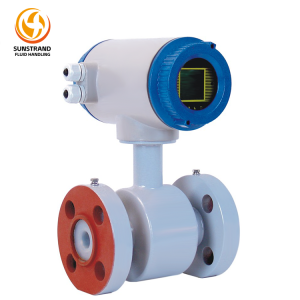
At its core, a liquid flow meter is a device designed to measure the rate of flow or the total volume of liquid passing through a pipe, channel, or other conveyance system. These flow meters liquid are categorized based on their working principle, with each type offering unique advantages and limitations depending on the application, fluid properties, and operational requirements—making liquid flow meter types a key consideration for industry professionals.
The most common types of liquid flow meters include:
|
Flow Meter Type |
Working Principle |
Key Features & Applications |
|
Differential Pressure Meters |
Measure flow by creating a pressure drop across a restriction in the pipe; pressure difference is proportional to the square of the flow rate. |
Widely used in oil & gas and chemical industries; less accurate for low-flow applications or high-viscosity fluids. |
|
Positive Displacement Meters |
Trap a fixed volume of liquid and count the number of times the volume is displaced to measure flow. |
Highly accurate for viscous liquids and low-flow rates; ideal for residential water metering and industrial batch processes. |
|
Turbine Meters |
Use a rotating turbine wheel that spins as liquid passes through; rotational speed is proportional to flow rate and converted into an electrical signal. |
Fast-responding and accurate for clean, low-viscosity liquids; can be damaged by debris or high-viscosity fluids. |
|
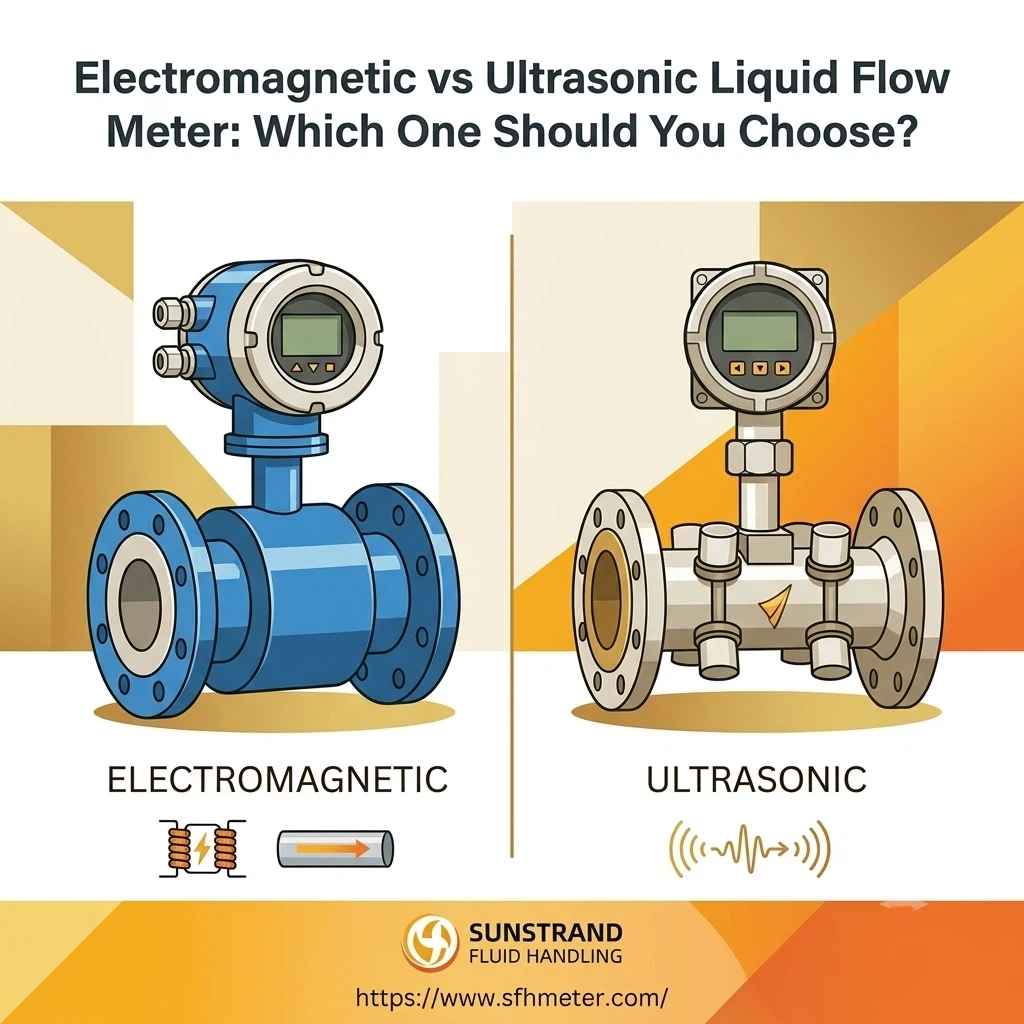
Ultrasonic Meters |
The ultrasonic liquid flow meter uses sound waves to measure flow velocity; available in non-intrusive or inline designs. |
Works well with a wide range of fluids; low maintenance requirements and high accuracy; increasingly popular. |
|
Magnetic Flow Meters (Magmeters) |
Use Faraday’s law of electromagnetic induction to measure flow; requires the liquid to be conductive. |
Ideal for corrosive, abrasive, or dirty liquids; non-intrusive with no moving parts, reducing maintenance needs. |
Regardless of the type, the main goal of liquid flow meters remains consistent: to provide reliable and accurate data, helping enterprises make informed decisions regarding their production processes. As industries become increasingly complex and the demands for efficiency and sustainability rise, this means that the role of flow meters has expanded beyond simple measurement to include real-time monitoring, predictive maintenance, and integration with intelligent systems.
Although traditional liquid flow meters have demonstrated reliable performance for decades, there are still some key limitations in modern industrial settings, which significantly restrict their efficiency. As various industries adopt more complex processes, implement stricter regulations, and build more advanced infrastructure, these issues are becoming increasingly evident. The following are the main challenges currently faced by liquid flow measurement technologies:
One of the main limitations of current flow meters is that they cannot maintain high accuracy when measuring complex fluids. Many liquids used in industrial production have high viscosity, contain suspended particles or bubbles, and are affected by temperature and pressure changes. These factors can lead to measurement errors. For example, flow meters based on the principle of pressure difference have difficulty accurately measuring high-viscosity fluids because the pressure drop across the orifice is affected by the fluid’s flow resistance, resulting in inaccurate measurement results. Turbine flow meters also tend to produce errors when measuring fluid containing particles because the particles may damage the turbine blades or change their rotational state.
In addition, many flow meters are calibrated for specific flow rates and operating conditions. Once these conditions change – for example, when the viscosity of the chemical mixture fluctuates during batch production – the accuracy of the flow meter will significantly decrease. This problem is particularly serious in the chemical, petroleum, and natural gas industries, as the fluid properties in these fields typically change dynamically. Inaccurate measurement can lead to product quality defects, safety hazards, or economic losses.
Traditional flow meters usually require complex installation procedures and frequent maintenance, which not only may disrupt their normal operation but also increase costs. In contrast, online flow meters only need to place the equipment directly at the center of the fluid to cut off the flow; this process not only requires downtime but may also bring high costs to industrial processes that need continuous operation.
Maintenance is another major challenge: mobile flow meters are prone to wear and need regular calibration, cleaning, and component replacement. For example, the blades of the measuring turbine may need to be replaced every few years, while pressure gauges may need to replace the seals due to leakage problems. In harsh environments such as offshore drilling platforms or chemical plants, operators must work under high-risk conditions, making maintenance particularly dangerous and costly.
Moreover, many flow meters are difficult to maintain, especially when installed in remote or inaccessible areas. This may lead to maintenance delays, decreased measurement accuracy, and an increased risk of equipment failure.
As more and more industries adopt Industrial 4.0 and intelligent manufacturing technologies, the demand for perfect integration among flow meters, IoT platforms, monitoring and data collection systems, and other intelligent technologies is increasing. However, most traditional flow meters still belong to “non-intelligent” devices: they only provide basic flow measurement data and lack the networking capabilities and data processing capabilities required to connect with modern intelligent systems.
Currently, many flow meters still transmit data in analog format, so additional equipment is needed to convert the data into a digital format compatible with intelligent systems. This process not only increases the complexity of configuration but also raises costs. Moreover, traditional flow meters lack integrated analysis functions, forcing enterprises to manually collect and analyze traffic data to identify trends, anomalies, or inefficient links. This manual operation is time-consuming and prone to human errors, thereby limiting the ability to make decisions based on real-time data.
Another major challenge lies in the lack of standardization among flow meter brands and models. Different manufacturers use different communication protocols, making it extremely difficult to integrate multiple sensors into intelligent systems. This fragmentation situation hinders the construction of a unified business data view, which is crucial for optimizing processes and improving efficiency.
To overcome the current technological limitations and meet the growing demands of modern industry, the liquid flow meter market is undergoing a rapid innovation phase. By 2026, the main future trends of flow meters will include interconnectivity, accuracy, durability, and ease of use. These trends are not just gradual improvements but rather transformative changes that will redefine the way flow rate data is measured in various industries.
Intelligent and networked flow meters are the foundation of the digital transformation in this industry. By 2026, the usage rate of electricity meters equipped with IoT connections, integrated sensors, and cloud-based data processing capabilities will be significantly increased. These intelligent flow meters can transmit data in real time to IoT platforms, monitoring systems, or mobile devices, enabling operators to remotely monitor power transmission situations around the world.
One of the major advantages of intelligent metering lies in its real-time monitoring and alarm function. Intelligent flow meters can detect abnormalities and immediately send alerts to the operators, helping them take prompt actions before problems worsen and cause high costs. For example, in a water supply system, intelligent flow meters can detect a sudden drop in flow, indicating possible leakage, and provide the maintenance team with the exact location of the fault, thereby reducing water waste and maintenance costs. Moreover, intelligent flow meters support predictive maintenance, which is of revolutionary significance for continuous operation in industrial fields. By collecting and analyzing equipment performance data, these intelligent devices can accurately predict when maintenance is needed, enabling enterprises to schedule services during off-peak hours, thus avoiding unexpected downtime. This not only reduces maintenance costs but also improves operational efficiency.
Another key advantage of intelligent metering lies in its seamless integration with other intelligent systems. By 2026, flow meters will be designed to be transparently accessible to the Internet of Things platform, artificial intelligence analysis tools, and digital twin systems, enabling a unified view of operational data. This integration will enable enterprises to optimize processes in real time, identify inefficiencies, and make data-based decisions, thereby enhancing production efficiency and reducing costs. For example, in a chemical plant, counters embedded with digital twin systems can simulate different flow conditions, helping operators optimize production processes, reduce waste, and improve product quality.
As industries become more complex and regulatory requirements become stricter, there is a growing demand for flow meters with enhanced precision and adaptability. In 2026, flow meter manufacturers will focus on developing meters that can maintain high accuracy even when measuring complex fluids and in harsh operating conditions.
One of the key advancements in this area is the use of advanced sensors and signal processing technology. For example, ultrasonic flow meters will be equipped with multi-beam sensors that can measure flow velocity at multiple points in the pipe, reducing errors caused by uneven flow profiles. Magnetic flow meters will use advanced signal processing algorithms to filter out noise and interference, improving accuracy for conductive fluids with low conductivity.
Another trend is the development of flow meters that can adapt to changing fluid properties and operating conditions. These adaptive meters use AI and machine learning algorithms to automatically adjust their calibration settings based on real-time data on fluid properties. For example, an adaptive flow meter measuring a chemical mixture with varying viscosity can automatically adjust its measurement parameters to maintain high accuracy, eliminating the need for manual recalibration.
Enhanced precision is also critical for industries with strict regulatory requirements, such as pharmaceuticals and food & beverage. In these industries, inaccurate flow measurements can lead to non-compliance with regulations, resulting in fines, product recalls, or damage to brand reputation. In 2026, flow meters will be designed to meet the most stringent accuracy standards, ensuring that businesses can maintain compliance while optimizing their processes.
Sustainability is a top priority for industries worldwide, and flow meter technology is no exception. In 2026, we will see a growing focus on developing flow meters with sustainable and energy-efficient designs that reduce carbon footprints, minimize waste, and lower energy consumption. This trend is driven by increasing pressure from governments, consumers, and stakeholders to adopt more environmentally friendly practices, as well as the desire to reduce operational costs.
One of the key ways flow meter manufacturers are improving sustainability is by reducing the materials used in meter construction. For example, many flow meters will be made from recycled or renewable materials, reducing the environmental impact of production. Additionally, manufacturers will focus on designing meters that are durable and long-lasting, reducing the need for frequent replacement and minimizing waste.
Energy efficiency is another critical aspect of sustainable flow meter design. Traditional flow meters—especially those with moving parts—can consume significant amounts of energy. In 2026, flow meters will be designed to consume less energy, with features such as low-power sensors, energy-efficient transmitters, and battery-powered options for remote locations. For example, smart flow meters with IoT connectivity will use low-power wireless protocols to transmit data, reducing energy consumption and extending battery life.
Flow meters will also play a key role in helping businesses reduce their carbon footprints by optimizing resource utilization. For example, in the water industry, smart flow meters can help identify leaks and reduce water waste, while in the oil & gas industry, precise flow measurement can help optimize fuel consumption and reduce greenhouse gas emissions. By providing accurate, real-time data on resource usage, flow meters enable businesses to identify inefficiencies and implement strategies to reduce their environmental impact.
To address the installation and maintenance challenges of traditional flow meters, 2026 will see a rise in plug-and-play flow meters that are easy to install, calibrate, and maintain. These meters are designed to reduce installation time and costs, eliminate the need for specialized technical expertise, and minimize operational downtime.
Plug-and-play flow meters feature pre-calibrated sensors, simple mounting systems, and intuitive user interfaces. For example, clamp-on ultrasonic flow meters can be installed in minutes without cutting the pipe or shutting down the process—operators simply attach the meter to the outside of the pipe, and the meter automatically calibrates itself to the pipe size and fluid properties. This eliminates the need for expensive pipe modifications and reduces installation time from days to hours.
Another key feature of plug-and-play flow meters is self-calibration. Traditional flow meters require regular manual calibration, which is time-consuming and costly. Plug-and-play meters use built-in sensors and AI algorithms to automatically calibrate themselves, ensuring high accuracy at all times. This reduces maintenance costs and eliminates the need for specialized calibration equipment or technical expertise.
Plug-and-play flow meters also feature modular designs, which make maintenance easier. If a component fails, operators can simply replace the faulty module without replacing the entire meter—reducing maintenance time and costs. Additionally, many plug-and-play meters are compatible with standard communication protocols, making them easy to integrate with existing smart systems.
Building on the key trends outlined above, 2026 will see several breakthrough innovations in liquid flow meter technology that will transform how industries measure and monitor liquid flow. These innovations are driven by advances in AI, IoT, sensor technology, and materials science, and they offer significant improvements in accuracy, connectivity, sustainability, and ease of use.
Ultrasonic flow meters have been growing in popularity in recent years due to their non-intrusive design, low maintenance requirements, and ability to measure a wide range of fluids. In 2026, next-generation ultrasonic flow meters will take this technology to the next level, with enhanced precision, adaptability, and connectivity.
One of the key innovations in next-generation ultrasonic flow meters is the use of multi-beam technology. Traditional ultrasonic meters use a single beam of sound waves to measure flow velocity, which can lead to errors if the flow profile is uneven. Next-generation meters will use 4-8 beams of sound waves that measure flow velocity at multiple points in the pipe, providing a more accurate picture of the flow profile and reducing measurement errors by up to 50% compared to traditional single-beam meters.
Another innovation is the integration of AI and machine learning algorithms. These algorithms will enable ultrasonic meters to automatically adjust their measurement parameters based on real-time data on fluid properties and operating conditions. For example, if the meter detects that the fluid’s viscosity has increased, it will automatically adjust the sound wave frequency to maintain high accuracy. This adaptive capability makes next-generation ultrasonic meters ideal for complex industrial processes with dynamic fluid properties.
Next-generation ultrasonic meters will also feature enhanced connectivity, with built-in IoT sensors and cloud-based data processing capabilities. This allows operators to monitor flow data in real time, receive alerts for anomalies, and access historical data for analytics and reporting. Additionally, these meters will be compatible with digital twins and AI analytics tools, enabling businesses to optimize processes and predict maintenance needs.
The clamp on liquid flow meter is a game-changer for industries that cannot shut down processes for installation or maintenance. In 2026, AI-optimized clamp on liquid flow meters will become even more versatile and accurate, addressing the limitations of traditional clamp-on meters.
AI-optimized clamp-on meters use machine learning algorithms to analyze flow data in real time and correct for errors caused by factors like pipe wall thickness, fluid temperature, and flow profile irregularities. For example, if the meter is installed on a pipe with a thick wall, the AI algorithm will automatically adjust the sound wave penetration depth to ensure accurate measurement. Similarly, if the flow profile is uneven, the algorithm will use advanced signal processing to filter out noise and calculate the true flow rate.
Another key innovation in AI-optimized clamp-on meters is predictive diagnostics. These meters collect data on their own performance and use AI to predict when maintenance is required. For example, if the sensor is starting to degrade, the meter will send an alert to operators, allowing them to replace the sensor before it affects measurement accuracy. This predictive maintenance capability reduces downtime and maintenance costs, while ensuring that the meter remains accurate at all times.
AI-optimized clamp-on meters will also feature enhanced connectivity, with support for wireless protocols like 5G and Wi-Fi 6. This allows for faster data transmission and real-time monitoring, even in remote locations. Additionally, these meters will be designed to integrate seamlessly with IoT platforms and digital twins, enabling businesses to create a unified view of their operational data.
Traditional flow meter for liquid measure only flow rate or volume, but in many industrial processes, it is critical to measure multiple parameters alongside flow. In 2026, we will see breakthroughs in innovative liquid flow meters like multi-parameter flow meters that can measure multiple variables simultaneously, providing a more comprehensive view of fluid conditions and improving process control.
One of the key innovations in multi-parameter sensing is the integration of multiple sensors into a single flow meter. For example, a multi-parameter flow meter might include a flow sensor, a temperature sensor, a pressure sensor, and a viscosity sensor—all in one device. This eliminates the need to install multiple separate sensors, reducing installation time and costs, and improving data integration.
Another breakthrough is the use of advanced materials and sensor technologies to measure previously difficult-to-measure parameters. For example, some multi-parameter meters will use Raman spectroscopy to measure the chemical composition of the fluid, allowing operators to monitor for contaminants or changes in the fluid’s composition in real time. This is particularly useful in industries like pharmaceuticals and food & beverage, where product quality and purity are critical.
Multi-parameter flow meters will also use AI and machine learning algorithms to analyze the data from multiple sensors and provide actionable insights. For example, if the meter detects a sudden increase in temperature and a decrease in flow rate, the AI algorithm can alert operators to a potential blockage or equipment failure. Similarly, if the meter detects a change in the fluid’s viscosity, the algorithm can recommend adjustments to the production process to maintain product quality.
In 2026, multi-parameter flow meters will become increasingly common in industries like chemical processing, oil & gas, and pharmaceuticals, where comprehensive fluid monitoring is critical for safety, compliance, and operational efficiency.
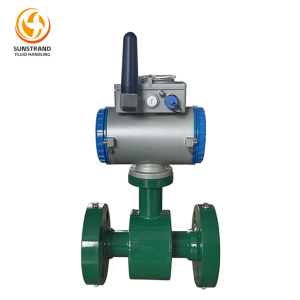
To illustrate how the key trends and innovations of 2026 are transforming liquid flow measurement, let’s look at three real-world case studies from Sunstrand—a leading provider of flow measurement solutions. These case studies highlight how Sunstrand’s advanced flow meters are helping businesses in different industries overcome challenges, improve efficiency, and reduce costs.
A major oil & gas company operating offshore platforms was struggling with frequent unplanned shutdowns due to inaccurate flow measurements and equipment failures. The company’s traditional turbine flow meters were prone to wear and tear from the harsh offshore environment, and they lacked the connectivity needed to monitor performance remotely. This led to costly shutdowns, lost production, and increased maintenance costs.
To address these challenges, Sunstrand installed its next-generation AI-optimized ultrasonic flow meters on the offshore platforms. These meters feature multi-beam technology for enhanced accuracy, predictive diagnostics for maintenance planning, and IoT connectivity for real-time monitoring. The AI algorithm in the meters automatically adjusts for changing fluid properties and predicts when maintenance is required, allowing the company to schedule maintenance during off-peak hours.
The results were significant: unplanned downtime was reduced by 40%, maintenance costs were cut by 25%, and flow measurement accuracy improved by 15%. The company was also able to monitor flow data in real time from its onshore control center, enabling faster decision-making and improved operational efficiency.
A municipal water utility was struggling with high water loss due to leaks in its distribution system and inefficient flow management. The utility’s traditional flow meters were inaccurate for low-flow rates and lacked the connectivity needed to detect leaks in real time. This led to significant water waste, high operational costs, and complaints from residents about low water pressure.
Sunstrand provided the utility with its smart plug-and-play clamp-on flow meters, which are easy to install without shutting down the distribution system. These meters feature IoT connectivity, real-time leak detection, and AI-optimized accuracy for low-flow rates. The meters transmit flow data to the utility’s smart water management platform, where operators can monitor flow rates, detect leaks, and optimize water distribution in real time.
Within six months of installation, the utility reduced water loss by 30% and improved distribution efficiency by 20%. The real-time leak detection feature allowed the utility to identify and repair leaks quickly, reducing water waste and improving water pressure for residents. The plug-and-play installation also reduced installation time by 70%, saving the utility significant labor costs.
A chemical manufacturing company was struggling to maintain compliance with strict regulatory requirements for flow measurement and process control. The company’s traditional DP meters were inaccurate for the high-viscosity chemicals it processed, and they lacked the ability to measure multiple parameters simultaneously. This led to non-compliance risks, product defects, and safety hazards.
Sunstrand installed its multi-parameter flow meters in the company’s production lines. These meters measure flow rate, temperature, pressure, and viscosity simultaneously, providing a comprehensive view of fluid conditions. The meters feature AI-optimized accuracy, self-calibration, and integration with the company’s SCADA system, allowing operators to monitor process conditions in real time and make adjustments to ensure compliance and product quality.
The results were impressive: the company achieved 100% regulatory compliance, reduced product defects by 25%, and improved workplace safety by eliminating the need for manual sampling and measurement. The multi-parameter data also allowed the company to optimize its production process, reducing waste and improving operational efficiency.
As the liquid flow meter landscape evolves in 2026, businesses need to prepare to adopt new technologies and leverage emerging trends to stay competitive. Below are key steps businesses can take to prepare for the future of liquid flow measurement:
Assess Your Current Flow Measurement Infrastructure: Start by evaluating your existing flow meters and identifying their limitations. Consider factors like accuracy, connectivity, maintenance requirements, and integration with smart systems. This will help you determine which meters need to be replaced or upgraded and which trends and innovations are most relevant to your operations.
Prioritize Smart Connectivity: Invest in smart flow meters with IoT connectivity and cloud-based data processing capabilities. This will enable you to monitor flow data in real time, detect anomalies, and make data-driven decisions. Ensure that your flow meters are compatible with your existing IoT platforms, SCADA systems, and digital twins to create a unified view of operational data.
Focus on Precision and Adaptability: Choose flow meters with enhanced precision and adaptability to handle complex fluids and changing operating conditions. Look for meters with AI and machine learning capabilities that can automatically adjust to dynamic fluid properties and maintain high accuracy. This is particularly important for industries with strict regulatory requirements or complex processes.
Embrace Sustainable and Energy-Efficient Designs: Select flow meters with sustainable and energy-efficient designs to reduce your carbon footprint and lower operational costs. Look for meters made from recycled materials, with low-power consumption, and long-lasting components. Additionally, use flow data to optimize resource utilization and reduce waste.
Invest in Training and Expertise: As flow meter technology becomes more advanced, it is critical to invest in training for your operators and technicians. Ensure that your team has the skills and knowledge needed to install, maintain, and operate smart flow meters and leverage their advanced features (such as AI analytics and predictive maintenance).
Partner with a Trusted Provider: Work with a leading flow measurement provider (like Sunstrand) that has experience in your industry and a track record of delivering innovative, reliable solutions. A trusted partner can help you assess your needs, select the right flow meters, and provide ongoing support and maintenance to ensure optimal performance.
2026 is set to be a transformative year for liquid flow meter technology, with smart connectivity, AI optimization, enhanced precision, sustainable design, and plug-and-play installation leading the way. These trends and innovations are addressing the longstanding limitations of traditional flow meters and unlocking new possibilities for operational efficiency, safety, and compliance across industries.
From next-generation ultrasonic meters and AI-optimized clamp-on meters to multi-parameter sensing solutions, the future of liquid flow measurement is focused on providing businesses with accurate, real-time data that enables them to make informed decisions, optimize processes, and reduce costs. The Sunstrand case studies demonstrate how these advancements are already transforming industries like oil & gas, water & wastewater, and chemical processing—delivering tangible results like reduced downtime, improved efficiency, and enhanced safety.
To stay ahead of the curve in 2026 and beyond, businesses must prepare to adopt these new technologies, prioritize smart connectivity and precision, and embrace sustainability. By doing so, they can not only overcome the challenges of current flow measurement technology but also unlock new opportunities for growth and innovation.
Q1: What is the difference between smart flow meters and traditional flow meters?
A1: Smart flow meters are equipped with IoT connectivity, built-in sensors, and AI analytics capabilities, allowing them to transmit real-time data, detect anomalies, and predict maintenance needs. Traditional flow meters are “dumb” devices that provide basic flow data but lack connectivity and advanced data processing capabilities. Smart meters also offer enhanced precision, adaptability, and integration with smart systems, while traditional meters require manual monitoring and maintenance.
Q2: Are AI-optimized flow meters suitable for all industries?
A2: Yes, AI-optimized flow meters are versatile and can be used in a wide range of industries, including oil & gas, chemical processing, water & wastewater, pharmaceuticals, and food & beverage. They are particularly well-suited for industries with complex fluids, dynamic operating conditions, or strict regulatory requirements, as they can automatically adjust to changing conditions and maintain high accuracy. However, the specific type of AI-optimized meter (e.g., ultrasonic, clamp-on, multi-parameter) should be selected based on the industry’s unique needs.
Q3: How do multi-parameter flow meters improve process control?
A3: Multi-parameter flow meters measure multiple variables (such as flow rate, temperature, pressure, viscosity, and chemical composition) simultaneously, providing a comprehensive view of fluid conditions. This allows operators to monitor process conditions in real time, detect changes or anomalies, and make adjustments to optimize the process. For example, if a multi-parameter meter detects a change in fluid viscosity, operators can adjust the production process to maintain product quality. This improves process control, reduces waste, and ensures compliance with regulatory requirements.
Q4: What are the cost benefits of adopting plug-and-play flow meters?
A4: Plug-and-play flow meters reduce installation time and costs by eliminating the need for complex pipe modifications, specialized technical expertise, and process shutdowns. They also reduce maintenance costs by featuring self-calibration, predictive diagnostics, and modular designs (allowing for easy component replacement). Additionally, plug-and-play meters minimize operational downtime, as they can be installed and maintained quickly, reducing lost production and revenue. Over time, these cost savings can be significant, especially for industries with continuous operations.
Q5: How can businesses ensure that their flow meters are compatible with their existing smart systems?
A5: To ensure compatibility, businesses should select flow meters that support standard communication protocols (such as HART, Modbus, Profibus, LoRaWAN, or NB-IoT). They should also work with a flow measurement provider that can help integrate the meters with their existing IoT platforms, SCADA systems, or digital twins. Additionally, businesses should assess their existing infrastructure before purchasing new flow meters to identify any compatibility gaps and ensure that the new meters can seamlessly integrate with their current systems.