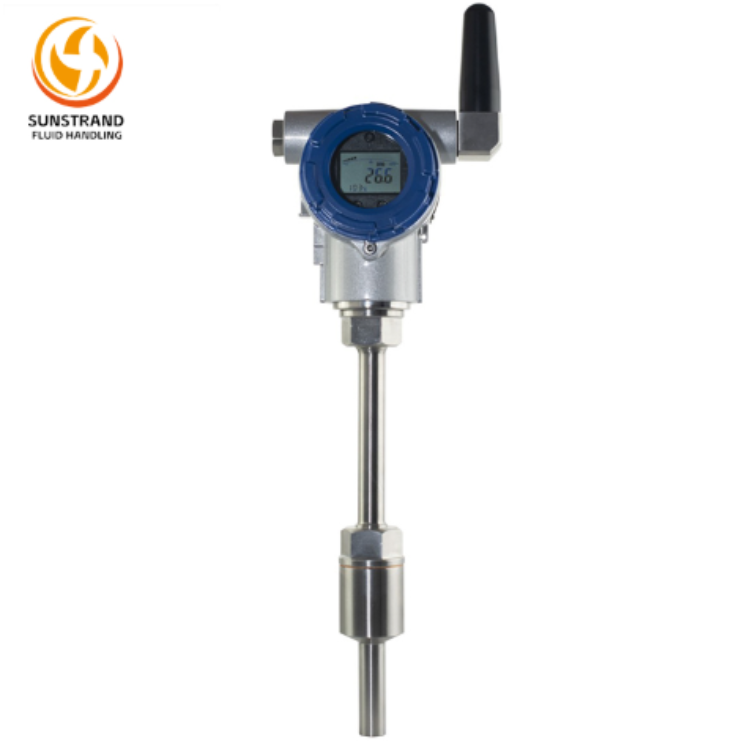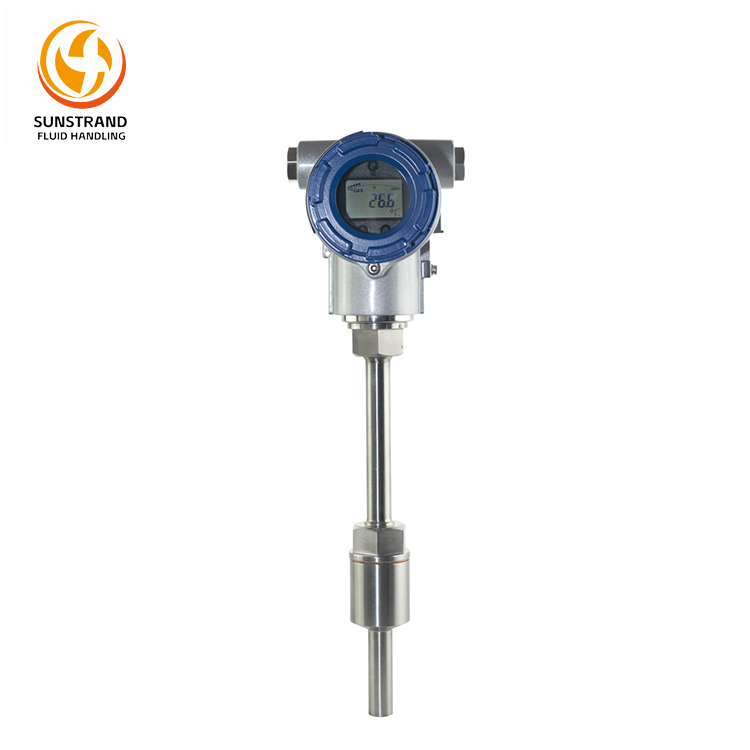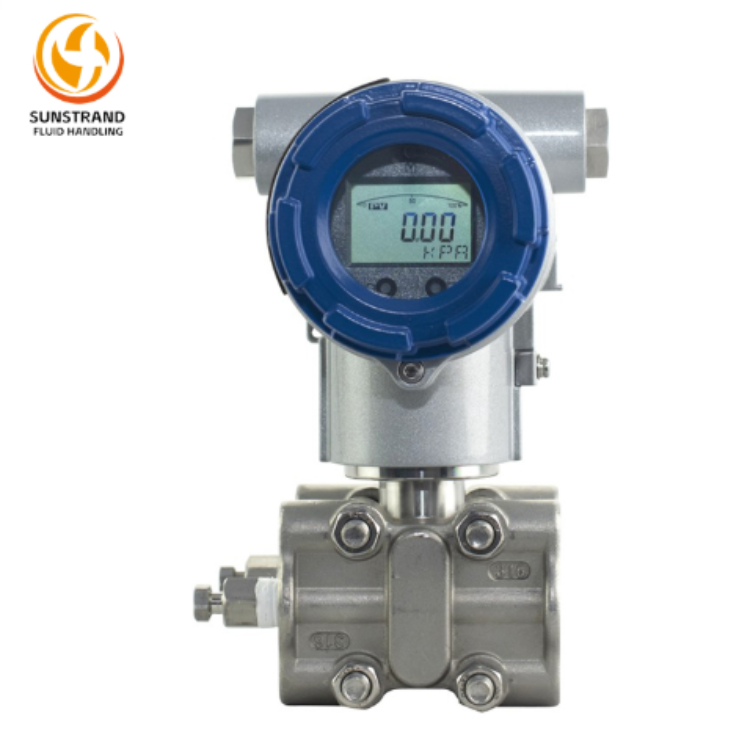

In our gas processing system, there are two core devices that stand out particularly: the gas regulator and the gas flow meter. In the B2B industrial and household sectors, many professionals often confuse the uses of these two devices, which leads to improper selection and affects the efficiency, safety and economy of the system.
This guide will provide a detailed analysis of the functions, main differences, and practical applications related to Sunstrand customer cases for each device. It will also offer a set of three-step feasible methods to help you make the right selection. Finally, you will have a clear path to optimize your gas system with the appropriate tools.
The gas regulator is the “pressure stabilizing device” in the gas circuit. Its main function is to control and maintain the pressure at the outlet stable, unaffected by fluctuations in the intake pressure or changes in gas demand. The gas regulator is a special device specifically designed to deal with the characteristics of natural gas and ensure safe gas supply to households, enterprises, and industrial facilities. It can be compared to the “gas pressure traffic police”: it can prevent equipment damage caused by excessive pressure or equipment failure due to insufficient pressure.
For example, when natural gas from the municipal pipeline arrives at the residence, the pressure is high, but household stoves and water heaters only require 2 to 3 kilopascals of pressure to operate safely. The gas regulator will reduce this pressure to a safe range, even when multiple devices are running simultaneously, and still maintain pressure stability. In outdoor cooking, the barbecue gas regulator is crucial: it can reduce the high-pressure gas in the liquefied petroleum gas (LPG) cylinder to a safe level, suitable for barbecue purposes, effectively avoiding fire risks. High-quality gas regulators specifically designed for residential and industrial use can precisely control the pressure, with an error range of less than 1%, ensuring stable operation even in harsh conditions. The gas regulator is the “pressure stabilizer” in the gas circuit, with the main function of controlling and maintaining the pressure at the outlet stable, regardless of fluctuations in intake pressure or changes in gas demand. It can be called the “pressure flow manager”: it can prevent equipment damage caused by excessive pressure and avoid performance decline due to insufficient pressure.
For example, when natural gas from the municipal pipeline enters the house at high pressure, stoves and water heaters only require 2 to 3 kilopascals of pressure to operate safely. The gas regulator can reduce the pressure to a safe range, even when multiple devices are running simultaneously, and still maintain stability. Reliable products suitable for residential and industrial use can precisely control the pressure, ensuring stable operation in complex environments.
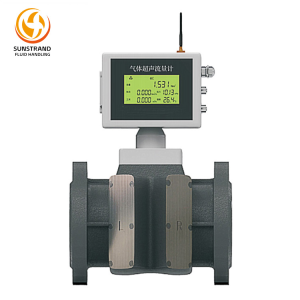
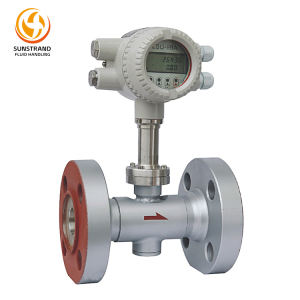
A gas flow meter is the “measurement tracker” of the system. It quantifies the volume or mass of gas passing through a pipeline over time, providing real-time data on gas consumption. A natural gas flow meter, as a common type, is widely used in municipal gas supply, industrial production, and commercial scenarios to monitor natural gas usage accurately. Unlike regulators, a gas flow meter doesn’t alter pressure or flow rate—it simply monitors and records it.
Gas flow meter price varies by type, accuracy, and application: basic models cost $200–$500, while high-precision natural gas flow meter for industrial use ranges from $1,000–$3,000. Flow meters are critical for cost accounting, process optimization, and leak detection. For instance, an industrial chemical plant needs to track how much natural gas is used in reactor heating to calculate production costs; a commercial café relies on flow data from a gas flow meter to manage monthly gas budgets. Specialized gas flow meter models support multiple gas types and integrate with smart systems for remote monitoring, making them a top choice for data-driven operations.
The gas flow meter is the “measurement tracker” in the system. It can quantitatively record the changes in the volume or mass of gas in the pipeline over time, thereby providing real-time data on gas consumption. Unlike regulators, the flow meter does not alter pressure or flow; it is solely used for monitoring and recording these data.
Flow meters are crucial for cost accounting, process optimization, and leak detection. For instance, chemical plants need to monitor the natural gas consumption during the heating of reaction vessels to calculate production costs; while commercial coffee shops rely on flow data to manage their monthly gas budgets. High-quality gas flow meters can support various gas types and can be integrated with intelligent systems for remote monitoring, making them particularly suitable for data-driven operations.
The core difference lies in their “roles”: Regulators control pressure to ensure safe, stable gas supply. Their priority is to maintain a set pressure, protecting equipment and users. Flow meters measure consumption, focusing on accurate data collection for accounting, monitoring, and optimization. One adjusts gas conditions; the other tracks them.
The gas regulator balances the intake pressure through a diaphragm or piston driven by a spring. When the intake pressure increases, the diaphragm compresses the spring, thereby reducing the valve opening and lowering the output pressure; conversely, when the pressure drops, the spring stretches and opens the valve to increase the flow rate. In high-quality gas regulator designs, a pressure relief valve is usually integrated to release excess pressure, further enhancing safety.
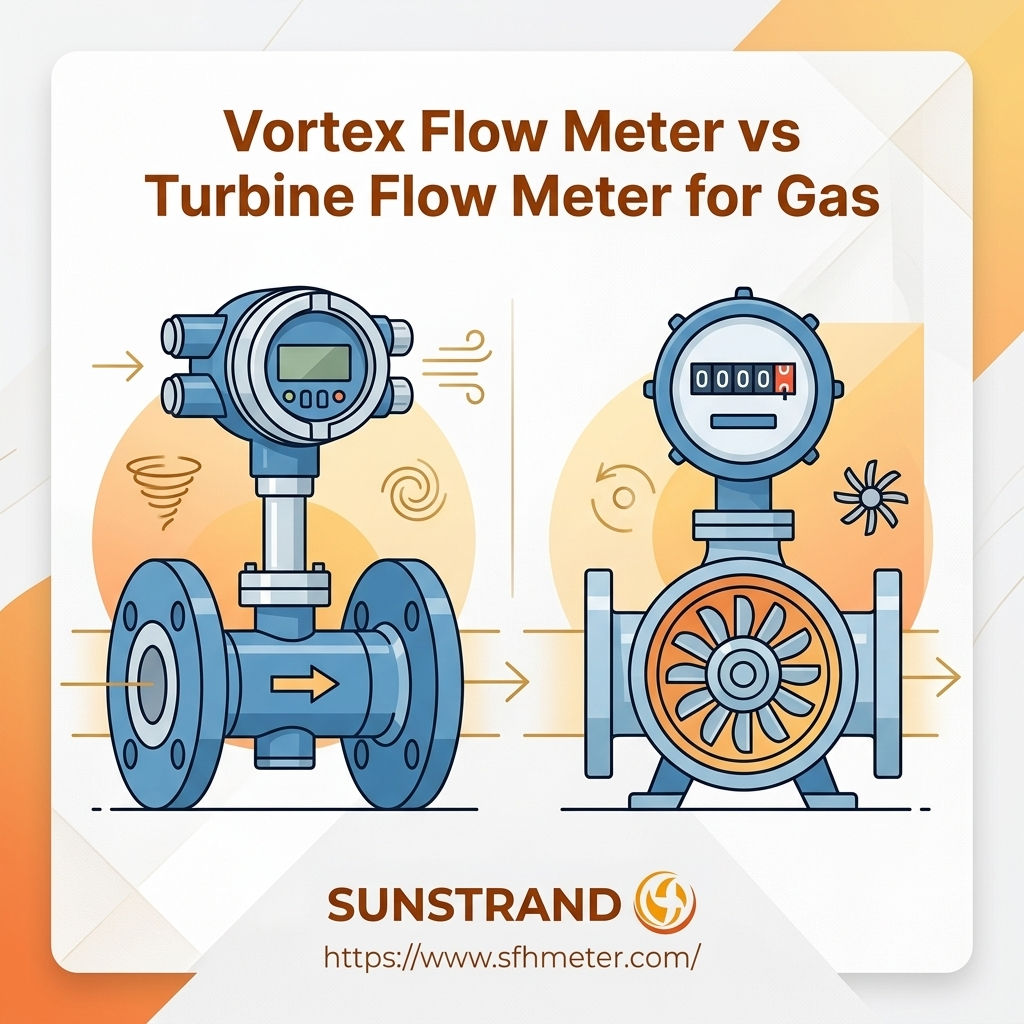
Flow meters employ various technologies, such as turbine, ultrasonic, or thermal mass methods. For example, the thermal mass method operates by measuring the heat transfer between the heating sensor and the gas. As the gas flows, it takes away a certain amount of heat; the flow meter calculates the flow rate based on the temperature difference, ensuring extremely high measurement accuracy even at low flow rates.
Regulators are essential wherever pressure stability is non-negotiable: residential gas lines equipped with natural gas regulator, industrial boilers, medical gas systems, LPG cylinders, and outdoor cooking setups using a gas grill regulator. They’re a must-have for safety-critical scenarios, and choosing the right gas regulator based on the gas type and application is crucial.
Flow meters shine in applications needing consumption tracking: industrial process control using natural gas flow meter, commercial catering, municipal gas billing with high-precision gas flow meter, and energy management systems. They’re key for cost and efficiency control, and understanding gas flow meter price vs. performance helps businesses pick the right model for their budget.
Regulator accuracy is measured by pressure deviation. Industrial gas regulator models typically offer ±0.5% accuracy, suitable for precision processes like semiconductor manufacturing. Stability depends on resistance to temperature and pressure shocks—critical for outdoor or high-vibration environments.
Flow meter accuracy refers to measurement error. High-quality gas flow meter options boast ±1.0% of reading accuracy for mass flow, meeting industrial calibration standards. Stability is tied to sensor durability; stainless-steel sensors are common for resisting corrosion from harsh gases like hydrogen sulfide.
The pressure regulator is installed upstream of the gas-consuming equipment, close to the pressure source. To avoid pressure fluctuations, the pipeline must remain straight. Most gas regulators are small in size and suitable for installation in limited spaces such as residential gas cabinets.
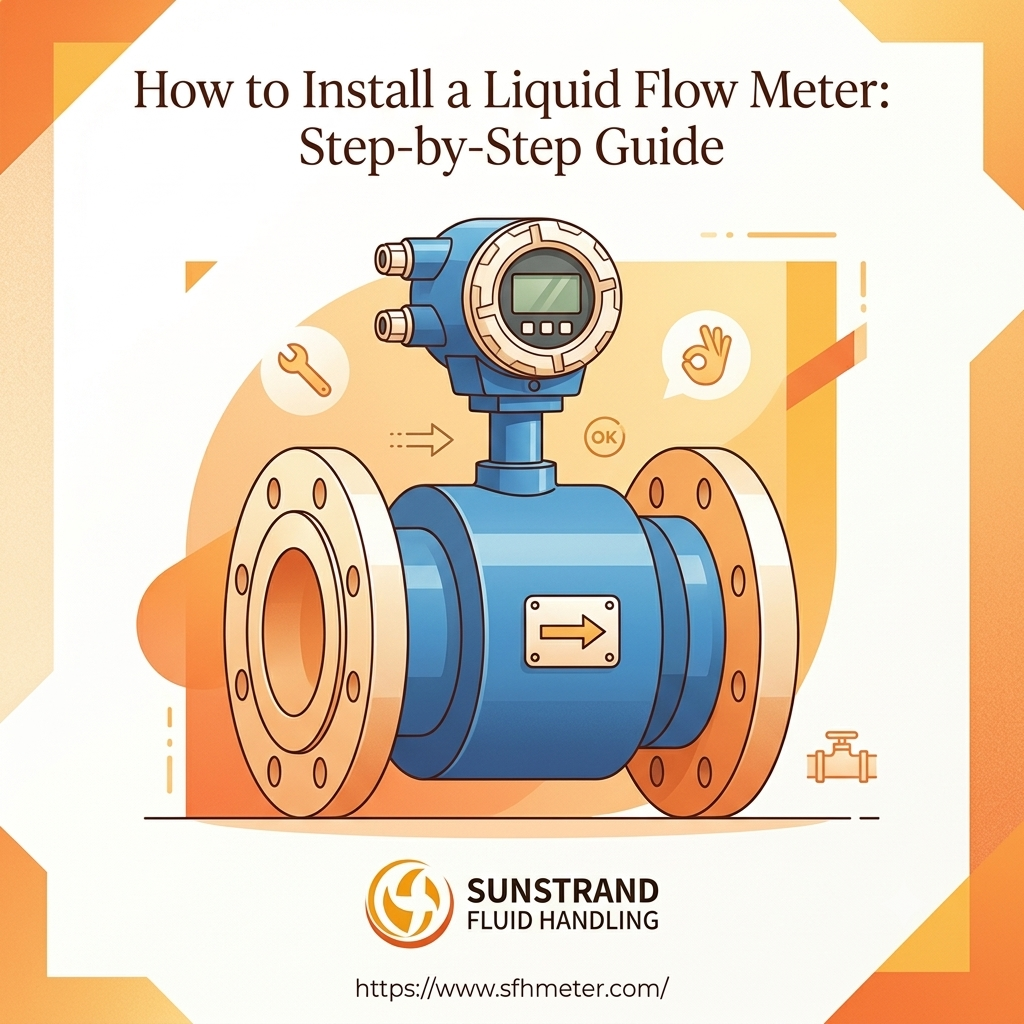
The flow meter is installed downstream of the regulator or at the end of the system, requiring a longer straight section and minimizing bends as much as possible. Portable gas flow meters are highly suitable for temporary monitoring, such as in temporary facilities of power plants.
Most mechanical gas regulator models are passive devices—no external power needed. They rely on gas pressure and spring force, making them ideal for remote areas or backup systems. Mechanical regulators ensure uninterrupted operation during outages.
Flow meters, especially smart ones, need power. Battery-powered models last 6–12 months, while wired versions use 24V DC. Smart gas flow meter options support both power modes, with low-power settings for remote locations.
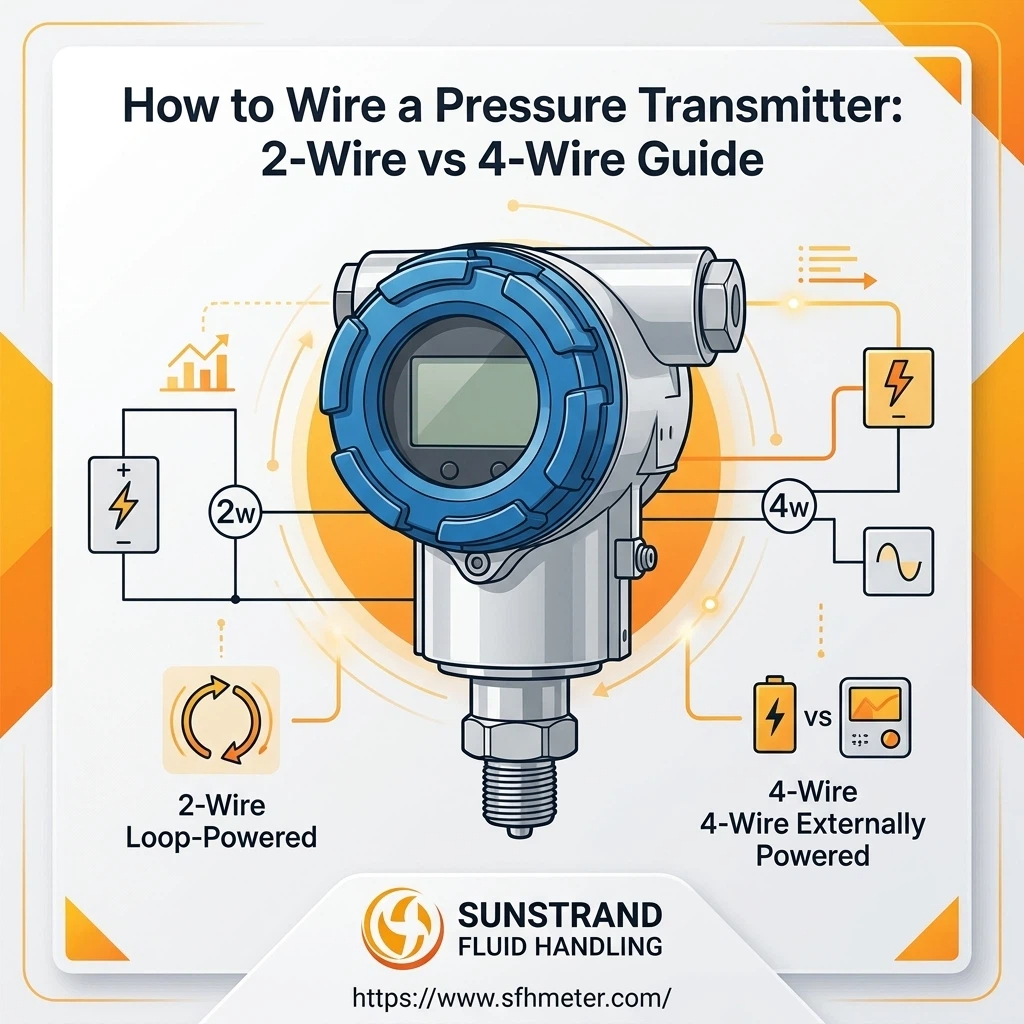
Regulators have limited integration—mechanical models offer no data output. Advanced electronic gas regulator variants can connect to PLC systems to adjust pressure remotely, but this is optional. Their integration focus is on safety interlocks.
The design of the flow meter aims at integration. It transmits data through RS485, Modbus or WiFi interfaces and can be seamlessly connected to SCADA systems, energy management software or cloud platforms. The smart gas meter models can be integrated into industrial and household management systems to achieve real-time energy consumption monitoring and automatic alarm functions.
Regulators’ safety features center on pressure protection: over-pressure relief valves, under-pressure shutoff, and leak-proof seals. Quality gas regulator models meet ANSI Z21.80 standards, with double-seal designs to prevent leaks.
Flow meters’ safety value lies in leak detection—sudden flow spikes trigger alarms. Smart gas flow meter options send real-time alerts to mobile devices or control rooms, enabling quick response to leaks and reducing safety risks.
Regulators need minimal maintenance: inspect seals and valves every 6–12 months, replace diaphragms every 2–3 years. Calibration is required every 1–2 years to ensure pressure accuracy. Well-designed gas regulator models have modular structures, making parts replacement quick and cost-effective.
Flow meters need more frequent calibration to maintain measurement accuracy. Sensors may need cleaning or replacement if exposed to dirty gas. Professional on-site calibration services are available for critical systems to reduce downtime.
Regulators have lower upfront costs: residential models start at $50–$150, industrial ones at $300–$1,000. Their long-term value comes from preventing equipment damage.
Flow meters are pricier upfront: basic models cost $200–$500, smart industrial ones at $1,000–$3,000. Their value lies in cost savings—accurate measurement reduces overbilling, and leak detection cuts waste. Quality gas flow meter options typically pay for themselves in 6–12 months via energy savings.
To summarize, gas regulator and gas flow meter serve complementary but distinct roles: Regulators are about safety and stability, flow meters about data and efficiency. Most gas systems need both—for example, a restaurant’s gas line uses a natural gas regulator to stabilize pressure for stoves and a natural gas flow meter to track monthly consumption. Even a home outdoor grill setup pairs a gas grill regulator with a compact gas flow meter for monitoring LPG usage.
The table below simplifies their key differences:
|
Feature |
Gas Regulator |
Gas Flow Meter |
|
Core Function & Purpose |
Stabilize/control pressure for safe, stable supply |
Measure flow rate/consumption for data & optimization |
|
Working Mechanism |
Spring-loaded diaphragm/piston + pressure relief valve |
Thermal mass (for precision models) / turbine/ultrasonic tech |
|
Typical Applications |
Residential lines, industrial boilers, medical gas systems |
Industrial process control, commercial catering, municipal billing |
|
Accuracy & Stability |
±0.5% pressure deviation; resists temp/pressure shocks |
±1.0% mass flow accuracy; corrosion-resistant sensors |
|
Installation Position |
Upstream, near pressure source; 5x pipe diameter straight run |
Downstream of regulators; 10x/5x upstream/downstream straight run |
|
Power Requirement |
None (mechanical); optional 24V DC (electronic SR-E) |
Battery (6-12 months) or wired 24V DC; low-power mode available |
|
System Integration |
Limited; optional PLC connection; safety interlocks focus |
RS485/Modbus/WiFi; integrates with smart building/industrial management systems |
|
Safety & Alarm |
Over-pressure relief, under-pressure shutoff, double-seal design |
Leak detection via zero-flow anomalies; real-time alerts |
|
Maintenance & Calibration |
6-12M seal inspection; 1-2Y calibration; modular design |
6-12M industrial calibration; sensor cleaning/replacement; on-site service |
|
Cost & Long-Term Value |
Lower upfront ($50-$1k); avoids equipment damage costs |
Higher upfront ($200-$3k); pays back in 6-12M via savings |
A 5,000-unit residential community in Texas needed a reliable gas supply system to serve 15,000+ residents. The challenge was maintaining consistent pressure across multiple buildings, even during peak usage.
Sunstrand provided 20 SR-200 industrial regulators and 500 SR-10 residential regulators. The SR-200’s precision pressure control ensured stable supply, while the SR-10’s compact design fit in residential gas cabinets. After installation, the community reported zero pressure-related outages, and resident complaints dropped by 90%.
A leading chemical plant in Ohio uses natural gas for reactor heating and process control. The plant needed to track gas consumption per production line to optimize costs and meet environmental regulations.
Sunstrand installed 12 FM-300 thermal mass flow meters integrated with the plant’s SCADA system. The meters provided real-time flow data with ±1.0% accuracy, allowing the plant to identify inefficient lines and adjust operations. Within 3 months, the plant reduced gas consumption by 12%, saving $240,000 annually. The meters also simplified compliance reporting by automatically logging monthly consumption data.
A national catering chain with 50+ outdoor event venues needed a portable gas solution for food trucks and temporary stalls. The key requirements were mobility, safety, and accurate consumption tracking for event budgeting.
Sunstrand supplied portable SR-50 regulators and FM-100 battery-powered flow meters. The SR-50’s compact design fit in food truck storage, while the FM-100’s WiFi connectivity let the chain track consumption per event via a cloud dashboard. The solution reduced gas waste by 20% and eliminated manual tracking errors. The chain expanded the solution to 100+ venues within a year.
Start by asking: Do you need to control gas pressure or measure consumption? If your priority is safety and stable supply, choose a regulator. If you need data for billing, budgeting, or leak detection, a flow meter is essential. For most systems, you’ll need both—pair a regulator upstream and a flow meter downstream.
Consider your operating conditions: Is the device used indoors or outdoors? What gas type are you handling? What’s the required pressure/flow range? For example, outdoor industrial use needs a gas regulator with weatherproof seals, while corrosive gas applications require a gas flow meter with stainless-steel sensors.
Don’t just focus on upfront costs—calculate long-term value. A cheaper gas regulator may save money initially but cost more in repairs if it fails. A high-quality gas flow meter may have a higher price tag but deliver savings via accurate measurement and leak detection. Factor in maintenance costs and downtime risks—industrial systems can lose $1,000+ per hour of downtime, making reliable equipment worth the investment.
Gas regulator and gas flow meter are irreplaceable components of gas systems, each playing a unique role in safety, efficiency, and cost control. Regulators ensure stable pressure to protect equipment and users, while flow meters provide the data needed to optimize operations and reduce waste. By understanding their differences, evaluating your specific needs, and leveraging trusted equipment options, you can build a gas system that’s safe, efficient, and cost-effective.
Whether you’re designing a residential gas network, optimizing an industrial process, or managing commercial catering venues, tailored gas regulator and gas flow meter solutions—backed by real-world performance and rigorous safety standards—help you meet your goals. Invest in the right tools today to avoid costly mistakes and unlock long-term value.
Q1: Can a gas regulator replace a flow meter, or vice versa?
A:No. Regulators control pressure, while flow meters measure flow rate—they serve different purposes. A regulator can’t provide consumption data, and a flow meter can’t stabilize pressure. Most systems require both for safe, efficient operation.
Q2: How often should I calibrate my Sunstrand gas regulator/flow meter?
A:For regulators: Calibrate every 1–2 years or 2–3 years. For flow meters: Calibrate every 6–12 months or 12–24 months. Sunstrand offers on-site calibration services to minimize downtime.
Q3: Are Sunstrand’s gas instruments compatible with FAAO smart systems?
A:Yes. Electronic gas regulator and smart gas flow meter models support Modbus, RS485, and WiFi connectivity, seamlessly integrating with FAAO’s smart building and industrial management systems for remote monitoring and control.
Q4: Can Sunstrand’s flow meters handle different gas types?
A:Absolutely. Most gas flow meter models are compatible with natural gas, propane, methane, butane, and other common gases. They can be calibrated for specific gas properties to ensure accurate measurement.
Q5: What safety standards do Sunstrand’s gas regulators meet?
A:Quality gas regulator models comply with ANSI Z21.80 (U.S.), EN 884 (EU), and ISO 7286 standards, ensuring leak-proof operation, over-pressure protection, and durability in harsh environments. They’re certified for residential, commercial, and industrial use.
Q6: Do I need a power supply for Sunstrand’s gas regulators?
A:Most mechanical gas regulator models require no external power—they rely on gas pressure and spring force. Electronic gas regulator variants need 24V DC power for remote control, but mechanical versions are ideal for backup or remote systems.
Q7: How can flow meters help detect gas leaks?
A:Smart gas flow meter models monitor flow rates in real time. If flow is detected when no equipment is running, the meter triggers an alert. This helps identify small leaks early, reducing safety risks and gas waste.
Q8: What’s the lifespan of Sunstrand’s gas regulators and flow meters?
A:Regulators: 5–10 years or 3–7 years. Flow meters: 5–8 years or 8–10 years . Regular maintenance extends the lifespan of both gas regulator and gas flow meter models.
Q9: Can Sunstrand’s regulators adjust to fluctuating inlet pressure?
A:Yes. Quality gas regulator models feature adaptive pressure balancing technology, which quickly responds to inlet pressure fluctuations and maintains stable outlet pressure. This makes them suitable for municipal gas networks with frequent pressure variations.
Q10: Do flow meters require professional installation to ensure accuracy?
A:For optimal accuracy, yes. Professional installation is recommended to ensure proper straight pipe runs, correct sensor positioning, and calibration matching the gas type. Installation guidance is available to avoid measurement errors caused by improper setup of gas flow meter models.
Q11: Can I use Sunstrand’s industrial regulators for residential applications?
A:It’s not recommended. Industrial gas regulator models are designed for high-pressure, heavy-duty use, while residential variants are sized for low-pressure household needs. Using industrial regulators at home may cause pressure instability and safety hazards.
Q12: How do I troubleshoot abnormal readings from Sunstrand’s flow meter?
A:First, check for pipe blockages or sensor contamination—clean the sensor if needed. Next, verify calibration status. If issues persist, use the gas flow meter’s self-diagnostic function or contact technical support for remote troubleshooting.