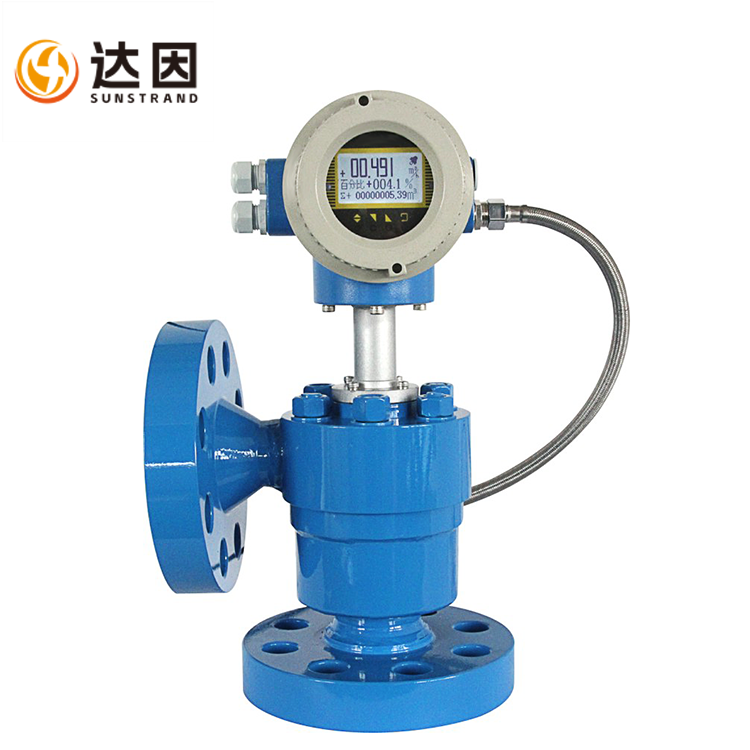


In industrial automation and process control, temperature accuracy can make or break system performance. A temperature transmitter plays a crucial role by converting sensor signals into precise, stable, and reliable readings. But how accurate is a temperature transmitter, and what factors affect its performance? In this article, we’ll explore everything you need to know about accurate temperature transmitters, how they work, and why proper calibration and quality manufacturing—like that of Sunstrand Temperature Transmitters—make all the difference.

A temperature transmitter is a device that converts the signal from a temperature sensor—like an RTD or thermocouple—into a standard output such as 4–20 mA, 0–10 V, or a digital signal. This output is then sent to a control system, PLC, or temperature indicator for monitoring and process control. In simple terms, it acts as a bridge between the temperature sensor and the control system, making sure temperature data is accurate, stable, and easy to read over long distances.Sunstrand Temperature Transmitters are designed for high precision and reliability, suitable for applications like factory automation, equipment monitoring, and laboratory testing.
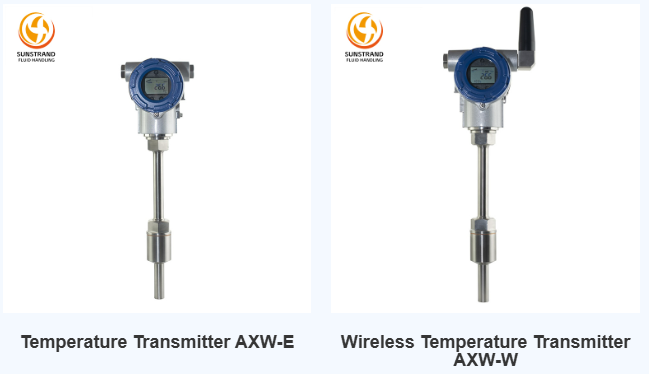
The accuracy of a temperature transmitter depends on several technical and environmental factors. A clear understanding of these variables helps ensure consistent performance in demanding industrial environments. Below are the major aspects influencing transmitter accuracy:
Most temperature transmitters deliver accuracy between ±0.1°C and ±0.5°C.
High-performance transmitters, such as the Sunstrand Temperature Transmitter, can achieve up to ±0.05°C, depending on calibration and configuration.
Accuracy is often expressed as a percentage of full-scale output (e.g., ±0.1% of span).
RTDs (Resistance Temperature Detectors):
Offer the highest accuracy and long-term stability (typically ±0.1°C to ±0.3°C).
Ideal for laboratory and precision industrial processes.
Thermocouples:
More rugged and suitable for extreme temperatures, but less precise (±0.5°C to ±1.0°C).
Common in furnaces, kilns, and power plants.
Sunstrand Temperature Transmitters are designed to support both RTD and thermocouple inputs, ensuring flexibility across various industrial systems.
Internal linearization and cold-junction compensation correct for sensor nonlinearity.
Advanced digital compensation circuits minimize noise and improve measurement repeatability.
Some models include self-diagnostics and automatic drift correction to maintain accuracy over time.
Accurate temperature transmitters from Sunstrand use precision A/D converters and temperature-stable components for minimal error.
Wiring interference or long cable lengths can degrade signal accuracy—shielded cables and proper grounding are essential.
Ambient temperature variation affects transmitter stability if not compensated properly.
Vibration, moisture, or corrosive atmospheres can cause mechanical and electrical drift.
The Sunstrand Temperature Indicator Transmitter includes rugged housings and environmental protection, ensuring reliable operation in harsh settings.
Regular calibration ensures that transmitters stay within accuracy specifications.
Over time, sensor drift or component aging can alter readings if left unchecked.
Automated or digital calibration—available in Sunstrand’s smart transmitters—enables precise field calibration without manual adjustments.
Proper maintenance schedules (every 6–12 months) are key to maintaining an accurate temperature transmitter performance.
True accuracy isn’t just initial precision—it’s how well a transmitter holds calibration over time.
Quality transmitters exhibit less than ±0.1°C drift per year.
Sunstrand Temperature Transmitters are built for long-term stability, ensuring dependable readings in continuous operation environments.
Before calibration, ensure the transmitter is clean and in stable environmental conditions. Use a reference thermometer with higher accuracy than the unit under test. A dry-block calibrator or temperature bath is ideal for generating controlled temperature points. Power the temperature indicator transmitter and connect it to the calibration source and a precision multimeter or signal calibrator to measure output.
Typically, at least three to five calibration points are used across the temperature range—such as 0°C, 50°C, 100°C, 150°C, and 200°C. For each point:
Allow sufficient time for temperature stabilization.
Record both the reference temperature and transmitter output signal (e.g., 4–20 mA).
Compare readings to identify deviation or drift.
If discrepancies exceed acceptable tolerance (e.g., ±0.1% of span), adjust the transmitter’s zero (offset) and span (gain) settings. Many Sunstrand Temperature Transmitters support digital calibration via HART or Modbus interfaces, allowing precise, software-based correction instead of manual trimming. This digital compensation also ensures better long-term consistency and simplifies recalibration in the field.
After adjustments, repeat the test points to confirm linearity and accuracy across the range. Document all calibration results, including environmental conditions, reference devices, and calibration intervals. For regulated industries—such as pharmaceuticals or food processing—these records are essential for quality assurance and compliance audits.
Regular calibration intervals depend on environmental conditions and process criticality. In most industrial applications, experts recommend calibrating transmitters every 6 to 12 months, while laboratory-grade or high-precision systems may require quarterly checks. Maintaining a structured calibration schedule ensures your accurate temperature transmitter continues to perform reliably year after year.
Temperature directly affects reaction rates, viscosity, and material properties in manufacturing.
Even a 1°C deviation can cause changes in chemical yield, alloy strength, or product purity.
Accurate transmitters maintain consistent control, ensuring uniform product quality.
In industries like pharmaceuticals or food processing, this consistency is vital for safety and regulatory compliance.
Overheating or underheating can damage machinery or reduce energy efficiency.
An accurate temperature transmitter ensures equipment operates within safe limits, reducing wear and energy consumption.
This extends the lifespan of critical assets such as boilers, pumps, and heat exchangers.
Sunstrand Temperature Transmitters are engineered to provide fast, stable feedback—protecting equipment and improving process control loops.
In hazardous environments, a small temperature error can lead to unsafe conditions or pressure buildup.
Reliable transmitters help prevent accidents by accurately triggering alarms or shutdowns.
Sunstrand’s transmitters feature self-diagnostic and fault-detection functions to ensure system safety.
Accurate readings reduce unnecessary corrections, minimizing downtime and energy waste.
Poor measurement accuracy can lead to frequent recalibration, unplanned maintenance, or material loss.
High-quality, accurate temperature transmitters reduce these costs by maintaining stability and minimizing drift.
In Industry 4.0 and smart factory systems, accurate temperature data supports predictive analytics and AI-driven process optimization.
Reliable data from temperature indicator transmitters ensures accurate trend tracking, quality assurance, and traceability.
Sunstrand’s digital transmitters integrate seamlessly with HART and Modbus systems for consistent, high-precision data communication.
Many industries follow strict accuracy standards such as ISO 9001, FDA, and IEC 60751.
An accurate temperature transmitter ensures compliance and audit readiness.
Sunstrand Temperature Transmitters are designed to meet global industrial standards, providing traceable performance and calibration documentation.
Accurate temperature monitoring optimizes energy use by preventing overheating or overcooling.
This contributes to lower carbon emissions and improved energy efficiency across operations.
Companies seeking sustainability certifications benefit from reliable Sunstrand transmitters, which support eco-friendly process control.
An accurate temperature transmitter is essential for achieving stable, efficient, and safe industrial operations. Its precision directly affects process quality, energy use, and equipment performance. With advanced signal conditioning and robust design, Sunstrand Temperature Transmitters deliver long-term accuracy and reliability across the most demanding environments.