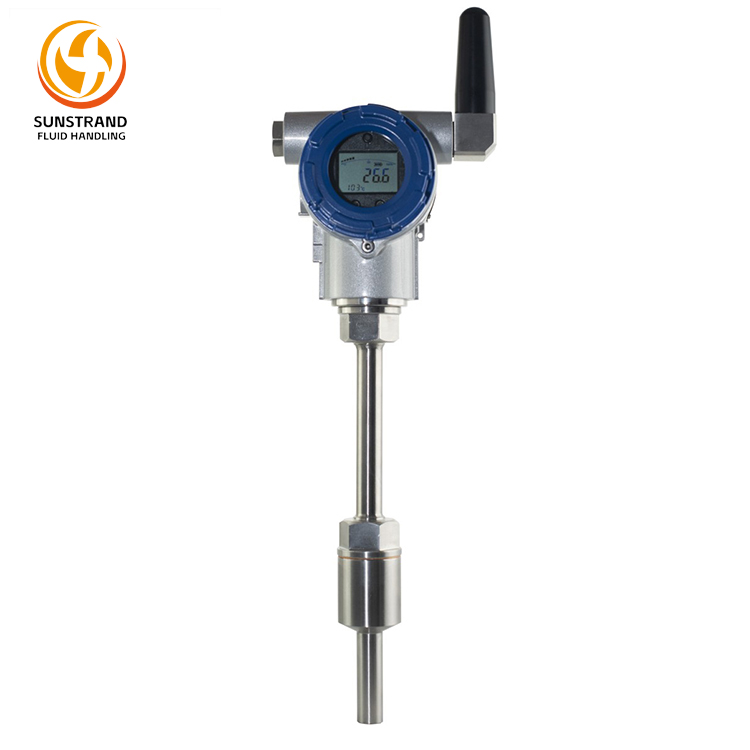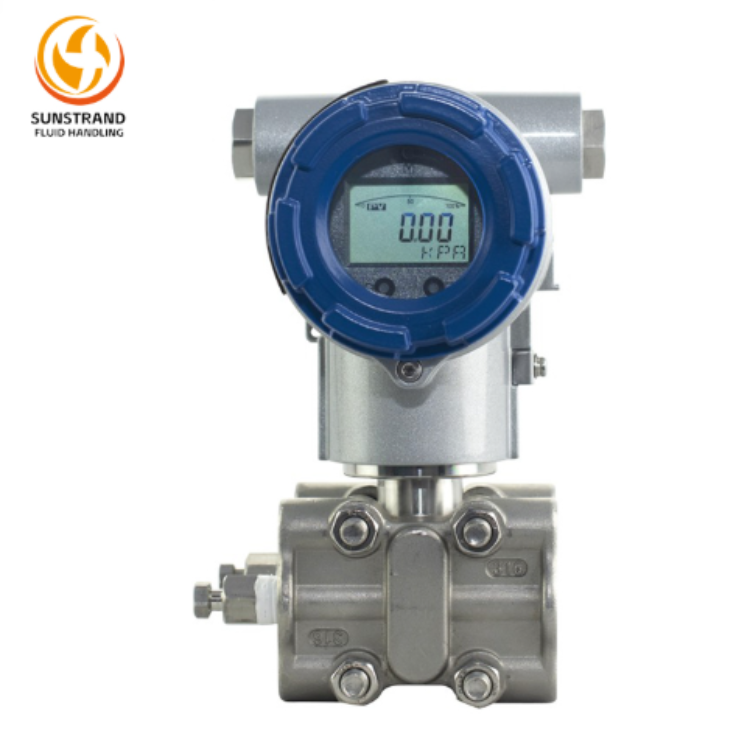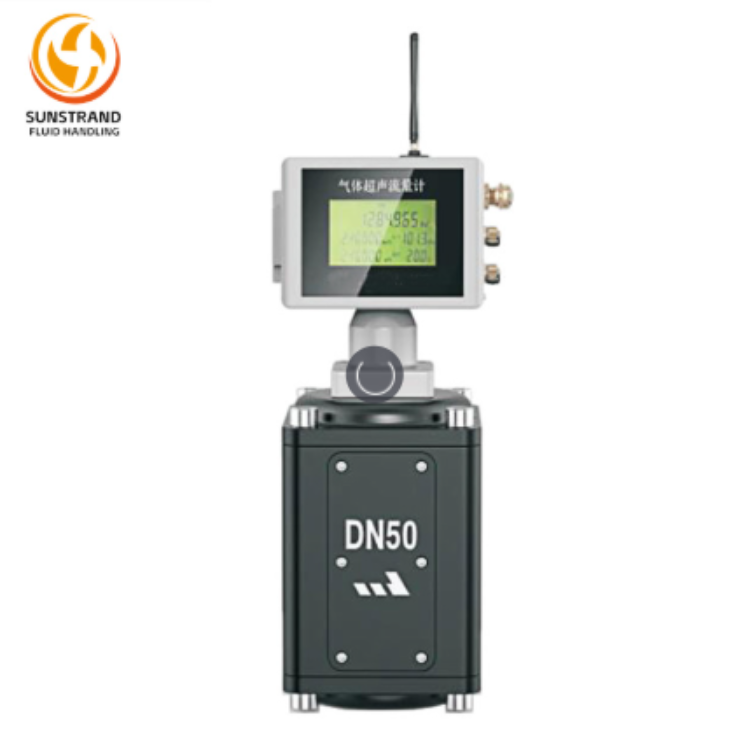

Accurate gas measurement is critical in industries like petrochemicals, natural gas transmission, and industrial automation. Even small errors in gas flow measurement can lead to operational inefficiencies, safety risks, or financial losses. Gas flow meter calibration ensures reliable readings, compliance with standards, and long-term performance. This guide walks you through a step-by-step calibration procedure, explaining tools, standards, and techniques. Whether you are using a Sunstrand Gas Flow Meter or other industrial devices, this article helps you achieve precise and repeatable results.
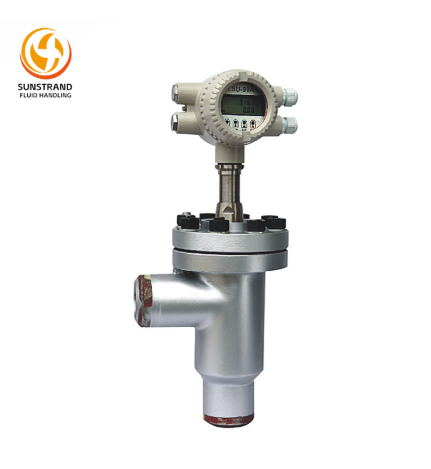
Gas flow meter calibration is the process of verifying and adjusting a flow meter’s readings to ensure accuracy against a known standard. It helps:
Maintain process efficiency
Comply with industry standards
Ensure safety and regulatory adherence
Minimize errors in custody transfer or billing
Calibration can involve mass flow meters, volumetric meters, or natural gas meters, and typically includes comparison to a reference device under controlled conditions. Sunstrand Gas Flow Meter series supports easy calibration with multiple technologies and flexible installation options.
Regular gas flow calibration ensures:
Accuracy over time: Sensors can drift due to wear, temperature, or pressure fluctuations.
Compliance: Many industries require verification against flow meter calibration standards.
Process reliability: Precise readings improve automation, control, and efficiency.
Financial control: Accurate metering avoids costly overbilling or underbilling in energy transfer.
For high-stakes industrial applications, flow meter calibration services from reputable providers like Sunstrand are essential.
Understanding calibration standards ensures correct procedures and results:
ISO 5167: Standard for differential pressure flow measurement.
AGA (American Gas Association) standards: Used for natural gas metering.
OIML R137: International recommendation for gas meters.
API standards: For custody transfer and petroleum gas applications.
Calibration must follow these flow meter calibration standards to produce traceable and certified results.
Proper calibration requires the right flow meter calibration equipment:
Calibration rigs: Water or gas-based setups with precise flow control
Reference meters: Highly accurate Coriolis, thermal, or ultrasonic meters
Pressure and temperature sensors: For PT compensation
Data acquisition systems: For logging and comparison
Calibration software: For calculation of deviations and adjustments
Sunstrand uses advanced calibration devices, including large-diameter water flow calibration systems and gas flow standard devices, to ensure industrial-grade accuracy.
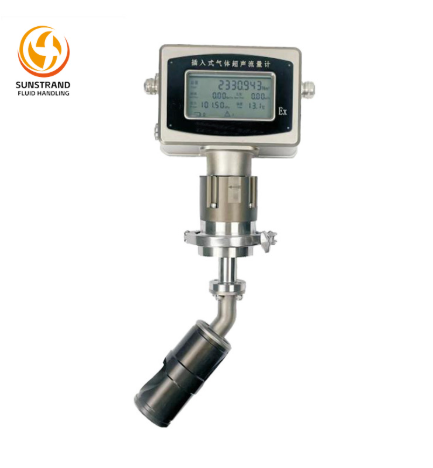
Inspect the meter body, process connections, and electrical wiring for damage, contamination, or loose fittings.
Check seals, diaphragms, and purge points.
Confirm the meter’s model, serial number and factory settings; record in the calibration report.
Verify firmware and configuration (units, gas type, PT compensation enabled).
Zero the meter (if applicable) and verify stable zero at true zero-flow conditions for several minutes.
Connect the meter under test (MUT) in parallel or series with the reference standard on the calibration rig, according to the meter type. For high-precision mass comparison, use a series setup (same flow passes both devices). For prover methods, follow the prover manufacturer procedure.
Install PT sensors close to the measurement points for accurate compensation.
Ensure proper upstream/downstream straight runs, orientation and no bypass leaks.
Let the system stabilize thermally—temperature transients cause bias.
Select test points covering meter range — typical pattern:
0% (zero) — if applicable
10% of span (low)
30% (low-mid)
50% (mid)
75% (high-mid)
100% (full scale)
Example test table
| Test Point | Reference Flow | MUT Reading | Deviation (%) | Accept/Reject |
|---|---|---|---|---|
| 10% | 10.0 Nm³/h | 10.2 Nm³/h | +2.0% | Pass if ≤ ±2.5% |
| 50% | 50.0 Nm³/h | 49.6 Nm³/h | -0.8% | Pass if ≤ ±1.0% |
| 100% | 100.0 Nm³/h | 100.5 Nm³/h | +0.5% | Pass if ≤ ±1.0% |
Acceptance criteria should reference the meter’s specification and applicable flow meter calibration standards. For custody transfer, tighter limits apply.
Slowly ramp the flow to each predefined test point. Avoid sudden surges.
At each point, allow stabilization time (depends on meter: thermal meters need longer). Typical stabilization: 30s–5 min.
Record simultaneous readings: reference standard, MUT, temperature, pressure, gas composition (if available), and timestamps.
Repeat each test point 3 cycles to evaluate repeatability.
Flow meter calibration formula (basic):
Deviation (%)=MUT Reading−ReferenceReference×100%\text{Deviation (\%)} = \frac{\text{MUT Reading} – \text{Reference}}{\text{Reference}} \times 100\%
Correction Factor (CF):
CF=Reference FlowMUT Reading\text{CF} = \frac{\text{Reference Flow}}{\text{MUT Reading}}
Apply CF to the meter’s output or document as a lookup table for different ranges.
Example: Reference = 50.0 Nm³/h; MUT = 49.6 Nm³/h
Deviation = (49.6 – 50.0)/50.0 × 100% = -0.8%
CF = 50.0 / 49.6 = 1.00806
Calculate expanded uncertainty if required by the standard: combine uncertainties from reference, repeatability, environmental effects, and instrumentation.
If deviation exceeds acceptance, adjust zero/span or apply firmware correction per manufacturer guidance (e.g., Sunstrand Gas Flow Meter allows configuration of linearization and CF entries where applicable).
Re-run the failed test points after adjustment to confirm the meter now falls within tolerance.
Do not exceed manufacturer-recommended adjustment limits; if adjustments fail, repair or replace the meter.
Flow meter calibration certificate must include:
Meter identification (type, model, serial)
Calibration date, location, and technician name
Reference standards used (with certificate numbers)
Environmental conditions (temperature, pressure) during tests
Test points, reference vs. MUT readings, deviations, CFs, uncertainty values
Acceptance criteria and final status (Pass/Fail)
Signature and traceability statement
Provide both digital and hard-copy certificates. Retain records per company policy and regulatory requirements.
Reinstall the meter in its process line following manufacturer installation good practice (straight runs, orientation, supports).
Perform a field verification at operating conditions (spot-check a few flow points) to confirm calibration holds in-situ.
Monitor the meter for a short period (24–72 hours) for unexpected drift.
Typical intervals: 6–12 months for general industrial use; 3–6 months for custody transfer or critical processes. Adjust interval based on: process conditions, historical drift, exposure to contaminants, and regulatory requirements.
Keep a maintenance log: zero drift trends, corrective actions, and parts replacement (filters, seals).
Accurate gas flow measurement is vital for safe, efficient, and cost-effective industrial operations. Following proper gas flow meter calibration procedures ensures reliable readings and compliance with standards. For high-precision, durable, and easy-to-calibrate devices, Sunstrand Gas Flow Meters provide multiple technologies, wide measurement ranges, and flexible installation options. Contact Sunstrand today to learn more about their flow meter calibration services and ensure your gas measurement systems deliver reliable, long-term performance.