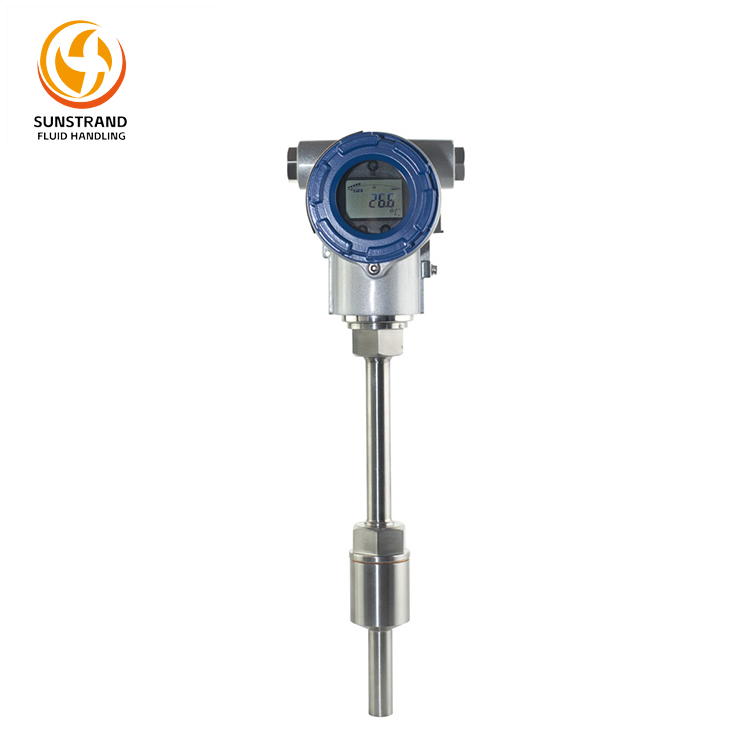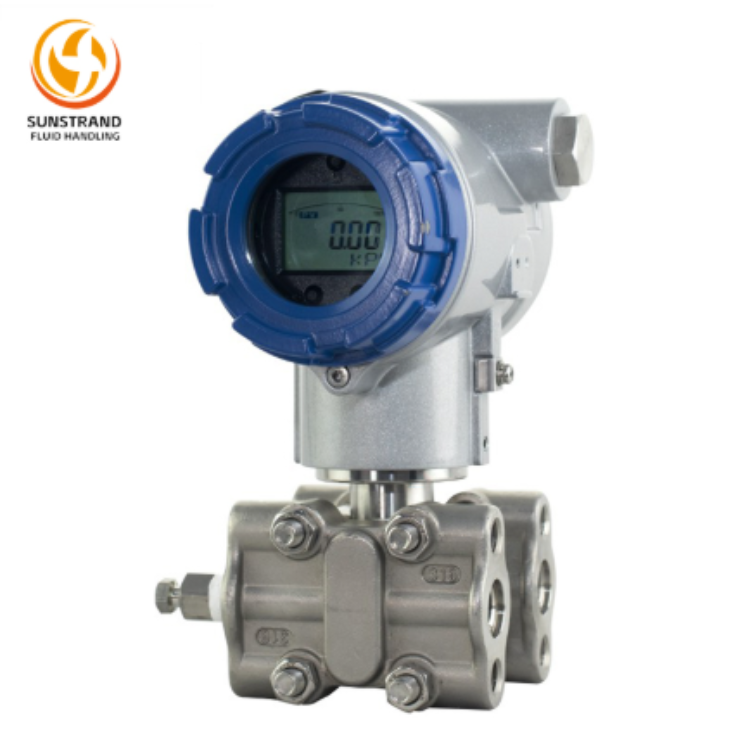

In industrial production, gas flow meters are core instruments critical to energy metering, process control, and cost management. Their accuracy and stability directly influence production safety, product quality, and economic benefits across petrochemical, natural gas transmission, metallurgy, and power generation sectors. However, complex industrial environments, diverse gas media, and improper operation and maintenance often lead to faults during long-term use.
This article sorts out typical faults, analyzes root causes, and proposes targeted troubleshooting and prevention strategies for practitioners.
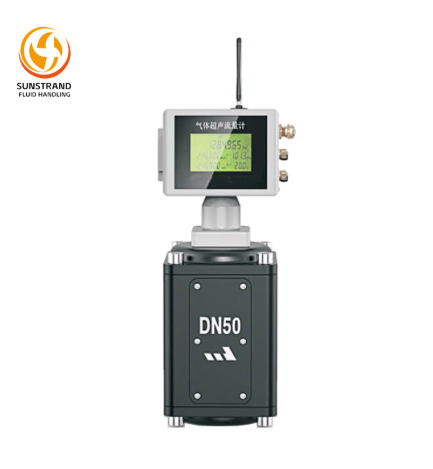
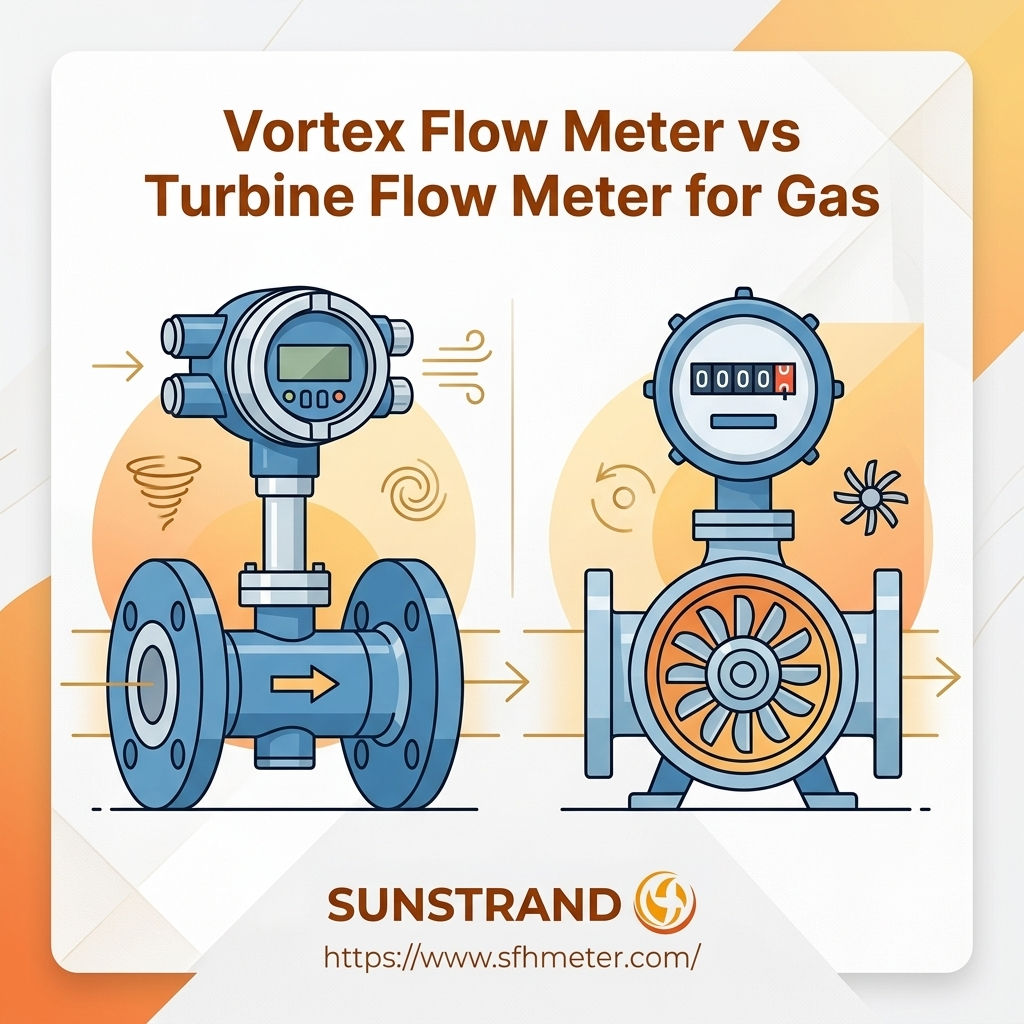
It is a device designed to measure the volume or mass flow of gas media. Gas flow meter types are diverse, and by working principle, they are categorized into differential pressure, velocity (vortex, turbine), positive displacement, and thermal mass flow meters. Each type has unique characteristics and applications: differential pressure meters are widely used for simple structure and strong adaptability; vortex meters offer high accuracy for clean gas like natural gas; positive displacement meters suit small-flow, high-precision scenarios such as urban gas metering. Natural gas flow meter, a common type of gas flow meter, is specifically tailored for natural gas transmission and supply scenarios.
|
Gas Flow Meter Type |
Core Characteristics |
Applicable Scenarios |
Reference Price Range (USD) |
|
Differential Pressure Flow Meter |
Simple structure, strong adaptability, low maintenance cost |
General industrial gas measurement, large-flow pipeline gas |
200 – 1500 |
|
Vortex Flow Meter |
High measurement accuracy, wide range ratio, no moving parts |
Clean gas measurement (e.g., natural gas, air) |
500 – 3000 |
|
Turbine Flow Meter |
Fast response, high precision, sensitive to impurities |
Pure gas, small to medium flow measurement |
800 – 4000 |
|
Positive Displacement Flow Meter |
High precision for small flow, stable performance |
Urban gas metering, small-flow industrial gas |
1000 – 5000 |
|
Thermal Mass Flow Meter |
Direct mass flow measurement, no need for temperature/pressure compensation |
Low-flow gas, clean gas (e.g., hydrogen, helium) |
1500 – 8000 |
differ significantly in advantages and limitations, which directly affect their application scope. Meanwhile, gas flow meter price varies greatly depending on factors such as material, measurement range, accuracy, and functional configuration. For enterprises, selecting a suitable gas flow meter requires balancing performance requirements and cost budget.
The operation of a gas flow meter cannot do without the seamless cooperation of core components such as sensors, signal converters, pipelines and auxiliary equipment. When gas flows through the meter body along the pipeline, the sensor will immediately capture the flow-related information and convert it into electrical or mechanical signals – just like the turbine in a turbine flow meter, which is pushed to rotate by the gas and thereby generates corresponding signals. After that, this signal will be transmitted to the converter. After processing, it can output precise flow data.
Commonly used ones include cubic meters for volumetric flow rate and kilograms per second for mass flow rate. Especially in applications related to natural gas, standard cubic meters are often used for measurement, which can make the measurement results more consistent and facilitate mutual comparison.
However, it should be noted that various factors in the industrial environment can easily interfere with this precise measurement process, eventually leading to the malfunction of the gas flow meter.
Industrial gas flow meter faults are classified into three types by cause and manifestation: measurement-related, operation-related, and environment-induced, each with distinct characteristics and impacts.
Measurement-related faults directly affect accuracy, mainly manifesting as data deviations or abnormalities.
The most obvious manifestation of this malfunction is that the measured value of the flow meter is seriously inconsistent with the actual flow rate of the gas. Take natural gas transportation as an example. If the flow meter overestimates the actual transportation volume by 20%, the calculation of energy consumption and transportation costs will be completely in a mess. In the context of chemical production, if the flow meter underreports the gas flow rate, it will directly lead to insufficient raw material supply and ultimately affect the quality of the product. Ultimately, the root causes of such problems often lie in three points: either the flow meter was not calibrated on time, or the parameters were set incorrectly, or the selected flow meter model was simply not suitable for the gas medium to be measured.
Flow data fluctuates sharply without actual flow changes, exceeding normal error ranges. This hinders accurate flow monitoring, impairs process control, and may cause equipment misoperation and production accidents.
In industrial production, operational malfunctions are often encountered. Ultimately, these malfunctions are closely related to human operation and are mostly caused by improper operation during installation, use and maintenance.
Impurities in industrial gases, such as dust, oil stains and solid particles, can easily deposit in pipes or directly adhere to the surface of sensors. Over time, this can cause blockages. Take the metallurgical industry as an example. Flying dust often blocks the pressure taking port of the differential pressure gauge or clog the sensor probe of the eddy current gauge. Eventually, either the equipment can no longer measure data at all or the measured results have such a large error that they are unusable.
Core components (sensors, turbines, bearings) are prone to wear, corrosion, or damage from improper operation. For instance, turbine meters may suffer turbine wear from particle-laden gas, reducing sensitivity; thermal mass meter sensors may corrode, causing signal distortion. This often disables the meter, requiring component replacement and leading to maintenance costs and downtime.
Harsh industrial environments (large temperature fluctuations, drastic pressure changes, strong electromagnetic interference) easily induce gas flow meter faults.
Gas volume flow is temperature-sensitive, and most meters are calibrated under standard conditions. Sharp temperature fluctuations alter gas properties, causing errors. For example, low winter temperatures reduce measured volume flow, while high workshop temperatures disrupt electronic component performance, leading to signal drift.
Pressure changes affect gas density and measurement accuracy. Sudden pipeline pressure adjustments without timely compensation cause large deviations. Excessive pressure may also damage the meter body and seals, leading to leaks.
Effective fault resolution requires in-depth root cause analysis. Main causes of industrial gas flow meter faults include improper selection, installation/operation/maintenance issues, and environmental impacts.
Improper selection is a fundamental cause. Enterprises often prioritize cost over gas medium characteristics (corrosiveness, impurities, viscosity) and industrial requirements (temperature, pressure, flow range), leading to mismatched meters. For example, using vortex meters for impurity-laden gas causes blockages; small range ratio meters for fluctuating flow result in deviations.
Non-standard installation and inadequate maintenance are key fault triggers. Installation issues include improper positioning (elbows/tees causing uneven flow), insufficient straight pipe sections, and poor sealing (gas leaks affecting accuracy). Maintenance issues involve lack of regular inspection/calibration, delayed cleaning, and operator errors (incorrect parameter adjustment).
Harsh environments are major external triggers. Temperature fluctuations alter gas properties and cause component thermal expansion; pressure changes affect density, and inadequate compensation leads to errors. Strong electromagnetic interference (from motors, frequency converters) distorts signal transmission, causing data fluctuations.
Targeted troubleshooting and solutions are required to restore meter operation and ensure measurement accuracy based on fault types and root causes.
For excessive measurement deviation faults, the first step is to check and correct the parameter settings of the gas flow meter, such as parameters related to the medium type, temperature, and pressure. Gas flow meter calibration is a key link to ensure measurement accuracy—regular calibration can effectively eliminate measurement errors caused by component wear or performance drift. If the gas flow meter has exceeded the calibration cycle, it must be sent to a professional and qualified institution for calibration immediately. For abnormal data fluctuation faults, first check whether there is electromagnetic interference around the gas flow meter. If interference exists, take anti-interference measures such as installing shielded wires and increasing the distance from the interference source. Secondly, inspect whether the sensor of the gas flow meter is loose or damaged, and re-fix or replace the sensor in time if necessary.
If there is a blockage problem, first blow off the dust with compressed air or wipe off the oil stains with a non-corrosive cleaner. Remember to recalibrate once after processing. If the core component is broken, first replace it with the original factory parts. After replacement, conduct debugging and trial operation.
Mitigate temperature impacts with real-time compensation devices and insulation/cooling measures for outdoor/high-temperature meters. Address pressure interference with compensation devices and real-time monitoring. Select anti-interference meters and shield/ground signal lines in high-electromagnetic environments.
To ensure the long-term stable operation of equipment, a complete fault prevention system is a more reliable guarantee than the effort to troubleshoot after a fault occurs. Specifically, efforts can be made from three core directions: conducting scientific selection, implementing standardized operation and maintenance, and optimizing environmental adaptability.
Scientific Selection Strategy
Scientific selection requires a comprehensive investigation of the physical and chemical properties of the measured gas and the actual working conditions of the site. For corrosive gases, select gas flow meters made of corrosion-resistant materials (such as 316L stainless steel); for natural gas measurement, choose a dedicated natural gas flow meter with good stability and strong adaptability to natural gas characteristics; for gases with high impurity content, select gas flow meter types with strong anti-blocking performance (such as ultrasonic gas flow meters). At the same time, select gas flow meters with appropriate range ratios and temperature and pressure resistance levels according to the flow, temperature, and pressure ranges of the industrial site, and balance the accuracy requirements and gas flow meter price to avoid over-selection or under-selection.
To ensure the long-term stable and precise operation of gas flow meters, we need to establish a standardized operation and maintenance management system to implement the requirements for installation, maintenance, calibration and other links.
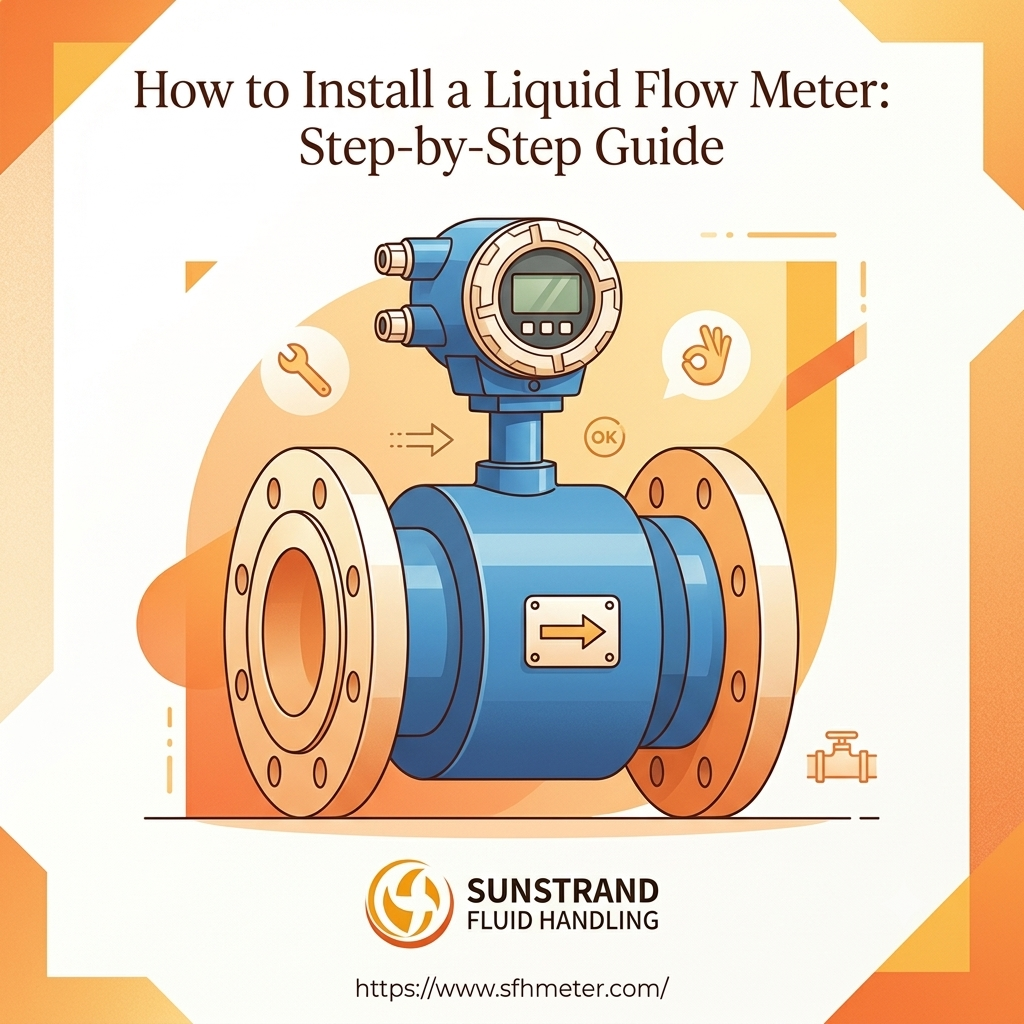
During the installation process, it is essential to strictly follow the installation specifications of the equipment. The selection of the installation location should be scientific and reasonable, ensuring that the lengths of the straight pipe sections before and after meet the standards, and at the same time, proper sealing treatment should be done. Especially for natural gas flow meters, these two points are directly related to whether gas leakage will occur and are the key to ensuring measurement accuracy. After installation is completed, comprehensive commissioning and trial operation must be carried out. Only after confirming that all functions of the equipment are normal can it be put into formal use.
Daily maintenance should not be relaxed either. On the one hand, a clear regular inspection plan should be formulated to check the operating status of the flow meter, whether the signal transmission is stable, and whether there are any abnormalities in the sealing parts on time. Moreover, the results of each inspection should be recorded and archived in detail. On the other hand, it is necessary to clean the pipelines and sensors regularly, and remove the accumulated impurities inside in time to prevent blockage problems that may affect the measurement.
Calibration work is equally indispensable. We need to establish a regular system for sending flow meters for inspection and calibration, and send them to professional testing institutions to complete calibration in accordance with relevant national standards, fundamentally ensuring the long-term measurement accuracy of the equipment.
Finally, professional training for operators should also be strengthened. Let everyone not only master the working principle of gas flow meters, but also be proficient in using the correct operation methods and parameter adjustment skills, so as to avoid equipment failures caused by improper operation from the source.
We can optimize the environmental adaptability of the equipment in a targeted manner. Specifically, in areas with significant temperature fluctuations, install temperature and pressure compensation devices on the instruments, and at the same time, do a good job in insulation or cooling treatment. In the face of an environment with strong electromagnetic interference, it is necessary to select instruments with strong anti-interference performance and pair them with shielded signal lines to ensure stable data transmission. If the equipment is in harsh working conditions, it is necessary to take protective measures against water, dust and corrosion. In addition, the working environment of the equipment should be monitored in real time. Once any abnormality occurs, adjustments should be made promptly to deal with it.
Gas flow meters are critical to industrial production safety and efficiency. Industrial faults (deviations, operation failures, environmental interference) stem from improper selection, non-standard installation/maintenance, and harsh environments. Solving these requires clarifying fault types, analyzing roots, and implementing targeted troubleshooting. More importantly, establish a prevention system (scientific selection, standardized maintenance, environmental optimization) to reduce faults, extend service life, and ensure stable production.
Q1: What should I do if the gas flow meter shows no data?
A1: First, check the power supply and restore it if faulty. Second, inspect sensors for looseness, damage, or blockage (re-fix, clean, or replace as needed). Finally, check signal lines for disconnection/poor contact and re-connect or replace.
Q2: How often should gas flow meters be calibrated?
A2: Calibration cycles follow national standards and working conditions: 1 year for trade settlement, 2-3 years for process control. Shorten the cycle for harsh environments (high temperature/pressure, high impurities).
Q3: Can the same type of gas flow meter be used for different gases?
A3: No. Different gases have distinct physical properties (density, viscosity, corrosiveness) requiring matching meter materials/structures. For example, natural gas meters may not suit corrosive gases like hydrogen sulfide; select gas-compatible meters.
Q4: How to reduce the impact of pipeline vibration on gas flow meters?
A4: Install vibration reduction devices (e.g., rubber gaskets) at connections; avoid installing near high-vibration equipment (increase distance if necessary); select anti-vibration meters (e.g., differential pressure meters) for high-vibration scenarios.