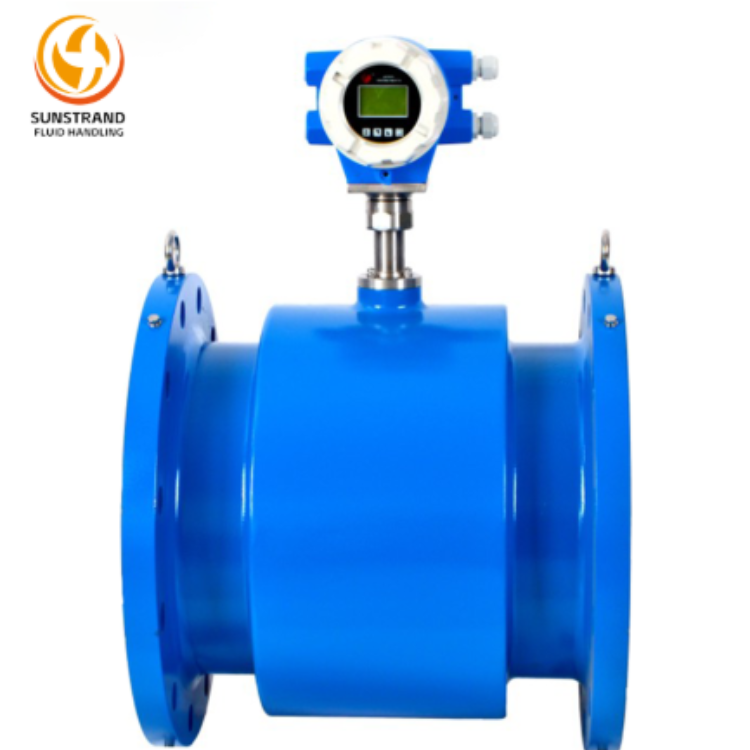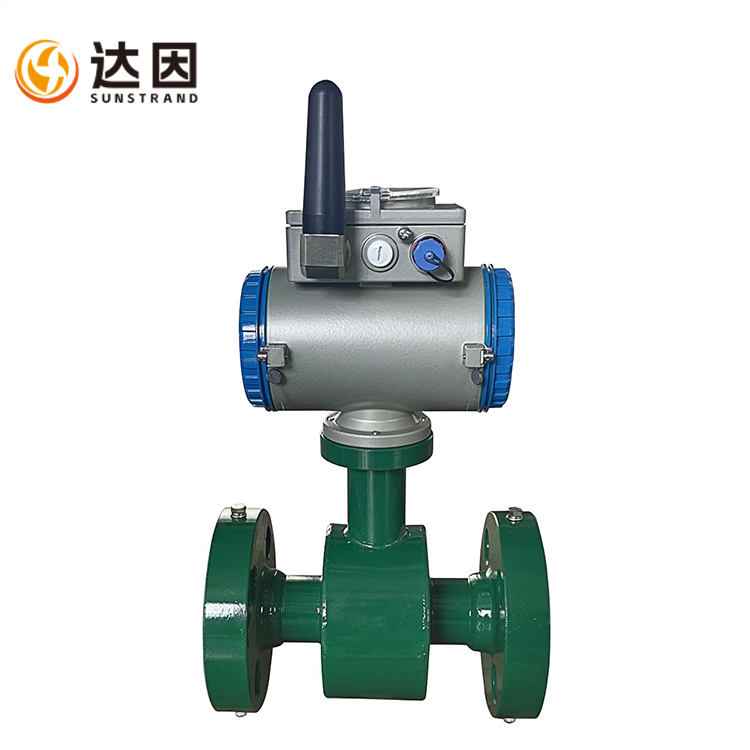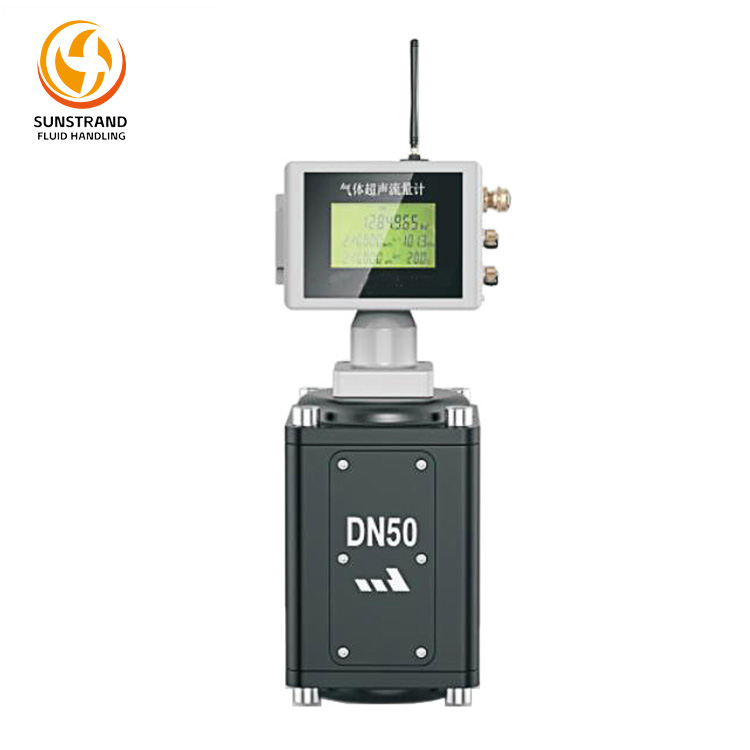

The petroleum industry is a crucial axis in the world’s energy sector, involving complex engineering processes such as exploration, transportation, storage, processing, and distribution. At every stage of this value chain, precise measurement of liquid consumption is of utmost importance. Because liquid flow directly affects operational efficiency, cost management, compliance with regulations, and safety. Liquid flow meters are the “eyes” of the petroleum industry. Technicians and managers optimize technology, prevent losses, carry out fair work, and provide necessary data to reduce environmental risks.
The petroleum industry requires specialized measuring equipment that can withstand extremely harsh excavation conditions and precisely guide the processing of products in extreme environments, maintaining high accuracy of measurements. From extracting crude oil to the circulation of gasoline, there is no measuring instrument suitable for all purposes. Correct selection of measuring instruments, understanding of application environments, and meeting performance requirements are crucial for maximizing efficiency and avoiding waste of costs.
This blog explores the most common liquid flow meter types used in the oil industry, their specific applications across upstream, midstream, and downstream sectors, critical performance requirements, real-world case studies from Sunstrand, a trusted provider of flow measurement solutions, and a step-by-step selection guide. Whether you’re involved in wellhead monitoring, pipeline management, or refinery process control, this guide will help you navigate the complexities of liquid flow measurement in the oil industry.
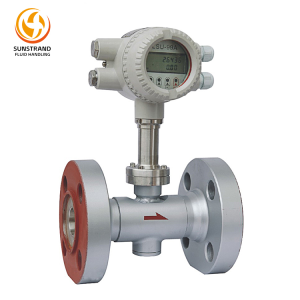
A liquid flow meter is a highly precise equipment used to accurately measure the volume, mass and flow rate of liquids in pipelines or sealed systems. In the petroleum industry, these devices are designed to address typical problems of petroleum products such as high viscosity, corrosion, high pressure, extreme temperatures, sand, water, gas and other impurities. Among various types, a liquid mass flow meter, without the need for temperature and pressure corrections, can directly measure mass, and is therefore particularly popular. Additionally, digital measurement devices have advanced functions such as data collection and remote monitoring, which can significantly improve operational efficiency.
Unlike other industries, the water systems in the petroleum industry must strike a balance between durability, durability and accuracy. They operate based on various principles such as the Coriolis effect, velocity turbine, ultrasonic transmission, arrested measurement, and Pockat current, and are designed to be suitable for the application environment. In the petroleum industry, the main function of liquid flow meters is to provide reliable and traceable data for engineering control, cost calculation and compliance monitoring of the three core purposes.
The most commonly used liquid flow meters in the petrochemical industry include Coriolis mass flow meters, turbine flow meters, ultrasonic flow meters, differential pressure flow meters and vortex flow meters. Each type has its inherent advantages and limitations, and is suitable for different stages of the petroleum value chain. To select the best solution for a specific application field, it is necessary to understand the differences between these devices.
|
Meter Type |
Key Advantages |
Limitations |
Ideal Oil Industry Sectors |
Typical Accuracy Range |
|
Coriolis Mass Flow Meters |
Direct mass flow measurement, no temp/pressure compensation, measures density/temp, no moving parts |
Higher upfront cost, sensitive to vibration |
Upstream, Downstream |
±0.1% – ±0.2% |
|
Turbine Flow Meters |
High accuracy, fast response, cost-effective, wide rangeability |
Sensitive to fluid contamination, requires temp/pressure compensation, moving parts need maintenance |
Upstream (extraction monitoring), Downstream (process control) |
±0.1% – ±0.5% |
|
Ultrasonic Flow Meters |
Non-intrusive (clamp-on), no moving parts, handles large pipe diameters, unaffected by viscosity |
Requires clean pipe interior, lower accuracy than Coriolis meters |
Midstream (pipeline flow allocation), Downstream (product transfer) |
±0.5% – ±1.0% |
|
Differential Pressure (DP) Flow Meters |
Simple design, low cost, easy to install/replace, handles harsh conditions |
Permanent pressure loss, lower accuracy, affected by fluid properties |
Downstream (refinery process control), Midstream (pipeline monitoring) |
±0.5% – ±2.0% |
|
Vortex Flow Meters |
No moving parts, low maintenance, resists fluid contamination, bidirectional measurement |
Not suitable for high-viscosity fluids, sensitive to flow disturbances |
Midstream (tank farm inventory management), Downstream (process control) |
±0.5% – ±1.5% |
The petroleum industry is divided into three main sectors: upstream, midstream, and downstream. Each sector has its own unique operational characteristics and specific flow measurement requirements. The following lists the most common uses of liquid flow meters in these fields and the types that are most suitable for various situations.
The upstream work involves underground oilfield exploration and oil extraction. These activities are carried out in remote or extreme environments. On offshore platforms, in deserts, and in polar regions, the liquid flow meters need to withstand extremely high pressures, temperature variations, and the effects of corrosive fluids. The main purpose of the initial consumption measurement is to monitor the on-site operation status, optimize efficiency, and provide accurate data for on-site design.
Wellhead flow measurement is the most crucial aspect in upstream applications as it provides real-time data on the volume and quality of crude oil extracted from the well. Coriolis mass flow meters do not require temperature compensation or pressure compensation and are ideal standard equipment for accurately measuring the amount of oil.
Coriolis mass flow meters are based on the force generated by the liquid passing through the vibrating tube and the Coriolis effect of the tube deformation. The degree of deformation is proportional to the mass flow rate. These flow meters can simultaneously measure density and temperature, providing valuable information about the composition of the oil. These data help engineers optimize the production efficiency of the oilfield, identify extraction problems, and calculate the capacity of oxygen storage.
In offshore wellheads, Coriolis mass flow meters have been developed under conditions of high pressure, extreme temperatures, salt water, and corrosive fluids such as hydrogen sulfide. Their compact design offers an ideal choice for the limited space of offshore platforms. The configuration without a panel reduces maintenance costs and provides significant benefits in remote areas. The major oil company in West Texas, a large oil producer, replaced the traditional three-phase testing separator with Coriolis flow meters, enabling daily well tests and significantly reducing maintenance costs.
Turbine pressure gauges are widely used in oil extraction, especially in onshore oil fields and pipelines. Their working principle is quite simple. When oil flows, the wing rotates and reacts proportionally to the flow rate. Due to their high accuracy, fast response speed and wide measurement range, turbine boosters are particularly popular and are the most ideal for monitoring changes in flow during transportation.
During the extraction of crude oil, turbine flow meters are installed in the gathering and transportation pipelines to measure the flow of crude oil flowing from multiple oil wells to the central processing facility. These data provide real-time information on the production volume of the oil wells, allowing engineers to identify the oil wells and adjust transportation parameters to optimize the extraction efficiency. Additionally, turbine meters are set at the outlet of the separator to measure the flow of oil after the removal of water and gas.
During the crude oil distillation process, Turbine meters can withstand high pressure. They are made of corrosion-resistant materials such as stainless steel or alloys. Made of tungsten carbide, they can prevent corrosion by hydrogen sulfide and salt water. Many modern models have an oil pressure control module, which can detect leaks and ensure a seal. However, Turbine meters are very sensitive to liquid contaminants. To prevent damage to the turbine blades, high-pressure filters should be frequently installed. For high-viscosity crude oil, a thermal system and Turbine meters can be used for volumetric measurement, thereby reducing viscosity and ensuring accurate measurement.
The midstream business involves the transportation and storage of crude oil and refined oil products. This industry includes long-distance pipelines, oil tanks, terminals, etc. Flow measurement is crucial for charging, pipeline safety, and warehouse management. The midstream flow meters must be extremely accurate and reliable.
Long-distance pipelines are the backbone of midstream transportation, moving millions of barrels of crude oil and refined products across continents. Pipeline flow allocation—the process of dividing the flow between multiple stakeholders—requires highly accurate flow measurement, making ultrasonic liquid flow meters the preferred choice.
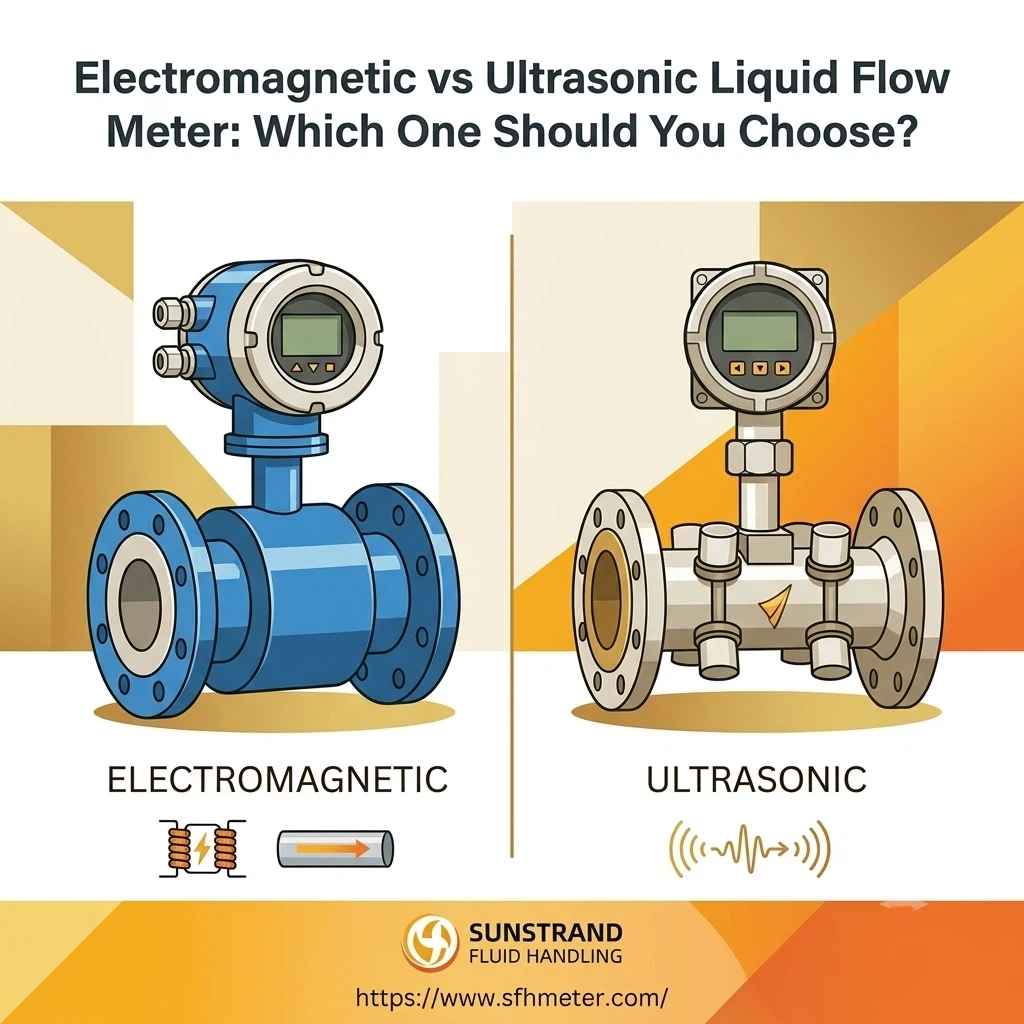
Ultrasonic flow meters operate by transmitting ultrasonic waves through the fluid; the time it takes for the waves to travel upstream and downstream is used to calculate flow velocity. There are two main types of ultrasonic meters used in pipelines: clamp-on and inline. Clamp-on ultrasonic meters are ideal for existing pipelines, as they can be installed without shutting down operations, while inline ultrasonic meters are used for new pipeline installations, offering higher accuracy.
Ultrasonic flow meters are valued for their high accuracy, wide flow range, and lack of moving parts—reducing maintenance needs. They can handle large pipe diameters and high flow rates, making them suitable for long-distance pipelines. Additionally, ultrasonic meters are not affected by fluid viscosity or density, making them ideal for measuring both crude oil and refined products. In pipeline flow allocation, ultrasonic meters provide traceable data that ensures fair distribution of costs and revenues among stakeholders. They can also detect flow anomalies, such as leaks, by monitoring sudden changes in flow rate, enhancing pipeline safety.
Tank farms are critical midstream facilities used for storing crude oil and refined products. Inventory management—tracking the volume of liquid in storage tanks—requires accurate flow measurement of liquids entering and exiting the tanks. Vortex flow meters are widely used for this application, thanks to their ability to measure flow rates in both directions (inflow and outflow) and their resistance to fluid contamination.
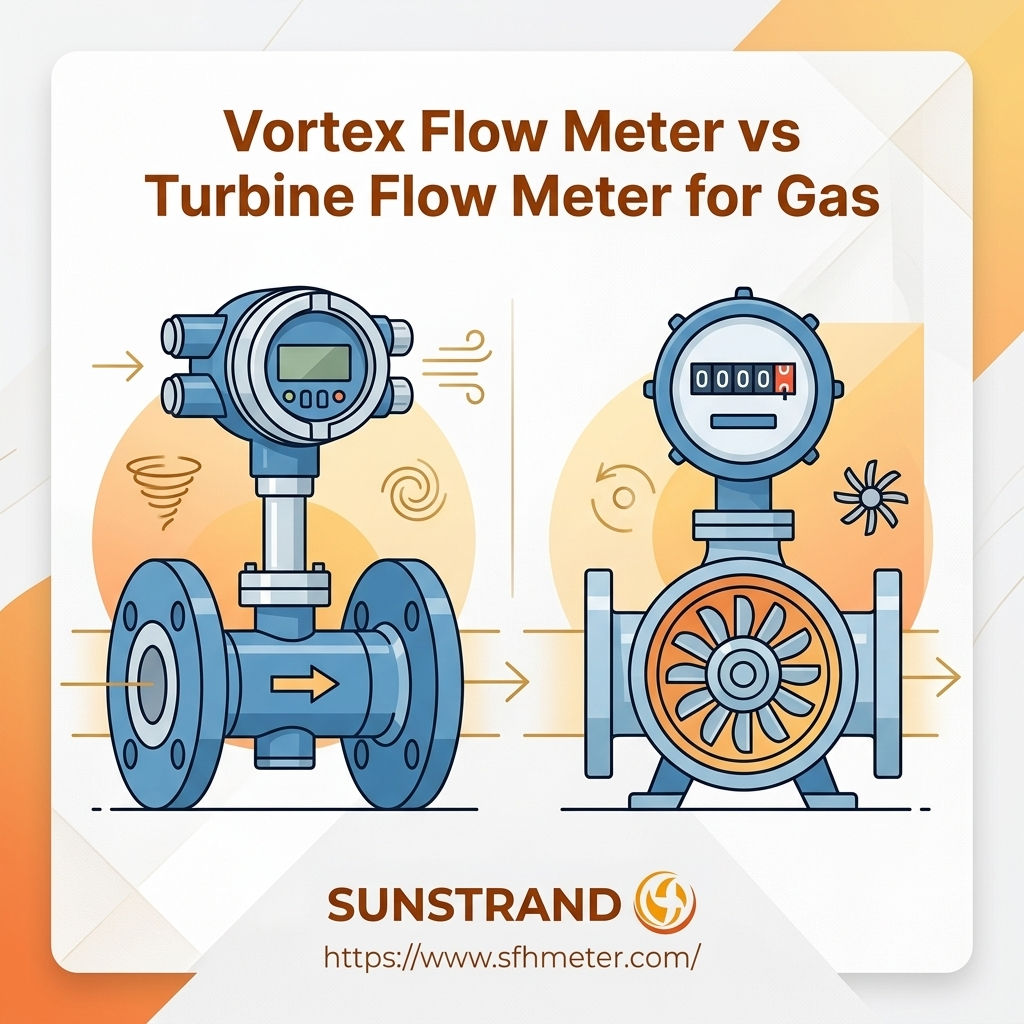
Vortex flow meters operate based on the von Kármán effect: as fluid flows past a bluff body in the meter, it creates alternating vortices. The frequency of these vortices is directly proportional to the flow rate. Vortex meters are simple in design, with no moving parts, making them durable and low-maintenance—ideal for tank farm environments where reliability is key. They can measure both liquid and gas flow, but in tank farm inventory management, they are primarily used for liquid flow measurement.
In tank farm operations, vortex flow meters are installed at the inlet and outlet of each storage tank to measure the flow of liquid entering and exiting. The data from these meters is used to calculate the inventory level in each tank, ensuring accurate record-keeping for regulatory compliance and business operations. Vortex meters are also resistant to the presence of solids, making them suitable for tank farm applications where fluid purity can vary. They can operate in a wide range of temperatures and pressures, adapting to the varying conditions of tank farm operations.
Downstream operations involve the refining of crude oil into finished products and the distribution of these products to consumers. Downstream flow measurement is critical for process control, product quality, and custody transfer. Refineries operate in high-temperature, high-pressure environments with corrosive fluids, requiring flow meters that are precise, durable, and compatible with a wide range of product types.
Refinery process control involves monitoring and adjusting the flow of fluids through various refining processes, such as distillation, cracking, and hydrotreating. Differential Pressure flow meters are the most widely used meter type for this application, thanks to their simplicity, durability, and ability to handle a wide range of fluids and operating conditions.
DP flow meters operate based on Bernoulli’s principle: as fluid flows through a restriction in the pipeline, the velocity increases, and the pressure decreases. The difference in pressure between the upstream and downstream sides of the restriction is used to calculate the flow rate. Common types of DP flow meters used in refineries include orifice plate meters, venturi tube meters, and pitot tube meters—each suited to specific process requirements.
In refinery process control, DP flow meters are used to monitor the flow of crude oil into distillation columns, the flow of intermediates between processing units, and the flow of finished products into storage tanks. They provide real-time data that allows engineers to adjust process parameters to ensure product quality and optimize efficiency. For example, orifice plate meters are used to measure crude oil flow during transfer operations, ensuring accurate process control and custody transfer. While DP meters have a permanent pressure loss due to the flow restriction, their simplicity and low cost make them ideal for large-scale refinery operations. They are also easy to install and replace, minimizing downtime during maintenance.
Product transfer and custody transfer are critical downstream applications, where the ownership of refined products changes hands. These applications require the highest level of accuracy, as even small measurement errors can result in significant financial losses. Coriolis mass flow meters are the preferred choice for custody transfer in the downstream oil industry, as they provide unmatched accuracy and direct mass flow measurement.
In product transfer, Coriolis mass flow meters are used to measure the flow of refined products from refineries to tankers, trucks, or pipelines. They ensure that the amount of product transferred matches the agreed-upon quantity, preventing disputes between buyers and sellers. Coriolis meters are also used in retail fueling stations, where they measure the flow of gasoline or diesel into vehicles, ensuring accurate billing for consumers.
Custody transfer applications require flow meters to comply with international standards, such as API and OIML (International Organization of Legal Metrology). Coriolis mass flow meters meet these standards, providing traceable measurement data that is legally recognized for trade purposes. They can also measure density and temperature, allowing for accurate conversion between mass and volume—critical for custody transfer, where products are often sold by volume. Additionally, Coriolis meters are not affected by fluid viscosity or density changes, ensuring consistent accuracy even when measuring different refined products. Sunstrand’s Coriolis mass flow meters, for example, are designed with high-precision sensors and advanced signal processing to meet the strict requirements of downstream custody transfer.
Liquid flow meters used in the oil industry must meet strict performance requirements to withstand the sector’s harsh conditions and deliver reliable, accurate data. Below are the three most critical performance requirements for oil industry liquid flow meters.
Accuracy is the most critical performance requirement for oil industry liquid flow meters, especially in custody transfer applications. Even a small error can result in millions of dollars in financial losses over time. For example, a 0.5% error in measuring a pipeline transporting 1 million barrels of crude oil per day translates to a loss of 5,000 barrels per day—equivalent to hundreds of thousands of dollars in revenue.
Custody transfer compliance is another key requirement. Flow meters used for custody transfer must meet international standards, such as API MPMS (Manual of Petroleum Measurement Standards) and OIML R117. These standards specify the accuracy, calibration, and documentation requirements for flow meters used in trade. For example, API MPMS Chapter 5.3 requires Coriolis mass flow meters used for crude oil custody transfer to have an accuracy of ±0.2% or better. Flow meters must also be calibrated regularly by accredited laboratories providing professional liquid flow meter calibration services to ensure they maintain their accuracy over time. Calibration certificates must be traceable to national or international standards to ensure compliance with regulatory requirements.
The oil industry deals with flammable, toxic, and corrosive liquids, making sealing and leak-proof performance critical for safety and environmental protection. A single leak can result in environmental damage, safety hazards, and costly cleanup operations. Liquid flow meters must be designed with robust sealing systems to prevent leaks, even under high pressure and temperature conditions.
Sealing systems for oil industry flow meters typically include gaskets, O-rings, and valve stems made of high-performance materials that are resistant to corrosion and high temperatures. A sealing liquid flow meter monitor is a critical component for real-time leak detection, alerting operators to any sealing failures before they escalate into safety hazards or environmental damage. In high-pressure applications, flow meters are equipped with double-seal systems to provide an extra layer of protection. Additionally, flow meters must be tested for leak-proof performance before installation, using pressure testing methods that simulate real-world operating conditions. For offshore applications, flow meters must also be designed to withstand saltwater corrosion and harsh marine environments, with sealed enclosures to protect internal components from water damage.
Oil industry operations take place in some of the harshest environments on Earth, including offshore platforms, desert oilfields, and arctic regions. Liquid flow meters must be designed to withstand these conditions, with rugged construction and components that can operate reliably in extreme temperatures, high pressure, and corrosive environments.
Key environmental adaptability requirements include: temperature range, pressure rating, corrosion resistance, and dust/water protection. Flow meters used in offshore applications must also be designed to withstand vibration and shock, as well as comply with marine safety standards. For example, Coriolis mass flow meters used in offshore wellheads are constructed with stainless steel or Hastelloy bodies to resist corrosion, and their internal components are protected from vibration to ensure accurate measurement. Turbine meters used in desert environments are equipped with dust-proof enclosures to prevent sand from entering the meter and damaging the turbine wheel. Additionally, flow meters must have a high degree of reliability, with long service lives and minimal maintenance needs, to reduce downtime in remote locations where maintenance is difficult and costly.
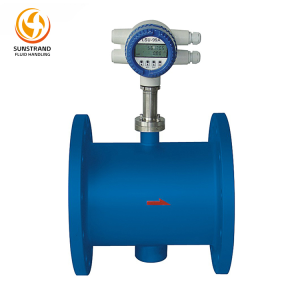
Sunstrand is a leading provider of flow measurement solutions for the oil industry, offering a comprehensive range of liquid flow meters tailored to upstream, midstream, and downstream applications. Below are three real-world case studies highlighting how Sunstrand’s flow meter solutions have solved critical challenges for oil industry clients.
A major oil refinery in East China was experiencing significant measurement errors with its existing turbine flow meters during crude oil custody transfer. The refinery receives over 5 million barrels of crude oil per month from offshore platforms, and the turbine meters were consistently underreporting flow rates by 1-2%—resulting in annual financial losses of over $1 million. Additionally, the turbine meters required frequent maintenance due to wear from crude oil impurities, leading to unplanned downtime.
Sunstrand’s engineering team conducted a thorough assessment of the application and recommended replacing the turbine meters with its ZC-Coriolis Series Coriolis Mass Flow Meters. These meters are designed for high-accuracy custody transfer, with an accuracy of ±0.1% and compliance with API MPMS Chapter 5.3. They feature a dual-tube design that minimizes the impact of vibration, a key issue in the refinery’s pipeline system, and are constructed with Hastelloy C-276 to resist corrosion from H₂S and crude oil impurities.
After installation, the ZC-Coriolis meters eliminated measurement errors, providing accurate, traceable data for custody transfer. The refinery’s financial losses due to measurement errors were reduced to zero, and maintenance requirements were cut by 70%—thanks to the meters’ lack of moving parts. The meters also provided additional data on crude oil density and temperature, allowing the refinery to optimize its refining processes. This case study demonstrates the value of Coriolis mass flow meters in custody transfer applications, delivering accuracy, reliability, and cost savings.
A midstream pipeline operator in North America was struggling with inaccurate flow measurement in a 36-inch crude oil pipeline, leading to inefficiencies in flow allocation and frequent disputes between stakeholders. The operator’s existing ultrasonic meters were unable to handle the pipeline’s high flow rates and were prone to errors due to fluid turbulence caused by pipeline bends.
Sunstrand recommended its ZC-DP Series Differential Pressure Flow Meters with venturi tube design, which are specifically engineered for large-diameter pipelines and high flow rates. The venturi tube design minimizes pressure loss and provides high accuracy (±0.5%) even in turbulent flow conditions. The meters were equipped with advanced pressure sensors and signal processing technology to compensate for temperature and pressure changes, ensuring consistent accuracy.
After installation, the ZC-DP meters provided reliable flow data for pipeline flow allocation, resolving disputes between stakeholders. The venturi tube design reduced pressure loss by 30% compared to the existing ultrasonic meters, improving pipeline efficiency and reducing energy costs. The meters also required minimal maintenance, with a service life of over 10 years, reducing the operator’s long-term costs. This case study highlights the effectiveness of differential pressure flow meters in large-diameter pipeline monitoring applications.
A large refinery in the Middle East needed to upgrade its flow measurement system for process control, as its existing meters were outdated and unable to provide the precision required for modern refining processes. The refinery’s distillation and cracking units required accurate flow measurement of crude oil, intermediates, and finished products to ensure product quality and optimize efficiency.
Sunstrand provided a customized solution featuring its ZC-Turbine Series Turbine Flow Meters for crude oil and intermediate flow measurement, ZC-Ultrasonic Series Inline Ultrasonic Flow Meters for finished product measurement, and advanced digital liquid flow meter models integrated with smart monitoring systems. The ZC-Turbine meters were installed in the refinery’s gathering lines and distillation columns, providing high accuracy (±0.2%) and fast response time to monitor variable flow rates. The ZC-Ultrasonic meters were installed in the finished product lines, offering wide rangeability and resistance to corrosion from refined products. The digital liquid flow meter units enabled real-time data transmission to the refinery’s SCADA system, allowing for remote monitoring, data analysis, and proactive maintenance scheduling.
The upgraded flow measurement system improved process control accuracy by 40%, reducing product defects and increasing refining efficiency. The ZC-Turbine meters’ durable design with wear-resistant impellers reduced maintenance downtime by 60%, while the ZC-Ultrasonic meters’ non-intrusive design allowed for easy installation and maintenance. The refinery also integrated the flow meters with its SCADA system, enabling real-time monitoring and remote control of flow rates. This case study demonstrates how a combination of turbine and ultrasonic flow meters can meet the diverse process control needs of a refinery.
Choosing the right liquid flow meter for an oil industry application requires careful consideration of application requirements, technical parameters, and long-term value. Below is a step-by-step guide to help you select the optimal flow meter for your needs.
The first step in selecting a liquid flow meter is to clearly define your application scenario, including: the sector, the type of fluid being measured, flow rate range, operating conditions, and the purpose of measurement.
For example: if you need to measure crude oil at a wellhead (upstream), you will need a rugged, high-pressure meter with high accuracy. If you need to measure flow in a long-distance pipeline (midstream), an ultrasonic flow meter with wide rangeability and low pressure loss is ideal. If you need to measure refined products for custody transfer (downstream), a Coriolis mass flow meter with API compliance is required. Defining your application scenario will narrow down the list of suitable meter types and help you focus on the most critical features.
Once you have defined your application scenario, the next step is to evaluate the technical parameters of potential flow meters, including: accuracy, rangeability, temperature and pressure rating, corrosion resistance, and compatibility with the fluid being measured.
Key technical parameters to consider:
Accuracy: For custody transfer, aim for ±0.1% to ±0.2% accuracy; for process control, ±0.5% to ±1.0% is acceptable.
Rangeability: The ratio of maximum to minimum flow rate the meter can measure. For applications with variable flow rates, choose a meter with high rangeability (50:1 or higher).
Temperature and pressure rating: Ensure the meter can withstand the maximum operating temperature and pressure of your application.
Corrosion resistance: Select a meter with materials that are resistant to the fluid being measured.
Fluid compatibility: Ensure the meter is compatible with the fluid’s viscosity, density, and impurity content. For example, turbine meters are not suitable for highly viscous fluids, while a liquid mass flow meter like Coriolis meters are unaffected by viscosity.
Additional features: Consider whether a digital liquid flow meter with smart monitoring or a sealing liquid flow meter monitor is needed for enhanced safety and efficiency.
Finally, consider the maintenance requirements and long-term value of the flow meter. In the oil industry, especially in remote locations, maintenance can be costly and time-consuming, so choosing a meter with low maintenance needs is critical. Meters with no moving parts require less maintenance than meters with moving parts.
Other factors to consider include:
Service life: Choose a meter with a long service life (10 years or more) to reduce replacement costs.
Calibration frequency: Meters used for custody transfer require more frequent calibration (every 6-12 months) than meters used for process control (every 12-24 months); partnering with a reliable provider of liquid flow meter calibration services ensures compliance and accuracy.
Supplier support: Select a supplier with a strong global support network, including calibration services, spare parts, and technical assistance.
Total cost of ownership (TCO): Consider not just the initial purchase price, but also maintenance costs, liquid flow meter calibration services costs, and downtime costs. A higher-priced meter with low maintenance needs (such as a digital liquid flow meter or liquid mass flow meter) may have a lower TCO over its service life than a cheaper meter with frequent maintenance requirements.
Liquid flow meters are critical components of the oil industry, providing accurate, reliable data that enables efficient, safe, and compliant operations across upstream, midstream, and downstream sectors. The right flow meter can optimize processes, reduce costs, prevent disputes, and mitigate environmental risks—while the wrong meter can lead to significant financial losses and operational inefficiencies.
This blog has explored the most common liquid flow meter types used in the oil industry, their specific applications, critical performance requirements, real-world case studies from Sunstrand, and a step-by-step selection guide. From liquid mass flow meter options like Coriolis meters for custody transfer to differential pressure flow meters for refinery process control, each meter type has distinct advantages and limitations that make it suitable for specific applications. We’ve also highlighted the importance of liquid flow meter calibration services, sealing liquid flow meter monitor systems for safety, and digital liquid flow meter technologies for enhanced monitoring and efficiency.
When selecting a liquid flow meter for the oil industry, it is essential to define your application scenario, evaluate technical parameters, and consider maintenance and long-term value. By following these steps and partnering with a trusted supplier like Sunstrand, you can ensure that you choose the right flow meter for your needs, unlocking operational value and achieving long-term success in the dynamic oil industry.
Q1: What is the most accurate liquid flow meter type for oil industry custody transfer?
Coriolis mass flow meters are the most accurate liquid flow meter type for oil industry custody transfer, with an accuracy of ±0.1% to ±0.2%. They measure mass flow directly, eliminating the need for temperature and pressure compensation, and comply with international standards for trade. Their ability to measure density and temperature simultaneously also makes them ideal for custody transfer, where product quality and quantity are critical.
Q2: Can ultrasonic flow meters be used for crude oil pipeline measurement?
Yes, ultrasonic flow meters are widely used for crude oil pipeline measurement, especially in midstream long-distance pipelines. They offer high accuracy (±0.5% to ±1.0%), wide rangeability, and can handle large pipe diameters (up to 100 inches) and high flow rates. Clamp-on ultrasonic meters are ideal for existing pipelines, as they can be installed without shutting down operations, while inline ultrasonic meters are used for new installations. They are not affected by fluid viscosity or density, making them suitable for crude oil measurement. However, they require a clean pipe interior to ensure accurate ultrasonic wave transmission.
Q3: What performance requirements are critical for upstream oil industry flow meters?
Upstream oil industry flow meters must meet three critical performance requirements: high accuracy (to monitor well performance and reservoir management), rugged construction (to withstand extreme pressure, temperature, and corrosion), and leak-proof sealing (to prevent environmental damage and safety hazards). They must also have a high degree of reliability and low maintenance needs, as upstream operations are often in remote locations. Materials such as Hastelloy and stainless steel are commonly used to resist corrosion from H₂S and saltwater, and meters must be rated for high pressure (up to 15,000 psi) and extreme temperatures (-40°C to 150°C).
Q4: How often should oil industry liquid flow meters be calibrated?
Calibration frequency depends on the application and meter type. For custody transfer applications, flow meters should be calibrated every 6-12 months to ensure compliance with international standards and maintain accuracy. For process control applications, calibration every 12-24 months is sufficient. Meters used in harsh environments (e.g., upstream wellheads, offshore platforms) may require more frequent calibration (every 6 months) due to accelerated wear and environmental stress. Calibration should be performed by an accredited laboratory, and results should be traceable to national or international standards (e.g., NIST).
Q5: What is the difference between turbine and Coriolis flow meters for crude oil measurement?
Turbine flow meters measure volume flow based on the rotational speed of a turbine wheel, while Coriolis flow meters measure mass flow directly based on the Coriolis effect. Turbine meters are more cost-effective and have a fast response time, making them ideal for upstream extraction monitoring and process control. However, they are sensitive to fluid contamination (e.g., sand) and require temperature/pressure compensation for accurate measurement. Coriolis meters are more accurate, unaffected by fluid viscosity or density, and require no compensation, making them ideal for custody transfer and wellhead measurement. They have no moving parts, reducing maintenance needs, but are more expensive upfront. The choice between the two depends on the application’s accuracy requirements, budget, and operating conditions.
Q6: Are vortex flow meters suitable for high-viscosity crude oil measurement?
Vortex flow meters are generally not ideal for high-viscosity crude oil measurement. They perform best with low to medium viscosity fluids (typically below 100 cP) because high viscosity can dampen the vortex formation, leading to inaccurate readings. For high-viscosity crude oil, Coriolis mass flow meters or positive displacement flow meters are better suited, as they are unaffected by viscosity changes and can maintain accuracy even with thick fluids.
Q7: What materials are best for liquid flow meters used in offshore oil applications?
For offshore oil applications, liquid flow meters should be constructed with corrosion-resistant materials to withstand saltwater, humidity, and hydrogen sulfide (H₂S). Common materials include Hastelloy C-276, duplex stainless steel, and titanium, which offer excellent resistance to corrosion and harsh marine environments. The meter’s enclosure should also be rated IP67 or IP68 to protect internal components from water and dust, and components should be vibration-resistant to handle the dynamic conditions of offshore platforms.
Q8: Can differential pressure (DP) flow meters be used for custody transfer in the oil industry?
While DP flow meters are widely used for process control in the oil industry, they are not the first choice for custody transfer. This is because they have lower accuracy compared to Coriolis mass flow meters, and their performance can be affected by fluid viscosity, density, and pipeline conditions. However, in some cases, DP flow meters with venturi tube designs can be used for custody transfer of crude oil or refined products if they meet API MPMS standards and are regularly calibrated to maintain accuracy.
Q9: How do liquid flow meters help in preventing pipeline leaks in the midstream sector?
Liquid flow meters play a key role in leak detection by monitoring flow rate changes in pipelines. Ultrasonic and Coriolis flow meters, in particular, provide real-time flow data that can be integrated with leak detection systems. Sudden drops or spikes in flow rate can indicate a leak, triggering alerts for operators to investigate. Additionally, flow meters installed at multiple points along a pipeline can help pinpoint the location of a leak by comparing flow rates at different segments.
Q10: What factors should be considered when selecting a liquid flow meter for refinery process control?
When selecting a liquid flow meter for refinery process control, key factors include: compatibility with the fluid, accuracy (±0.5% to ±1.0% is typical for process control), temperature and pressure ratings, maintenance needs, and compatibility with the refinery’s SCADA system for real-time monitoring. DP flow meters, turbine meters, and ultrasonic meters are commonly used for refinery process control, depending on the specific application.