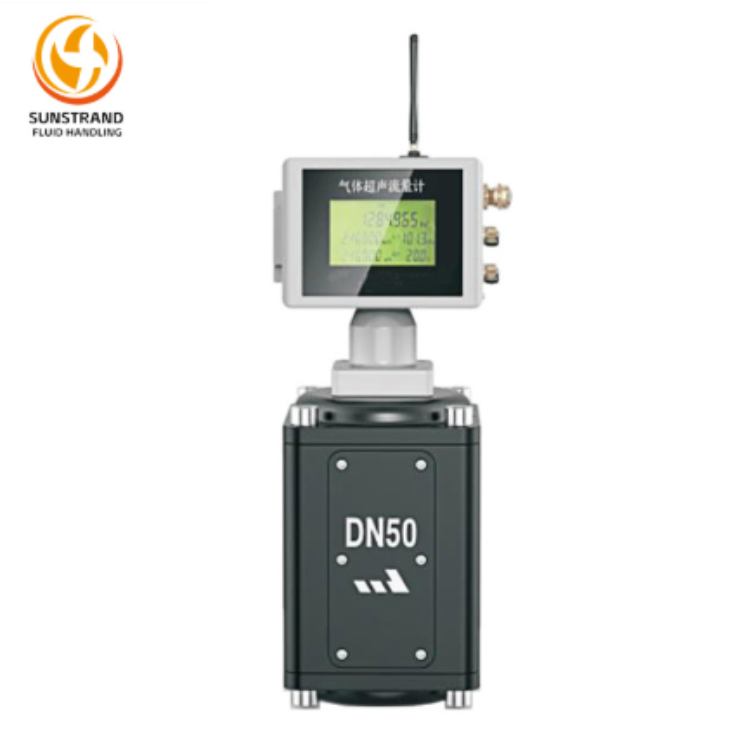


In the fields of industrial production and major infrastructure, gas flow meters play a crucial role in ensuring the accuracy of gas measurement. This directly affects safety, cost management, compliance with specifications, and operational reliability. Measurement errors can lead to economic losses, fines, and even safety hazards. However, the regular maintenance and warranty of many facilities are often neglected, and problems are only discovered after performance declines.
Like all precision instruments, gas flow meters also require regular technical maintenance to maintain accuracy and lifespan. Environmental factors, wear and tear, gas composition, voltage fluctuations, etc. gradually affect performance, potentially causing accuracy deviations, failures, or early repairs. This blog provides comprehensive maintenance and warranty strategy recommendations for optimizing the operation efficiency of gas flow meters and achieving cost savings in multiple fields. It includes principles, practical examples, case studies, and problem-solving methods.

Gas flow meters are precise measuring instruments used to measure the rate of gas flow through pipes or systems, as well as the total amount of gas consumed within a specific period. The physical movement of gas is converted into measurable data, which is utilized in various technical processes such as control, calculation, inventory tracking, and safety monitoring. There are many types of flow meters, including natural gas flow meters and gas mass flow meters. They are all designed according to specific purposes, gas types, and possible conditions, and all these factors affect maintenance.
Common types of gas flow meters include:
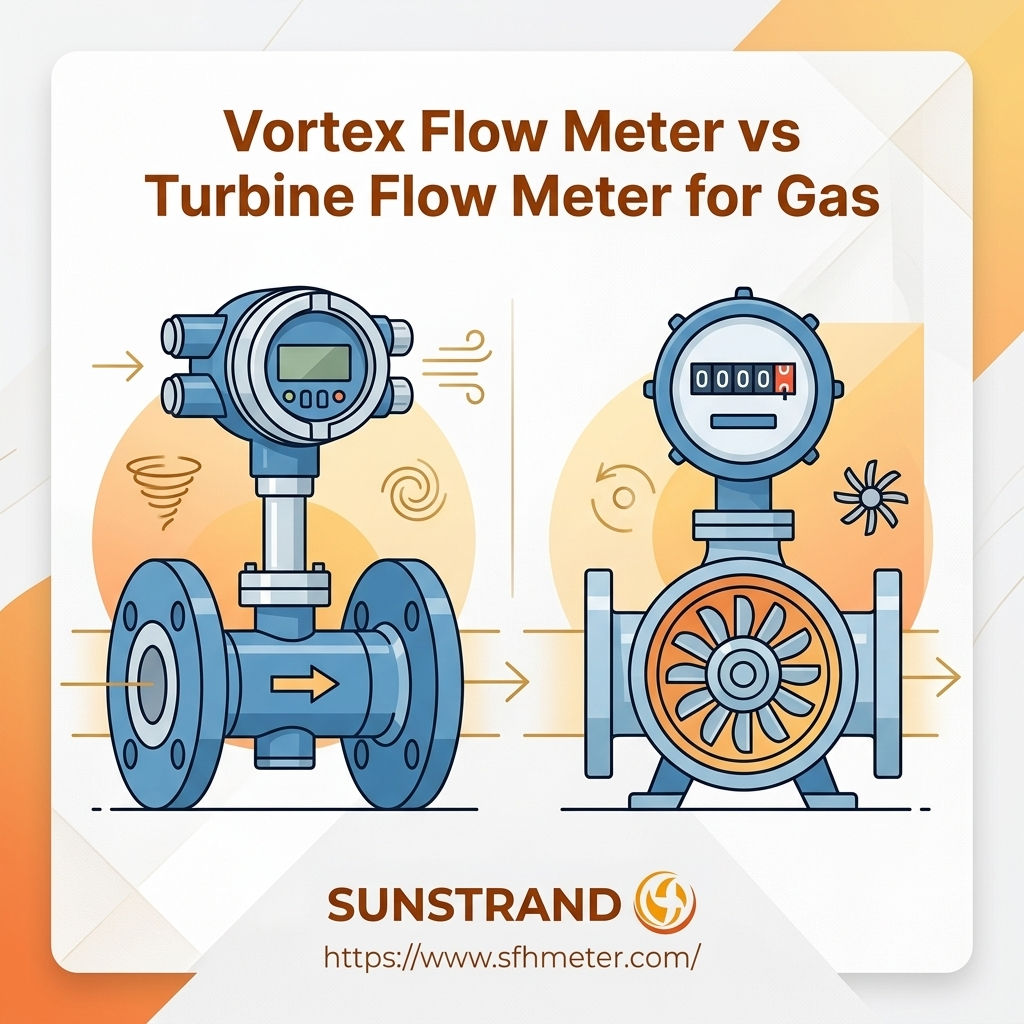
Turbine Flow Meters: The flow rate is measured using a rotating turbine meter. It is suitable for high-pressure or large-capacity gas pipelines, etc. This device needs to be regularly monitored for the wear of the turbine and the accumulation of impurities.
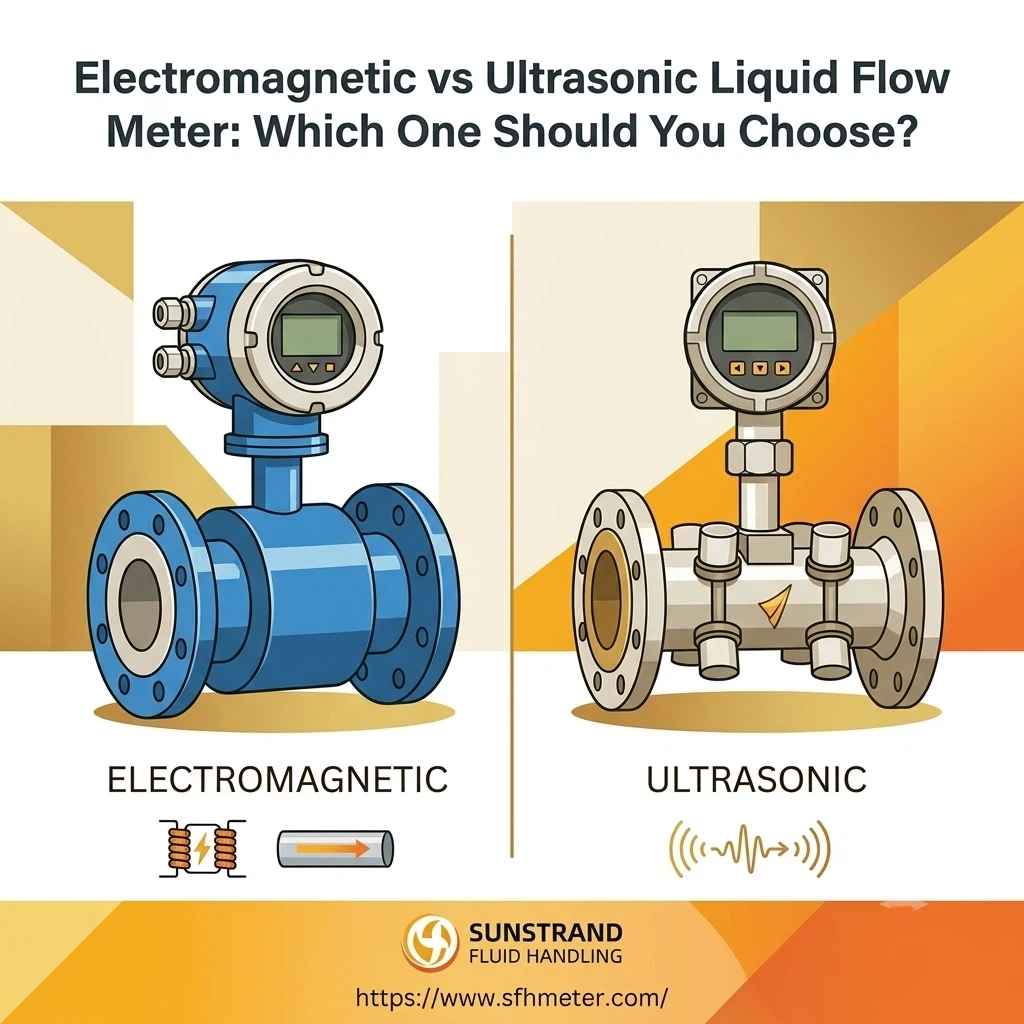
Ultrasonic Flow Meters: Because it uses ultrasonic signals, the flow rate cannot be directly measured. Therefore, it is suitable for corrosive gases and pollutants. For example, Sunstrand‘s ALS-U series ultrasonic gas meter calculates consumption by measuring the time difference of the ultrasonic signal traveling through the gas.
Coriolis Flow Meters: By measuring the Coriolis force, the mass flow rate can be directly determined. This method performs ideally in important fields such as semiconductor manufacturing or chemical processing, ensuring high measurement accuracy.
Thermal Mass Flow Meters: The measurement of mass flow is achieved by adjusting the heat distributed to the gas through a heating device. It is commonly used for low-flow, clean gases, such as semiconductor purification gases.
Vortex Flow Meters: Detect vortices created by a bluff body in the gas stream to calculate flow rate; suitable for industrial boilers and HVAC systems.
Regardless of the type, all kinds of gas flow meters, whether they are used in gas pipelines or in semiconductor facilities, all contain precise and vulnerable components such as sensors, transmitters, and electronic control devices. These components are highly prone to wear and tear, erosion by pollutants, and interference from various environmental factors. The core function of a flow meter is to output accurate real-time data, and the stable performance of this function is entirely dependent on the operating status of the core components. Therefore, daily maintenance is a crucial step in ensuring the long-term operation of the equipment. From natural gas transmission to semiconductor processing, gas flow meters are widely used in various industries, and their accuracy directly affects operational efficiency, safety, and financial responsibility.
The effective maintenance of gas flow meters is based on two fundamental principles:主动性 and directionality. Active maintenance means solving problems before they worsen or fail. Tailored policies ensure the specific requirements, application fields, and startup conditions of each equipment through tailored maintenance methods. The following are the basic principles of the maintenance warranty policy, divided into technical plans before maintenance warranty and daily operation management.
Preventive maintenance planning is the foundation for maintaining technology continuously and effectively. This process involves setting clear goals, establishing general procedures, and understanding the specific requirements for intervening in equipment that is overly strategically maintained.
The first step in establishing a preventive maintenance warranty plan is to establish a regular inspection schedule based on the startup conditions of the equipment. This should not be a comprehensive and fixed plan; it should take into account factors such as the type of equipment, gas composition, working pressure, temperature, and importance of application. For example, turbine flowmeters for high-pressure gas pipelines require more frequent inspections than thermal mass meters in low-oil-volume laboratories.
General guidelines for inspection schedules include:
Daily inspection: includes rapid visual inspection, reading verification, leakage point inspection, etc.
Weekly/Monthly inspection: carefully inspect sensors, cables, connections, etc. Clean external components, confirm repair status.
Technical repair every 3 years or 6 months: conduct precise inspections of internal parts such as turbines and ultrasonic sensors, clean filters and flow paths, and perform performance tests.
Annual/2-year calibration: ensure accuracy through formal calibration. For example, the Sunstrand gas system can be precisely corrected every 1 to 2 years to maintain long-term stability.
All the detailed documents of the inspection plans are recorded and strictly supervised by the technical service department. Through the digital system for managing maintenance and warranty work, the progress can be tracked, the results can be communicated, recorded, and ensured to have clear explanations of responsibilities and organizational structure.
Each type of gas flowmeter has its own unique components and working principles, and requires specific technical maintenance. Failure to understand these differences may result in insufficient maintenance coverage or instrument malfunctions. For example:
Turbine Meters: Require regular checks for turbine wear, bearing damage, and debris buildup, as these can cause the turbine to spin inaccurately or seize. They also need periodic lubrication of bearings and inspection of seals to prevent gas leaks.
Ultrasonic Meters: Need clean transducers to ensure accurate signal transmission. Contamination from dust, oil, or moisture can disrupt ultrasonic signals, leading to inaccurate readings. Sunstrand’s ultrasonic meters also require careful handling during installation and maintenance to avoid damaging the signal transducers.
Coriolis Meters: Are sensitive to vibration, so maintenance should include checking mounting brackets and ensuring the meter is properly secured. They also require periodic cleaning of the flow tubes to remove buildup that can affect mass flow measurements.
Thermal Mass Flow Meters: Depend on clean heating elements and sensors. Contamination can insulate the heating element, leading to incorrect flow calculations. In semiconductor applications, these meters must be kept free of particles to maintain ultra-high purity standards.
Additionally, the measured gases can affect the maintenance conditions. For instance, to measure corrosive gases, components with strong corrosion resistance are required, and the sealing situation needs to be inspected frequently. The exhaust treatment facilities should have their filters replaced regularly to prevent blockage. Reading the manufacturer’s instructions (such as the detailed maintenance warranty guide for the Sunstrand product series) is very important for understanding the requirements of these specific devices.
Daily operational checks are quick, routine tasks that help identify immediate issues before they impact performance. These checks should be performed by on-site operators or maintenance staff and take no more than 10-15 minutes per meter.
The simplest form of daily control is to read the data from monitoring instruments that detect abnormal or unusual phenomena. Compare the current values with past data indicators, predict the flow rate and compare the readings of adjacent instruments. For example, if the flow rate increases or decreases sharply (without changing the actual usage conditions), the sensor may have a defect, accumulate or have a gas leak.
Key things to look for include:
Readings that are significantly higher or lower than expected.
Fluctuating readings when the gas flow should be stable.
Error codes or warning lights on the meter’s display.
If unusual readings are detected, document them immediately and investigate the cause. For example, a sudden drop in flow rate could be due to a clogged filter, while erratic readings might indicate a loose wiring connection or sensor drift. In compressed air systems, operators can also use sensory cues—such as unusual sounds or smells—to identify potential issues alongside meter readings.
Gas leaks are not only a safety hazard but also cause inaccurate flow readings. Daily checks should include verifying the integrity of the meter and its connections to prevent leaks. This involves:
Visual Inspections: Checking for signs of gas leaks, such as hissing sounds, fogging, or discoloration around the meter, fittings, and valves. For high-pressure systems, a soapy water solution can be applied to connections—bubbles indicate a leak.
Seal Checks: Ensuring that gaskets, O-rings, and seals are intact and not cracked, worn, or degraded. Damaged seals are a common cause of leaks and should be replaced immediately.
Pipeline Checks: Inspecting the pipeline connected to the meter for damage, corrosion, or loose fittings, as these can also cause leaks or disrupt flow. For welded connections, ensure there is no deformation or weld damage that could affect flow field stability.
In addition to leak checks, verify that the meter’s enclosure is intact and protected from environmental factors. A damaged enclosure can expose internal components to moisture or debris, leading to malfunctions. For outdoor meters, ensure the enclosure is gasketed to prevent water intrusion.
| Meter Type | Key Maintenance Focus | Recommended Inspection Frequency |
| Turbine Flow Meters | Check turbine wear, bearing damage, debris buildup; lubricate bearings (if applicable); inspect seals | Weekly visual checks; quarterly internal inspection; annual calibration |
| Ultrasonic Flow Meters | Clean transducers; ensure signal stability; protect from moisture and vibration | Weekly visual checks; quarterly transducer cleaning; annual calibration |
| Coriolis Flow Meters | Check mounting stability; clean flow tubes; monitor vibration | Monthly mounting checks; semi-annual flow tube cleaning; annual calibration |
| Thermal Mass Flow Meters | Clean heating elements and sensors; prevent contamination; check power supply | Weekly visual checks; monthly filter replacement (if applicable); bi-annual calibration (critical applications) |
| Vortex Flow Meters | Inspect bluff body for debris; check for pipeline vibration; verify signal integrity | Monthly visual checks; quarterly debris removal; annual calibration |
While pre-maintenance planning and daily checks lay the groundwork, there are three critical maintenance practices that directly impact the longevity and accuracy of gas flow meters: calibration, power solution reliability, and environmental protection. These practices address the most common causes of meter failure and accuracy degradation.
Gas flow meter calibration is the process of adjusting a gas flow meter to ensure its readings match a known, traceable standard. Over time, factors such as wear, temperature changes, and contamination can cause “drift”—a gradual deviation from accurate readings. Even high-quality meters will drift over time, making regular gas flow meter calibration essential to maintain accuracy. This is especially critical for natural gas flow meters used in custody transfer and gas mass flow meters in precision manufacturing. Gas flow meter calibration not only ensures reliable data but also helps comply with regulatory standards and industry requirements for custody transfer and process control.
Key considerations for gas flow meter calibration include:
Calibration Frequency: As mentioned earlier, calibration frequency depends on meter type, application, and operating conditions. For critical applications, annual calibration is recommended, while less critical applications may require calibration every 1-2 years. In harsh environments, calibration frequency should be increased. Sunstrand’s 2026 smart meters use AI algorithms to predict calibration needs, reducing unnecessary calibration events and costs.
Calibration Methods: Common calibration methods include reference master meter calibration, primary standard calibration using bell or piston provers, and critical flow venturi calibration. The method chosen depends on the meter type and application. For example, gravimetric calibration using piston provers is ideal for low-pressure volumetric and mass flow meters, while reference master meter calibration is suitable for on-site validation. Sunstrand provides a 9-step calibration procedure that includes visual inspection, reference system setup, test point definition, data recording, and post-calibration verification.
Professional Calibration: While some basic calibration tasks can be performed on-site, formal calibration should be done by a certified professional or accredited laboratory. This ensures that the calibration is traceable to national or international standards and that the meter meets accuracy requirements. For example, Full-parameter calibration of natural gas flow meters must adhere to strict standards, including pressure and temperature error checks, to ensure reliability.
After calibration, document the results, including the date, calibration standard used, and any adjustments made. This documentation is critical for regulatory compliance and maintenance tracking.
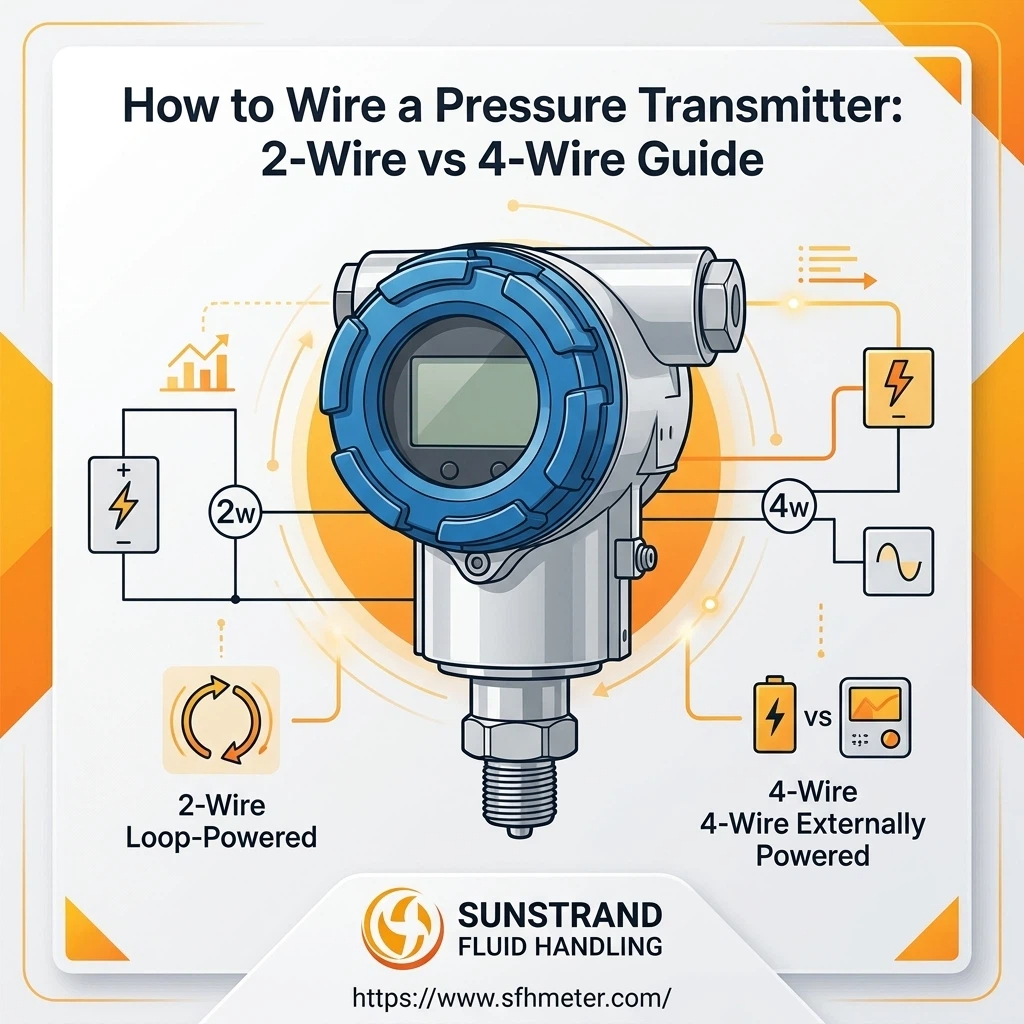
Most modern gas flow meters, including natural gas flow meters and gas mass flow meters, rely on electrical power to operate—either from the facility’s main power supply or a battery backup. Unreliable power can cause meter malfunctions, data loss, or inaccurate readings, which is why gas flow meters power solutions are a critical consideration for maintenance. Ensuring a stable power supply through proper gas flow meters power solutions is therefore a critical maintenance practice.
Key steps to maintain power reliability include:
Regular Power Supply Checks: Inspect the main power connection for loose wires, corrosion, or damage. Ensure that the voltage supplied to the meter matches the manufacturer’s specifications. For battery-powered meters, check battery voltage regularly and replace batteries before they die to avoid data loss. Some low-power meters, such as certain Sunstrand models, have battery monitoring features to alert operators of low power levels.
Battery Backup Maintenance: If the meter uses a battery backup, test the backup system regularly to ensure it functions properly. Replace backup batteries every 1-2 years, or as recommended by the manufacturer. For critical applications, consider installing an uninterruptible power supply (UPS) to provide continuous power during outages.
Surge Protection: Install surge protectors to shield the meter from voltage spikes, which can damage electronic components. This is especially important in industrial environments where electrical equipment can cause power fluctuations. Proper grounding is also essential to protect the meter from electromagnetic interference and ensure signal stability.
Gas flow meters are often installed in harsh environments—exposed to extreme temperatures, moisture, dust, corrosion, or vibration. These conditions can damage internal components, degrade performance, and shorten the meter’s service life. Protecting the meter from environmental stress is therefore a critical maintenance practice.
Key environmental protection measures include:
Temperature Control: Ensure the meter is installed in an area where temperatures remain within the manufacturer’s recommended range. Extreme heat can damage electronic components, while extreme cold can cause seals to crack or fluids to freeze. For outdoor installations, use heated enclosures in cold climates and shaded enclosures in hot climates.
Moisture Protection: Prevent moisture from entering the meter’s enclosure, as it can cause short circuits or corrosion. Ensure the enclosure is sealed properly, and use desiccants to absorb moisture in humid environments. For meters installed in areas prone to rain or snow, ensure the enclosure is weatherproof and positioned to avoid water pooling.
Dust & Debris Protection: Keep the meter and its surroundings clean to prevent dust, dirt, or debris from entering the flow path or clogging sensors. Regularly clean the meter’s exterior and replace air filters. In dirty environments, use protective covers to shield the meter from debris.
Corrosion Protection: For meters installed in corrosive environments, use corrosion-resistant materials and apply anti-corrosion coatings. Regularly inspect the meter for signs of corrosion and address it immediately. For natural gas pipelines, ensure the meter is compatible with the gas composition to avoid internal corrosion.
Vibration Protection: Mount the meter on a stable surface to reduce vibration, which can damage internal components and cause inaccurate readings. Use vibration dampeners if the meter is installed near pumps, motors, or other vibrating equipment. For ultrasonic and Coriolis meters, proper mounting is critical to maintain signal stability.

To illustrate the impact of effective maintenance, let’s look at two real-world case studies from Sunstrand— a leading provider of gas flow measurement solutions—showcasing how proactive maintenance strategies extended meter life and improved accuracy in different industries.
A large natural gas transmission company in North China operates a network of over 500 miles of pipelines, using Sunstrand’s ALS-U series ultrasonic gas flow meters to monitor gas flow and ensure accurate billing. Prior to implementing a structured maintenance strategy, the company experienced frequent meter failures—with an average service life of just 5 years—and inconsistent readings that led to billing disputes and operational inefficiencies. The primary issues were debris buildup in the flow path, corrosion from moisture, and infrequent calibration.
Sunstrand worked with the company to implement a proactive maintenance plan, including:
Customized Inspection Schedules: Monthly visual inspections of meters and pipelines, quarterly cleaning of flow paths and transducers, and annual calibration by Sunstrand’s certified technicians. The schedule was tailored to the pipeline’s operating conditions—high pressure and occasional moisture intrusion—with additional checks during rainy seasons.
Leak Prevention Measures: Replacement of worn seals with corrosion-resistant materials, installation of moisture traps to prevent water from entering the meter, and regular pressure testing to detect leaks early.
Remote Monitoring: Installation of Sunstrand’s smart monitoring system, which provides real-time data on meter performance, error codes, and flow fluctuations. This allowed the company to identify potential issues before they caused failures.
After 2 years of implementing the maintenance plan, the company saw significant improvements: meter service life extended to 8-10 years, a 75% reduction in meter failures, and a 99.8% accuracy rate in flow measurements. Billing disputes decreased by 90%, and operational downtime related to meter maintenance was reduced by 65%. The company also saved over $200,000 annually in replacement costs and lost revenue from inaccurate billing. Sunstrand’s AI-driven predictive maintenance features further optimized the strategy by predicting maintenance needs and reducing unnecessary inspections.
A global semiconductor manufacturer uses Sunstrand’s thermal mass flow meters to monitor and control the flow of ultra-pure specialty gases in its cleanroom facilities. In semiconductor manufacturing, even minor inaccuracies in gas flow can lead to defective wafers, costly rework, and production delays. The manufacturer was struggling with frequent accuracy drift in its mass flow meters—due to contamination from particles and moisture—and high maintenance costs from premature meter replacement.
Sunstrand’s maintenance team developed a specialized plan tailored to the cleanroom environment, including:
Ultra-Clean Maintenance Protocols: All maintenance activities were performed in a Class 100 cleanroom environment to prevent contamination. Technicians used lint-free wipes, ultra-pure solvents, and sterile tools to clean the meter’s sensors and flow paths—critical for maintaining ultra-high purity gas standards.
Frequent Filter Changes: Installation of high-efficiency particulate air filters upstream of the meters to prevent particles from entering the flow path. Filters were changed monthly to ensure optimal performance.
Bi-Monthly Calibration: Given the criticality of accuracy in semiconductor manufacturing, the meters were calibrated every 2 months using Sunstrand’s primary standard calibration equipment, ensuring readings were within ±0.1% of the true flow rate. This aligned with the industry’s strict requirements for process control accuracy.
Training for Cleanroom Staff: Sunstrand provided training to the manufacturer’s cleanroom staff on proper meter handling, contamination control, and basic troubleshooting—reducing human error that could cause meter damage or inaccuracies.
The results were transformative: accuracy drift was reduced by 90%, defective wafers related to gas flow issues decreased by 85%, and meter service life extended from 3 years to 5 years. The manufacturer saved over $300,000 annually in rework costs and meter replacements, while improving production efficiency by 15%. The specialized maintenance plan also ensured compliance with semiconductor industry standards for gas flow measurement and purity control.
Even with proactive maintenance, gas flow meters may experience issues from time to time. Below are the most common maintenance issues, their causes, and step-by-step troubleshooting tips to resolve them quickly.
Accuracy degradation is the most common issue with gas flow meters, characterized by readings that deviate from the true flow rate. Common causes include:
Calibration Drift: The meter has not been calibrated regularly, or calibration was performed incorrectly. This is the most frequent cause of accuracy issues, especially in critical applications.
Contamination: Dust, dirt, oil, or moisture has built up in the flow path or on sensors, disrupting measurement. For example, electrode scaling in electromagnetic meters or probe contamination in ultrasonic meters can cause significant accuracy loss.
Sensor Wear: Internal sensors have worn down over time, reducing their ability to detect flow accurately. This is common in high-flow or high-pressure applications.
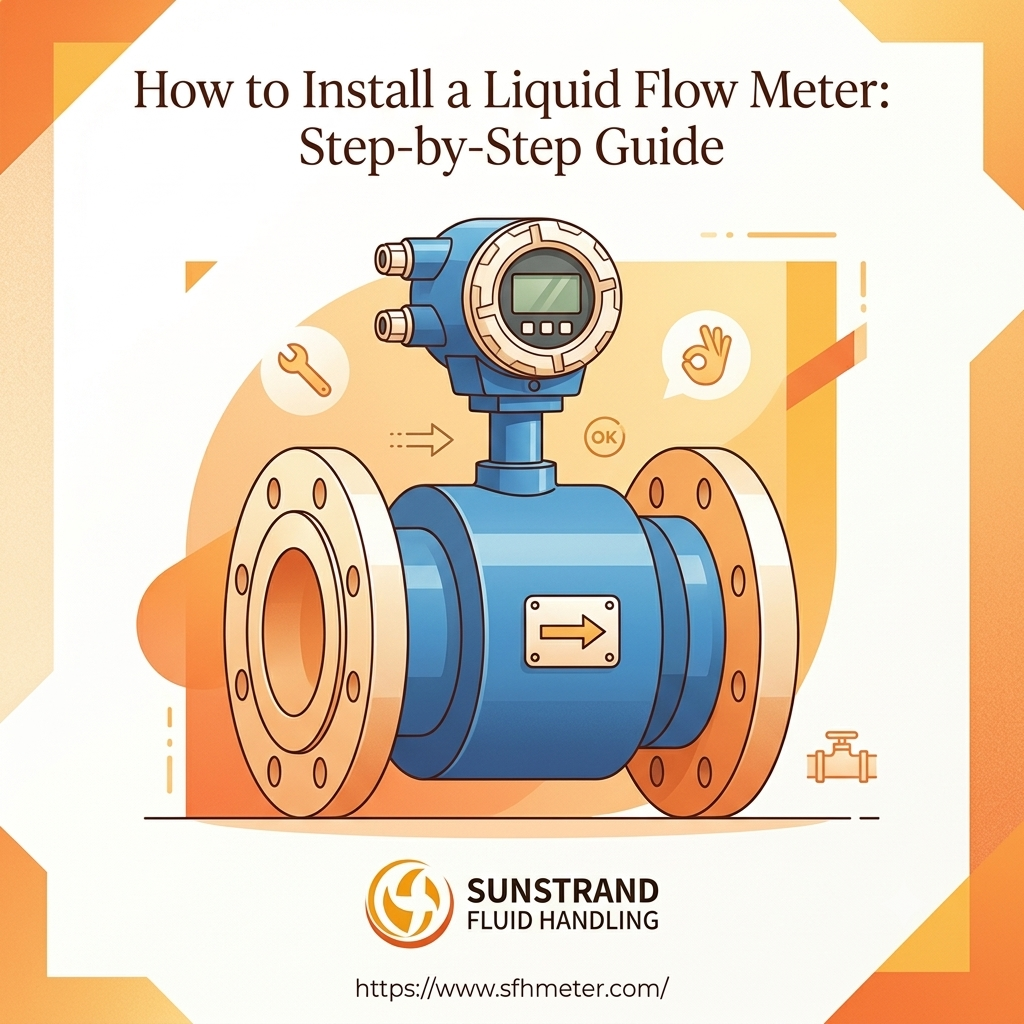
Incorrect Installation: The meter is installed incorrectly, leading to turbulent flow and inaccurate readings. For example, insufficient upstream straight pipe sections can cause uneven flow, affecting meter performance.
Troubleshooting steps for accuracy degradation:
Verify Calibration: Check the last calibration date and results. If the meter is due for calibration, have it professionally calibrated. If calibration was recent, verify that the calibration standard was traceable and the procedure was correct.
Inspect for Contamination: Disassemble the meter and check for buildup in the flow path, sensors, or filters. Clean the components using the recommended method. Replace filters if they are clogged.
Check Sensor Condition: Inspect internal sensors for wear, damage, or corrosion. Replace worn sensors with genuine manufacturer parts. For turbine meters, check if the turbine spins freely; if not, clean or replace the bearings.
Verify Installation: Check the meter’s installation to ensure it meets manufacturer guidelines. Adjust the installation if necessary—for example, adding a straight pipe section upstream of the meter to reduce turbulence.
Performance interruptions occur when the meter stops working entirely or fails to transmit data. Common causes include:
Power Failure: The main power supply or battery backup has failed, cutting power to the meter. This is a common issue in areas with frequent power outages or for battery-powered meters with expired batteries.
Wiring Issues: Loose, damaged, or corroded wires disrupt signal transmission between the meter and the control system. This can cause the meter to stop sending data or display incorrect readings.
Enclosure Damage: A damaged enclosure has allowed moisture, dust, or debris to enter the meter, causing short circuits or component failure. This is common in outdoor or harsh industrial environments.
Mechanical Failure: Internal components have failed, preventing the meter from measuring flow. This can be caused by debris buildup, wear, or vibration.
Troubleshooting steps for performance interruptions:
Check Power Supply: Verify that the main power supply is active and that the voltage matches the meter’s specifications. For battery-powered meters, check battery voltage and replace batteries if needed. Test the battery backup system to ensure it functions properly.
Inspect Wiring: Check all wiring connections for looseness, corrosion, or damage. Tighten loose connections and replace damaged wires. Ensure that signal cables are properly shielded and grounded to prevent interference.
Examine the Enclosure: Check the meter’s enclosure for damage and ensure it is sealed properly. If moisture or debris has entered the enclosure, clean the internal components and repair the enclosure.
Diagnose Mechanical Failure: If the meter is mechanical, check for seized components or damage. Disassemble the meter and clean or replace damaged parts. For electronic meters, check for error codes on the display and refer to the manufacturer’s manual for troubleshooting guidance.
To maximize the longevity and accuracy of your gas flow meters, go beyond basic maintenance with these proactive tips. These strategies focus on preventing issues before they occur and optimizing the meter’s performance over its entire lifecycle.
Maintaining a detailed maintenance history for each meter is one of the most effective proactive strategies. This history should include:
Installation date and location.
All inspection dates, results, and any issues identified.
Calibration dates, standards used, and adjustment results.
Repairs performed, including parts replaced and the cause of the issue.
Environmental conditions that may affect the meter.
A digital maintenance management system (CMMS) is ideal for tracking this information, as it allows you to set reminders for inspections and calibration, analyze maintenance trends, and identify patterns. This data can help you optimize maintenance schedules, reduce costs, and extend meter life. For example, if multiple meters in a corrosive environment require frequent seal replacements, you can proactively switch to corrosion-resistant seals to reduce maintenance needs. Documentation is also critical for regulatory compliance, especially in industries with strict metering requirements.
Human error is a common cause of meter damage and inaccuracy. Ensuring that your maintenance and operational teams are properly trained on meter handling, operation, and basic troubleshooting can significantly reduce issues. Training should include:
Meter-specific operation and maintenance procedures.
Safety protocols for working with gas meters.
How to identify and report unusual readings or meter issues.
Proper installation and handling to avoid damage.
Sunstrand offers training programs for its meters, including hands-on sessions and online courses, to ensure teams have the knowledge and skills to maintain meters effectively. Regular refresher training is also recommended, especially as new meter models or technologies are introduced. In semiconductor cleanrooms, specialized training on contamination control is essential to prevent meter damage and ensure process integrity.
As mentioned earlier, reliable power is critical for meter performance. Investing in quality power solutions can prevent data loss, component damage, and operational downtime. Key investments include:
Uninterruptible Power Supplies (UPS): For critical applications, a UPS provides continuous power during outages, ensuring the meter continues to operate and record data. This is especially important for billing or process control applications where data loss can lead to significant costs.
Surge Protectors: High-quality surge protectors shield the meter from voltage spikes, which can damage electronic components. Look for surge protectors rated for industrial use, with adequate voltage protection.
Battery Backup Systems: For meters in remote locations or areas with frequent power outages, a reliable battery backup system ensures the meter remains operational. Choose long-lasting, high-quality batteries and replace them on a regular schedule.
Power Monitoring: Install power monitoring devices to track voltage fluctuations and detect issues early. This allows you to address power problems before they affect the meter.
While these investments in gas flow meters power solutions may have an upfront cost, they reduce long-term maintenance and replacement costs by preventing power-related damage and data loss—whether for natural gas flow meters in pipeline networks or gas mass flow meters in cleanroom environments. For example, a UPS can prevent a power outage from causing a gas flow meter to lose critical billing data, which could result in costly disputes. Additionally, pairing reliable gas flow meters power solutions with regular gas flow meter calibration ensures maximum accuracy and longevity for all types of gas flow meters.
Gas flow meters are critical assets in industrial, energy, and infrastructure operations, and their accuracy and longevity directly impact safety, cost control, and regulatory compliance. Proactive maintenance—built on careful planning, daily checks, critical practices like calibration, and proactive strategies—is the key to ensuring these meters deliver reliable performance for years to come.
By following the principles and practices outlined in this blog—establishing regular inspection schedules, understanding meter-specific needs, performing daily checks, prioritizing calibration, ensuring power reliability, protecting against environmental stress, troubleshooting issues quickly, and investing in training and documentation—you can extend your gas flow meters’ service life, reduce maintenance costs, and maintain accurate readings.
The Sunstrand case studies demonstrate that a structured, tailored maintenance strategy can deliver significant results—from extending meter life by 60% to reducing failures by 75%. Whether you operate in natural gas transmission, semiconductor manufacturing, or any other industry that relies on gas flow measurement, the right maintenance approach can transform your meter performance and bottom line.
Remember, gas flow meter maintenance is not a one-time task but an ongoing commitment. By prioritizing proactive care, you can avoid costly downtime, ensure regulatory compliance, and get the most value from your investment in these critical instruments. As technology advances—such as Sunstrand’s AI-driven predictive maintenance—incorporating new tools and strategies will further optimize your maintenance efforts and ensure long-term success.
Q1: How often should I calibrate my gas flow meter?
Calibration frequency depends on meter type, application, and operating conditions. For critical applications, annual calibration is recommended. For less critical applications, calibration every 1-2 years is sufficient. In harsh environments, calibration frequency should be increased to every 6-12 months. Sunstrand’s smart meters use AI algorithms to predict calibration needs, helping you avoid unnecessary calibration events.
Q2: What is the average service life of a gas flow meter?
The average service life of a gas flow meter ranges from 5 to 10 years, depending on the type, maintenance, and operating conditions. With proper proactive maintenance—such as regular cleaning, calibration, and environmental protection—you can extend the service life by 50-60%. For example, Sunstrand’s ultrasonic gas flow meters, when properly maintained, can last 8-10 years in natural gas pipeline applications.
Q3: How can I detect gas leaks in my flow meter system?
Gas leaks can be detected through daily visual and auditory checks: listen for hissing sounds, look for fogging or discoloration around connections, and use a soapy water solution. For more advanced detection, use a gas leak detector. Regular pressure testing can also identify leaks in the pipeline and meter connections.
Q4: Can I perform calibration on my own, or do I need a professional?
Basic calibration checks can be performed on-site by trained staff, but formal calibration—required for accuracy and regulatory compliance—should be done by a certified professional or accredited laboratory. Professional calibration ensures that the meter is adjusted to traceable national or international standards and that the results are documented for compliance. Sunstrand provides certified calibration services for its meters, both on-site and at its accredited laboratories.
Q5: What is the most common cause of gas flow meter failure?
The most common cause of gas flow meter failure—including natural gas flow meters and gas mass flow meters—is lack of proactive maintenance—specifically, infrequent gas flow meter calibration and failure to address contamination or environmental stress. Inadequate gas flow meters power solutions, contamination, and power-related issues are also frequent causes of failure. By following a structured maintenance plan that includes regular gas flow meter calibration, cleaning, environmental protection, and reliable gas flow meters power solutions, you can significantly reduce the risk of failure for all gas flow meters.
Q6: How does environmental conditions affect gas flow meter performance?
Extreme temperatures can damage electronic components or cause seals to crack; moisture can lead to short circuits or corrosion; dust and debris can clog sensors and flow paths; vibration can damage internal components and cause inaccurate readings; and corrosive environments can degrade meter materials. Protecting the meter from these conditions—through proper enclosure, temperature control, and corrosion-resistant materials—ensures consistent performance and extends service life.
Q7: What are the key differences in maintaining natural gas flow meters vs. gas mass flow meters?
Natural gas flow meters, often used in pipeline networks, require frequent checks for debris buildup, corrosion from moisture, and seal integrity to prevent gas leaks—critical for high-pressure natural gas applications. They also need regular gas flow meter calibration to ensure billing accuracy. Gas mass flow meters, commonly used in precision industries like semiconductors, focus on preventing contamination of sensors and heating elements, require more frequent calibration, and depend on stable gas flow meters power solutions to maintain measurement precision.
Q8: How do gas flow meters power solutions impact meter performance and longevity?
Reliable gas flow meters power solutions are essential for consistent meter operation. Unstable power or battery failure can cause data loss, inaccurate readings, or component damage—especially for electronic gas flow meters, natural gas flow meters, and gas mass flow meters. Quality power solutions prevent voltage spikes, ensure continuous power during outages, and protect sensitive electronics, directly extending meter life and maintaining accuracy.
Q9: Can environmental factors affect gas flow meter calibration results?
Yes, environmental factors significantly impact gas flow meter calibration. Extreme temperatures, humidity, and vibration can cause temporary or permanent drift in calibration readings. For example, high humidity can affect sensor performance during calibration, while extreme cold can alter the physical properties of gas, leading to inaccurate calibration results. It’s important to perform gas flow meter calibration in controlled environments that match the meter’s operating conditions, especially for natural gas flow meters and gas mass flow meters used in harsh settings.
Q10: What steps should I take if my gas mass flow meter shows consistent accuracy issues?
If your gas mass flow meter has consistent accuracy issues, start with gas flow meter calibration to rule out drift. Next, inspect for contamination on heating elements and sensors, as this is a common issue for gas mass flow meters. Check the gas flow meters power solutions to ensure stable voltage and no interruptions. Verify the installation and ensure the meter is compatible with the gas type and flow rate. If issues persist, consult the manufacturer for specialized troubleshooting or component replacement.