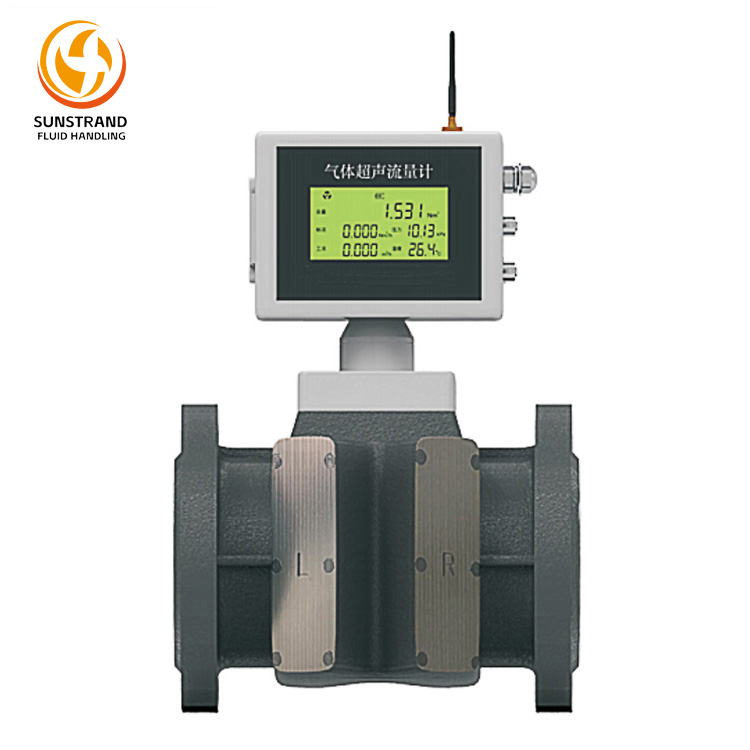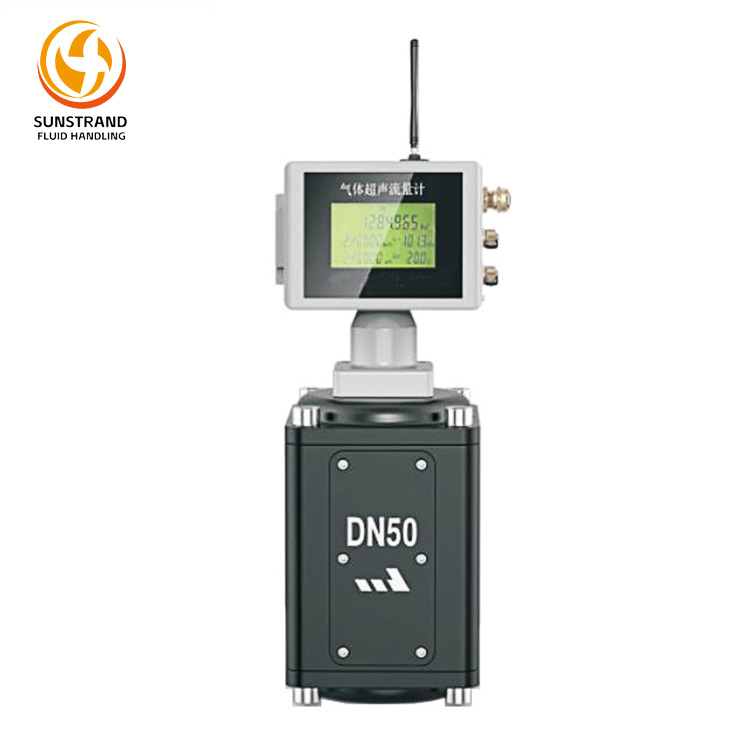

In the era of industrial automation, the accuracy of liquid flow measurement is of vital importance for sustainable development. Various industries (such as oil and gas, chemicals, water treatment, agriculture, etc.) all rely on this technology. Liquid flow meters can monitor, control, and optimize fluid flow, thereby enhancing operational efficiency, ensuring compliance, and reducing costs. With technological advancements and the continuous expansion of application scope, this market is continuing to grow.
This in-depth analysis covers market definition, current situation analysis, technological innovations, and future outlook. It adopts a rigorous research strategy to obtain precise and reliable data. It provides the information needed for industry professionals, investors, manufacturers, and end-users to gain a deep understanding of the market and make informed decisions.
A liquid flow meter is a device that accurately measures the flow and volume of liquid within a specific period of time. It converts the physical movement of the liquid into analog or digital signals, enabling real-time tracking, recording, and analysis, thereby facilitating the optimization of industrial engineering, quality assurance, and compliance with industrial standards. Unlike traditional measuring instruments, the design of flow sensors can reflect various liquid characteristics such as viscosity, density, corrosive acidity, and temperature. Therefore, this equipment is applicable to various industrial and commercial application fields.
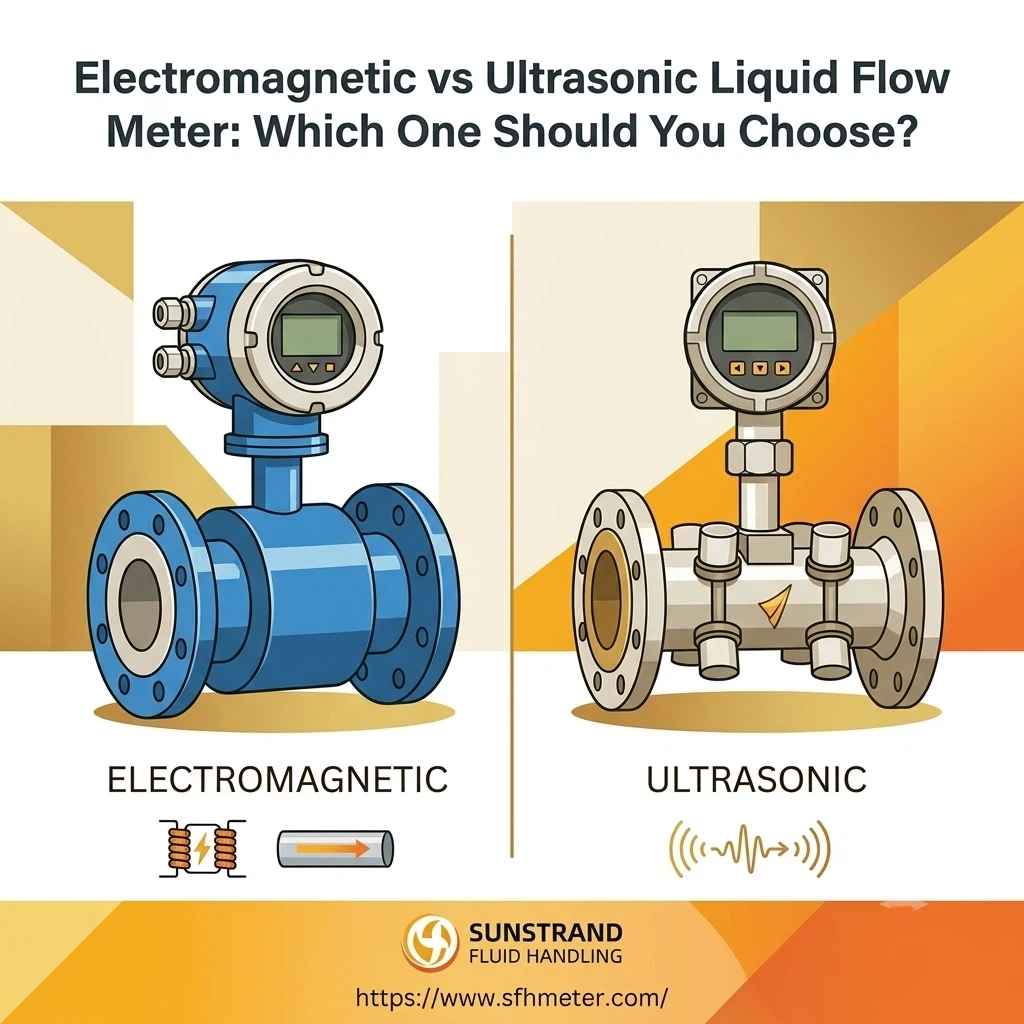
The main function of the liquid flow meter is to provide accurate and real-time data on liquid consumption. This is crucial in various applications. From manufacturing engineering to the management of chemical quantities, to the monitoring of water consumption in local administrative systems, from the optimization of fuel consumption in the automotive field to the correct supply of nutrients in the agricultural sector, it can be applied widely. liquid flow meter types are classified based on their working principles, including electromagnetic, ultrasonic, coriolis, turbine, positive displacement, and differential pressure meters—each tailored to specific use cases and liquid characteristics. A flow meter for liquid is engineered to adapt to diverse liquid properties, making it versatile across industrial sectors.
The main advantages of using liquid flow meters include improving operational efficiency, enhancing safety, ensuring compliance with regulations, and reducing costs. As the industrial sector’s reliance on data continues to deepen, the demand for advanced liquid flow meters with intelligent functions such as real-time monitoring, remote access, and continuous data analysis is also increasing.
In order to conduct a comprehensive and reliable analysis of the liquid flow meter market, we adopted a systematic research strategy that combined the first survey with the second study. This dual approach ensures the accuracy and completeness of the collected data, including both quantitative and qualitative analysis. The objective of this research is to minimize errors, verify the analysis results, and provide practical operational information to the relevant parties.
The initial research directly collected interim data from relevant stakeholders such as manufacturers, end-users, experts, and distribution enterprises. This approach ensured that the data collected was up-to-date, highly relevant, and aligned with the current market conditions. The preliminary research method used in this analysis is as follows.
We conducted semi-structured interviews with over 30 industry experts, including executives from major flow meter manufacturers, market analysts, and technical experts. These interviews focused on key topics such as technological innovation, market trends, competitive dynamics, and future growth factors. At the same time, we invited the experts to share their views on new market challenges and opportunities, as well as offer insights on regulatory policy changes and the constantly evolving needs of customers. The information collected through these interviews not only verified the results of secondary research but also provided a solid basis for a deeper understanding of domestic market activities.
We conducted an online survey of over 200 end-users from major industries and 50 manufacturers of liquid flow meters. In the survey of end-users, we mainly asked about user preferences, main concerns, purchase criteria, and the trend of introducing new technologies. The manufacturer analysis verified multiple aspects such as production capacity, product portfolio, research and development expenses, and market expansion strategies. By analyzing the collected data using statistical software, we identified various trends, patterns, and correlations, laying an important quantitative foundation for market analysis.
The secondary research aims to collect and analyze existing data from reliable sources, such as market reports, industry publications, regulatory databases, and corporate annual reports. This approach helps to form a basic understanding of the market and complements and improves the results of the primary research. The following will detail the process of secondary research and the data verification techniques.
We collect secondary data from renowned market research institutions, industry associations and regulatory agencies. The most important information is the world and regional reports on the liquid measuring device market, which provide data on market size, growth rate, regional distribution and competitive status. Additionally, we conduct investigations using regulatory databases to understand the conditions for compliance with regulations and their impact on the market. At the same time, we analyze enterprise websites, press releases and annual reports to ensure the information on product innovation, partnerships and financial results of major market players.
To ensure the reliability and accuracy of the data, multiple verification procedures were employed. Specifically, comparative analyses were conducted on data from various sources such as original research, literature reviews, and industry statistics. If discrepancies or inconsistencies were identified, consultation with industry experts could be sought, and the original documents could be re-examined to resolve the issues. Additionally, to eliminate irrelevant or outdated data, quality verification was further implemented, and the analysis must be based on actual high-quality information. These rigorous verification procedures guarantee the reliability and relevance of the conclusions in this report.
Currently, the world market for liquid flow meters is experiencing continuous growth. The reasons for this expansion are the acceleration of industrialization, the increasing demand for precise measurement, and technological development. This market offers a diverse range of products, and the distribution of major players is wide, with significant regional disparities. Additionally, due to the very different specific requirements of various industrial sectors and regions, it is necessary to conduct individual observations of the current market structure.
According to the current market survey, the global market size of liquid flow meters is expected to reach approximately 114.4 billion US dollars by 2025, and to increase to 1,946 billion US dollars with an average annual growth rate (CAGR) of 6.08% by 2034. Another report predicts that by 2024, the market size will grow to 103.4 billion US dollars, and the CAGR will remain at 5.8% by 2031. The Chinese market has the fastest growth due to the demand in fields such as oil and gas, water treatment, and pharmaceuticals, as well as the strict requirements for precision. It is expected to reach 1.2 trillion RMB by 2026.
From a regional perspective, North America, based on the high demand in fields such as oil and gas, water treatment, and pharmaceuticals, as well as the strong requirements for precision, occupies the largest market. With the attention to the chemical and automotive industries and the increasing requirements for sustainability, Europe is the second-largest market. The industrialization, infrastructure construction, and investment in water treatment and agriculture in the Asia-Pacific region are very active, presenting the most vigorous growth momentum.
The liquid flow meter market is driven by demand from a wide range of end-use industries, each with unique requirements and growth drivers. The key end-use industries and their impact on the market are outlined below:
Oil and Gas: The main application areas of liquid flow measurement include the determination of liquid consumption in petroleum, refined products, and natural gas. Such detection equipment is commonly used in petroleum exploration, production, transportation, and refining engineering. Currently, the demand for flow detection continues to grow, especially due to the widespread adoption of offshore drilling technologies and unconventional oil reserve exploration technologies, as a result of the development of oil and gas extraction technologies, to ensure production optimization and measurement accuracy, and to meet the urgent necessity for precise measurement.
Chemistry and Pharmaceuticals: Liquid flow meters play a crucial role in the chemical and pharmaceutical industries. They can effectively control the flow of raw materials, intermediate products, and final products. Due to the strict requirements for accuracy, safety, and adherence to specific specifications, the demand for modern equipment capable of precisely measuring corrosive and high-viscosity liquids is constantly increasing. As the focus on specific chemical products and the principles of active pharmacology increases, the demand for modern devices with precise control functions is also rising.
Water and Wastewater Treatment: As concerns over water scarcity and pollution intensify, the water resources and wastewater treatment industry has become a significant driving force in the liquid flow meter market. These flow meters can monitor discharge volume, treatment volume and drainage volume, contributing to the improvement of water resource usage and environmental standards. With the widespread adoption of intelligent water management systems, the demand for digital flow meters with remote monitoring capabilities is also increasing.
Agriculture: In precision agricultural management, liquid flow meters are used to measure the flow of water, fertilizers, and pesticides. This equipment can help farmers optimize resource usage and increase yields. As precision agricultural technology becomes more widespread in developed countries, the demand for small, portable, and highly precise measurement devices is also increasing. In the application of liquid fertilizers, electromagnetic flow meters and Coriolis flow meters have a large demand due to their high accuracy and reliability.
Automobile and Aerospace Industries: In the automotive industry, flow meters are used to measure the consumption of fuel, coolant, and lubricating oil in engines and other components. The demand for electric vehicles (EVs) has increased, especially in the battery cooling systems, opening up new possibilities for the use of flow meters. In the aerospace field, the precision and durability of aircraft fuel and oil pressure systems are of great importance, so flow meters are widely used.
The liquid flow meter market is undergoing significant changes due to technological advancements aimed at improving accuracy, reliability and functionality. Innovations in sensor technology, digitization, and materials science have contributed to the development of a new generation of liquid flow meters, meeting the evolving requirements of end users. The following presents the main technological innovations in this market.
Recent years have seen the development of several innovative liquid flow meters that address the limitations of traditional models. One of the main trends is the integration of intelligent technologies. IoT-compatible flow meters are becoming increasingly popular. These devices are equipped with advanced liquid flow sensor components and can collect data in real time. They also have connection and data analysis functions, allowing for remote access and predictive maintenance. For example, some smart Liquid Flow Meter models can send alerts to operators when flow rates deviate from set parameters, enabling proactive maintenance and reducing downtime.
Another significant innovation is the development of non-invasive accelerator operators that do not require direct contact with the liquid of the test object. This valve is ideal for use with corrosive, toxic or high-pressure liquids, eliminating the risks of leakage and contamination. Moreover, the non-invasive gas system does not need to cut off the pipeline or interrupt the production process, making installation and maintenance very easy.
|
Innovation Type |
Key Features |
Advantages |
Typical Applications |
|
IoT-Enabled Smart Flow Meters |
Real-time monitoring, remote access, predictive maintenance, data analytics |
Reduced downtime, optimized operations, data-driven decision-making |
All industries, especially large-scale manufacturing, water management |
|
Non-Intrusive Flow Meters |
No direct liquid contact, ultrasonic/electromagnetic technology |
No leaks/contamination, easy installation, no process shutdown |
Chemical processing, toxic/corrosive liquid measurement |
|
Corrosion-Resistant Meters |
Hastelloy/PTFE construction, durable design |
Long lifespan, low maintenance, suitable for harsh environments |
Chemical processing, offshore oil & gas |
|
High-Accuracy Meters |
±0.1% accuracy, advanced sensors |
Precise measurement, regulatory compliance |
Pharmaceuticals, custody transfer, critical manufacturing |
As end-use industries become more specialized, manufacturers are developing application-specific liquid flow meters tailored to the unique needs of each industry. These customized solutions offer improved performance, reliability, and efficiency, addressing the specific challenges of different applications. Below are two case studies highlighting Sunstrand’s application-specific advancements in liquid flow meters.
Sunstrand, a leading manufacturer of flow measurement solutions, has developed a line of precision liquid fertilizer flow meter products specifically designed for the agriculture industry. These specialized flow meter for liquid devices address the key challenges of liquid fertilizer application, including the need for accurate dosageand compatibility with a wide range of fertilizer types.
Sunstrand’s precision liquid fertilizer flow meters feature a corrosion-resistant stainless steel construction, ensuring durability in harsh agricultural environments. They are equipped with advanced sensor technology that provides accurate flow measurement even at low flow rates, making them suitable for precision agriculture applications. The meters also integrate with smart agriculture systems, allowing farmers to monitor and control fertilizer flow in real-time via a mobile app or computer. This integration helps farmers optimize fertilizer usage, reduce waste, and improve crop yields.
In a recent deployment with a large-scale agricultural cooperative in the U.S., Sunstrand’s flow meters helped reduce fertilizer waste by 15% and improve crop yields by 8%, demonstrating the value of application-specific flow measurement solutions. The meters were also praised for their ease of installation and low maintenance requirements, making them ideal for field use.
When chemical factories measure corrosive liquids, due to recurring problems, the existing flow meters may be damaged, which will lead to incorrect measurement values and safety hazards. Therefore, Sunstrand developed a special flow meter that can be used in the harsh conditions of chemical factories.
Sunstrand‘s flow meter is equipped with tubes surrounded by PTFE and sensors made of Hastelloy, providing good resistance to corrosion and chemical substances. These devices adopt non-Gaussian electromagnetic technology and operate without moving parts, minimizing corrosion and damage and ensuring continuous reliability. They also have the highest accuracy and are suitable for various flow ranges and temperature conditions, making them ideal for multiple chemical application fields.
The large-scale chemical product manufacturing enterprises in Europe have adopted a new flow meter to measure the corrosive liquids on the production line, replacing the traditional maintenance and the frequent and costly equipment. With this new measurement device, the production interruption time has been shortened by 30%, the measurement accuracy has been improved by 10%, and it has also contributed to cost savings and quality improvement. These devices also strictly comply with chemical substance handling standards, significantly enhancing the safety and efficiency of the production process.
While the liquid flow meter market is growing steadily, it faces several challenges that could hinder its growth. At the same time, there are significant growth opportunities driven by emerging trends and evolving end-user needs. Below is an analysis of the key market challenges and future growth potential.
Initial high costs: One of the main problems in the market is that the price of purchasing the highest level of measuring instruments is too high. This poses particular difficulties for small and medium-sized enterprises with limited budgets, hindering large-scale introduction, increasing setup and correction costs, and thereby raising the total operating costs. As a result, it becomes more difficult for end-users to invest in high-quality testing equipment.
Technical difficulties: Advanced flow meters require professional knowledge for installation, operation, and maintenance warranty. For end-users without the necessary technical capabilities, this problem can be very serious. Incorrect use may lead to performance degradation. In some regions, the lack of qualified experts is particularly prominent, exacerbating this situation.
Function compatibility issues: With the continuous development of intelligent technology, the compatibility between flow meters and existing industrial systems has become an important factor. Many outdated industrial systems cannot be exchanged with new intelligent flow meters, resulting in the need for end-users to upgrade their equipment. This is an expensive and complex task.
Strict regulatory requirements: These standards can promote the demand for accurate quantity measurement, but manufacturing enterprises must comply with various regulations in different regions. To meet these conditions, a large amount of research and development investment is required, which may become a burden for small-scale producers. Additionally, if there are no unified standards globally, the operation of the same manufacturing enterprise in multiple regions may cause confusion and increase the cost of complying with regulations.
Despite the challenges, the liquid flow meter market is expected to experience strong growth between 2026 and 2033, driven by several key trends and opportunities. The global market is projected to grow at a CAGR of 5.8–6.08% during this period, with the Asia-Pacific region leading the growth. Key growth drivers include:
Digital Transformation & IoT Integration: The growing adoption of Industry 4.0 and IoT technology is expected to drive demand for innovative liquid flow meters, which integrate advanced Liquid Flow Sensor technology to deliver precise, real-time data. These smart Liquid Flow Meter devices enable real-time data collection, remote monitoring, and predictive maintenance, helping end-users optimize operations and reduce costs. The integration of AI and machine learning into flow meters is also expected to enhance their functionality, allowing for advanced data analytics and automated decision-making. By 2028, it is projected that nearly 45% of flow meters will be smart, IoT-enabled devices.
Growing Demand for Water & Wastewater Treatment: With increasing water scarcity and environmental concerns, governments and organizations around the world are investing in water & wastewater treatment infrastructure. This is expected to drive significant demand for liquid flow meters, as they are essential for monitoring and optimizing water treatment processes. The smart water management market is also growing, further boosting demand for digital flow meters with remote monitoring capabilities.
Expansion of the Chemical & Pharmaceutical Industries: The chemical and pharmaceutical industries are expected to grow steadily over the forecast period, driven by increasing demand for specialty chemicals, biopharmaceuticals, and generic drugs. This growth will drive demand for application-specific flow meters designed to handle corrosive, high-viscosity, and sterile liquids. The growing focus on quality control and regulatory compliance in these industries will further boost demand for high-accuracy flow meters.
Adoption of Precision Agriculture: The global agriculture industry is increasingly adopting precision agriculture techniques to improve crop yields and reduce resource waste. This is expected to drive demand for liquid flow meters used in fertilizer and pesticide application, as well as irrigation systems. The growing popularity of smart agriculture solutions will further enhance the demand for flow meters integrated with IoT and data analytics capabilities.
Emerging Markets: The Asia-Pacific, Latin America, and Middle East & Africa regions are expected to be key growth markets, driven by rapid industrialization, urbanization, and infrastructure development. These regions offer significant opportunities for market players, as they have large untapped potential and growing demand for liquid flow meters in various industries. The Chinese market, in particular, is expected to grow at a CAGR of 10% through 2026, with domestic manufacturers gaining market share.
Based on the market analysis, we have developed strategic recommendations for different stakeholders—manufacturers, end-users, and investors—to help them capitalize on the opportunities and address the challenges in the liquid flow meter market.
For Manufacturers: Invest in R&D to develop cost-effective, application-specific Liquid Flow Meter models tailored to the needs of key end-use industries—including specialized options like liquid fertilizer flow meter and corrosion-resistant flow meter for liquid devices. Focus on integrating smart technology, advanced Liquid Flow Sensor components, and IoT capabilities to meet the growing demand for innovative liquid flow meters and expand product portfolios across different liquid flow meter types.
For End-Users: Conduct a thorough assessment of their specific needs (such as liquid type, flow rate, accuracy requirements, and budget) before selecting a liquid flow meter. Prioritize application-specific models that offer the best performance for their use case.
For Investors: Focus on investing in manufacturers that specialize in smart, application-specific flow meters, as these segments are expected to grow the fastest. Companies with strong R&D capabilities and a presence in emerging markets are particularly attractive.
The liquid measurement equipment market is a dynamic and evolving sector that is constantly changing due to industrialization and digital transformation, as well as the increasing demand for precise measurements in diverse fields. This report will conduct a comprehensive analysis of the market structure, current situation, technological innovations brought about by challenges, and future growth prospects, and will also discuss in detail the data collection and analysis strategies.
It is expected that from 2026 to 2033, the market will grow steadily. During this process, intelligent measurement equipment, special solutions, and new markets will become growth drivers. Although the initial investment cost is high and the technical complexity is high, these problems can be overcome through strategic investment, cooperation, and talent cultivation.
For manufacturers, end consumers, and investors, understanding the plasticity of the market and new trends is crucial, and based on this, making solid decisions and effectively utilizing existing opportunities is essential. Through innovation, individual approaches, and customer-centered problem-solving, market participants can succeed in the constantly changing liquid measurement equipment market and contribute to the development of various industries worldwide.
Q1: What is a liquid flow meter, and what is its primary function?
A1: A liquid flow meter is a precision instrument designed to measure the rate or volume of liquid passing through a pipe or system. Its primary function is to provide accurate, real-time data on liquid flow, enabling operational optimization, regulatory compliance, and cost savings across various industries.
Q2: What are the key end-use industries driving demand for liquid flow meters?
A2: The key end-use industries include oil & gas, chemical & pharmaceutical, water & wastewater treatment, agriculture, and automotive & aerospace. These industries rely on liquid flow meters for critical operations such as process control, quality assurance, and safety compliance.
Q3: What are the latest technological innovations in liquid flow meters?
A3: Key innovations include smart IoT-enabled flow meters , non-intrusive measurement technologies, and application-specific solutions tailored to industries like agriculture and chemical processing. Advancements in corrosion-resistant materials and sensor accuracy are also notable.
Q4: What are the main challenges facing the liquid flow meter market?
A4: The main challenges include high initial costs of advanced flow meters, technical complexity, compatibility issues with existing industrial systems, and stringent regulatory standards across different regions.
Q5: What is the future growth potential of the liquid flow meter market between 2026–2033? A5: The global liquid flow meter market is projected to grow at a CAGR of 5.8–6.08% between 2026–2033, driven by digital transformation, growing demand for water treatment, expansion of the chemical & pharmaceutical industries, adoption of precision agriculture, and growth in emerging markets like Asia-Pacific.