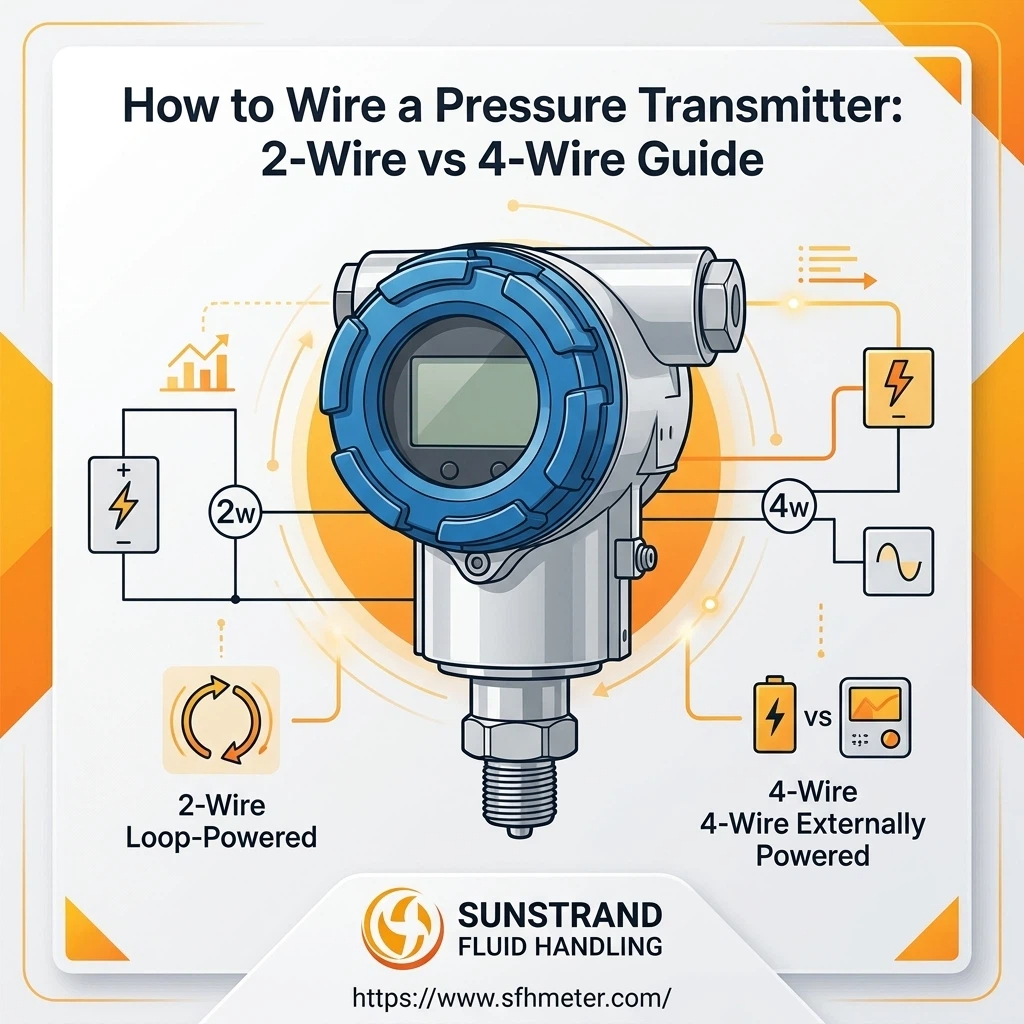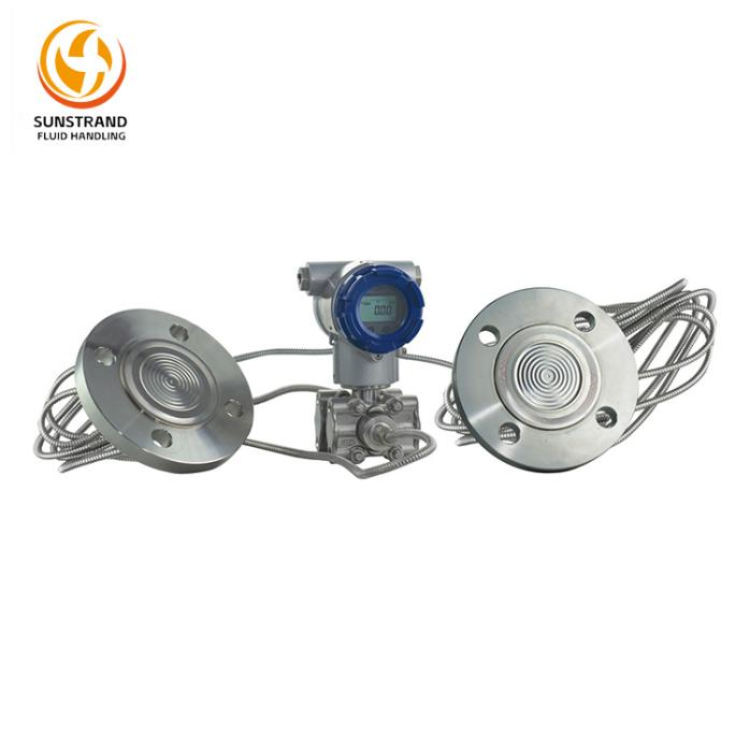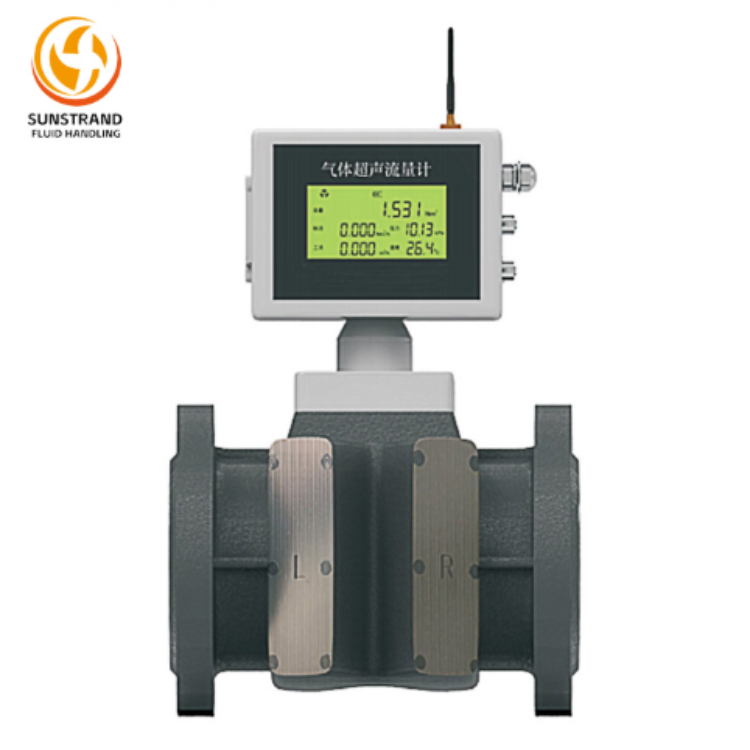

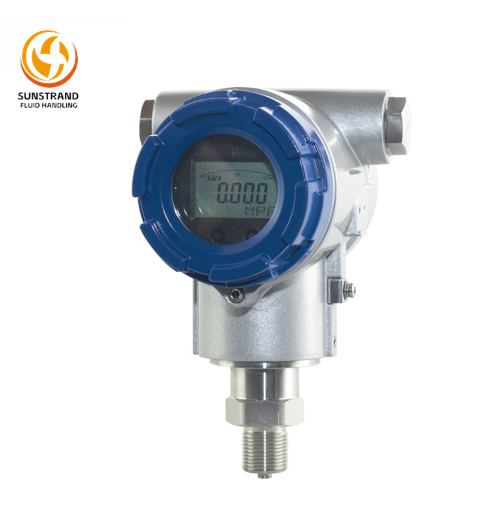
Pressure transmitters are essential instruments in industrial automation, converting pressure or differential pressure into standard electrical signals for monitoring and control. They ensure safety, precision, and efficiency across industries such as oil and gas, chemical processing, and water treatment. Different pressure transmitter types—including differential, submersible, and wireless pressure transmitters—are designed to meet diverse application needs.Sunstrand pressure transmitters offer high accuracy, stability, and reliability for various industrial conditions.
An absolute pressure transmitter measures pressure relative to a perfect vacuum (0 Pa). It provides a true reference regardless of atmospheric changes.
Measures pressure independently of barometric variation.
Delivers stable readings in sealed systems.
Ideal for high-accuracy applications requiring reference to absolute zero.
Used in vacuum systems, meteorology, semiconductor manufacturing, and aerospace testing where accurate absolute values are critical.
Slightly higher cost and complexity compared to gauge transmitters.
A gauge pressure transmitter measures pressure relative to ambient atmospheric pressure.
Simplified design and cost-effective.
Most commonly used in industrial processes.
Easy to install and maintain.
Used in pumps, hydraulic systems, and water pipelines, where atmospheric pressure compensation is sufficient.
Readings vary with altitude or weather due to dependence on ambient conditions.
A differential pressure transmitter measures the difference between two points, commonly used for flow or level measurement.
Provides precise monitoring of pressure drop across filters, orifices, and tanks.
Supports multiple sensing methods, such as the capacitance type differential pressure transmitter, known for high stability and sensitivity.
Ideal for flow measurement, filtration systems, and tank level monitoring in chemical, oil & gas, and power plants.
Requires dual pressure inputs and careful calibration to prevent drift.
A submersible pressure transmitter is designed for direct immersion in liquids to measure hydrostatic pressure and infer liquid level.
Waterproof and corrosion-resistant housing.
High accuracy in water level measurement.
Also known as hydrostatic level transmitter in some applications.
Used in groundwater monitoring, sewage systems, reservoirs, and wells.
May require regular cleaning in environments with sediments or algae.
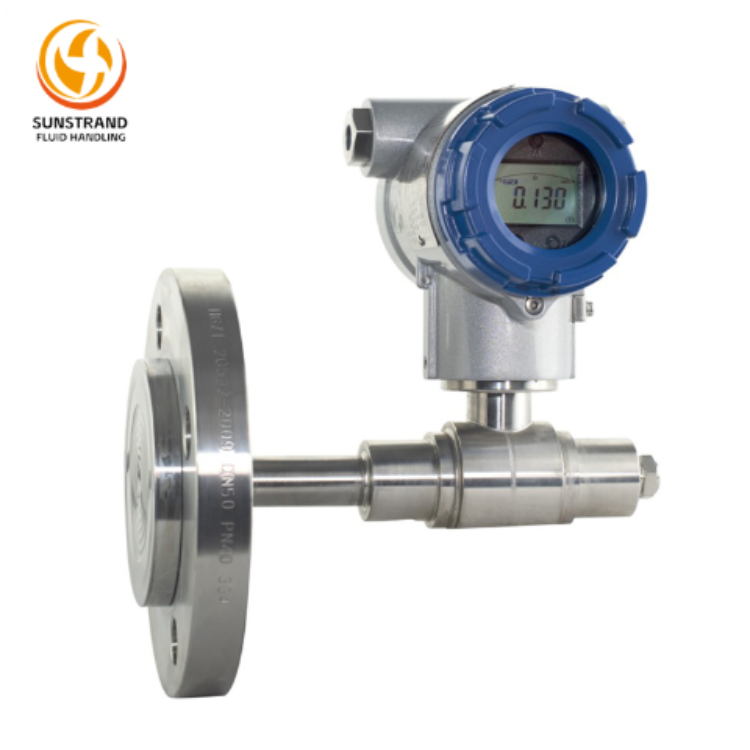
A high temperature pressure transmitter is engineered to operate reliably under elevated temperature conditions.
Equipped with cooling elements or remote diaphragm seals.
Resistant to thermal shock and material degradation.
Provides long-term accuracy in harsh environments.
Common in boilers, engine testing, chemical reactors, and steam systems.
Costlier than standard models due to specialized materials and design.
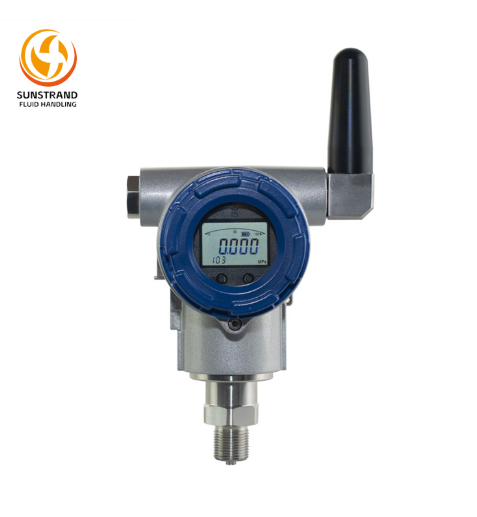
A wireless pressure transmitter transmits data through radio frequency or industrial communication protocols, eliminating wiring.
Simplifies installation in remote or hazardous areas.
Reduces maintenance and cabling costs.
Enables integration into digital monitoring systems.
Widely used in oilfields, water networks, and environmental monitoring systems requiring flexible data collection.
Depends on battery power or network stability; may require periodic signal calibration.
A digital smart pressure transmitter combines traditional sensing with microprocessor technology for enhanced diagnostics and digital output.
Supports communication protocols like HART, Modbus, or Profibus.
Auto-calibration and error compensation functions.
Enhanced accuracy and real-time monitoring.
Ideal for industrial automation, refineries, and smart factories requiring digital process integration.
Higher initial investment compared to analog transmitters.
An explosion-proof pressure transmitter is built to operate safely in hazardous environments containing explosive gases or vapors.
Certified to prevent ignition sources.
Rugged stainless-steel housing for durability.
Maintains accuracy even under extreme pressure and temperature.
Common in oil refineries, chemical plants, and mining operations.
Heavier construction increases cost and installation effort.
| Type | Pressure Reference | Key Features | Main Advantages | Typical Applications | Example Sunstrand Model |
|---|---|---|---|---|---|
| Absolute Pressure Transmitter | Reference to a perfect vacuum (0 Pa) | Measures absolute pressure independent of atmosphere | High accuracy, unaffected by barometric variation | Semiconductor processes, vacuum systems, aerospace testing | Sunstrand SPA100 Series |
| Gauge Pressure Transmitter | Relative to atmospheric pressure | Measures pressure above or below ambient pressure | Cost-effective, easy installation, widely used | Pumps, pipelines, water treatment, HVAC systems | Sunstrand SPG200 Series |
| Differential Pressure Transmitter | Difference between two pressure points | Includes capacitance type differential pressure transmitter for precision | Ideal for flow, level, and filtration monitoring | Process control, filter monitoring, energy systems | Sunstrand SPD300 Series |
| Submersible Pressure Transmitter | Hydrostatic pressure at depth | Fully sealed and corrosion-resistant | Accurate liquid level detection under harsh conditions | Wells, reservoirs, tanks, wastewater, groundwater | Sunstrand SPS400 Series |
| High Temperature Pressure Transmitter | Absolute or gauge reference with high-temp resistance | Built with cooling elements or diaphragm seals | Reliable in extreme temperature and pressure conditions | Boilers, steam systems, engine tests, reactors | Sunstrand SPT500 Series |
| Wireless Pressure Transmitter | Various, depending on configuration | Uses wireless communication (RF, Modbus, HART) | Reduces wiring cost, remote data access, flexible setup | Oilfields, pipelines, environmental monitoring, remote tanks | Sunstrand SPW600 Series |
| Digital Smart Pressure Transmitter | Absolute, gauge, or differential | Embedded microprocessor, digital output | Auto-calibration, diagnostics, high data accuracy | Industrial automation, smart factories, refineries | Sunstrand SPD700 Smart Series |
| Explosion-Proof Pressure Transmitter | Absolute or gauge | Rugged stainless-steel housing, explosion-safe design | Intrinsically safe, long lifespan, reliable in harsh zones | Oil & gas, chemical plants, mining industries | Sunstrand SPX800 Series |
| Hydrostatic Level Transmitter | Liquid head pressure reference | Measures level via static liquid pressure | Simple installation, stable signal output | Water reservoirs, tanks, dams, and sewage plants | Sunstrand SPL900 Series |
| Vacuum Pressure Transmitter | Measures below atmospheric pressure | Sensitive low-pressure measurement | Ideal for vacuum packaging, labs, and process chambers | Semiconductor, vacuum pumps, cleanrooms | Sunstrand SPV950 Series |
Selecting the right pressure transmitter type is key to maintaining process accuracy and safety. From hydrostatic level transmitters to high temperature and wireless pressure transmitters, each serves specific industrial demands.Sunstrand Fluid Handling Co., Ltd. delivers a full range of Sunstrand pressure transmitters with strong stability and precise performance, ideal for petroleum, chemical, and environmental systems. Explore Sunstrand Temperature and Pressure Transmitters to upgrade your process control with confidence and precision.