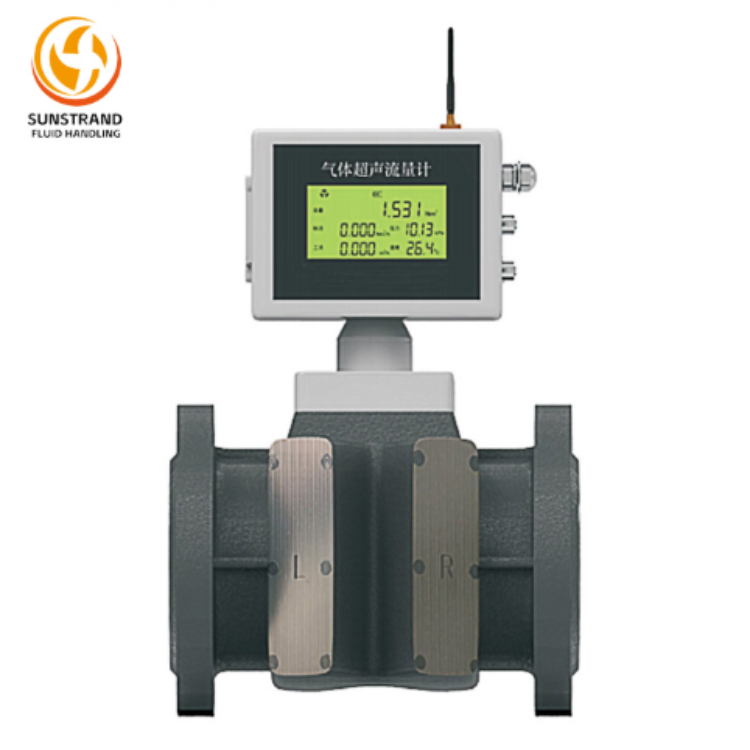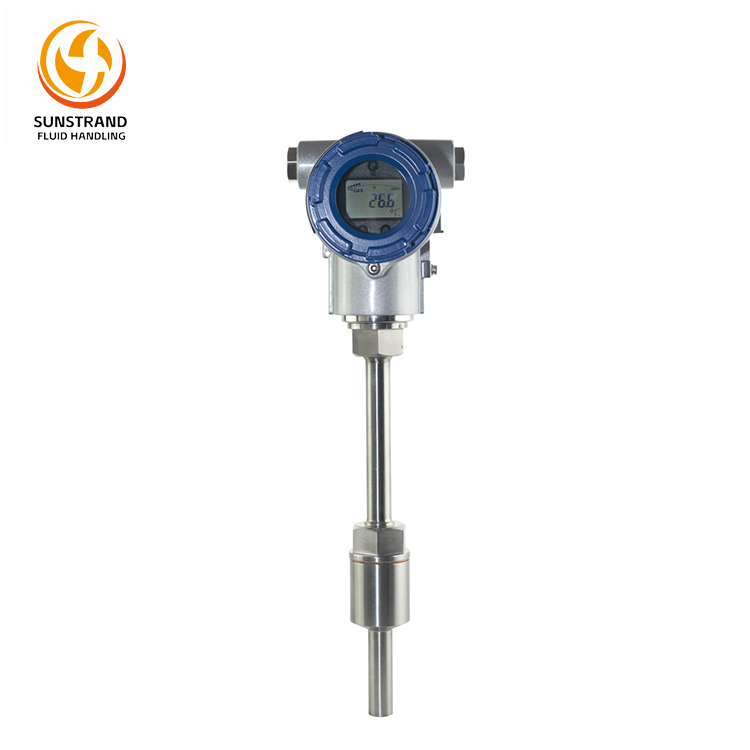

In industries where precise measurement of liquid flow is critical, a Liquid Flow Meter becomes an indispensable tool. From water treatment and food processing to oil & gas and pharmaceuticals, these devices ensure smooth operations, accurate monitoring, and better process control. But what is a liquid flow meter. How does it work, and what types are available? This guide explores everything you need to know-including selection, installation, calibration, and why Sunstrand Liquid Flow Meter stands out as a trusted solution.
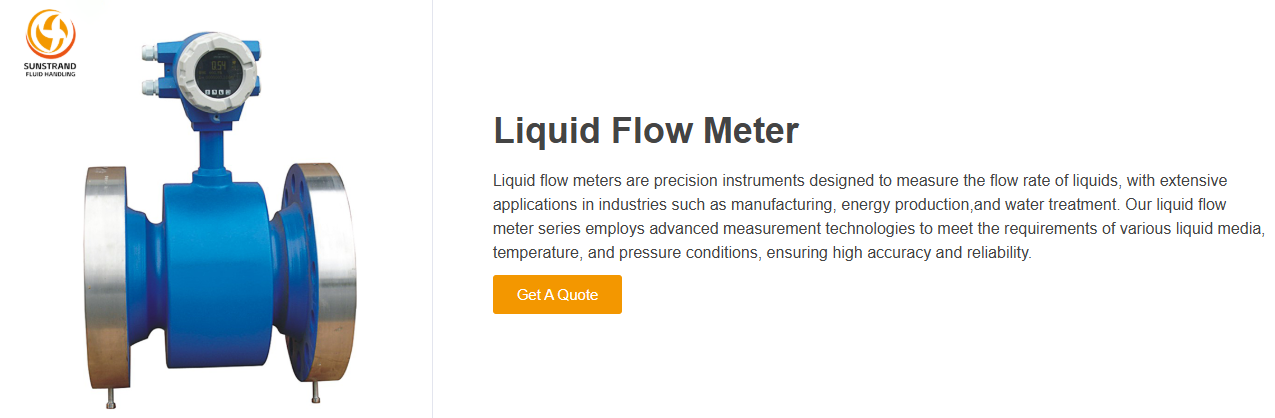
A Liquid Flow Meter is an instrument designed to measure the volume or mass of liquid moving through a pipeline. Depending on the model, it provides real-time readings for process monitoring, ensuring precise control and efficiency.
Different liquid flow meter types rely on varied principles such as mechanical rotation, ultrasonic waves, electromagnetic induction, or fluid displacement. The principle chosen directly affects accuracy, cost, and application suitability.
Main Features and Advantages
Application Scenarios
Potential Disadvantages
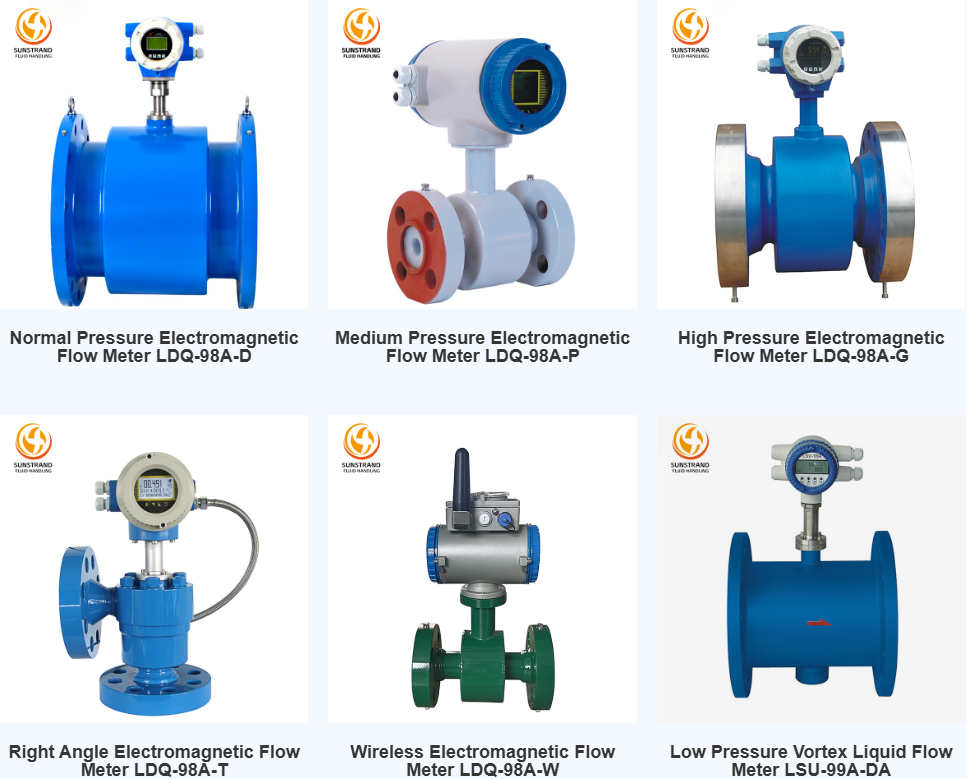
If you’re wondering how many types of flow meters exist, here are the most common categories:
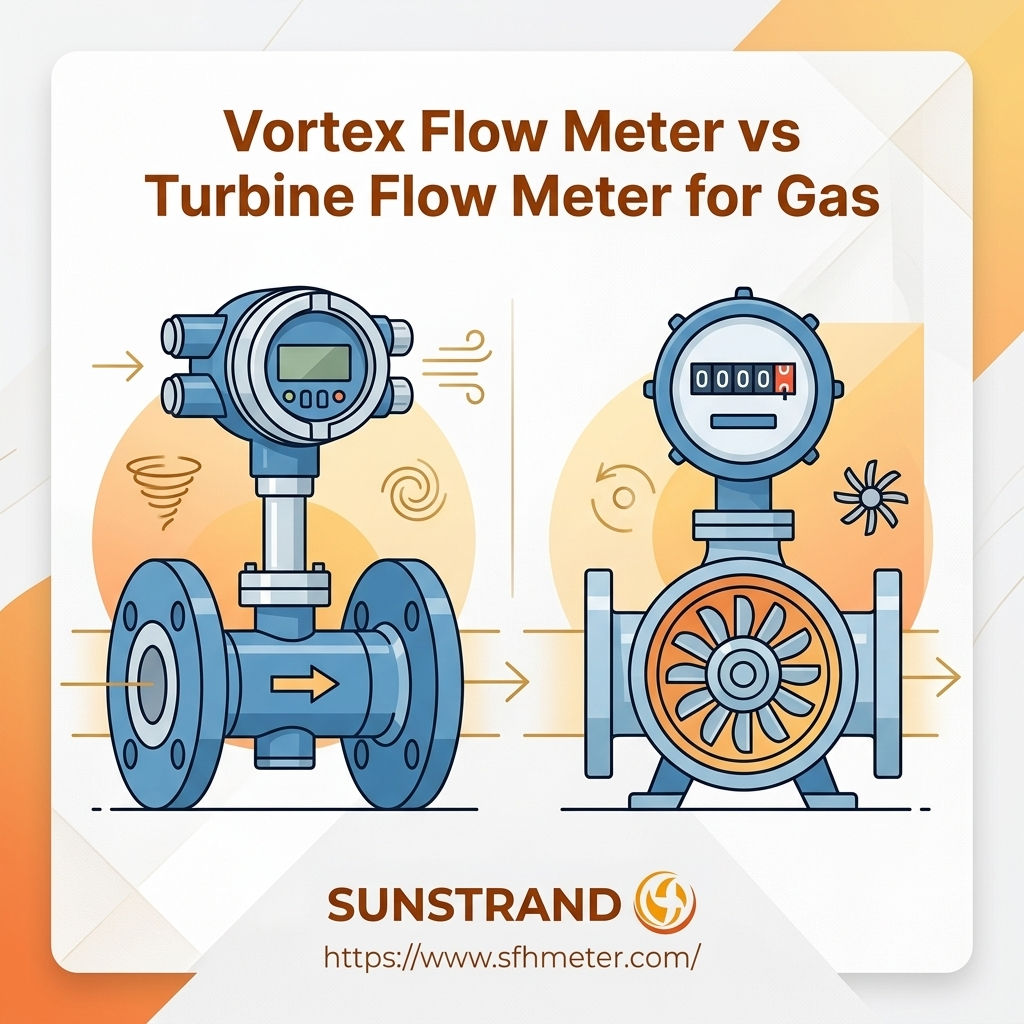
Turbine meters use a rotor placed inside the flow stream. As liquid passes through, the rotor spins proportionally to the velocity of the liquid.
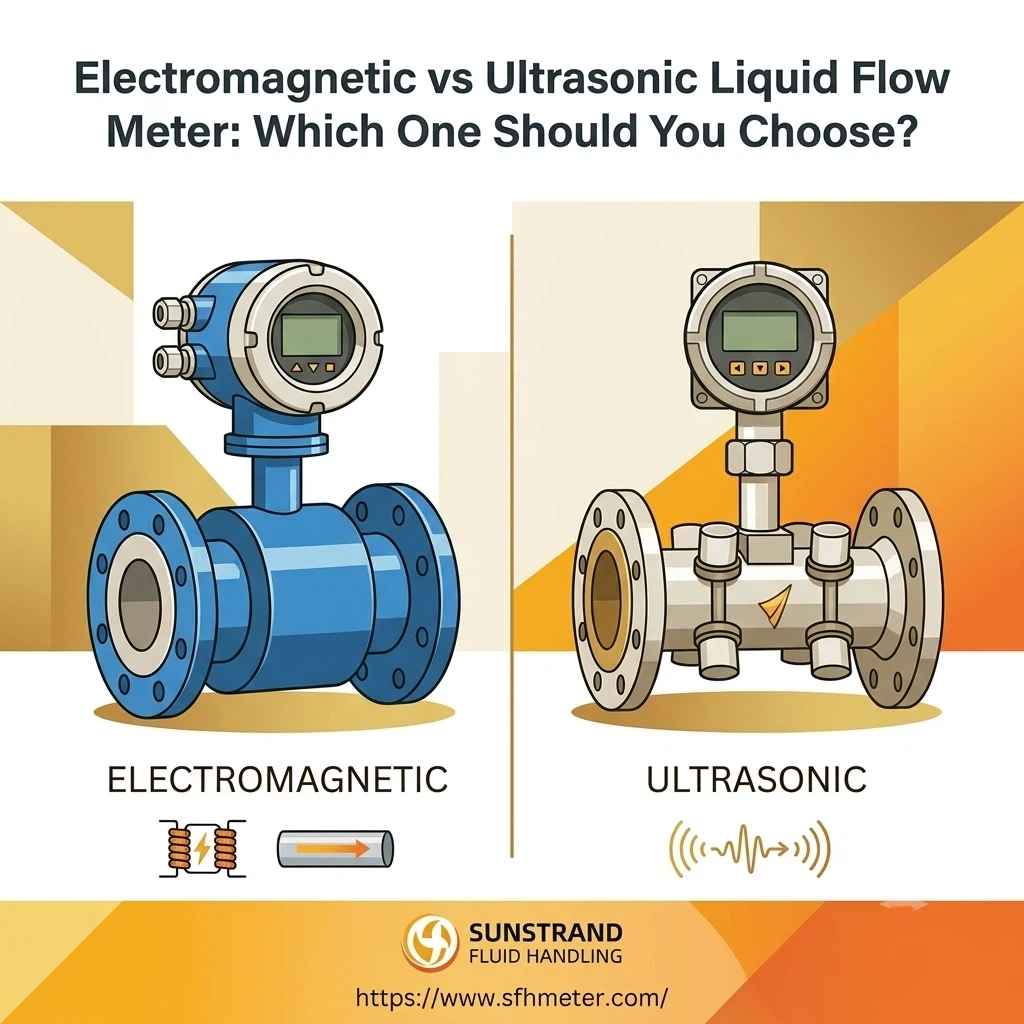
These rely on ultrasonic sound waves to measure the velocity of liquid flow. There are two main types: transit-time and Doppler.
Based on Faraday’s Law of Electromagnetic Induction, magnetic flow meters measure conductive liquids.
These use an obstruction (like an orifice plate or Venturi tube) to create pressure drops, which are then converted into flow measurements.
These divide liquid into small, fixed volumes and count them to determine total flow.
Often grouped with Magmeters, they are specifically designed for conductive liquid measurement with excellent accuracy).
Coriolis meters measure liquid mass flow directly by detecting vibrations caused by fluid movement.
Choosing the correct liquid flow meter is critical to ensure efficiency, cost-effectiveness, and long-term reliability, Here’s a practical step-by-step guide:
Start by answering: What is flow meter used for in your operation? ls it for billing, process control, safety monitoring, or research? For example, a high accuracy liquid flow meter may be necessary in pharmaceutical production, while basic monitoring may suffice in irrigation.
Evaluate parameters such as pressure, temperature, and installation space. A Coriolis liquid mass flow meter may handle high pressure and temperature, whereas ultrasonic meters are better for large pipelines with low-pressure drops.
Select a suitable principle (mechanical, electromagnetic, ultrasonic, or mass-based). For example:
Fluid viscosity, conductivity, presence of solids, or corrosiveness greatly affect performance.
Evaluate Installation Requirements
Some meters require long straight runs of pipe, while others (like ultrasonic clamp. On meters) can be installed without cutting pipelines. Consider available space and downtime costs during installation.
Budget and Total Cost of ownership
Don’t just consider purchase cost-include maintenance, calibration, energy consumption, and lifespan. For example, while Coriolis meters are expensive upfront, they often save money through low maintenance and unmatched accuracy.
Seek Expert Advice and Evaluate Supplier Support
Partner with a trusted supplier such as Sunstrand Liquid Flow Meter, which provides expert consultation, application-specific solutions, and after-sales calibration support. Choosing the right partner ensures long-term reliability and compliance with industry standards.
Installation and Maintenance of Liquid Flow Meters
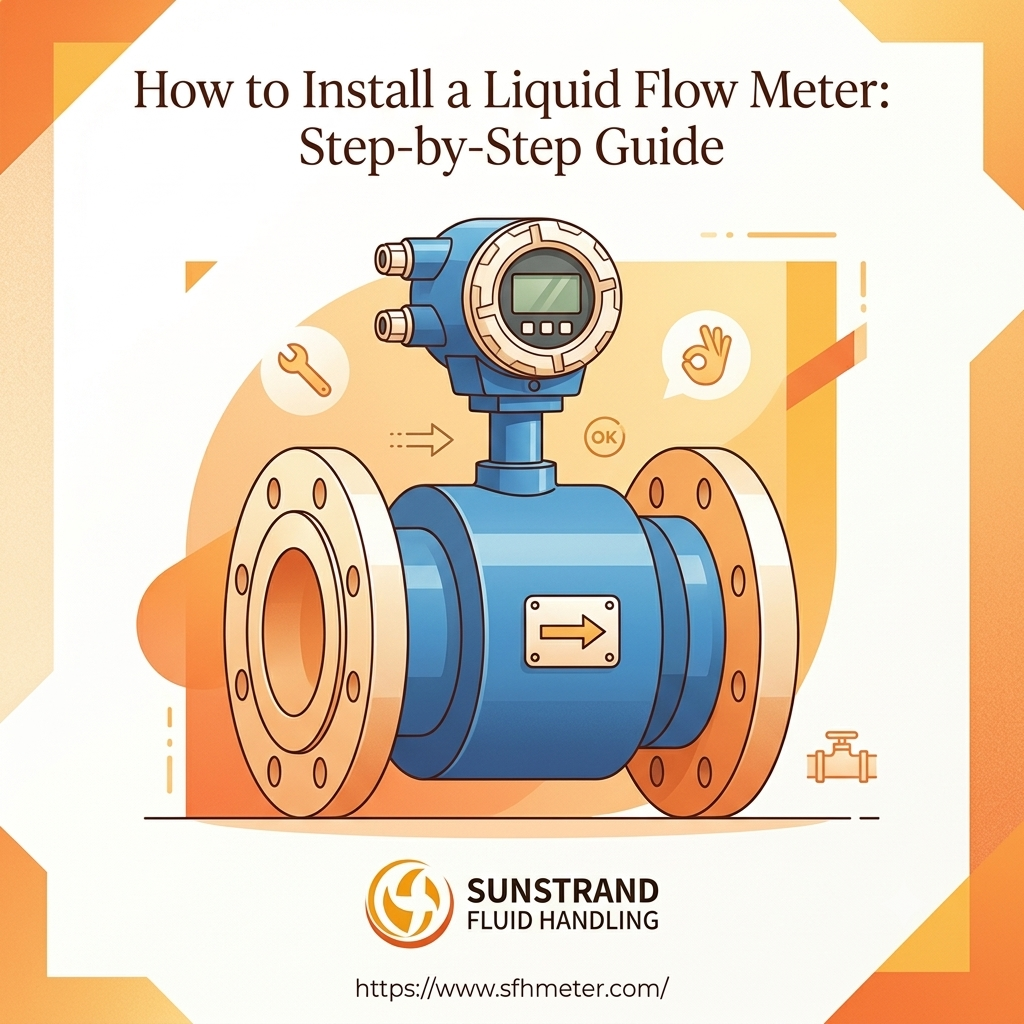
Proper installation ensures accurate readings. Always follow manufacturer guidelines, avoid bubbles or sediment buildup, and use correct piping. Routine maintenance includes cleaning, checking seals, and periodic recalibration. Preventive care enhances the lifespan of your flow meter liquid control system.
Liquid flow meter calibration ensures readings remain accurate over time. Environmental changes, wear, and fluid variations can affect performance. Regular calibration-either in-house or through a certified service provider-minimizes errors and ensures compliance with industry standards.
Why Choose Sunstrand Liquid Flow Meter?
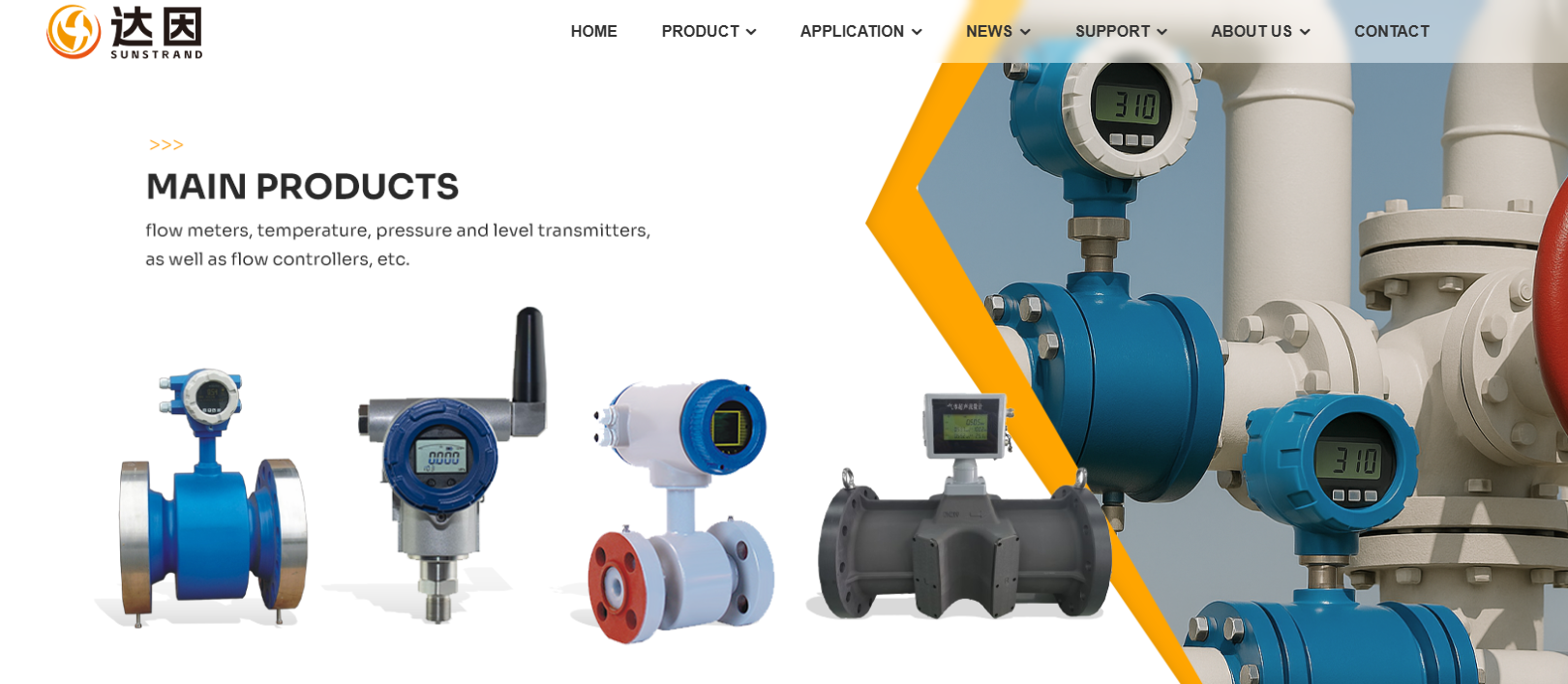
Sunstrand Liquid Flow Meter is engineered for precision, durability, and efficiency.Whether you need an electronic liquid flow meter for real-time monitoring or a liquid mass flow meter for advanced industrial use, Sunstrand offers solutions designed to meet global standards. With expert support, reliable service, and innovative designs, Sunstrand stands out among international suppliers.
A Liquid Flow Meter is essential for industries that demand precision, safety, and efficiency, From understanding what is flow meter used for to exploring liquid flow meter types, careful selection and maintenance ensure long-term success. For businesses seeking reliable performance, Sunstrand Liquid Flow Meter provides top-tier solutions backed by expert support and high-quality engineering.