
Warning: mysqli_query(): (HY000/1032): Can't find record in 'wp_options' in /www/wwwroot/dayin.junj.cc/wp-includes/class-wpdb.php on line 2351
Gas vs Liquid Flow Meter: Differences, Working Principles & Applications | Sunstrand
What is the Difference between a Gas and Liquid Flow Meter
23/08/2025

Introduction


In industrial processes, accurate flow measurement is essential for efficiency, safety, and cost control. Whether handling water, chemicals, oil, or natural gas, the right flow meter ensures precise monitoring and management, But what is the difference between a gas and liquid flow meter? While both serve the same purpose-measuring flow-their design, working principles, and applications differ significantly. In this guide, we’ll explore liquid flow meter types, gas flow meter types, calibration methods, and key differences to help you make informed decisions.
What Is a Liquid Flow Meter?


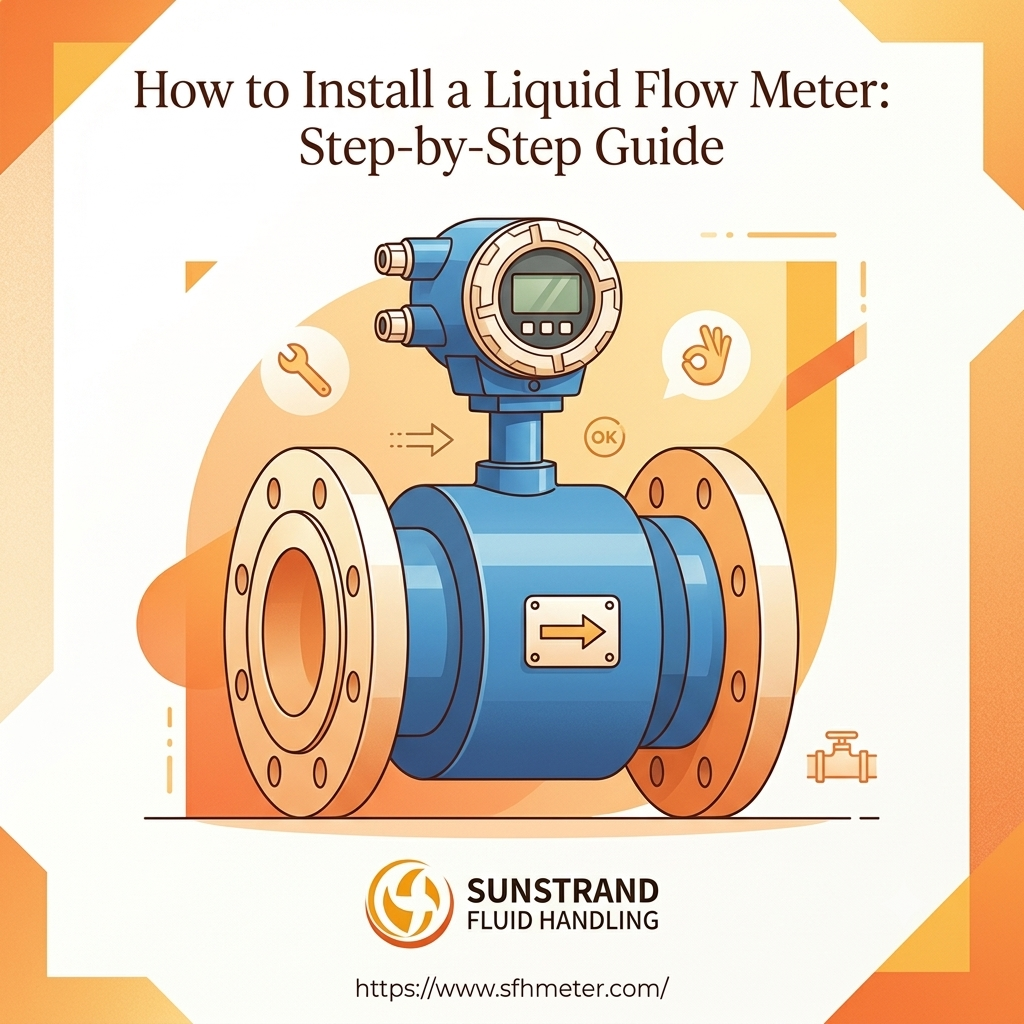
Liquid Flow Meter Products


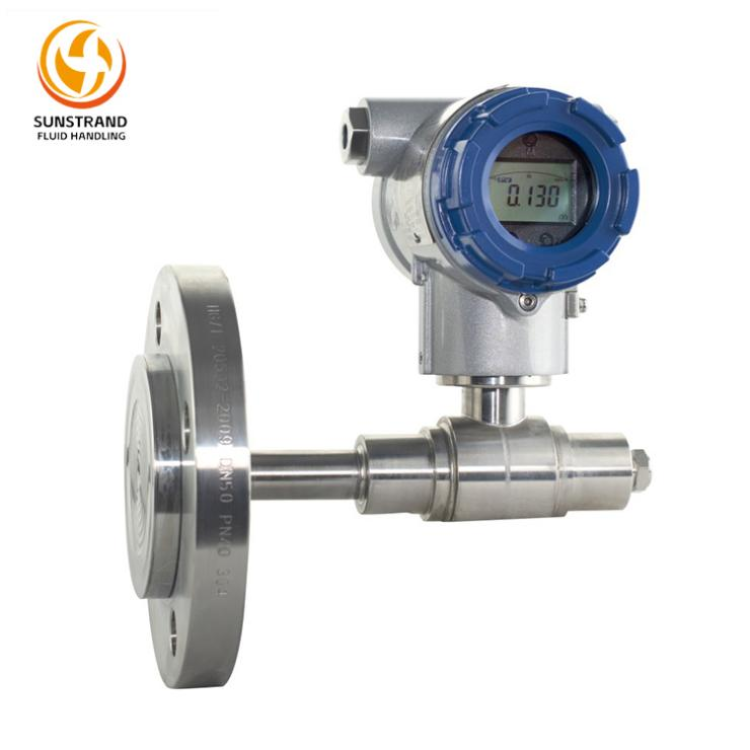
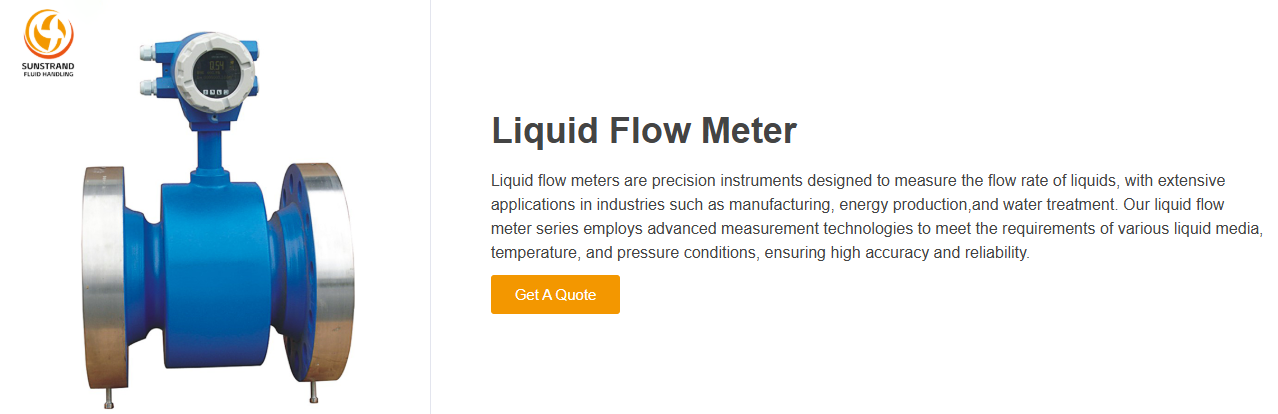
A Liquid Flow Meter is a device designed to measure the volume, velocity, or mass of a liquid moving through a pipeline. Since, liquids are generally incompressible. Measurement is more straightforward compared to gases. Still, different liquid flow meter types exist, each suited to different fluids and operating conditions.
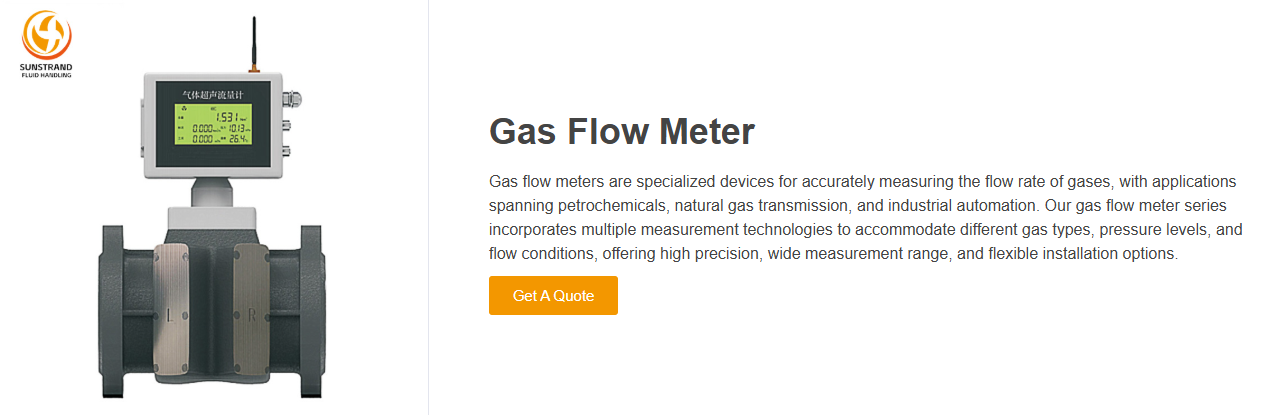
What Is a Gas Flow Meter?


Gas Flow Meter Products


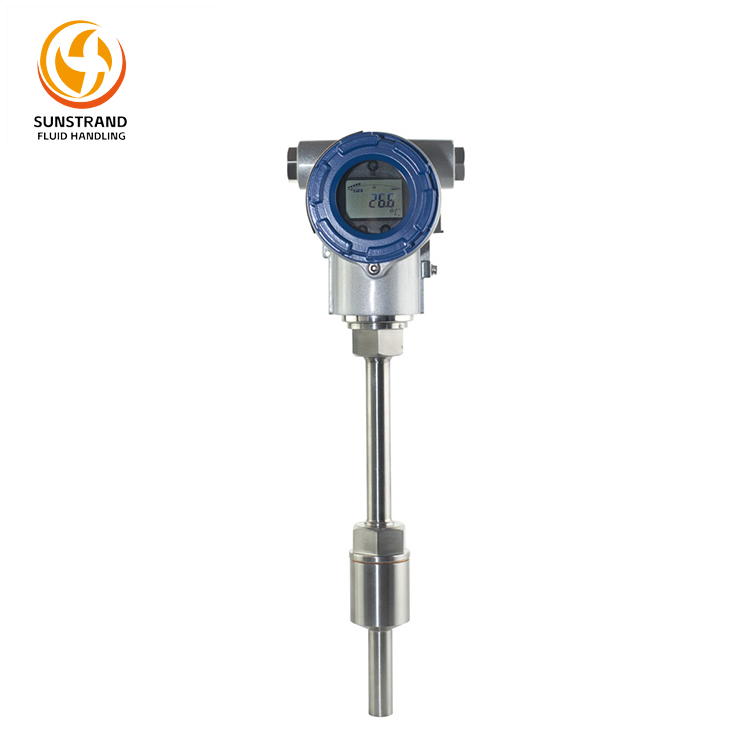
A Gas Flow Meter is used to measure the volume or mass of gas flowing through a system. Unlike liquids, gases are compressible, which means their density changes with pressure and temperature. As a result, gas flow meter working principles must account for these variations to ensure accurate results.

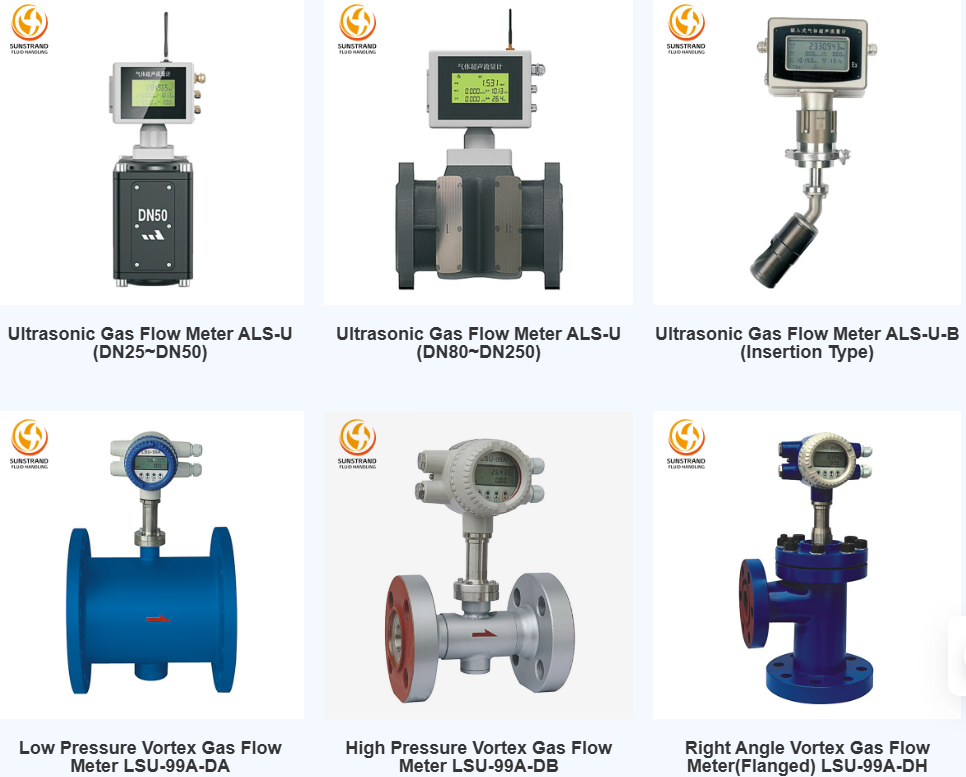
5 Differences Between a Gas and Liquid Flow Meter


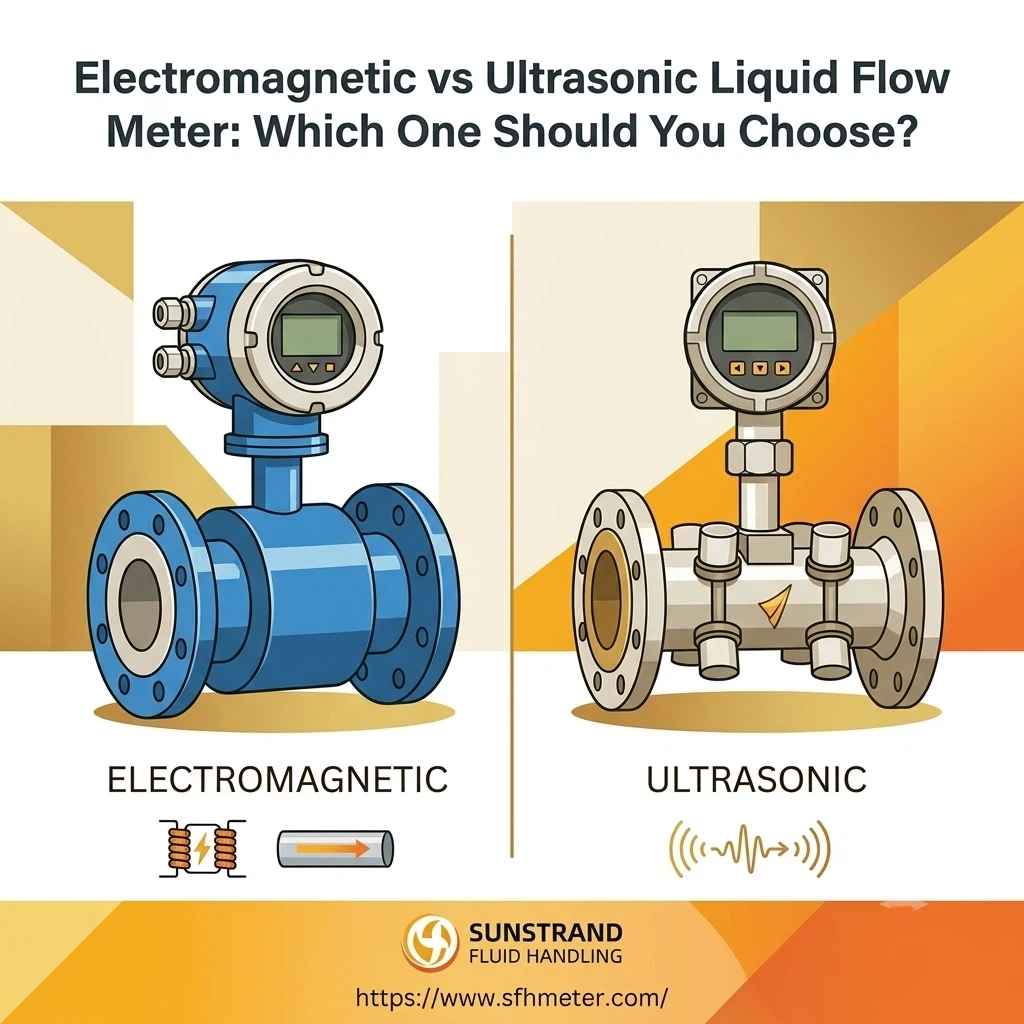
Liquid Flow Meter Products   Types


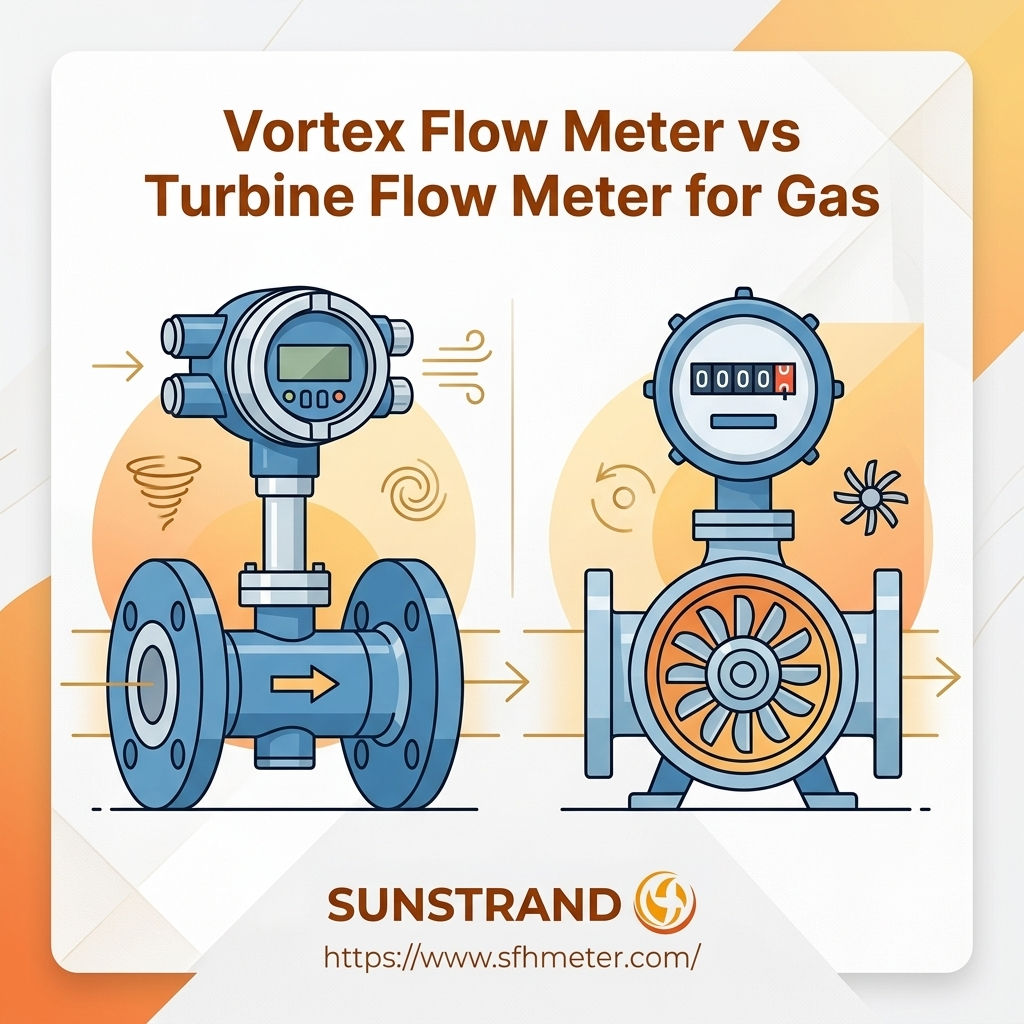
Gas Flow Meter Products  Types


Understanding the gas liquid difference is crucial when selecting the right flowmeter, while both measure flow, their operating principles, calibration requirements, installation needs, and application suitability differ significantly.

Working Principle

Liquid Flow Meter:

  • Measures the actual volume or mass of an incompressible fluid.
  • Common methods include turbine rotation, magnetic induction, ultrasonic waves, positive displacement, and Coriolis mass measurement.
  • The measurement is relatively stable because liquid density does not change significantly with temperature or pressure.


Gas Flow Meter:

  • Measures compressible fluids, so changes in temperature, pressure, and density must be compensated.
  • Uses thermal mass, ultrasonic, differential pressure, or Coriolis principles.
  • Requires advanced algorithms or correction factors to maintain accurate flow readings under variable operating conditions.

Takeaway: Liquids are easier to measure consistently, whereas gases require additional compensation for density changes.

Calibration and Accuracy

Liquid Flow Meter:

  • Calibration is simpler and more stable because liquids have predictable densities.
  • High accuracy liquid flow meters can achieve +0.1%-0.5% of reading.
  • Minimal influence from environmental factors, making flow meter liquid control easier to maintain.


Gas Flow Meter:

  • Calibration is more complex due to compressibility and temperature-pressure effects.
  • Accuracy may range from ±0.5% to ±2%, depending on technology and gas type.
  • Regular gas flow meter calibration is necessary to maintain precision, especially in custody transfer and safety-critical applications.


Installation Considerations


Liquid Flow Meter:

  • Typically, requires clean pipelines, sometimes with filters to prevent sediment buildup.
  • Can be installed horizontally or vertically, depending on meter type.
  • Turbine or magnetic flow meters may need straight pipe sections before a dafter the meter for stable readings.


Gas Flow Meter:

  • Installation is more sensitive due to gas velocity profile and turbulence.
  • Often requires long straight pipe runs upstream and downstream to stabilize flow.
  • Temperature and pressure sensors may be needed for accurate readings.


Advantages and Limitations


Liquid Flow Meter:

Advantages:

  • Wide selection of liquid flow meter types for different viscosities and chemical properties.
  • Higher stability and easier calibration.
  • Suitable for both industrial and process control applications.


Limitations:

  • Sensitive to particulates or debris; may require inline filters.
  • Certain types may not handle highly viscous fluids well (e.g., turbine meters).


Gas Flow Meter:
Advantages:

  • Ideal for compressible fluids, including air, natural gas, and industrial gases.
  • Can measure low-density gases accurately with proper compensation.


Limitations:

  • Higher upfront cost and more complex maintenance.
  • Accuracy affected by pressure and temperature variations.


Application Suitability


Liquid Flow Meter:

  • Common in water and wastewater treatment, oil & gas pipelines, food beverage, and pharmaceutical processes.
  • Provides both volume and mass flow measurement for precise process control.


Gas Flow Meter:

  • Suitable for natural gas distribution, HVAC systems, compressed air monitoring, chemical gases, and emission tracking.
  • Often used in custody transfer, where precise volume measurement is critical for billing and compliance.


Gas Flow Meter VS Liquid Flow Meter


When comparing gas vs. liquid flow meters, the gas liquid difference comedown to compressibility, calibration complexity, and application focus:

Feature Liquid Flow Meter Gas Flow Meter
Working Principle Measures volume/mass of incompressible liquids Measures flow of compressible gases with compensation
Calibration & Accuracy Easier, high stability, ±0.1–0.5% More complex, requires temp/pressure correction, ±0.5–2%
Installation Moderate, may require filters, straight pipes for some types Sensitive, requires long straight runs and sensors
Advantages High stability, wide type selection Ideal for compressible fluids, can handle low-density gases
Limitations Sensitive to particulates, some meters limited to low-viscosity fluids Higher cost, affected by pressure & temperature variations
Typical Applications Oil & gas, water, food & beverage, pharmaceuticals Natural gas, HVAC, chemical gases, emissions monitoring

Conclusion


Both gas flow meters and liquid flow meters play vital roles in industrial operations, but their differences are crucial when selecting the right instrument. While gas flow meters handle compressible fluids with advanced calibration, liquid flow meters provide reliable, stable measurement for a wide range of industrial liquids.
If you’re seeking durable, precise, and efficient solutions for liquid applications, Sunstrand Liquid Flow Meter offers cutting-edge technology, expert calibration support, and industry-leading reliability.

RELATED NEWS
YOU MAY ALSO WANT TO SEE
X GET A METERS SOLUTION TODAY!
icon
icon
icon
icon
Home
WhatsApp
Inquiry
Go Top