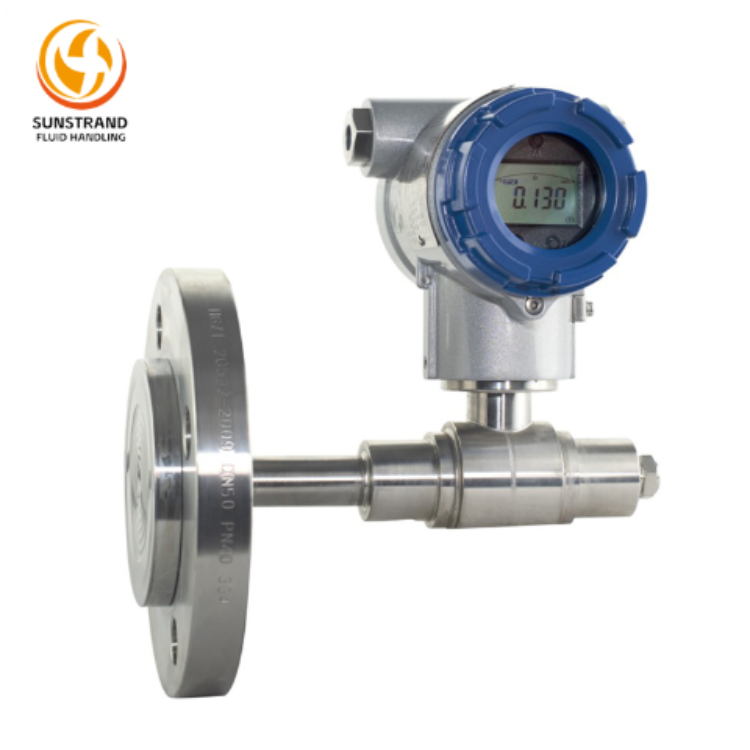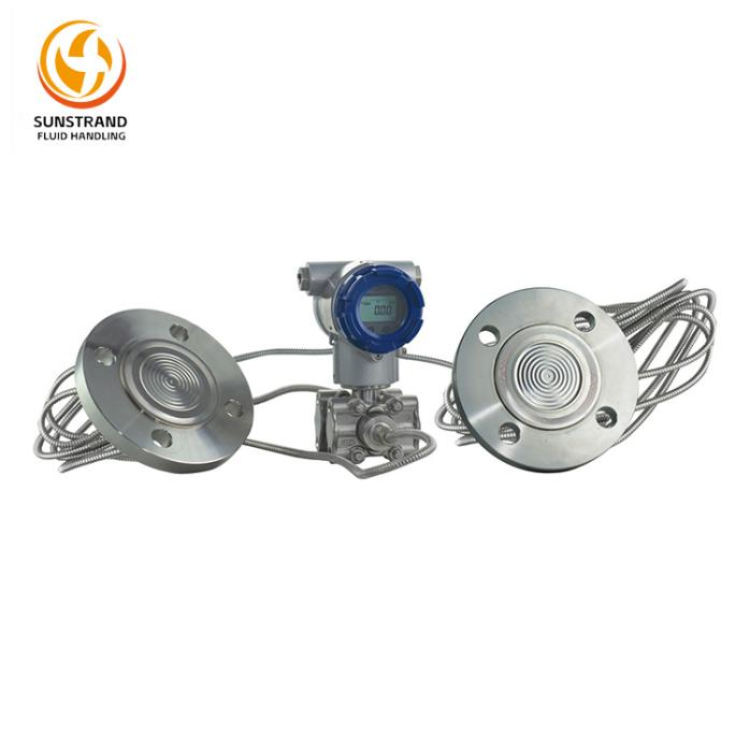

Pressure monitoring is essential for efficient operations in industries like oil and gas, water treatment, and chemical processing. Understanding the difference between a pressure transmitter and a pressure switch is key to choosing the right solution. Sunstrand Pressure Transmitters offer high precision and reliability, making them ideal for continuous pressure monitoring in various applications. In this blog, we’ll highlight the key differences between these devices and show how Sunstrand can improve your pressure measurement systems.
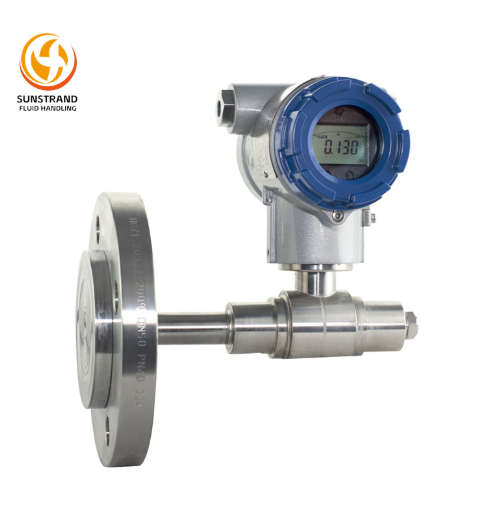
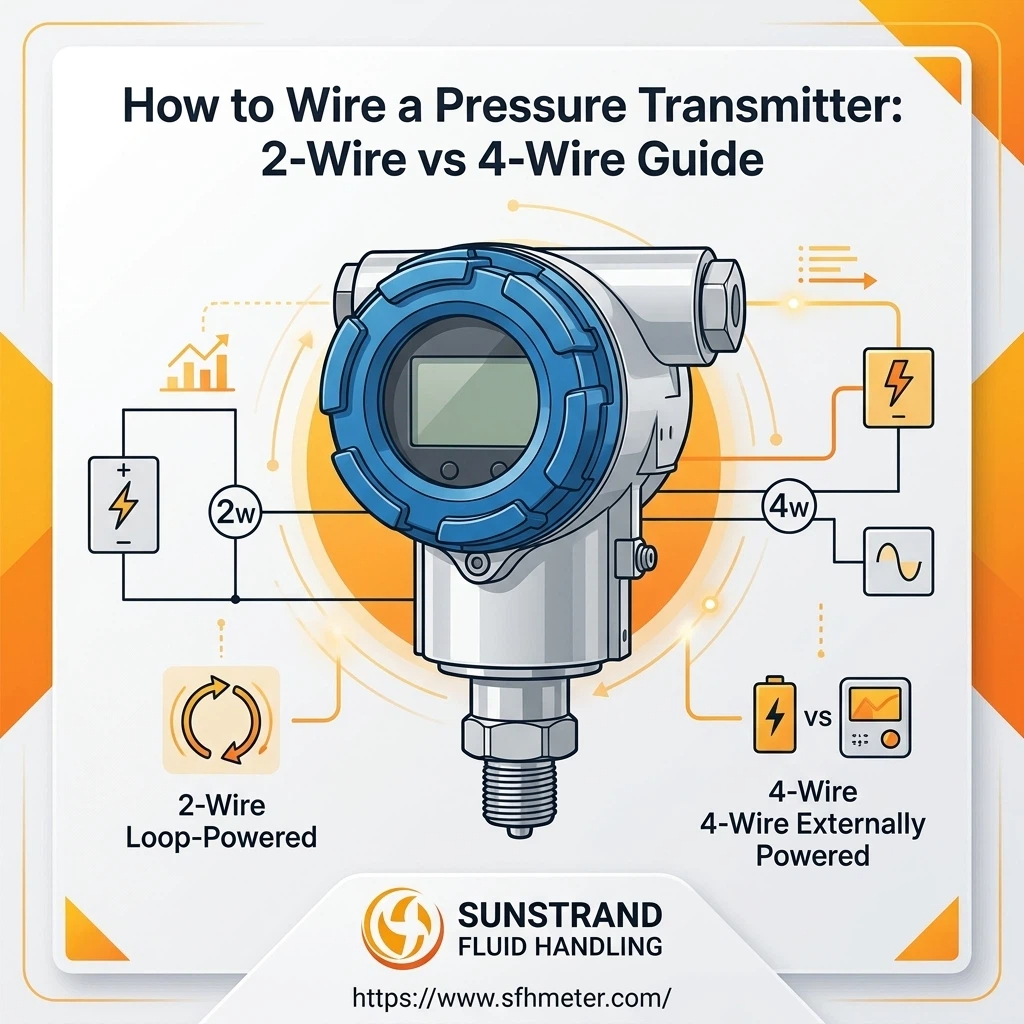
A pressure transmitter is a sophisticated device designed to measure the pressure or differential pressure of a system and convert the measurement into a standardized electrical signal, usually in the form of 4-20mA or digital output. The pressure transmitter function allows it to provide real-time pressure data, which is crucial for process control in industries such as oil and gas, chemical processing, and water treatment.
Pressure transmitters typically use a pressure sensor element that responds to pressure changes, which is then converted into an electrical signal for easy integration with control systems. These instruments are highly accurate, offering precise readings of pressure levels within a system, and are often used for continuous pressure monitoring.
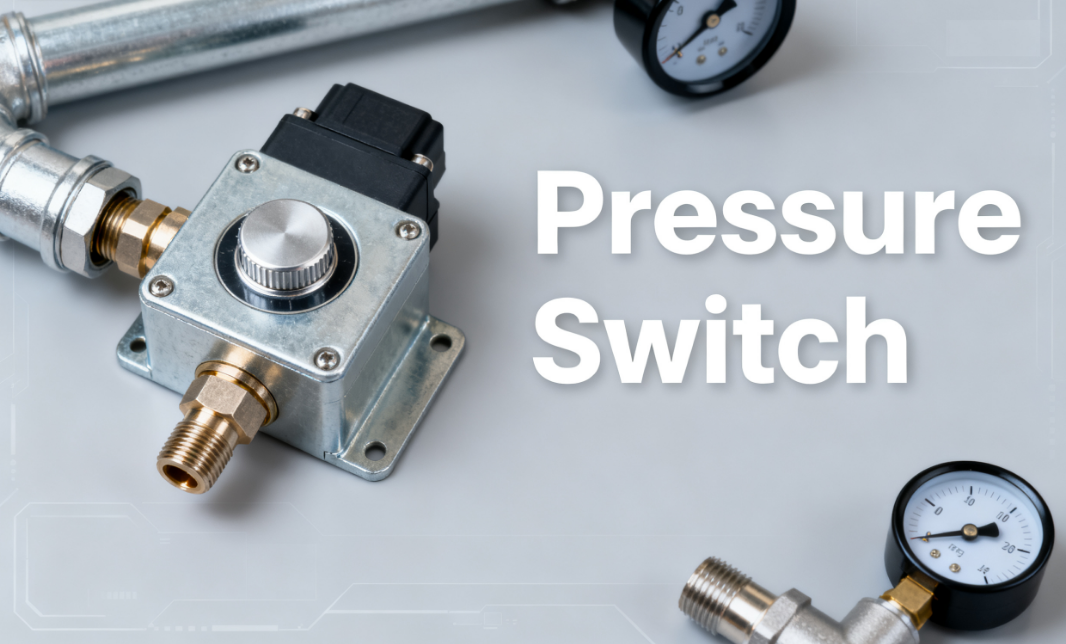
In contrast, a pressure switch is a simpler device designed to monitor pressure and trigger an action when the pressure exceeds or falls below a predefined threshold. Unlike a transmitter, which provides continuous output, a pressure switch typically operates as an on/off device. When the pressure reaches a certain point, the switch activates or deactivates a relay, making it ideal for controlling systems like pumps or valves in pressure control systems.
The pressure switch function is primarily focused on triggering actions in response to pressure changes. For instance, it may shut off a pump when the pressure gets too high or turn it on when the pressure falls too low, preventing damage to equipment or ensuring the process continues smoothly.
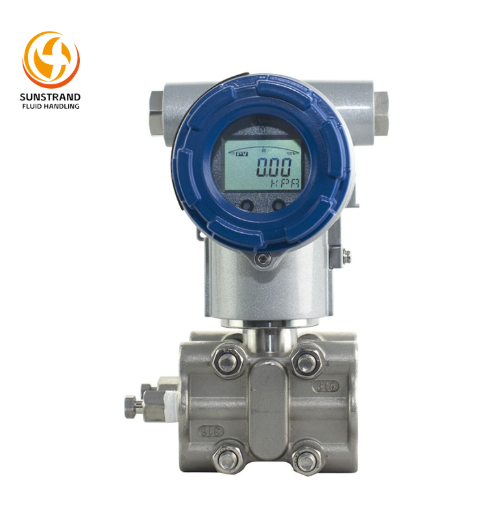
Pressure Transmitter: Measures the pressure continuously and converts it into an analog or digital output signal that is sent to a control system for real-time monitoring.
Pressure Switch: Operates as a simple on/off device that triggers a mechanical relay when the pressure exceeds or drops below a preset level.
Pressure Transmitter: Provides continuous, precise measurements with a standard output signal (typically 4-20mA or digital) for direct integration with control systems.
Pressure Switch: Provides a binary output (on or off) based on preset pressure thresholds, often used to control other equipment or activate alarms.
Pressure Transmitter: Offers high accuracy and resolution, making it ideal for applications where precise measurements are critical, such as in process control and automation.
Pressure Switch: Less accurate than a transmitter, as it’s designed to simply activate or deactivate at a set pressure level, without providing continuous data.
Pressure Transmitter: Typically has a fast response time, providing continuous feedback to the system, which is critical for real-time adjustments in high-speed processes.
Pressure Switch: Has a slower response time, as it only responds when the pressure reaches a specific threshold.
Pressure Transmitter: Primarily used for monitoring pressure, providing data for continuous process control, and integrating with automation systems to adjust other parameters as needed.
Pressure Switch: Primarily used for control purposes, triggering actions (e.g., turning equipment on/off) based on pressure conditions, rather than providing detailed data.
Pressure Transmitter: Used in systems requiring precise and continuous pressure data, such as oil and gas pipelines, chemical reactors, and water treatment plants.
Pressure Switch: Used in applications where on/off control is sufficient, such as HVAC systems, pump stations, and safety systems in various industrial settings.
Pressure Transmitter: Generally designed for long-term, continuous operation with higher durability, although it may require more frequent calibration due to its precision.
Pressure Switch: Typically has a longer service life due to its simple mechanical design, though it may require occasional adjustment for optimal performance.
Pressure Transmitter: More expensive and complex than a pressure switch, requiring specialized maintenance and calibration.
Pressure Switch: More affordable and simpler to maintain, making it a cost-effective solution for basic pressure monitoring and control needs.
Pressure Transmitter: Since it’s used for continuous monitoring, it plays a vital role in safety by ensuring that pressure levels stay within safe ranges. However, failure can lead to more significant issues in high-precision systems.
Pressure Switch: Although less complex, a malfunctioning pressure switch can lead to system failures, especially in applications that require rapid response to pressure changes.
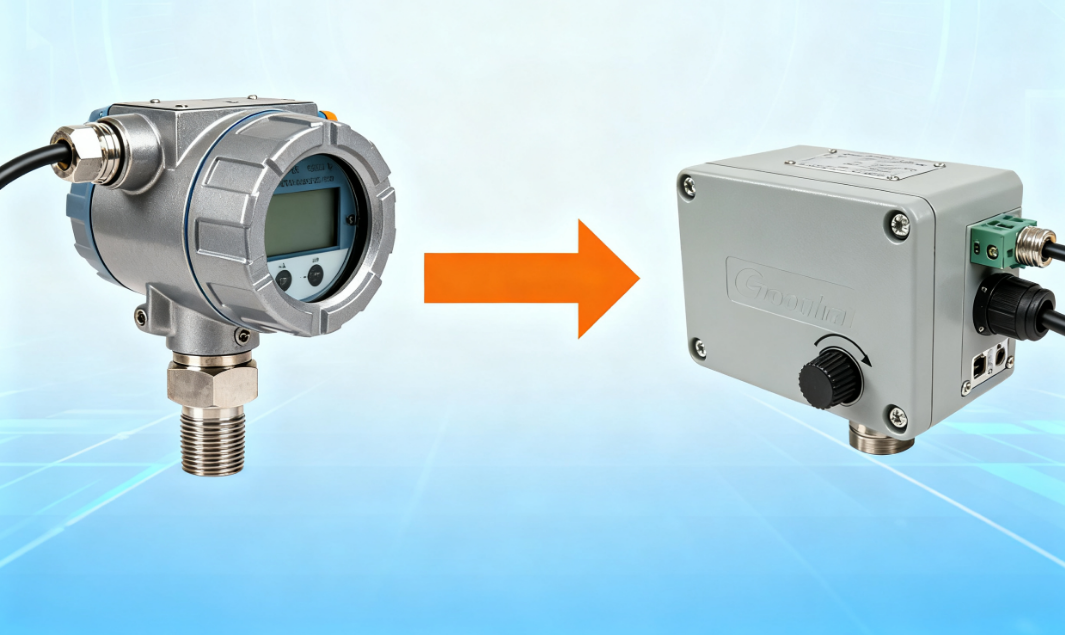
| Feature | Pressure Transmitter | Pressure Switch |
|---|---|---|
| Working Principle | Continuously measures pressure and converts it into a standardized output signal | Triggers an on/off switch action when pressure reaches a preset threshold |
| Output Signal | Provides continuous, precise analog or digital signal (typically 4-20mA) | Provides binary output (on/off) for controlling other equipment or activating alarms |
| Accuracy & Resolution | High accuracy and resolution, suitable for applications requiring precise measurements | Lower accuracy, suitable for basic on/off control |
| Response Time | Fast response time, suitable for real-time adjustments in fast processes | Slower response time, triggers action only when pressure reaches a set threshold |
| Function & Control | Used for continuous pressure monitoring and providing data for process control | Used for controlling equipment (e.g., turning it on or off) when pressure reaches a set value |
| Typical Applications | Precision measurement applications in industries like oil & gas, chemical processing, automation, and water treatment | Applications that require on/off control, such as HVAC systems, pump stations, and industrial safety systems |
| Reliability & Service Life | Designed for long-term, stable operation with higher durability, though it may require frequent calibration | Simple structure, longer service life but may need occasional adjustment |
| Cost & Maintenance | Higher cost, more complex maintenance with regular calibration requirements | Lower cost, easier to maintain, suitable for basic pressure monitoring |
| Safety & Risks | Critical in high-precision applications, failure can lead to significant issues in complex systems | Malfunctioning can cause system failure, but typically does not involve critical data |
In conclusion, the difference between a pressure switch and a pressure transmitter lies in their function, output, accuracy, and typical applications. A pressure transmitter is ideal for continuous, precise pressure monitoring, while a pressure switch is best for on/off control based on preset pressure thresholds. Understanding these differences will help you choose the right device for your specific needs.
If you’re looking for a high-quality pressure transmitter for your application, Sunstrand offers reliable, high-performance products that deliver precise and stable results. For more information on Sunstrand Pressure Transmitters and how they can improve your pressure control systems, visit our website today!