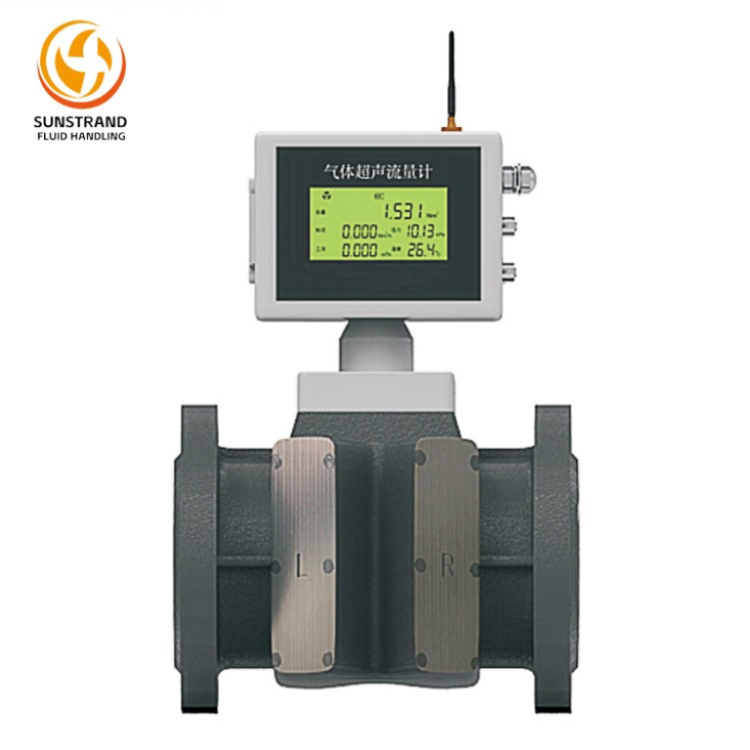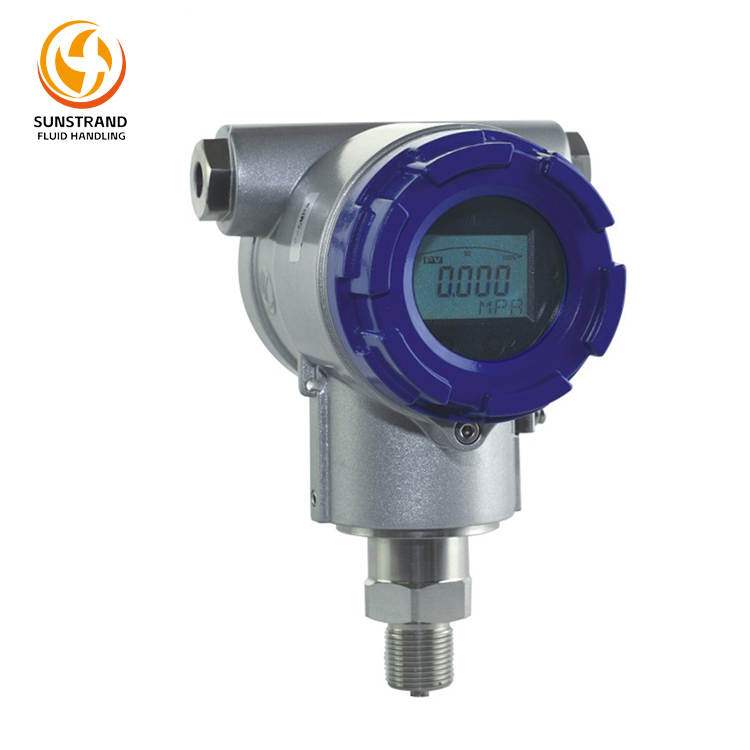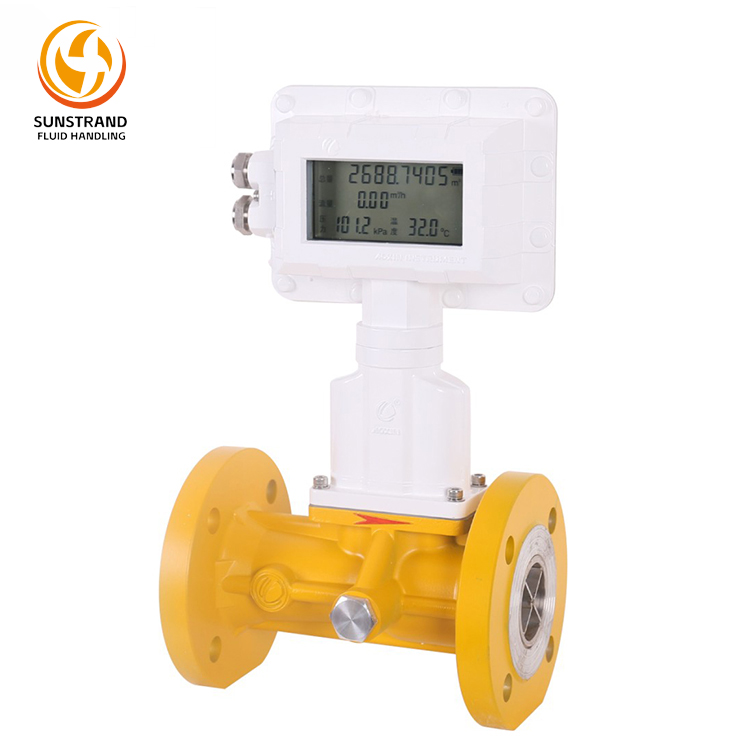

In modern industries, precise pressure measurement is essential for safety, efficiency, and process optimization. A Pressure Transmitter plays a vital role in monitoring fluid and gas systems by converting pressure into standardized signals for control and automation. From oil & gas pipelines to water treatment plants, these instruments ensure stable operation, minimize risks, and improve productivity. This guide explains what a pressure transmitter is, how it works, its types, applications, calibration, installation, and why Sunstrand Pressure Transmitter is a trusted choice worldwide.
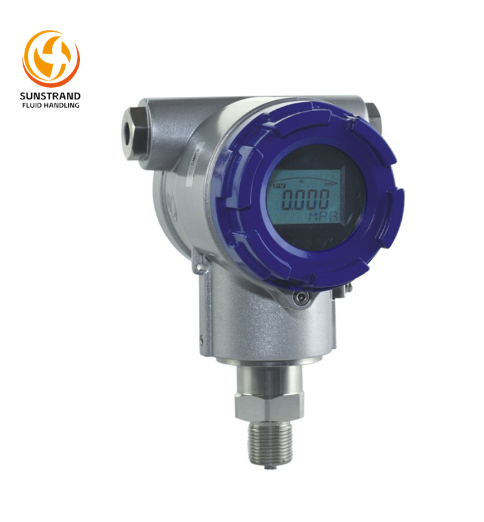
A Pressure Transmitter is an instrument designed to measure absolute, gauge, or differential pressure and transmit it as an electrical output signal (commonly 4–20 mA or digital protocols). It is widely applied in automation, chemical processing, power plants, and water treatment industries.
What is a pressure transmitter and how does it work? The core component is a pressure sensor that detects fluid or gas pressure. This mechanical input is converted into an electrical signal, amplified, and transmitted to a monitoring or control system.
Pressure Transmitter Working Principle: Pressure changes cause deformation in the sensor diaphragm → electrical resistance or capacitance changes → signal conditioning → output signal.
Some advanced models integrate microprocessors, forming a Digital Pressure Transmitter for higher accuracy and smart diagnostics.
Pressure transmitters offer numerous advantages in various applications:
High Precision: Pressure transmitters are designed for accurate pressure measurement, ensuring that processes operate within optimal pressure ranges.
Versatility: These devices are adaptable to different fluids, gases, and environmental conditions, making them suitable for a wide range of industries.
Reliability: With robust construction, pressure transmitters provide long-term durability, ensuring reliable measurements over time.
Easy Integration: Most pressure transmitters feature standardized outputs, making them easy to integrate into automated control systems for seamless operation.
Pressure transmitters are employed across a variety of industries:
Oil and Gas: Used to monitor pressure in wellheads, pipelines, and reservoirs.
Chemical Processing: Essential for maintaining consistent pressure levels in reactors, storage tanks, and pipelines.
Water Treatment: Used to measure and control water pressure in filtration systems and distribution networks.
HVAC Systems: Helps monitor and maintain pressure in heating, ventilation, and air conditioning systems.
Despite their advantages, pressure transmitters also come with a few drawbacks:
Sensitivity to Environmental Factors: Exposure to extreme temperatures, chemicals, or high vibrations may affect performance.
Regular Maintenance: Calibration and periodic maintenance are required to ensure consistent accuracy.
Higher Costs: Advanced models, such as digital pressure transmitters, may come at a higher initial cost.
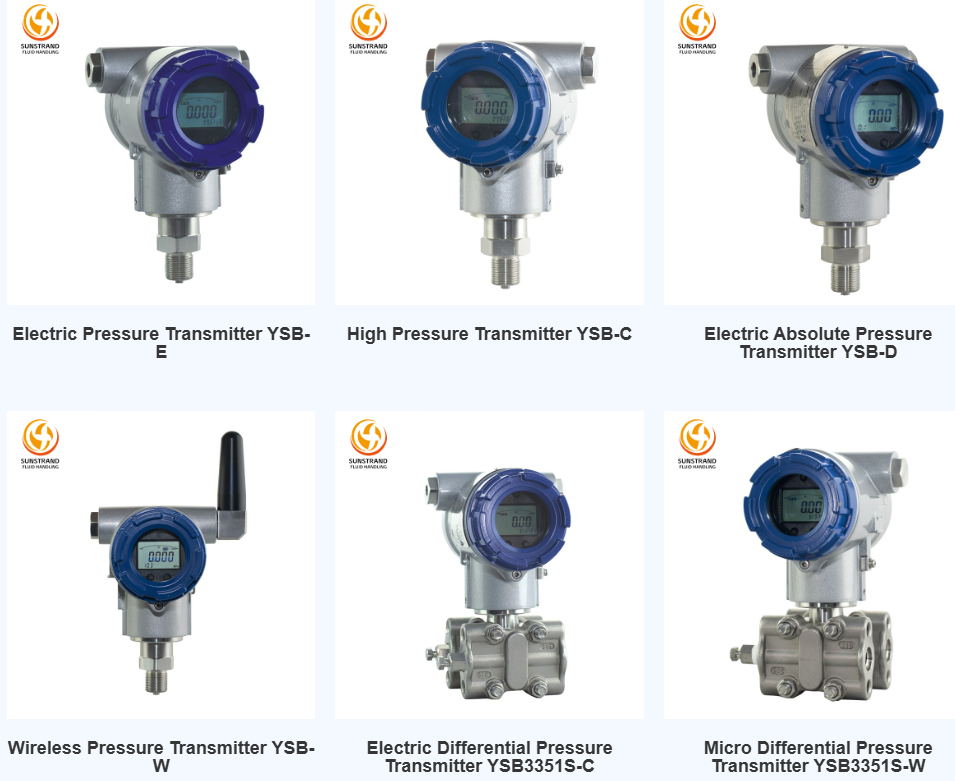
A differential pressure transmitter measures the difference in pressure between two points in a system. This type of transmitter is commonly used for flow measurement or monitoring filter conditions, especially in industries like oil and gas, chemical processing, and HVAC.
Digital pressure transmitters convert analog pressure data into digital signals. These transmitters provide enhanced precision and are ideal for applications requiring high accuracy and digital integration with control systems. Sunstrand Pressure Transmitters offer advanced digital models that are built for demanding industrial applications.
Designed for tough industrial environments, industrial pressure transmitters are built to withstand harsh conditions, including high pressure, extreme temperatures, and exposure to chemicals. These transmitters are used across a wide range of sectors, including manufacturing, oil and gas, and chemical industries.
The flange differential pressure transmitter features a flange connection for easy installation in pipelines. The flange ensures a secure, leak-proof connection, making it ideal for high-pressure applications where durability and safety are key.

Choosing the right pressure transmitter involves considering several key factors. Follow these 5 steps to ensure that you select the optimal device for your application:
Start by assessing the specific needs of your application. Consider the following:
What fluid or gas is being measured?
What is the pressure range your system operates in?
What are the environmental conditions (temperature, vibration, exposure to chemicals)?
Decide a pressure transmitter based on your application. If you need to measure the difference in pressure, a differential pressure transmitter is ideal. For applications requiring digital integration and high accuracy, opt for a digital pressure transmitter.
Ensure that the pressure transmitter you decide can handle the pressure range of your system. If the transmitter has too narrow a range, it may not capture the required pressure readings, while too wide a range may affect its accuracy.
Select a pressure transmitter made from materials compatible with the fluids in your system. For harsh environments, stainless steel or specialized alloys may be required for corrosion resistance. Make sure the transmitter’s construction is suitable for the operating conditions, including temperature and pressure levels.
The output signal plays a crucial role in system integration. Consider whether your system requires an analog signal (4-20mA), or if a digital output (HART, Modbus, etc.) is more appropriate for advanced diagnostics and integration with control systems.
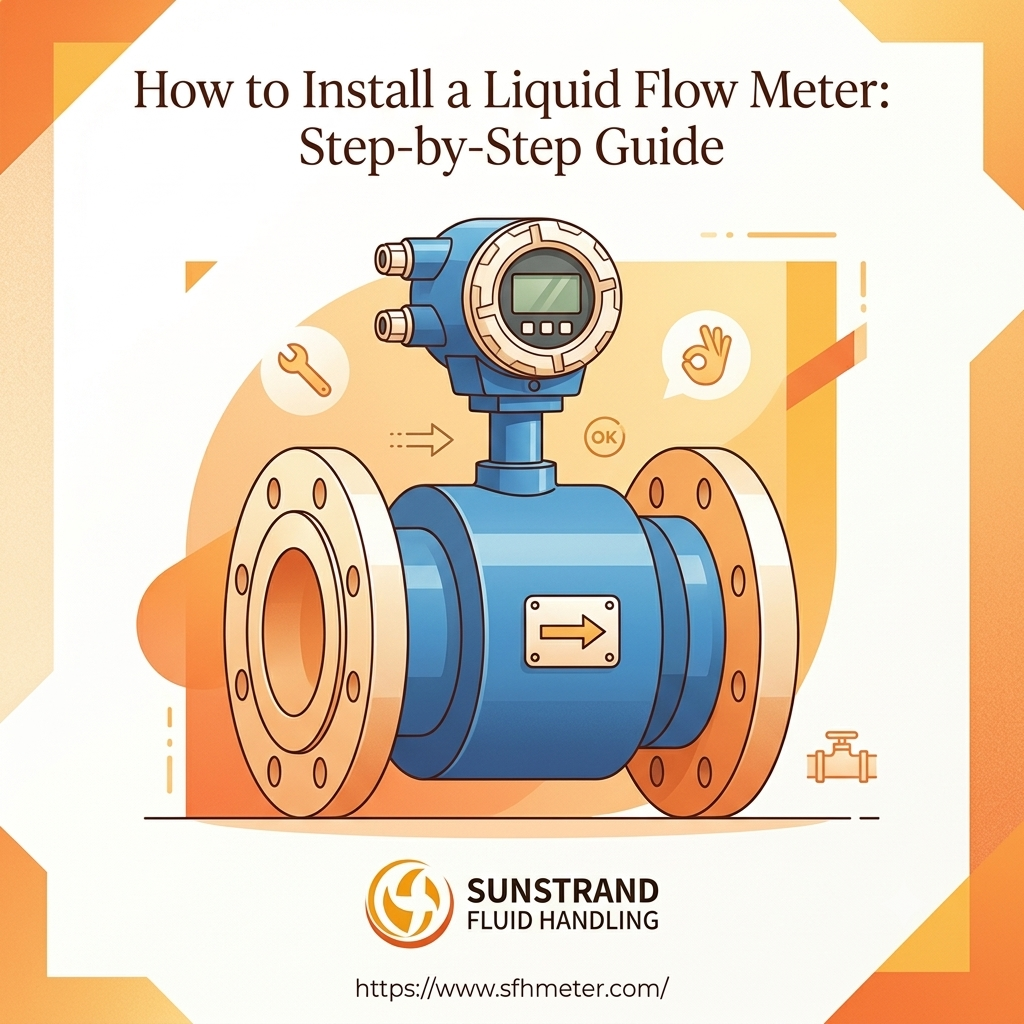
Proper installation is crucial for ensuring accurate pressure measurements. Here’s how to install a pressure transmitter:
Select an Ideal Location: Ensure the transmitter is installed where it is free from vibrations and extreme environmental conditions.
Mounting: Secure the transmitter with the proper mounting brackets or fixtures to ensure stability.
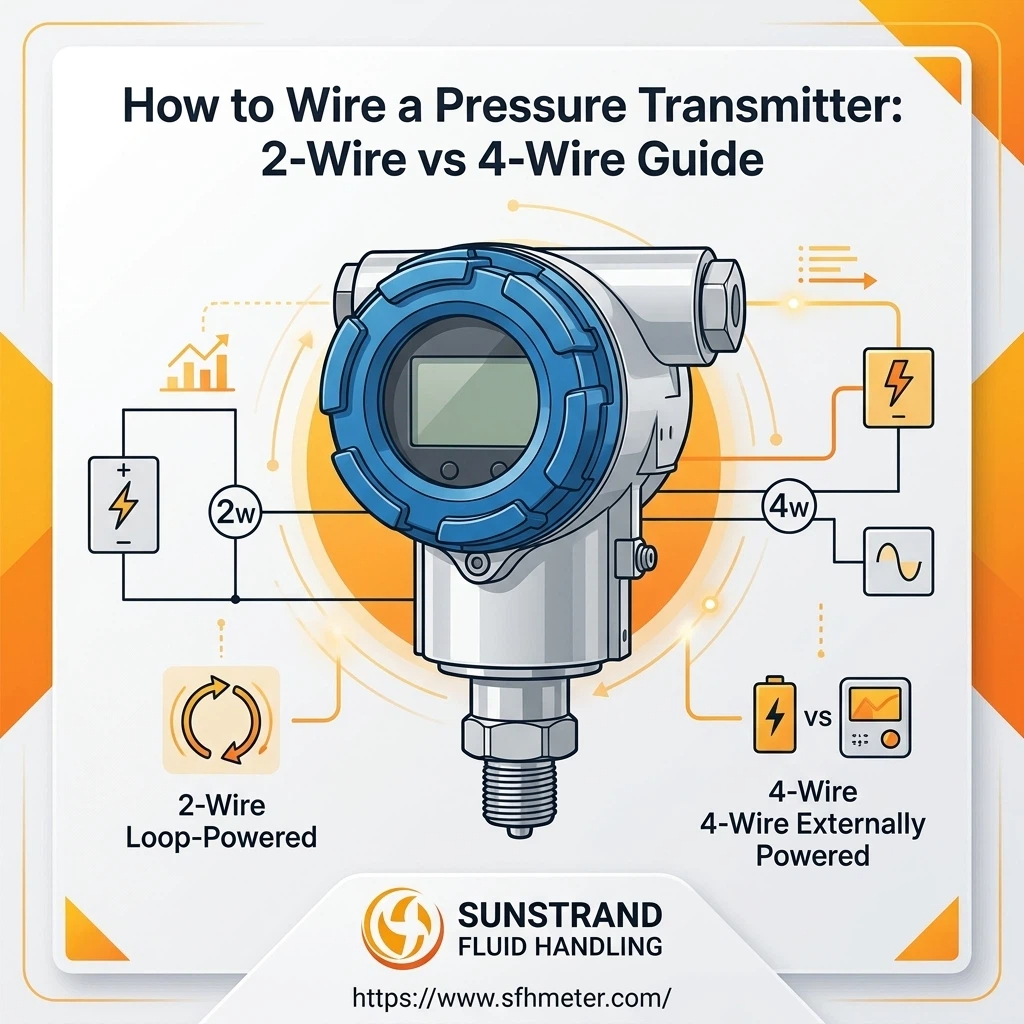
Wiring: Connect the transmitter to your control system using the correct wiring configuration.
Zero Calibration: Perform zero calibration to ensure the transmitter starts with accurate readings.
To maintain the accuracy and longevity of your pressure transmitter, follow these maintenance tips:
Regular Calibration: Periodically calibrate the device to ensure it continues providing accurate pressure readings.
Inspect for Leaks: Ensure there are no leaks around the transmitter, as they can affect its performance.
Clean the Sensor: Keep the pressure sensor free from contaminants to ensure reliable measurements.
Calibration is essential for maintaining the accuracy of pressure transmitters. Over time, sensors can drift, leading to inaccurate readings. Calibration involves adjusting the transmitter to a known pressure reference. Sunstrand Pressure Transmitters feature easy calibration options to ensure continued accuracy, especially in critical applications such as chemical processing or water treatment.
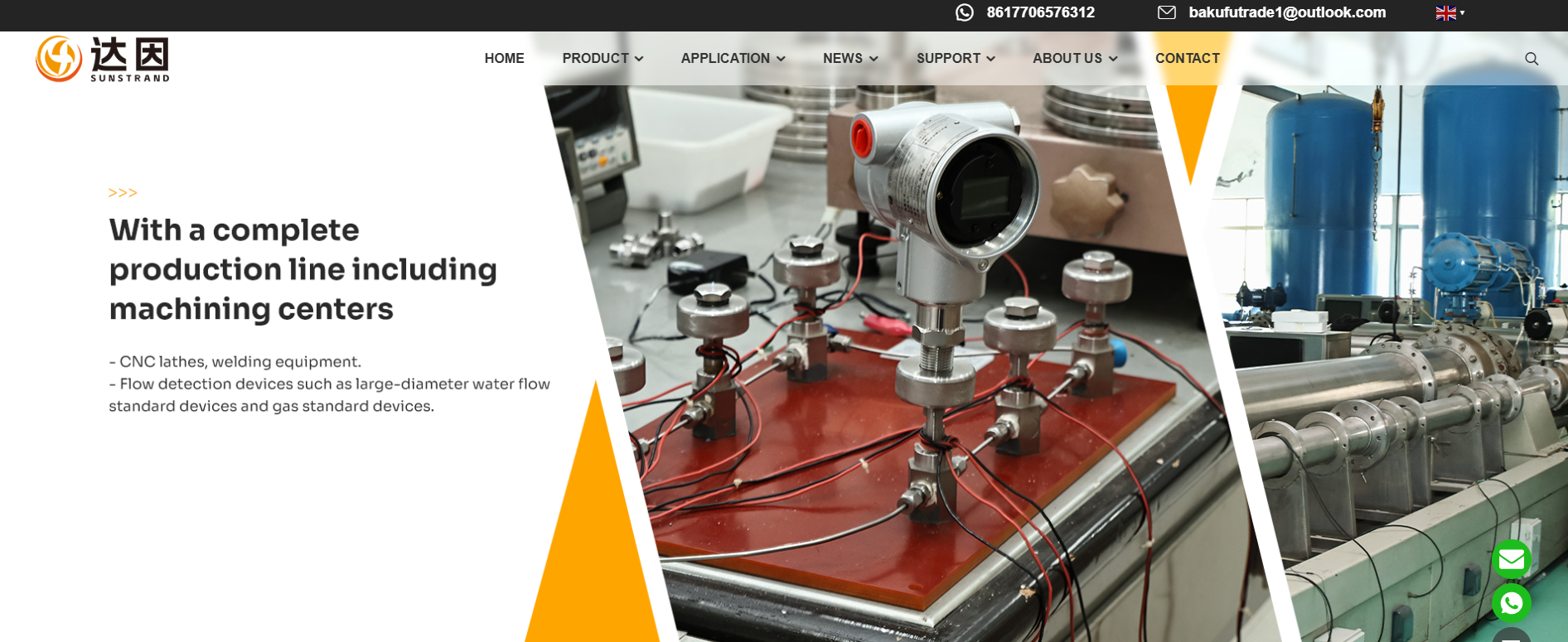
Sunstrand Fluid Handling Co., Ltd. (China) is a leading enterprise specializing in flow meters, pressure/temperature/level transmitters, and flow controllers.
Wide Pressure Transmitter Types available, including Differential, Digital, and Industrial Pressure Transmitters
High precision, excellent stability, and reliable performance
Strong adaptability for different media, temperatures, and pressure conditions
Suitable for oil & gas, chemical, power, and environmental industries
Backed by professional R&D and strict quality control
Sunstrand Pressure Transmitter is not just an instrument—it is a long-term investment in process safety and efficiency.
A Pressure Transmitter is indispensable in industrial automation, ensuring accurate pressure monitoring, system safety, and operational efficiency. From understanding how a pressure transmitter works, exploring different pressure transmitter types, learning about installation, maintenance, and calibration, this guide provides everything engineers and buyers need to make informed decisions. If you are looking for high-quality, reliable, and cost-effective solutions, Sunstrand Pressure Transmitter is your trusted choice. Backed by expertise, advanced manufacturing, and strong adaptability, Sunstrand ensures your operations run smoothly.