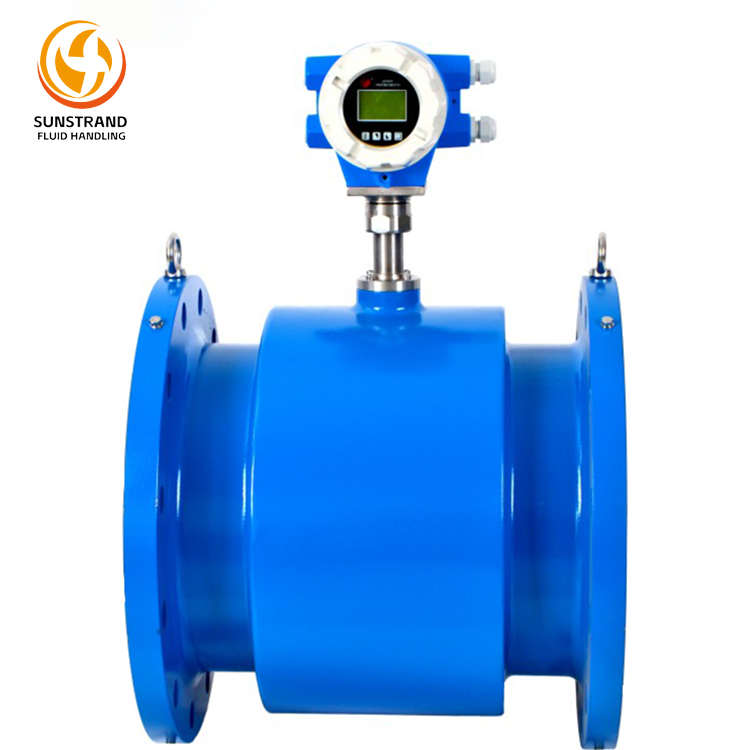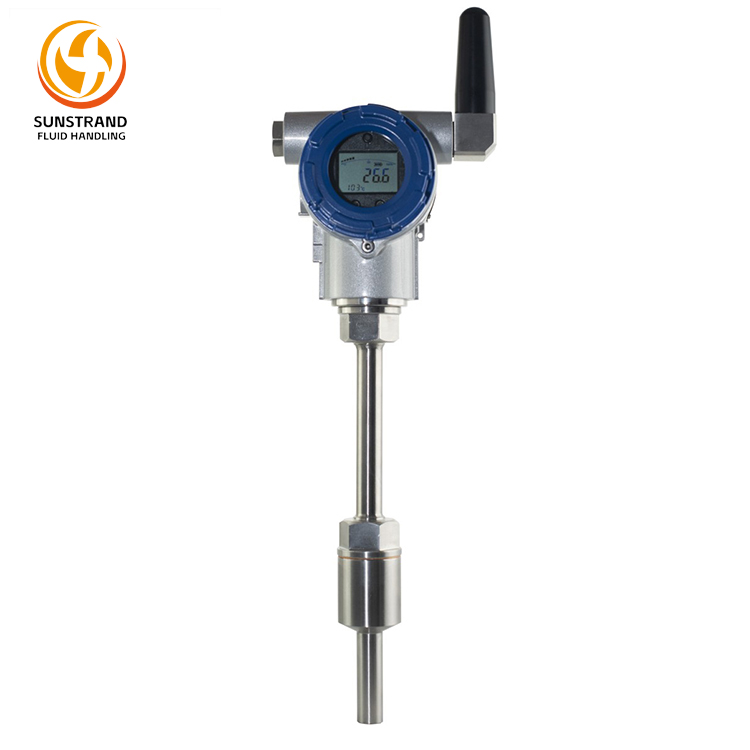

In industrial processes, accurate flow measurement is critical for safety, efficiency, and cost control. Whether managing water, chemicals, oil, or gases, the right flowmeter ensures reliable monitoring. However, liquid and gas flow meters differ significantly in design, operation, and troubleshooting. Understanding liquid flowmeter types, common issues, and calibration techniques is essential to maintaining accurate measurements and minimizing downtime. This guide will help you navigate liquid flow meter issues, flow meter problems, and maintenance strategies for optimal performance.
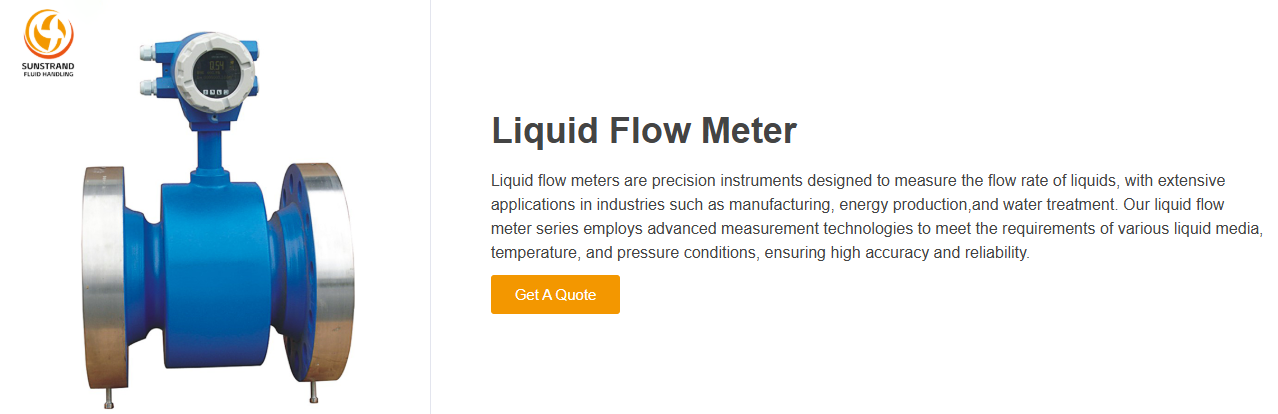
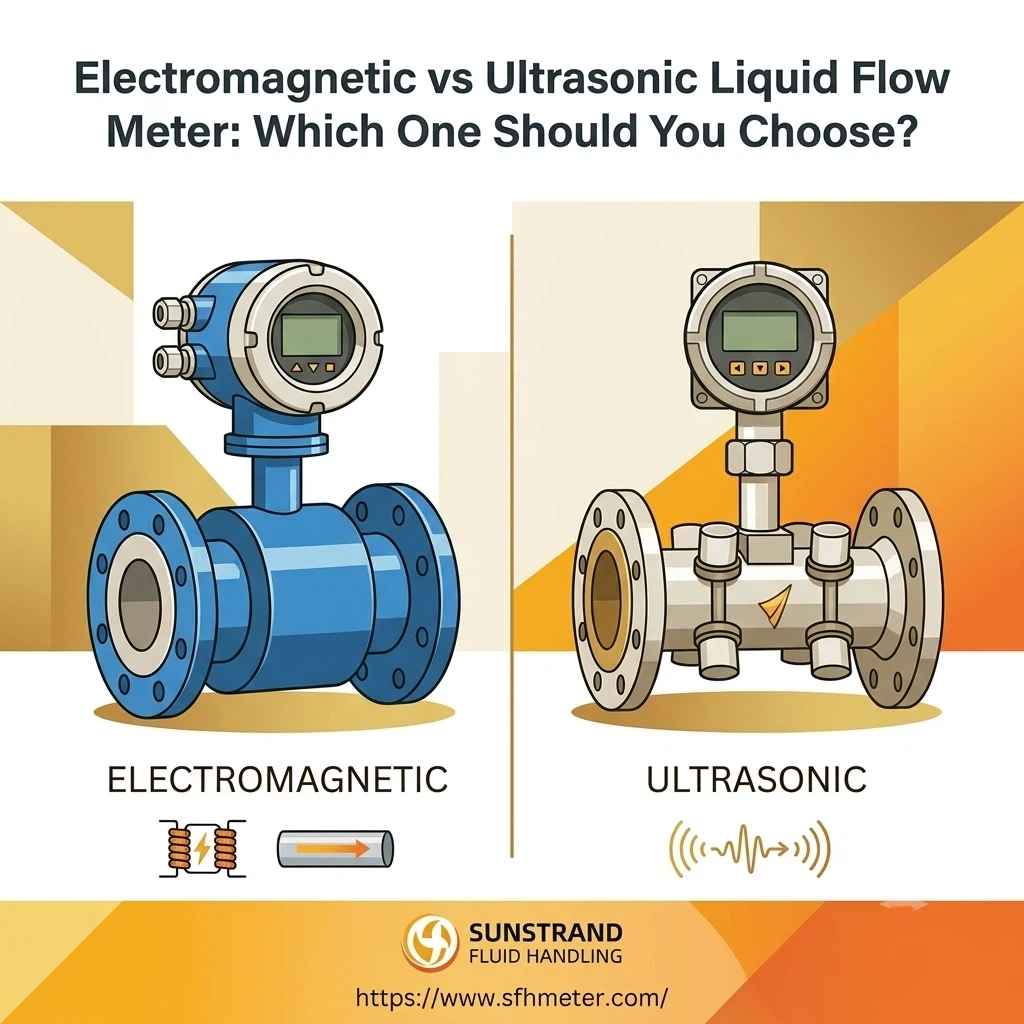
A Liquid Flow Meter is a device used to measure the volume, mass, or velocity of liquids flowing through a pipeline. Unlike gases, liquids are generally incompressible, which simplifies measurement, Various liquid flow meter type sexist, each suited to specific applications:

Even high-quality meters like Sunstrand Liquid Flow Meter can face challenges if not properly maintained. Below are the most frequent liquid flow meter issues.
This is one of the most common problems, causes include:
Improper installation or alignment Air bubbles or gas pockets in the liquid Incorrect meter sizing or selection Correction Tip: Use proper straight pipe runs, remove trapped air, and verify meter selection.
Flow Meter Failure
Total flow meter failure may occur due to electrical faults, sensor damage, or severe contamination.
Flow Meter Liquid Contamination
Debris, sediments, or chemical buildup can affect measurement accuracy.
Issues During Liquid Flow Meter calibration
Improper liquid flow meter calibration can result in drift or inaccurate readings.
Signal interference and Noise
Electronic meters may experience signal distortion from nearby electrical equipment or ground loops.
Obstruction or Blockages
Partial obstructions in the pipeline, such as scale, sludge, or foreign objects, can disrupt flow and meter accuracy.
Wear and Tear
Mechanical meters like turbines and positive displacement meters can suffer from wear over time, reducing precision.
How to Troubleshoot Liquid Flow Meter Problems
Proper troubleshooting ensures long-term reliability and performance. Here’s a step-by-step approach:
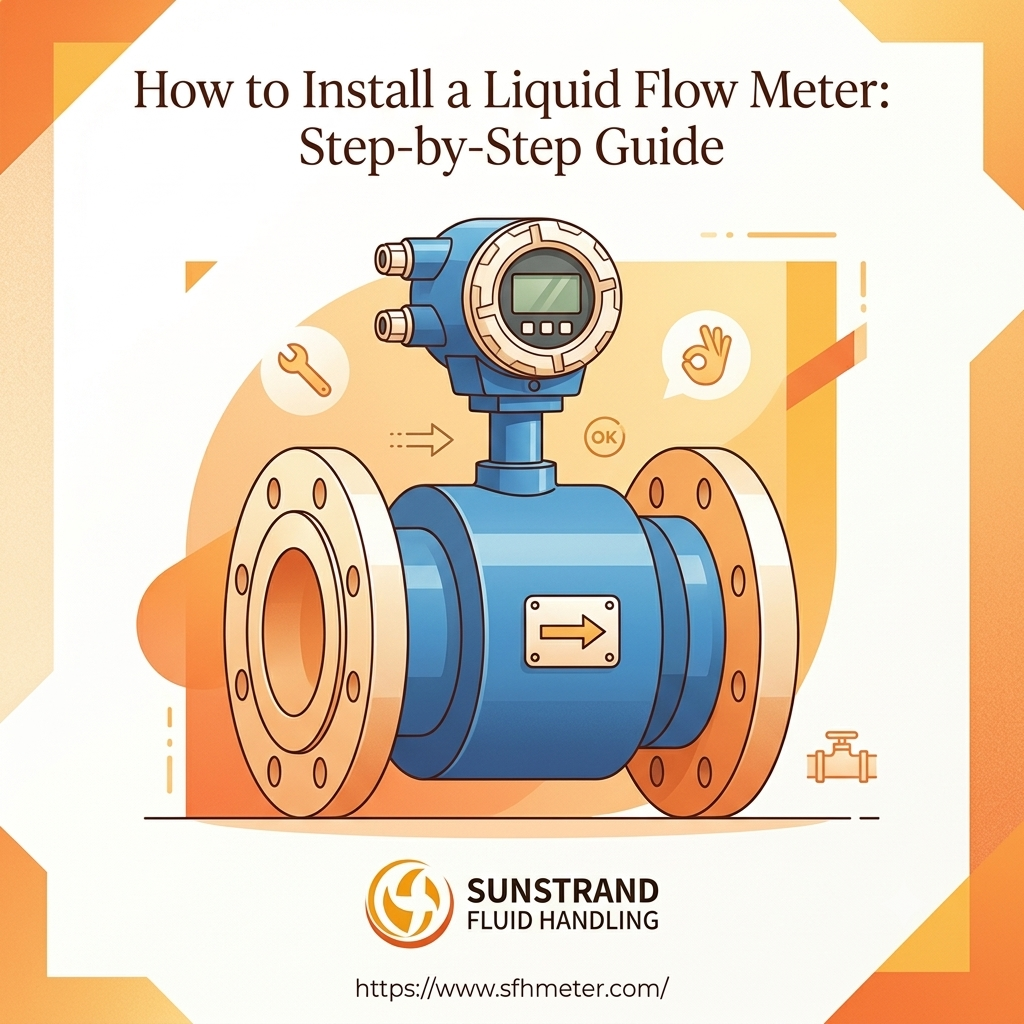
1. Check Installation: Verify straight pipe requirements, alignment, and proper orientation.
2. Inspect the Pipeline: Look for obstructions, sediment, or air pockets that may affect readings.
3. Verify Electrical Connections: Ensure power supply, grounding, and signal integrity.
4. Examine Calibration: Perform liquid flow meter correction using a proper or reference standard.
5. Clean or Replace Components: Remove buildup, clean sensors, or replace worn parts.
6. Monitor Environmental Factors: Minimize temperature extremes, vibration, or electromagnetic interference.
7. Consult Manufacturer Support: Brands like Sunstrand Liquid Flow Meter provide technical guidance and calibration services for optimal performance.
Conclusion
Accurate flow measurement is vital for industrial efficiency, safety, and compliance. While liquid and gas flow meters share the same core purpose, their operational principles and maintenance requirements differ, Understanding liquid flow meter issues, types, calibration methods, and troubleshooting techniques ensures reliable operation and minimizes costly downtime. For businesses seeking precision, durability, and expert support, Sunstrand Liquid Flow Meter offers industry-leading technology, comprehensive calibration services, and long-term reliability.