
Warning: mysqli_query(): (HY000/1032): Can't find record in 'wp_options' in /www/wwwroot/dayin.junj.cc/wp-includes/class-wpdb.php on line 2351
Liquid Flow Meter Repairs & Maintenance Guide | Sunstrand
Liquid Flow Meter Repairs and Maintenance:Ensuring Accurate and Reliable Flow Measurement
23/08/2025

Introduction


Accurate flow measurement is essential for industrial efficiency, safety, and cost control. Whether in water treatment, chemical processing, or oil and gas applications, a Liquid Flow Meter ensures precise monitoring of liquid flow. However, over time, these devices may encounter issues that affect performance. Proper liquid flow meter repairs and maintenance are crucial to restore accuracy and prolong lifespan, In this guide, we explore common problems, step-by-step repair procedures, and maintenance tips to ensure your flow meters remain reliable.
Common Problems in Liquid Flow Meters


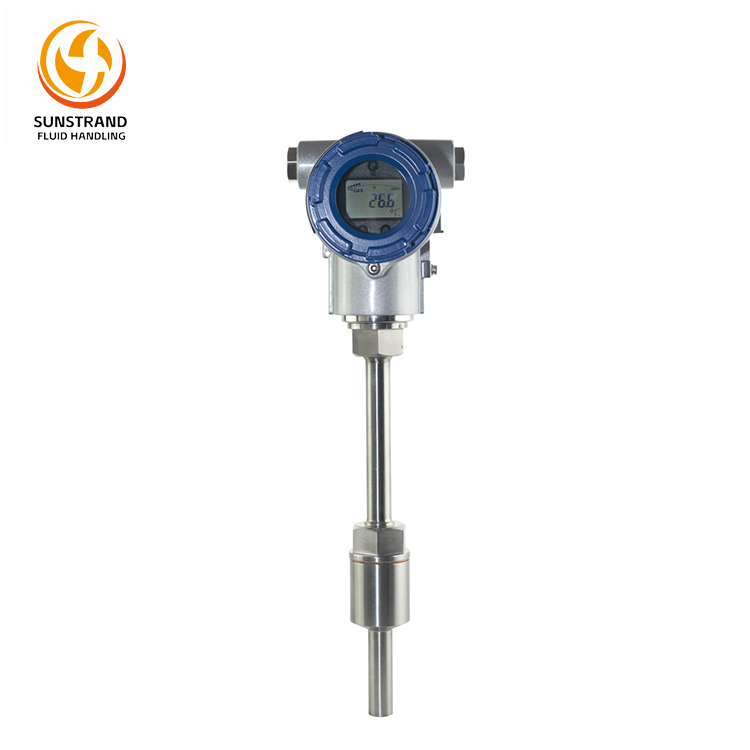
Sunstrand Liquid Flow Meter


Even the best devices from trusted liquid flow meter manufacturers can experience issues. Understanding common issues is the first step toward effective repair and maintenance.

Inaccurate Readings


A liquid flow meter may fail to provide accurate readings due to:

  • Air bubbles or gas pockets in the pipeline
  • Improper installation or alignment
  • Sensor drift or calibration errors
  • Contamination in the flow medium

Impact: inaccurate readings can lead to incorrect dosing, energy inefficiency, or process disruption.

Mechanical Wear and Tear


Mechanical components, such as rotors or impellers in turbine meters, are prone to
wear over time.

  • Continuous flow of abrasive liquids accelerates deterioration.
  • Moving parts may become misaligned, causing friction and errors.

Impact: Reduced accuracy and eventual meter failure if not addressed promptly.

Electrical or Sensor issues


electrical issues include:
Electronic meters rely on sensors and circuit boards for measurement. Common

  • Sensor malfunction due to moisture or corrosion
  • Signal interference from nearby electrical equipment
  • Wiring faults or power supply problems

Impact: May cause intermittent readings, erroneous data, or complete meter downtime.

Physical Damage


External impacts, corrosion, or exposure to extreme temperatures can physically
Damage a flow meter.


  • Cracked housing or damaged sensor windows
  • Bent or broken rotors in mechanical meters
  • Seal failure causing leaks

Impact: Physical damage can compromise safety, accuracy, and long-term reliability.

Liquid Flow Meter Repairs: Step-by-Step


Timely and methodical repair ensures that your flow meter liquid system returns to optimal performance.

Step 1:Inspection and Diagnosis


  • Visually inspect the meter for physical damage, corrosion, or loose connections.
  • Check for flow meter not reading correctly using reference tools or comparison with a liquid flow meter proper.
  • Identify worn or malfunctioning components.


Step 2: cleaning and Debris Removal


  • Remove sediment, debris, or scale from the flow path.
  • Clean rotors, sensors, and housing carefully to avoid further damage.
  • Ensure no foreign objects remain in the pipeline that could impede flow.

Step 3: Calibration


  • Perform liquid flow meter calibration using standardized methods to restore accuracy
  • Adjust electronic meters according to manufacturer guidelines.
  • Record calibration data for future reference and compliance purposes.

Step 4: Part Replacement


  • Replace worn-out or damaged components, including rotors, seals, sensors, or valves.
  • Use genuine parts from trusted liquid flow meter suppliers to maintain performance and warranty compliance.
  • Ensure proper installation and alignment of all replaced parts.

Step 5: Testing and Verification


  • Test the meter under normal operating conditions to verify accuracy.
  • Compare readings with a reference standard or proper.
  • Ensure the flow meter functions correctly across the expected flow range before returning to service.

Maintenance Tips to Minimize Repairs


Preventive maintenance reduces downtime and extends the life of your liquid flowmeter.

Regular Inspection


  • Conduct routine visual inspections and functional tests.
  • Identify early signs of wear leaks, or sensor issues.

Filtration and Fluid Quality


  • Install strainers or filters to remove particulates from the flow.
  • Monitor fluid quality to prevent contamination that could damage the meter.

Scheduled Calibration


  • Perform periodic liquid flow meter calibration according to manufacturer recommendations.
  • Record calibration results to track performance trends.

Proper Installation


  • Ensure correct alignment, straight pipe runs, and secure mounting.
  • Avoid vibration or stress on the meter that could affect accuracy.

Choosing the Right Liquid Flow Meter supplier

 

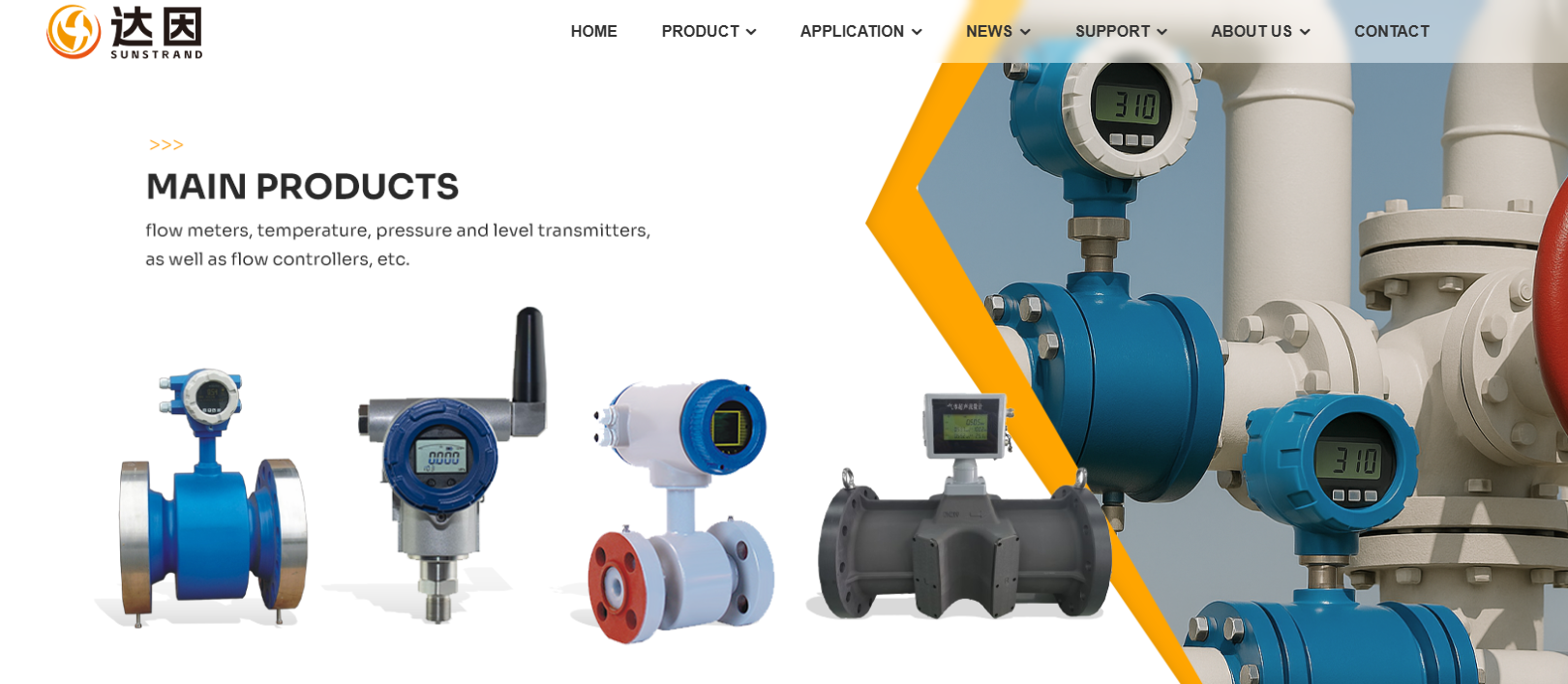
Sunstrand Liquid Flow Meter


Selecting a reliable liquid meter company or liquid flow meter supplier, inessential for long-term performance. Look for:

  • Expertise in various liquid flow meter types
  • Access to genuine parts and replacement sensors
  • Comprehensive repair, calibration, and maintenance services
  • Proven track record in industrial applications

Brands like Sunstrand Liquid Flow Meter provide high-quality meters, expert support, and industry-leading reliability for diverse applications.

Conclusion


Proper liquid flow meter repairs and maintenance are crucial for ensuring accurate, reliable, and efficient flow measurement, From addressing common issueslike inaccurate readings, mechanical wear, and sensor problems to performing systematic repairs and regular maintenance, these practices safeguard your operations. For businesses seeking dependable solutions, Sunstrand Liquid Flow Meter offers advanced technology, expert repair services, and comprehensive calibration support.


RELATED NEWS
YOU MAY ALSO WANT TO SEE
X GET A METERS SOLUTION TODAY!
icon
icon
icon
icon
Home
WhatsApp
Inquiry
Go Top