
Temperature is one of the most important physical parameters in industrial engineering, commercial construction, and personal measurement devices. Accurate temperature measurement and reliable data transmission are of great significance. Therefore, the temperature transmitter serves as the connection point between these sensors and control systems, ensuring the accuracy of the data. However, an incorrect choice can lead to serious errors and have a considerable impact on work efficiency. Currently, there are various specialized temperature transmitters for different fields in the market. As a result, installation engineers and enthusiastic users find it difficult to make the right decision. The decisive factors include measurement range, accuracy, environmental adaptability, and integration, etc.
This manual first introduces the definitions and functional principles of these devices, then elaborates on the most important selection criteria in detail, and provides specific usage guidelines through Sunstrand cases to facilitate the selection of temperature sensors. It provides all necessary information, including guidance at each stage and answers to frequently asked questions at each stage, to help make an informed decision.
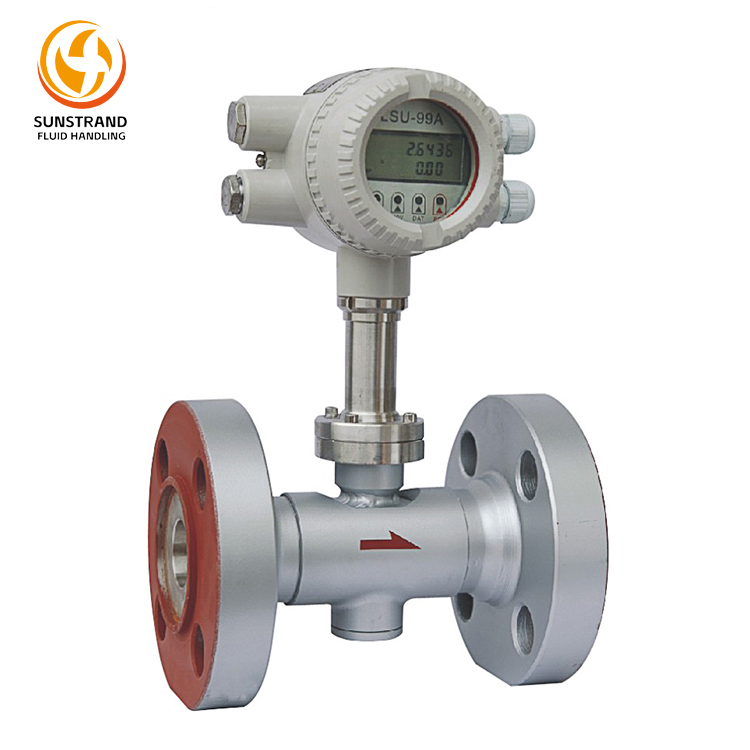
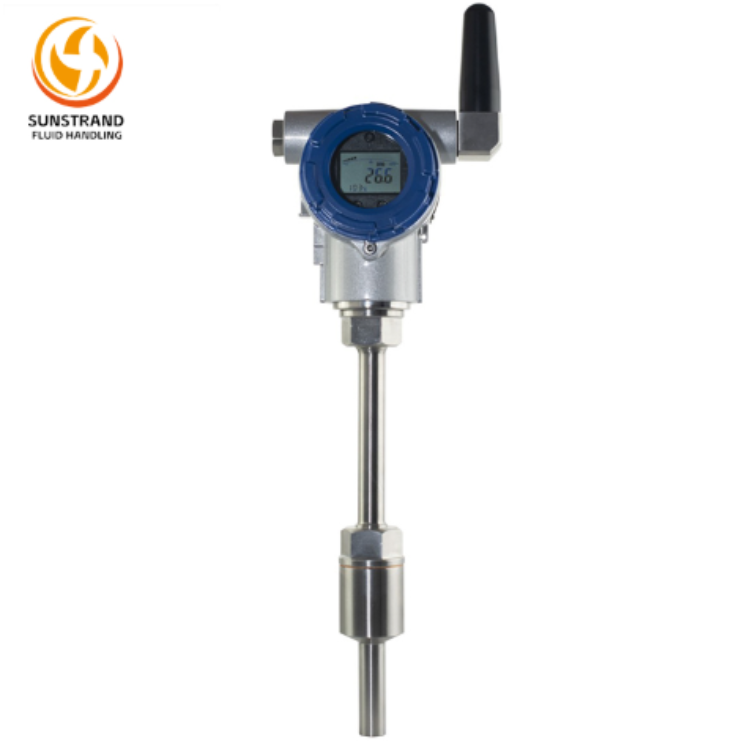
A temperature transmitter is an electronic device that converts the weak signal generated by a temperature sensor into a standardized, stable, and easily transmittable output voltage, which is then transmitted to the control system, data storage device, or indicator. Unlike sensors that directly measure temperature and generate sensitive weak signals, this sensor can amplify, linearize, and adapt these signals to ensure the accuracy and reliability of the subsequent transmission process.
The temperature transmitter mainly consists of three elements: an input module connected to the temperature sensor, an adaptive indicator for processing the sensor signal, and an output module for transmitting the standardized signal to the receiving device. The adaptation process is very important. This process corrects the non-linearity of the sensor signal, compensates for the influence of external factors, and filters out electrical noise that may distort the data, thus achieving accurate data transmission.
Temperature transmitters are available in various forms and sizes, including DIN frame models, field-mounted modules, and compact portable versions. They can be classified based on output signals, power supply methods, and application fields. Some of the latest transmitters have additional features such as wireless communication capabilities, built-in diagnostic functions, IoT system compatibility, monitoring and data collection systems, and are suitable for modern intelligent applications. Notably, the smart temperature transmitter stands out in smart building and industrial IoT scenarios, offering enhanced connectivity and remote control capabilities.
The main function of a temperature transmitter is to provide accurate and consistent thermal data and transmit it to the desired system. For example, in an industrial setting, the temperature transmitter converts the analog signal from a thermocouple into a 4 to 20mA current signal, and then transmits this signal to the PLC to regulate the temperature of the furnace. In an intelligent building, the transmitter can transmit temperature data to the Building Management System (BMS), thereby optimizing the operation of heating, ventilation, and air conditioning, and reducing energy consumption. Without reliable sensors, even the most precise sensors cannot provide useful information.
Over time, temperature transmitters have evolved from simple analog devices to complex digital systems. Traditional analog transmitters typically transmit 4 – 20mA current or 0 – 10V voltage signals, which are basically compatible with traditional control systems. Modern digital sensors use protocols such as Modbus, HART, and Profibus to provide two-way communication, remote settings, and intelligent system linkage functions. With this development, the uses of temperature transmitters have become more widespread, and their efficiency has increased, enabling them to better adapt to the changing requirements of different industries.
In order to select the appropriate temperature transmitter, a detailed evaluation in line with the intended use is necessary. Refer to the following main criteria to choose the sensor that meets the requirements in terms of performance, environmental conditions, and integration, and select within the appropriate range.
The key important criteria to consider are the measurement range and the accuracy in the application field. The measurement range of the transmitter must match the required minimum and maximum temperatures, and the accuracy must meet the requirements of the project or system.
The design of the temperature transmitter is based on a fixed temperature range. If the selected transmitter is too close or too far from the measurement range, incorrect measurement values will be obtained, and the equipment will be damaged in the early stage. For example, a transmitter used for environmental temperature monitoring is not suitable for industrial furnaces with temperatures exceeding 1000°C. On the contrary, a high-temperature transmitter for environmental monitoring not only costs too much in terms of temperature tracking but also cannot guarantee the required accuracy at low temperatures.
When choosing a transmitter, it is important to consider the general working temperature range of the application field and potential temperature rises or fluctuations. For instance, in a chemical factory, the general working temperature might be between 50°C and 200°C, but due to process changes, the temperature could rise to 250°C. In this case, you need a temperature transmitter with a measurement range from 0°C to 300°C to cover normal conditions and exceptional conditions. We also need to consider the measurement range of the transmitter, which must be compatible with the characteristics of the sensor itself. For example, the measurement range of a typical Pt100 resistance is from -200°C to 850°C, so if using a Pt100 sensor, the transmitter must operate within the corresponding range.
Another important factor is the adjustable measurement range. Some transmitters can adjust the range according to specific requirements, which is particularly useful when an appropriate temperature range is needed in the application. For example, if you want to measure temperature within the range of 20°C to 80°C, the adjustable range switch can precisely correct to the corresponding range, which is wider and more accurate than a fixed switch.
Accuracy is a key parameter for evaluating the performance of a temperature transmitter, but it is often related to specific costs. More accurate transmitters typically use more modern components and more precise calibration methods, thus being more expensive than less accurate models. When choosing a transmitter, it is crucial to strike a balance between the accuracy requirements and budget constraints.
Generally speaking, accuracy is expressed as a percentage of the measurement range (FS), or as a certain percentage of the error range. For example, a sensor with an accuracy of ±0.5% FS has a maximum deviation of ±0.5°C within the range of 0°C to 100°C. In fields such as pharmaceutical production, laboratory research, semiconductor manufacturing, where high accuracy is required to ensure production quality and engineering stability, more precise transmitters are needed. In contrast, in areas like warehouse temperature control and general environmental monitoring, less accurate transmitters can also provide cost-effective solutions.
It’s also important to consider long-term accuracy, as transmitters can drift over time due to environmental factors, component wear, or calibration loss. Some transmitters offer self-calibration features or are designed to maintain accuracy over extended periods, which can reduce maintenance costs and ensure consistent performance. When evaluating accuracy vs. cost, consider the total cost of ownership (TCO), which includes not just the initial purchase price but also maintenance, calibration, and replacement costs over the transmitter’s lifespan. A slightly more expensive, high-accuracy transmitter may be more cost-effective in the long run if it reduces downtime and maintenance costs.
Temperature transmitters are usually installed in complex or harsh environments, so it is crucial to select the appropriate transmitter for the specific application environment. Environmental factors such as temperature, pressure, air humidity, corrosion, vibration and electromagnetic interference have a significant impact on the performance and lifespan of the sensor.
In industrial applications like furnace control, boiler monitoring, or chemical processing, transmitters may be exposed to high temperatures and pressures. For these applications, you need a high temperature pressure transmitter that is specifically designed to withstand extreme temperatures and pressures without compromising performance. High-temperature transmitters typically use rugged enclosures and heat-resistant components, and they may be rated for operation at temperatures up to 200°C or higher.
If a transmitter is used in a system with low pressure (such as a pipeline or pressure vessel), its pressure resistance is also extremely important. The transmitter used must be able to withstand the maximum working pressure of the system to prevent leakage or damage. For example, in a high-pressure pipeline, the maximum pressure is 1000 pounds per square inch, and the pressure standard of the transmitter must be 1000 pounds per square inch. Some transmitters have pressure compensation function, which can correct the temperature according to pressure changes, thereby ensuring the accuracy of measurement.
It is also important to consider the room temperature around the transmitter. The limit temperature can affect electronic components. For instance, a transmitter installed in an area with extreme cold can operate at a maximum temperature of -40°C, while a transmitter installed near a furnace can withstand a temperature of over 150°C. Many transmitters can operate within a wide temperature range, but the environmental standards of the transmitters must be consistent with the actual installation conditions.
Corrosion is a common issue in applications where transmitters are exposed to chemicals, moisture, or saltwater. For example, in marine environments, food processing plants, or chemical refineries, transmitters may be exposed to corrosive substances that can damage the enclosure, sensors, or electronics. To prevent corrosion, look for transmitters with corrosion-resistant enclosures made from materials like stainless steel, aluminum, or polypropylene. Some transmitters also feature IP (Ingress Protection) ratings, which indicate their resistance to dust and moisture. For example, an IP67 rating means the transmitter is dust-tight and can be submerged in water up to 1 meter for 30 minutes, making it suitable for wet or dusty environments.
Vibration is another common environmental challenge, especially in industrial settings with pumps, motors, or rotating equipment. Excessive vibration can damage the transmitter’s internal components, leading to inaccurate readings or premature failure. To withstand vibration, transmitters should be designed with rugged construction and vibration-damping features. Look for transmitters with a vibration rating that matches the conditions of your application—for example, a transmitter rated for 10g of vibration (RMS) would be suitable for most industrial environments, while a transmitter rated for 20g or higher would be needed for high-vibration applications like mining or heavy machinery.
Electromagnetic interference (EMI) is another environmental factor to consider, especially in industrial settings with high-voltage equipment, motors, or radio frequency (RF) signals. EMI can distort the transmitter’s output signal, leading to inaccurate readings. To mitigate EMI, look for transmitters with EMI shielding, which protects the electronics from external interference. Some transmitters also comply with industry standards like CE or FCC, which ensure they meet specific EMI resistance requirements. In addition, using shielded cables to connect the transmitter to the sensor and control system can help reduce EMI interference.
The output signal of a temperature transmitter determines how it integrates with your existing control system, data logger, or display device. There are two main types of output signals: analog and digital. Each has its own advantages and disadvantages, and the choice depends on your system’s compatibility and application requirements.
Analog output signals are the most traditional and widely used type of output for temperature transmitters. The most common analog signals are 4-20mA current signals and 0-10V voltage signals. 4-20mA signals are preferred for most industrial applications because they are immune to voltage drops over long distances, can be used to power the transmitter (two-wire configuration), and can easily be converted to temperature readings by the control system. For example, a 4mA signal might correspond to the minimum temperature in the range, while a 20mA signal corresponds to the maximum temperature.
Voltage signals (0-10V) are simpler and less expensive than current signals, but they are more susceptible to voltage drops and interference over long distances. They are typically used in short-distance applications, such as commercial buildings or small-scale industrial setups. Some transmitters also offer both analog and digital output signals, providing flexibility for integration with both legacy and modern systems.
Digital output signals are becoming increasingly popular due to their ability to transmit more data and support two-way communication. Common digital protocols include Modbus, HART, Profibus, and Ethernet/IP. Digital signals offer several advantages over analog signals: they are more accurate, can transmit additional data, and can be easily integrated with IoT and SCADA systems. For example, a HART-enabled transmitter allows you to remotely configure the transmitter, monitor its status, and troubleshoot issues without needing to access the device physically. Digital signals are also less susceptible to interference, making them ideal for complex industrial environments with high EMI.
When choosing between analog and digital output signals, consider your existing control system’s capabilities. If you have a legacy system that only supports analog signals, an analog transmitter is the best choice. If you have a modern system or plan to upgrade to a smart system, a digital transmitter will provide more flexibility and functionality. Some transmitters also offer hybrid output options, allowing you to use both analog and digital signals simultaneously, which can be useful during system transitions.
In today’s smart industrial and commercial environments, many organizations are implementing IoT and SCADA systems to monitor and control processes remotely. If you plan to integrate your temperature transmitter with an IoT or SCADA system, it’s important to select a transmitter that is compatible with these systems.
IoT-compatible transmitters typically offer wireless connectivity and support standard IoT protocols. These transmitters can send temperature data to cloud-based platforms, where it can be analyzed, visualized, and used to make data-driven decisions. For example, a smart building might use IoT-enabled temperature transmitters to monitor the temperature in different rooms and adjust the HVAC system remotely, reducing energy consumption and improving comfort.
SCADA systems are used to monitor and control large-scale industrial processes, such as power plants, water treatment facilities, or manufacturing plants. SCADA-compatible transmitters typically support industrial communication protocols like Modbus, DNP3, or IEC 61850, which allow them to integrate with the SCADA system’s master station. These transmitters can provide real-time temperature data to the SCADA system, which can then trigger alarms or adjust processes if temperatures fall outside the desired range.
When selecting a transmitter for IoT or SCADA integration, consider the communication protocol, connectivity options, and data security features. For example, if you’re using a cloud-based IoT platform, you’ll need a transmitter that supports the platform’s protocol and has secure authentication features to prevent unauthorized access. If you’re integrating with a SCADA system, ensure the transmitter supports the system’s native protocol and can handle the data transmission rate required by the system. Additionally, look for transmitters with built-in diagnostics and status monitoring, which can help you identify issues quickly and reduce downtime.
The power supply and installation requirements of a temperature transmitter are often overlooked but are critical to ensuring reliable operation. The power supply must be compatible with the transmitter’s requirements, and the installation must be done correctly to ensure accurate readings and long-term performance.
Temperature transmitters are available in two main power supply configurations: battery-powered and line-powered. Line-powered transmitters are connected to an external power source and are typically used in applications where a continuous power supply is available. They are often more powerful than battery-powered transmitters and can support additional features like digital communication, high accuracy, and continuous data transmission.
Battery-powered transmitters are ideal for applications where access to an external power source is limited or impractical, such as remote monitoring sites, temporary installations, or rotating equipment. They are compact, easy to install, and can operate for extended periods on a single battery, depending on the power consumption and data transmission frequency. However, battery-powered transmitters may have limitations in terms of accuracy, output signal options, and functionality. For example, some battery-powered transmitters may only offer digital output signals and may have lower accuracy than line-powered models.
When choosing between battery-powered and line-powered solutions, consider the availability of power at the installation site, the required functionality, and the maintenance requirements. Line-powered transmitters require a continuous power supply and may require professional installation, but they offer more flexibility and performance. Battery-powered transmitters are easier to install and require less maintenance, but they may need battery replacements periodically. Some transmitters also offer hybrid power options, such as solar-powered or energy-harvesting models, which can be useful in remote locations where solar energy is available. For example, a solar-powered transmitter can use a small solar panel to charge a battery, eliminating the need for battery replacements and external power sources.
For DIY enthusiasts or small-scale applications, ease of installation is an important consideration. Many temperature transmitters are designed for DIY installation, with simple wiring, plug-and-play functionality, and user-friendly interfaces. However, there are several factors to consider when installing a diy temperature transmitter yourself to ensure accurate readings and reliable operation.
First, ensure that the transmitter is compatible with your sensor. Different sensors require different input configurations, so it’s important to select a transmitter that matches your sensor type. For example, a transmitter designed for a thermocouple will not work with an RTD sensor unless it is specifically configured to do so. Many DIY transmitters come with configurable input options, allowing you to use different sensor types.
Second, consider the installation location. The transmitter should be installed in a location that is representative of the temperature you want to monitor, away from heat sources, cold drafts, or direct sunlight. For example, if you’re monitoring the temperature of a room, the transmitter should be installed at eye level, away from windows, heaters, or air conditioning vents. The sensor should be placed in the area where the temperature is most critical—for example, near a sensitive piece of equipment or in the center of a room.
Third, ensure proper wiring. If you’re using a line-powered transmitter, you’ll need to connect it to an external power source and to the control system or display device. Follow the manufacturer’s wiring instructions carefully to avoid incorrect connections, which can lead to inaccurate readings or damage to the transmitter. For battery-powered transmitters, ensure that the battery is installed correctly and that the battery contacts are clean and secure.
Finally, calibrate the transmitter after installation. Calibration ensures that the transmitter is providing accurate readings by comparing its output to a known temperature reference. Many DIY transmitters come with built-in calibration features or can be calibrated using a simple calibration tool. It’s important to calibrate the transmitter regularly to maintain accuracy, especially in harsh environments. Additionally, ensure that the transmitter is mounted securely to prevent vibration or movement, which can affect the sensor’s readings.
|
Key Selection Criteria |
Core Considerations |
Relevant Transmitter Type |
|
Measurement Range & Precision |
Match temperature span to application; balance accuracy and cost; consider sensor compatibility |
High temperature pressure transmitter |
|
Environmental Compatibility |
Resist high temp/pressure, corrosion, vibration; EMI protection; IP rating |
High temperature pressure transmitter |
|
Output Signal & Integration |
Analog (4-20mA/0-10V) or digital (Modbus/HART); IoT/SCADA compatibility |
Smart temperature transmitter |
|
Power & Installation |
Line-powered (continuous use) or battery-powered (remote use); ease of installation |
Diy temperature transmitter, temperature sensor transmitter |
To illustrate how the key selection criteria apply in real-world scenarios, we’ve compiled three case studies from Sunstrand, a leading provider of temperature transmitters and industrial monitoring solutions. These case studies highlight how different transmitters are selected based on application requirements, environmental conditions, and system integration needs.
A leading manufacturer of titanium oxide approached Sunstrand with a challenge: they needed to monitor the internal temperature of a rotating furnace used in their production process with high accuracy. The furnace operates at temperatures ranging from 800°C to 1200°C and is subject to high pressure and vibration. Additionally, the rotating nature of the furnace made wired connections impractical, as wires would become tangled or damaged during operation.
After evaluating the application requirements, Sunstrand recommended a high-temperature, wireless pressure-compensated temperature transmitter. The transmitter was designed to withstand temperatures up to 1500°C and pressures up to 1500 psi, making it suitable for the harsh furnace environment. It featured a rugged stainless steel enclosure with IP67 protection to resist corrosion and vibration, and it used wireless communication (LoRaWAN) to transmit temperature data from multiple sensors installed directly on the rotating furnace—eliminating the need for wired connections.
The transmitter also offered high accuracy (±0.1°C) to ensure precise temperature control, which is critical for maintaining product quality in titanium oxide production. It was battery-powered, with a long battery life of up to 5 years, reducing maintenance requirements. The wireless data was transmitted to a cloud-based platform, where the manufacturer could monitor the furnace temperature in real-time, set alarms for temperature deviations, and analyze historical data to optimize the production process. This solution not only improved the accuracy of temperature monitoring but also reduced downtime and maintenance costs, as the wireless design eliminated the need for frequent wire replacements and repairs. Similar to the Yokogawa YTMX580 solution, Sunstrand’s transmitter allowed for wireless transmission of up to 8 data sources, ensuring comprehensive temperature monitoring of the rotating furnace.
A property management company for a 50-storyGrade A office building in a major city wanted to upgrade their HVAC system to improve energy efficiency and tenant comfort. The existing system used traditional analog temperature transmitters that provided limited data and could not be integrated with the building’s BMS (Building Management System). The company needed a solution that would allow them to monitor temperature in real-time across all floors, adjust HVAC settings remotely, and reduce energy consumption.
Sunstrand recommended a series of smart temperature transmitters with digital output and IoT connectivity. The transmitters were installed in each office, conference room, and common area, providing precise temperature readings (±0.2°C) and supporting two-way communication with the BMS. They were line-powered (24V DC) to ensure continuous operation and were compatible with the building’s existing BMS, allowing for seamless integration.
The transmitters featured built-in diagnostics, which allowed the property management team to monitor the health of the devices and identify issues before they caused downtime. They also supported remote configuration, so the team could adjust temperature setpoints and calibration settings without needing to access the transmitters physically. The IoT connectivity allowed the team to access temperature data from a mobile app or web portal, enabling them to monitor the building’s temperature in real-time and make adjustments to the HVAC system as needed. For example, if a conference room was unoccupied, the system could automatically adjust the temperature to save energy, and if a tenant reported a comfort issue, the team could remotely check the temperature and make adjustments.
After implementing the solution, the property management company saw a 18% reduction in HVAC energy consumption and a 30% increase in tenant satisfaction. The smart transmitters provided the data needed to optimize the HVAC system, reducing waste and improving comfort. This case study mirrors the benefits of Ethernettemperature and humidity transmitter in smart buildings, where digital transmission and BMS integration enable energy savings and improved environmental control.
A small-scale manufacturer of custom metal parts wanted to implement a DIY temperature monitoring system for their small production facility. The facility had limited access to external power, and the manufacturer needed a cost-effective solution that could be installed without professional help. The goal was to monitor the temperature of a small oven used for heat treating parts, with a temperature range of 100°C to 500°C, and receive alerts if the temperature fell outside the desired range.
Sunstrand recommended a customized battery-powered temperature transmitter with a simple plug-and-play design. The transmitter was compatible with a K-type thermocouple sensor, which was suitable for the oven’s temperature range, and featured a digital output (RS485) that could be connected to a small data logger or a smartphone via a Bluetooth adapter. This temperature sensor transmitter was compact and easy to install, with simple wiring and a user-friendly interface that allowed the manufacturer to calibrate the device and set temperature alerts.
The battery-powered design eliminated the need for external power, and the transmitter had a battery life of up to 3 years, reducing maintenance requirements. The manufacturer could monitor the oven temperature in real-time using a smartphone app, receive push notifications if the temperature exceeded the set range, and log historical data to track process consistency. The customized solution was cost-effective, with a lower initial purchase price than industrial-grade transmitters, and it met the manufacturer’s specific needs without unnecessary features. The DIY installation process was straightforward, and the manufacturer was able to set up the system in less than an hour, with no professional technical support required. This solution leveraged the simplicity of DIY-friendly transmitters, with configurable sensor inputs and easy connectivity, making it ideal for small-scale industrial applications.
Now that we’ve covered the key selection criteria and real-world case studies, let’s outline a step-by-step guide to help you select the right temperature transmitter for your application. This guide will walk you through the process of defining your needs, evaluating options, and making an informed decision.
The first step in selecting a temperature transmitter is to clearly define your application and measurement goals. Ask yourself the following questions:
What temperature range do you need to monitor?
What level of accuracy do you require?
What type of sensor are you using?
Where will the transmitter be installed?
What environmental conditions will the transmitter be exposed to?
What output signal do you need?
How will the transmitter integrate with your existing system?
Is power available at the installation site?
What is your budget?
Do you need additional features?
By answering these questions, you’ll have a clear understanding of your requirements and can narrow down your options to transmitters that meet your specific needs. For example, if you’re monitoring a high-temperature furnace with no access to power, you’ll need a battery-powered, high-temperature transmitter with wireless connectivity. If you’re integrating with a SCADA system, you’ll need a transmitter that supports Modbus or another industrial protocol.
Once you’ve defined your application and measurement goals, the next step is to match the transmitter type to your constraints. This involves evaluating the key selection criteria we discussed earlier and selecting a transmitter that aligns with these constraints.
Start by narrowing down the transmitters based on measurement range and precision. Select transmitters that can handle your temperature range and meet your accuracy requirements. Next, evaluate environmental compatibility—ensure the transmitter can withstand the temperature, pressure, corrosion, vibration, and EMI conditions of your application. Then, consider the output signal and system integration—choose a transmitter with an output signal that is compatible with your control system or IoT platform. Finally, evaluate the power supply and installation requirements—select a line-powered or battery-powered transmitter based on power availability, and ensure the transmitter is easy to install.
It’s also important to consider the form factor of the transmitter. For example, if you have limited space, a compact handheld or DIN-rail mounted transmitter may be the best choice. If you need to install the transmitter in a hazardous environment, look for transmitters with hazardous location certifications. Additionally, consider the manufacturer’s reputation and support—choose a reputable manufacturer that offers technical support, calibration services, and a warranty.
The final step in the selection process is to evaluate the long-term value of the transmitter. This involves considering not just the initial purchase price but also the total cost of ownership (TCO), which includes maintenance, calibration, replacement, and energy costs.
High-quality transmitters may have a higher initial purchase price, but they often offer lower TCO due to longer lifespans, lower maintenance requirements, and higher accuracy. For example, a high-accuracy transmitter that requires calibration once a year will have lower maintenance costs than a lower accuracy transmitter that requires calibration every 3 months. Similarly, a battery-powered transmitter with a long battery life will reduce the cost of battery replacements over time.
It’s also important to consider the transmitter’s reliability and downtime costs. A reliable transmitter will reduce the risk of system downtime, which can be costly in industrial applications. Look for transmitters with a high MTBF rating and built-in diagnostics, which can help you identify issues early and reduce downtime. Additionally, consider the manufacturer’s support and warranty— a good warranty will cover any defects or failures, reducing replacement costs.
Finally, consider future scalability. If you plan to expand your monitoring system in the future, choose a transmitter that is compatible with additional sensors or can be easily integrated with new systems. For example, a digital transmitter with IoT connectivity can be easily added to a larger IoT network, while an analog transmitter may be more difficult to scale.
Choosing the correct temperature transmitter is a critical decision that can impact the accuracy, reliability, and efficiency of your temperature monitoring system. By understanding what a temperature transmitter is, evaluating the key selection criteria, and following the step-by-step selection guide, you can select a transmitter that meets your specific application needs.
The real-world case studies from Sunstrand demonstrate how different transmitters are selected based on application requirements—from high-temperature industrial furnaces to smart building HVAC systems and DIY industrial monitoring setups. Each case study highlights the importance of aligning the transmitter’s features with the application’s constraints, ensuring optimal performance and long-term value.
Remember, the best temperature transmitter for your application is not necessarily the most expensive or the most feature-rich—it’s the one that meets your measurement goals, environmental conditions, and integration needs while providing the best long-term value. By taking the time to define your requirements, evaluate your options, and consider the total cost of ownership, you can make an informed decision that will ensure accurate, reliable temperature monitoring for years to come.
Whether you’re an industrial engineer, facility manager, or DIY enthusiast, this guide provides the information you need to choose the right temperature transmitter. With the right transmitter, you can ensure that your temperature data is accurate, actionable, and reliable—helping you optimize processes, reduce costs, and improve performance.
Q1: What is the difference between a temperature sensor and a temperature transmitter?
A1: A temperature sensor directly measures temperature and produces a low-level electrical signal. A temperature transmitter takes this weak signal, amplifies it, linearizes it, and converts it into a standardized output signal that can be easily transmitted to a control system or display device. In short, the sensor measures temperature, and the transmitter conditions and transmits the signal.
Q2: What is the most common output signal for temperature transmitters?
A2: The most common output signal for temperature transmitters is the 4-20mA current signal. This signal is preferred for industrial applications because it is immune to voltage drops over long distances, can be used to power the transmitter, and is easy to convert to temperature readings by control systems. Other common output signals include 0-10V voltage signals and digital signals for smart systems.
Q3: How often should I calibrate my temperature transmitter?
A3: The calibration frequency depends on the application, the transmitter’s accuracy requirements, and the environmental conditions. In general, temperature transmitters should be calibrated every 6-12 months. However, transmitters used in harsh environments or critical applications may need to be calibrated more frequently. Some transmitters offer self-calibration features, which can reduce the need for manual calibration.
Q4: Can I use a battery-powered transmitter for continuous monitoring?
A4: Yes, battery-powered transmitters can be used for continuous monitoring, but their battery life depends on the power consumption and data transmission frequency. Most battery-powered transmitters can operate for 1-5 years on a single battery, depending on the model and application. For applications that require 24/7 continuous monitoring with frequent data transmission, a line-powered transmitter may be a better choice, as it does not require battery replacements. However, battery-powered transmitters are ideal for remote locations or applications with no access to external power.
Q5: What is the difference between 2-wire, 3-wire, and 4-wire temperature transmitters?
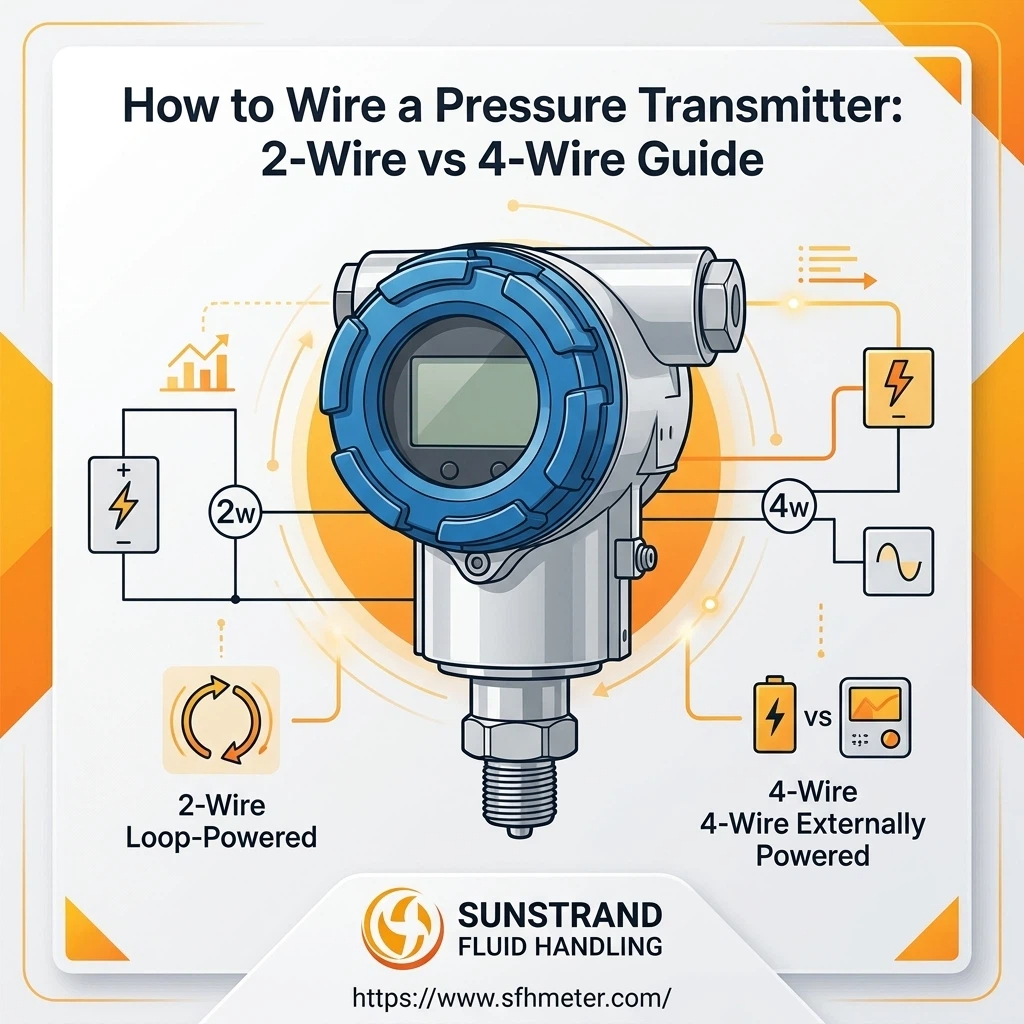
A5: 2-wire transmitters use two wires for both power and signal transmission, making them ideal for applications where wiring is limited. They are typically powered by the 4-20mA current signal, with 4mA providing power to the transmitter and 4-20mA representing the temperature range. 3-wire transmitters use three wires: two for power and one for signal, and are often used with RTD sensors to compensate for lead resistance. 4-wire transmitters use four wires: two for power and two for signal, providing the highest accuracy and stability, as they eliminate lead resistance errors. The choice between 2-wire, 3-wire, and 4-wire depends on the sensor type, accuracy requirements, and wiring constraints.
Q6: What is SIL, and do I need a SIL-rated temperature transmitter?
A6: Safety Integrity Level refers to the standards IEC 61508 / IEC 61511 and describes instruments used for safety-critical applications. In the event of an emergency, SIL-rated transmitters must react safely and place the control circuit into a safe state. You only need a SIL-rated transmitter if your application is safety-critical. For non-safety-critical applications, a standard transmitter is sufficient.
Q7: Can temperature transmitters be used in hazardous environments?
A7: Yes, many temperature transmitters are designed for use in hazardous environments. These transmitters are certified to meet hazardous location standards and feature explosion-proof or intrinsically safe enclosures that prevent the transmitter from igniting flammable substances. When selecting a transmitter for a hazardous environment, ensure it has the appropriate certification for your specific hazardous classification.
Q8: What is the difference between analog and digital temperature transmitters?
A8: Analog transmitters output a continuous signal that is proportional to the temperature. They are simple, cost-effective, and compatible with legacy control systems but offer limited functionality. Digital transmitters output discrete digital signals using protocols like Modbus, HART, or Ethernet/IP. They offer higher accuracy, two-way communication, remote configuration, and can transmit additional data. Digital transmitters are ideal for smart systems, IoT integration, and applications where high accuracy and flexibility are required.