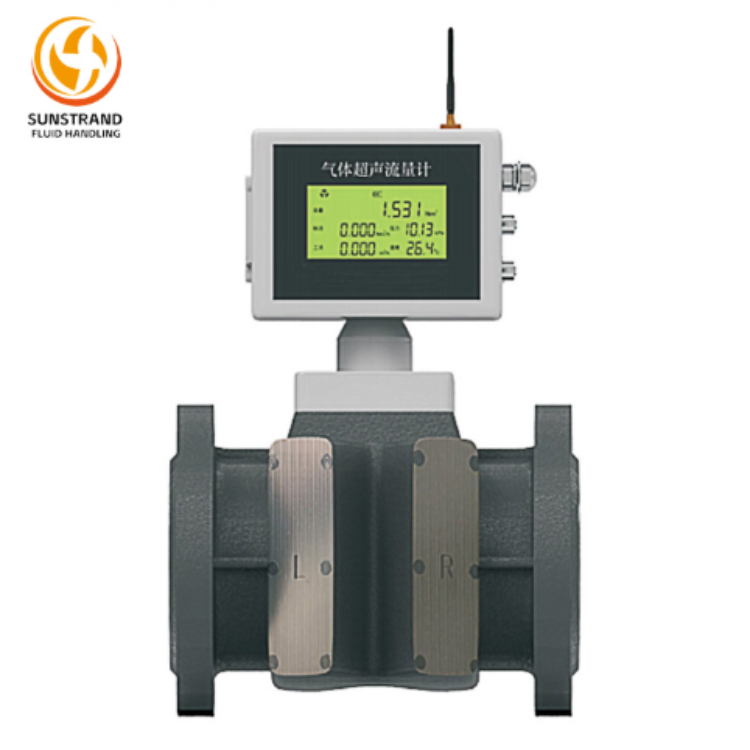

A pressure transmitter plays an essential role in ensuring accurate and stable process control. When it fails, the entire system may experience fluctuating readings, unstable output, or even shutdowns. Troubleshooting a pressure transmitter doesn’t have to be complicated—once you understand how it works and what typically goes wrong. This guide walks you through practical steps on how to check a pressure transmitter, identify common issues, and restore reliable performance quickly and efficiently.
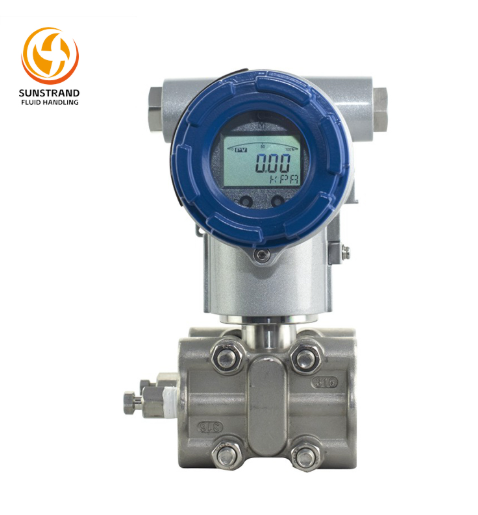
A pressure transmitter (also called a pressure transducer or pressure sensor) converts pressure or differential pressure into a standardized signal—typically 4–20mA or 0–10V. It is widely used in:
Petroleum & chemical processing
Industrial automation systems
Water treatment & environmental protection
Energy and OEM equipment integration
Sunstrand Fluid Handling Co., Ltd. offers a broad range of Sunstrand Pressure Transmitter products designed with high precision, strong stability, and compatibility for different media, temperature, and pressure ranges. The company also manufactures flow meters, temperature/pressure/level transmitters, and flow controllers, supported by complete machining centers, CNC lathes, welding devices, and advanced flow calibration systems.
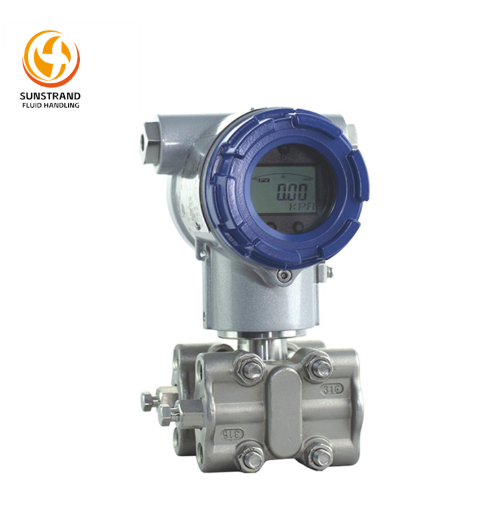
Before beginning any diagnostics, observe the symptoms:
Incorrect or drifting readings
Fluctuating or noisy signal
Stuck at 4mA or 20mA
No output at all
Slow or delayed response
If these occur, you may be dealing with typical pressure transducer failure causes such as wiring issues, diaphragm damage, blockage, or environmental interference.
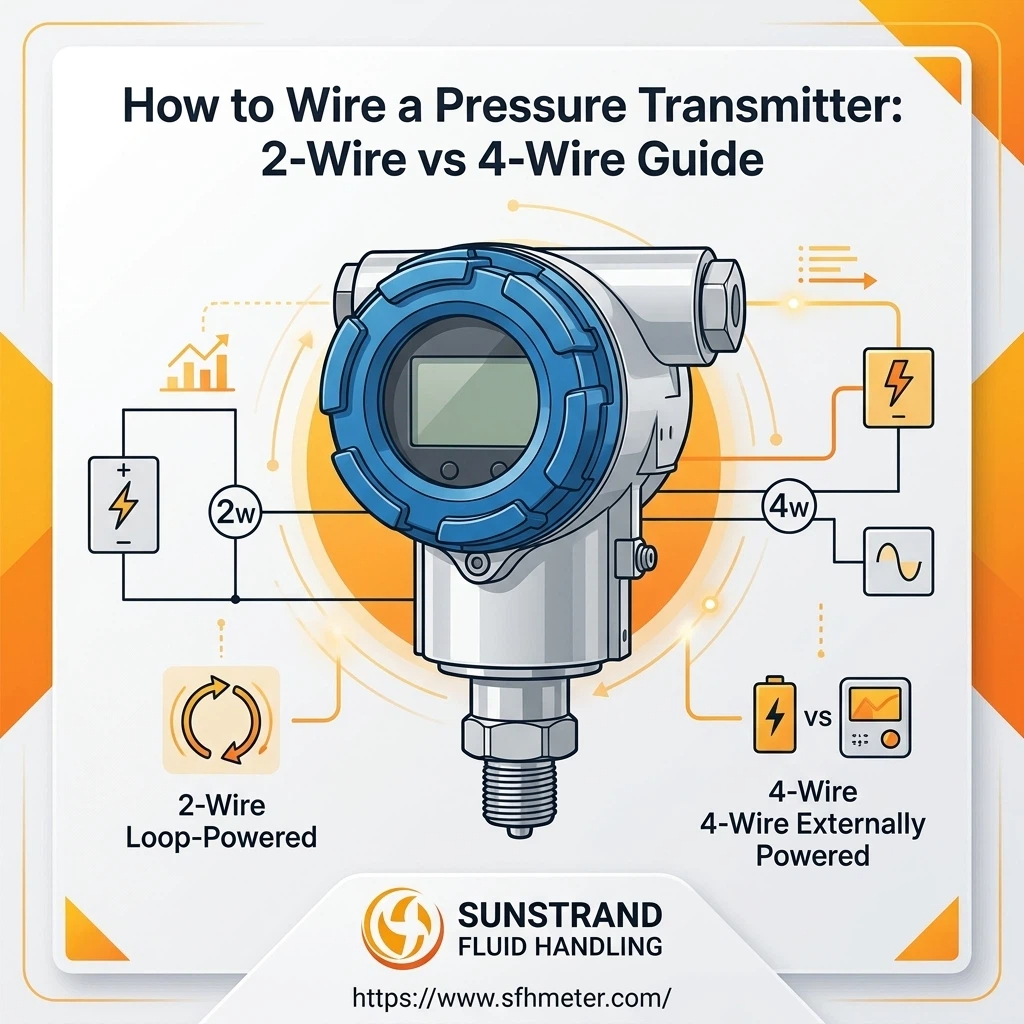
Use a multimeter to confirm proper voltage/current. A 4–20mA loop typically requires 12–36VDC.
Loose, corroded, or wrongly wired terminals are among the most common causes of failure.
If the output is stuck at 4mA, it can indicate:
insufficient power
open circuit
transmitter fault
If stuck at 20mA, it may indicate a process over-range or sensor damage.
Broken insulation
Damaged cables
Moisture ingress
Poor grounding
Electrical noise from pumps, motors, or VFDs may cause unstable readings. Good shielding and grounding help minimize interference.
Use a digital multimeter to read the output:
4 mA → zero pressure
20 mA → full-scale pressure
<4 or >20 mA → wiring or transmitter failure
Fluctuating signal → interference or loose wiring
If the multimeter shows a stable signal but the PLC/DCS does not, calibrate or inspect the receiving device.
Use a trusted calibrated reference gauge
Confirm whether actual pressure matches transmitter output
Verify valves (manifold valves or block valves) are fully opened
Check for leaks in fittings and connections
Sometimes the transmitter is fine—the process pressure itself may be abnormal.
Blocked impulse tubes
Condensation or air bubbles
Vibration-induced loosening
Frozen lines in cold environments
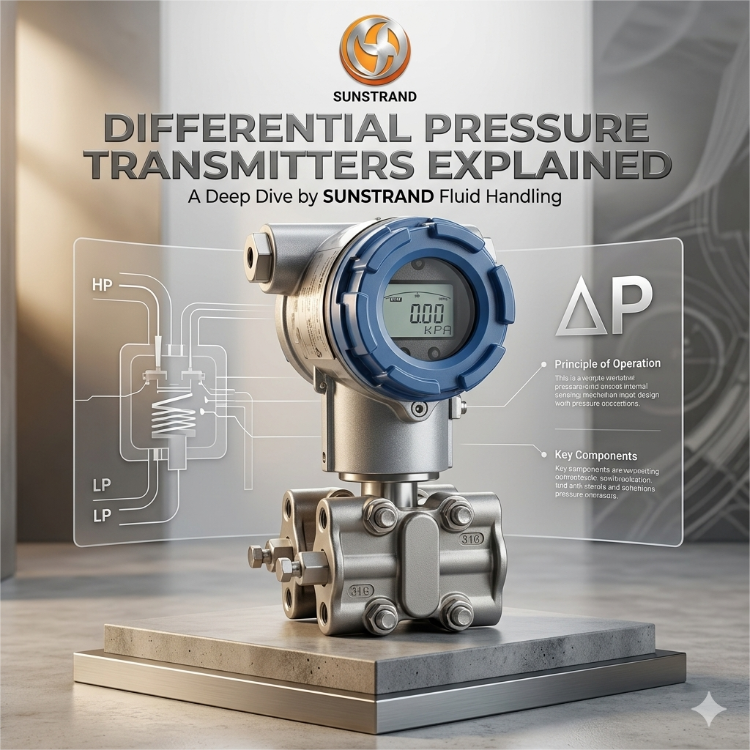
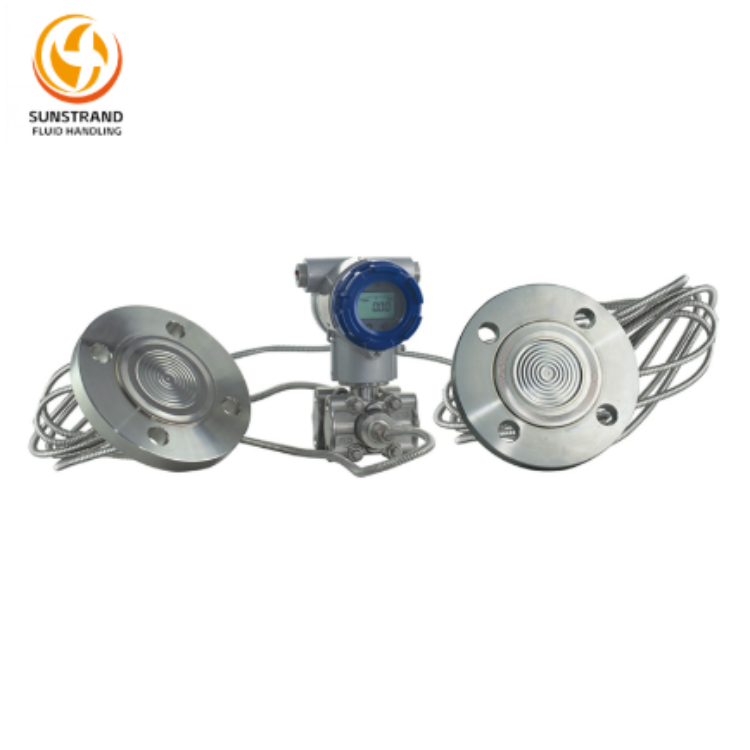
For differential pressure transmitters, ensure both high- and low-pressure sides are clean and properly purged.
If readings drift or become inaccurate:
Conduct zero adjustment with no pressure applied
Apply known pressure points and adjust span
Compare readings to a standard gauge at multiple pressures
Calibration is essential for high-accuracy systems, especially in chemical or petrochemical plants.
For HART, Modbus, or digital transmitters, check:
Range settings
Damping/filter values
Output mode (analog/digital)
Engineering units
Fault mode settings
Incorrect configuration often causes incorrect or unstable readings.
Environment greatly affects transmitter performance.
Extreme temperature
High humidity or water ingress
Corrosion from chemicals
Mechanical vibration
Electromagnetic interference
A damaged diaphragm from corrosion or over-pressure is one of the most serious pressure transducer failure causes.
Replacement is necessary when:
Diaphragm is ruptured
The internal sensor is damaged
Severe corrosion or water ingress
Excessive drift after multiple calibrations
Electrical circuits burned
Sunstrand Pressure Transmitters are built with corrosion-resistant materials, high-stability sensors, and long-term reliability—reducing replacement frequency.
Incorrect readings often come from zero drift, blocked impulse lines, trapped air or water, damaged diaphragms, or incorrect range settings. Environmental factors like temperature changes and vibration may also affect accuracy.
A pressure transmitter stuck at 4 mA usually indicates:
insufficient power supply
open loop circuit
incorrect wiring
transmitter internal fault
If it remains at exactly 4mA, it’s often a loop or power issue.
A reading stuck at 20 mA typically indicates:
pressure over-range
blocked pressure port
diaphragm deformation
configuration error
transmitter malfunction
Checking the pressure source is the first step.
Most industrial pressure transmitters should be calibrated every 6–12 months, depending on application severity, media conditions, and regulatory requirements. Harsh environments may require more frequent checks.
Understanding how to check a pressure transmitter helps ensure stable, safe, and efficient system performance. By following the troubleshooting steps—checking wiring, verifying pressure source, inspecting impulse lines, calibrating, and reviewing configuration—you can quickly identify and resolve most issues. If you need a reliable and high-performance transmitter for demanding industrial environments, Sunstrand Pressure Transmitter offers the accuracy and durability required for long-term operation.