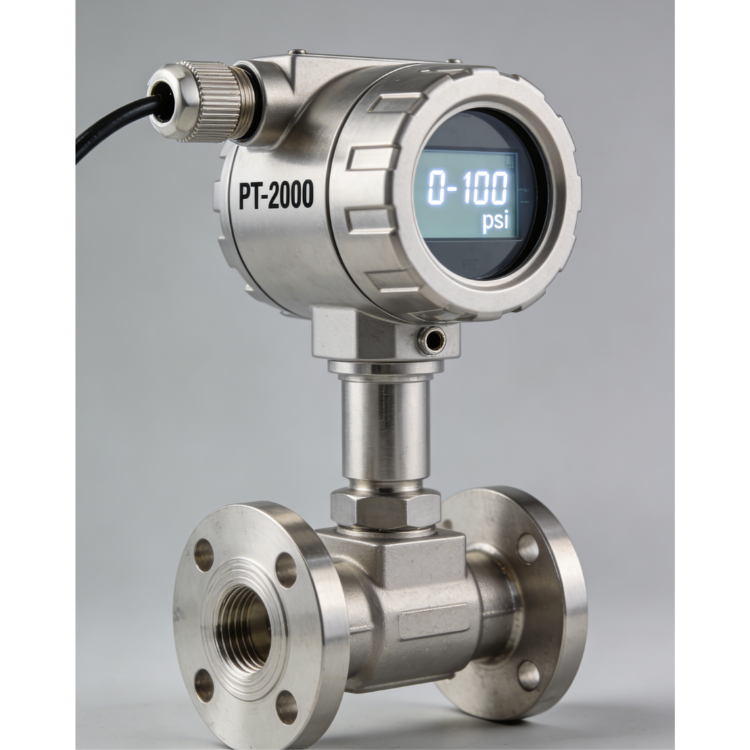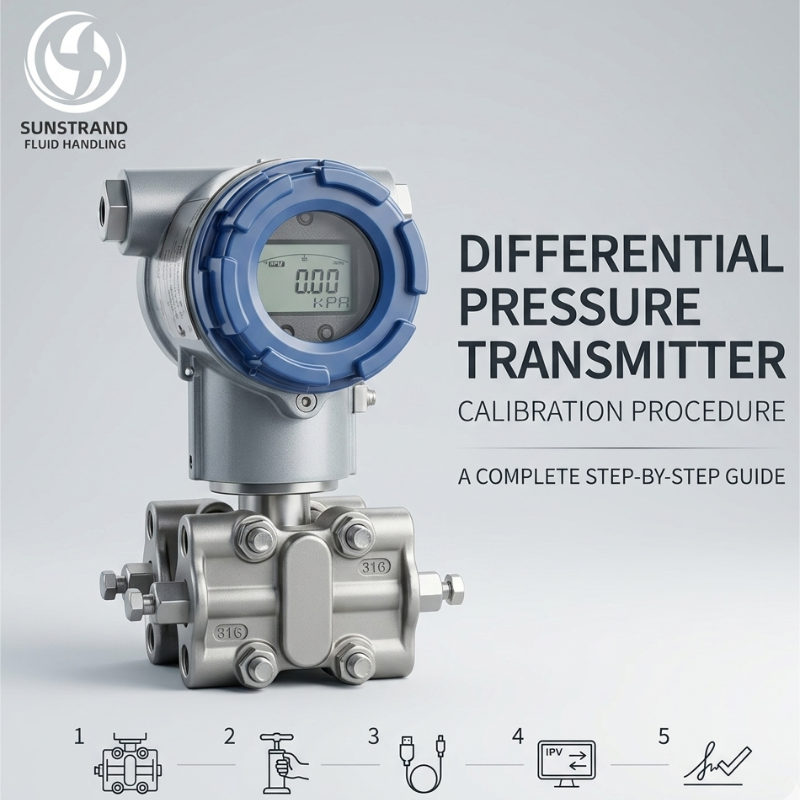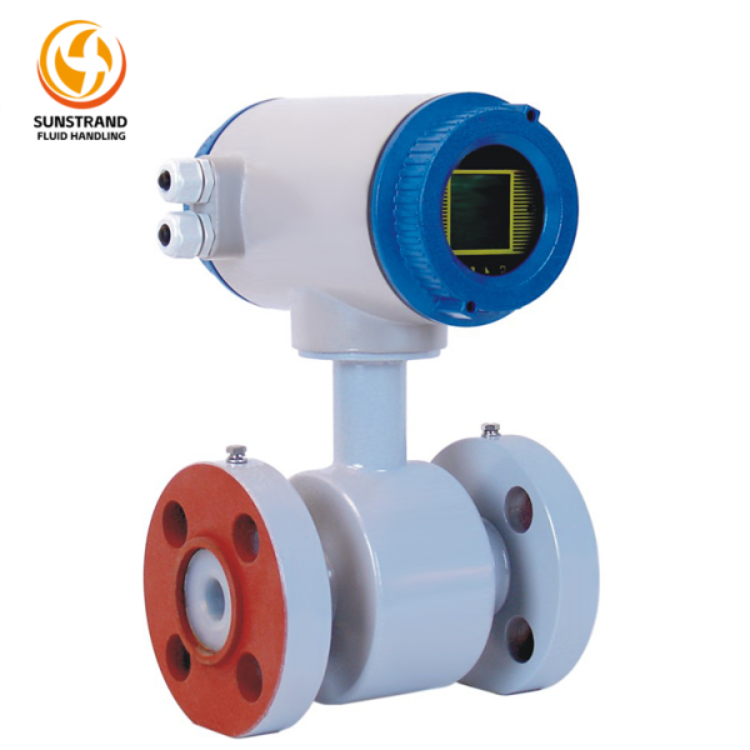

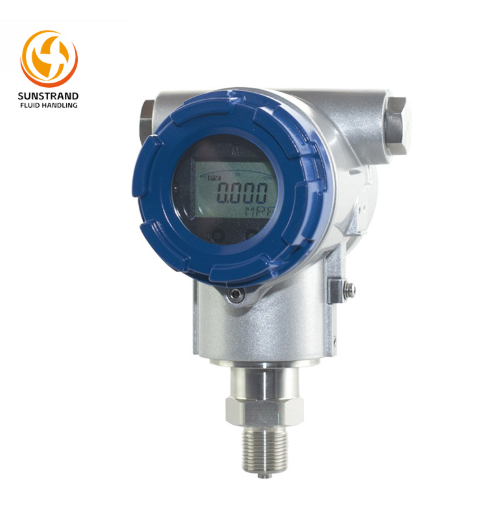
A reliable Pressure Transmitter is essential for maintaining efficiency, safety, and cost control across industries such as oil and gas, chemical processing, water treatment, and industrial automation. With so many pressure transmitter types and varying technical specifications, selecting the right device can feel overwhelming. This guide breaks down the 15 most important factors to help you choose confidently—whether you need a differential pressure transmitter, a pressure gauge transmitter, or a high-performance solution from trusted manufacturers like Sunstrand. By understanding how these devices work and what specifications truly matter, you can ensure better accuracy, fewer failures, and long-term savings.
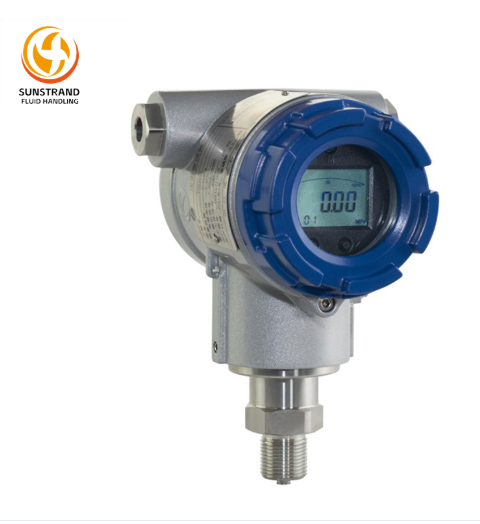
Before selecting a device, you must understand the pressure transmitter working principle. A transmitter measures pressure—whether gauge, absolute, or differential—and converts it into a usable signal such as 4–20mA or digital output.
Key points include:
The sensor (piezoresistive, capacitive, strain gauge) detects pressure changes.
The electronics convert this into a stable, standardized output.
The signal is used for monitoring, automation, or safety controls.
Knowing the working principle helps you choose the right design for your application.
Different applications require different device types:
Used for pipelines, pumps, compressors, and water supply systems. Measures pressure relative to atmospheric pressure.
Used when exact pressure relative to a perfect vacuum is required—such as in scientific labs or vacuum processing.
Measures the pressure difference between two points and is used for:
Flow measurement
Filter monitoring
Level measurement in sealed tanks
HVAC pressure monitoring
Choosing the right category ensures accurate and stable results.
A properly selected pressure range protects the transmitter from overload and ensures accuracy.
Consider:
Maximum operating pressure
Safety overload pressure
Burst pressure rating
Sunstrand Pressure Transmitter models are engineered with strong overload resistance to avoid premature failure.
The medium your device measures—water, oil, gas, steam, or corrosive chemicals—determines what materials your transmitter must use.
Check:
Wetted materials: stainless steel, Hastelloy, ceramic
Seal materials: Viton, NBR, PTFE
Corrosion resistance
Viscosity and particle content
Sunstrand uses industrial-grade materials to ensure long service life in petrochemical and environmental applications.
High temperatures can cause signal drift and reduce transmitter life. Consider:
Maximum media temperature
Ambient temperature
Compensated temperature range
For extreme temperatures, choose transmitters with diaphragm seals or cooling adapters.
Accuracy is key for process control.
Typical accuracy levels are:
±0.1% FS (high precision)
±0.25% FS
±0.5% FS
High-accuracy models are used in critical processes such as flow measurement or billing (custody transfer).
Sunstrand offers high-precision models designed for stable, long-term performance.
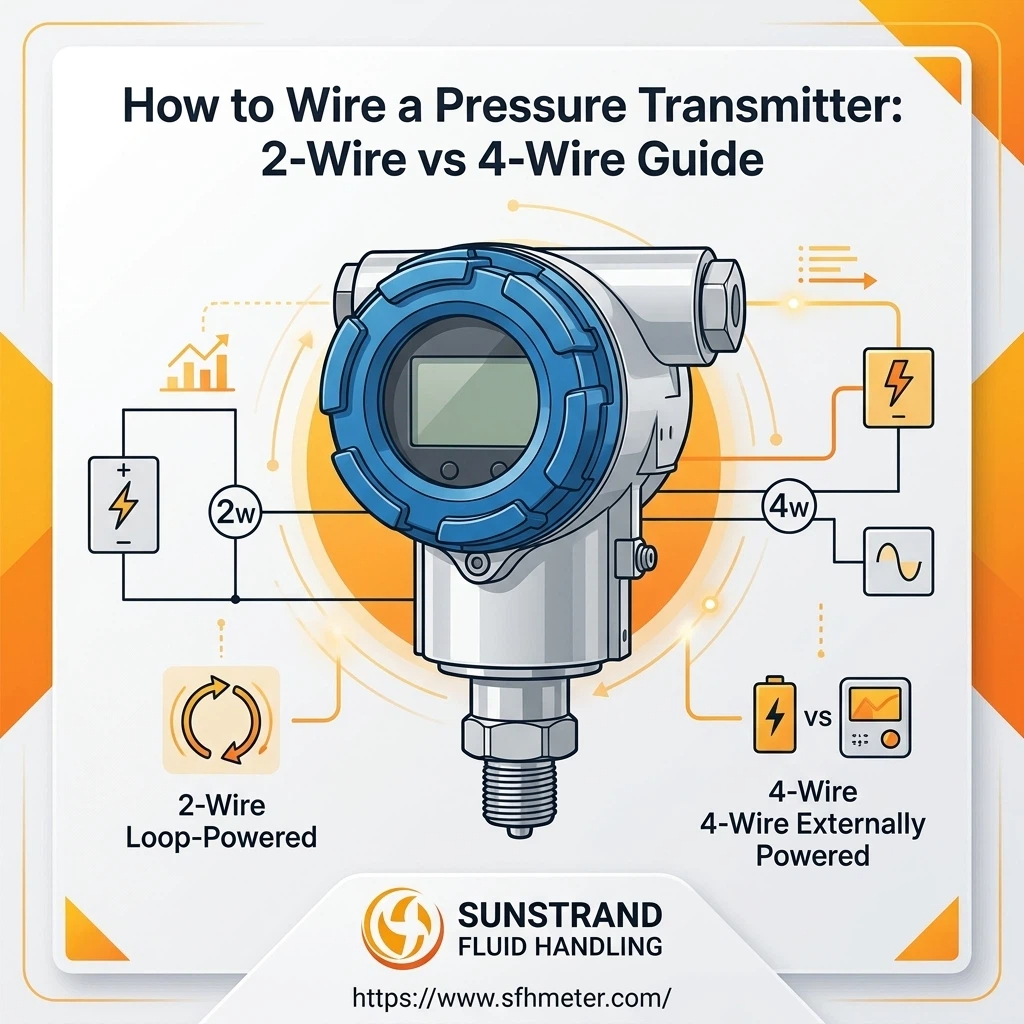
Choose output signals compatible with your control system:
Analog: 4–20mA, 0–10V, 1–5V
Digital: HART, RS485, Modbus
Smart transmitters support remote configuration and diagnostics, ideal for modern factories.
Process connection depends on installation environment.
Common types include:
NPT, G, M20×1.5 threaded
Flanged connections
Sanitary clamp connections
Remote diaphragm seals
Choose a connection compatible with your pipeline to ensure safety and accuracy.
Durable housing and connectors ensure long-term reliability.
Options include:
Cable gland
M12 connectors
Industrial junction boxes
DIN connectors
For outdoor or corrosive environments, choose stainless steel housings with high IP protection.
Ingress protection (IP rating) determines whether the transmitter can withstand:
Dust
Moisture
Rain
Submersion
Sunstrand Pressure Transmitter models offer multiple IP ratings to support harsh industrial outdoor environments.
Some applications require fast response.
Fast-response transmitters are essential for:
Pump control
Dynamic pressure measurement
Surge detection
Slow response can lead to inaccurate readings or control delays.
Most transmitters use:
12–36V DC
24V DC standard industrial supply
Verify voltage compatibility to avoid installation issues.
Regular pressure transmitter calibration ensures accuracy and safety.
Look for:
Factory calibration certificates
Easy zero/span adjustment
Compatibility with calibration equipment
Long-term drift specifications
Sunstrand operates advanced calibration equipment for precise quality control, including water flow calibration devices and gas flow standard systems.
Depending on your industry, your transmitter may require:
CE
ISO
Explosion-proof certification
SIL safety ratings
Certified transmitters ensure compliance and enhance overall reliability.
The manufacturer’s capability determines product performance, durability, and maintenance support.
Sunstrand Fluid Handling Co., Ltd. owns:
CNC machining centers
Automated processing equipment
Welding facilities
High-precision calibration systems
Their product line includes flow meters, temperature/pressure/level transmitters, and flow controllers, widely used in petroleum, chemical, and environmental industries.
The Sunstrand Pressure Transmitter series delivers:
High precision
Strong stability
Wide adaptability to various media and temperatures
This makes Sunstrand a trusted partner in industrial automation.
| Factor | Why It Matters | What to Check |
|---|---|---|
| Pressure Range | Ensures safe, accurate measurement | Operating pressure, peaks, overload rate |
| Output Signal | Must match control system | 4–20mA, 0–10V, HART, Modbus |
| Media Compatibility | Prevent corrosion or damage | 316L, Hastelloy, PTFE, seals |
| Temperature | High temps can damage sensors | Cooling adapters, diaphragm seals |
| Mounting Location | Impacts accuracy & stability | Orientation, vibration, cable routing |
| Accuracy & Stability | Reflects measurement reliability | ±0.1%, ±0.25%, long-term drift |
| Certification | Compliance & safety | CE, RoHS, ATEX, IECEx |
| Calibration Needs | Ensures long-term performance | Calibration interval, traceability |
Pressure transmitter calibration should be performed at least once per year. However, critical or high-precision applications—such as oil refining or pharmaceutical manufacturing—may require calibration every 3–6 months. Regular calibration ensures accuracy, stability, and regulatory compliance.
Select a range where your normal operating pressure falls between 40%–70% of the transmitter’s full scale. This ensures optimal accuracy and protects the sensor from overload. If the process has pressure spikes, consider a higher range or overpressure-protected sensor.
Yes—if the correct materials are chosen.
For corrosive media, look for:
316L stainless steel
Hastelloy
PTFE diaphragm seals
For high temperatures, use:
Cooling adapters
Capillary-type remote diaphragm seals
Sunstrand provides customized high-temperature and corrosion-resistant pressure transmitter options.
Selecting the ideal Pressure Transmitter is crucial for ensuring long-term stability, accuracy, and efficiency in your operations. By evaluating your pressure range, media type, temperature needs, accuracy level, output signal, and installation environment, you can make a smart and cost-effective choice.
If you’re looking for a transmitter that combines high precision, strong stability, and long-lasting performance, Sunstrand is a trusted manufacturer with a full range of professional solutions. Whether you need a differential pressure transmitter, a pressure gauge transmitter, or a specialized model for demanding applications, a Sunstrand Pressure Transmitter delivers reliable performance across various industries.