
In the complex operation system of industrial production, temperature is one of the core parameters that determine product quality, production safety, and operational efficiency. As a key device for temperature detection and signal transmission, temperature transmitters act as the “sensory nerves” of industrial equipment, connecting on-site data collection with background control systems. From daily manufacturing workshops to harsh environments such as high temperature, high pressure, and strong corrosion, temperature transmitters play an irreplaceable role.
This article will systematically sort out five common different types of temperature transmitters—including standard, high temperature pressure, temperature and humidity, temperature indicator, and wireless models—analyze their core features, application scenarios, and practical values, and combine Sunstrand‘s industry application cases to provide a comprehensive reference for enterprises to select suitable temperature measurement equipment. Whether you are engaged in petrochemical, papermaking, building materials, or electronic manufacturing, you can find targeted solutions for choosing the right temperature transmitter here.
Standard temperature transmitters are the most widely used basic type in industrial temperature measurement, with stable performance and high cost-effectiveness. Generally, they support temperature measurement ranges of -200℃ to 850℃, which can cover most conventional industrial scenarios. In terms of accuracy, mainstream products can reach ±0.1℃, and the output signals are standardized (4-20mA DC or 0-10V DC), which can be seamlessly connected with common controllers, PLCs, and DCS systems on the market.
In addition, standard temperature transmitters usually have good anti-interference performance, adopting shielding technology to resist electromagnetic interference in industrial environments, ensuring stable signal transmission. For example, Sunstrand‘s standard temperature transmitter is equipped with a high-precision sensor core, which can maintain measurement stability even in long-term continuous operation, reducing the frequency of calibration and maintenance.
In terms of structure, standard temperature transmitters are mostly designed with split or integrated types to adapt to different installation environments. The integrated type is compact in size, easy to install and debug, and suitable for occasions where the installation space is limited and the sensor can be installed near the controller. The split type separates the sensor and the transmitter body, which is convenient for replacing the sensor independently and is suitable for scenarios where the on-site environment is harsh (such as high humidity, dust) and the transmitter needs to be installed in a stable environment.
The shell of the transmitter is usually made of stainless steel or engineering plastics, with certain waterproof, dustproof, and corrosion-resistant capabilities, meeting the protection level requirements of IP65 or above, and can adapt to the harsh conditions of industrial workshops.
Due to its versatility and stability, standard temperature transmitters are widely used in general industrial fields. In the machinery manufacturing industry, it is used to monitor the temperature of equipment bearings, motors, and hydraulic systems to prevent equipment damage caused by overheating; in the food processing industry, it is used to control the temperature of cooking, sterilization, and refrigeration links to ensure food safety and quality consistency; in the building materials industry, it is applied to the temperature monitoring of cement kilns, glass melting furnaces, etc., to assist in adjusting production parameters.
A large-scale auto parts factory in the north adopted Sunstrand‘s standard temperature transmitter to monitor the temperature of the stamping die in real time. Through the connection with the factory’s DCS system, the temperature data is fed back in real time. When the temperature exceeds the set threshold, the system automatically alarms and adjusts the cooling water flow, which not only reduces the scrap rate of parts but also extends the service life of the die by 30%.
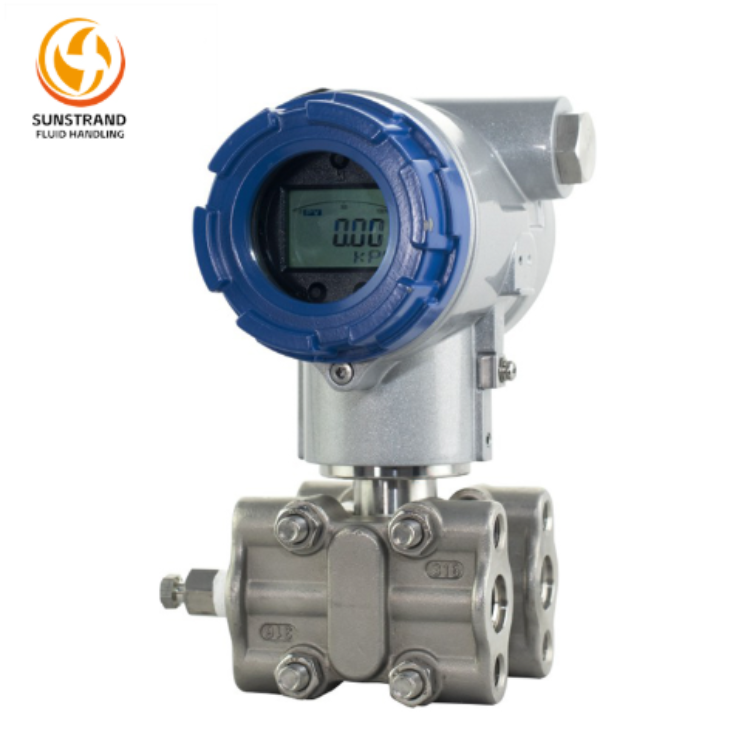
High temperature pressure transmitters are specially designed for harsh environments with high temperature and high pressure, integrating temperature and pressure measurement functions, which can solve the problem of difficult multi-parameter monitoring in extreme scenarios. In terms of high temperature resistance, the product adopts special high-temperature resistant materials (such as Inconel alloy) and heat insulation structures, and the maximum temperature resistance can reach 1200℃, which is far higher than that of standard transmitters.
At the same time, the sensor part of the transmitter is equipped with a temperature compensation module, which can eliminate the measurement error caused by high temperature drift and ensure the accuracy of pressure measurement under high temperature conditions. Sunstrand‘s high temperature pressure transmitter also uses a sealed isolation technology to prevent high-temperature media from corroding the internal components of the transmitter, improving the service life and reliability of the product.
In terms of pressure monitoring, high temperature pressure transmitters support a wide range of pressure measurement, from 0-10MPa to 0-100MPa, which can meet the needs of different high-pressure scenarios. The pressure sensor adopts a diffused silicon or piezoelectric structure, which has high pressure sensitivity and fast response speed, and can capture the subtle changes of pressure in real time.
The product also has overpressure protection function. When the system pressure exceeds the maximum measurement range, the internal pressure relief structure will be activated to avoid damage to the transmitter, ensuring the safety of the entire measurement system.
High temperature pressure transmitter is a specialized type among different types of temperature transmitters, mainly used in industries with extreme operating conditions such as petrochemical, thermal power, and aerospace. In the petrochemical industry, this high temperature pressure transmitter is used to monitor the temperature and pressure of high-temperature and high-pressure media in hydrogenation reactors, cracking furnaces, and pipelines to ensure the stability and safety of the reaction process; in thermal power plants, it is applied to the temperature and pressure measurement of boiler steam, providing data support for the adjustment of the power generation system; in the aerospace field, it is used to monitor the temperature and pressure of engine exhaust pipes and fuel systems, meeting the high-reliability requirements of aerospace equipment.
Temperature and humidity transmitters integrate temperature and humidity sensors into one, realizing synchronous acquisition and transmission of temperature and humidity data, which is more efficient and convenient than separate temperature and humidity measurement equipment. The product adopts high-precision humidity sensors, with a humidity measurement range of 0-100% RH and an accuracy of ±2% RH, which can accurately capture the humidity changes in the environment.
The synchronous data acquisition function ensures the time consistency of temperature and humidity data, which is crucial for scenarios that require the correlation analysis of temperature and humidity. For example, in the storage of electronic components, the change of humidity will affect the insulation performance of components, and the synchronous monitoring of temperature and humidity can help enterprises better analyze the impact of the environment on product quality.
Temperature and humidity transmitters have strong signal integration capabilities, which can output temperature and humidity data through a single signal line (supporting 4-20mA, RS485 and other signal types), reducing the complexity of on-site wiring and the cost of equipment installation and maintenance. At the same time, the product can be connected to the Internet of Things platform through the RS485 bus, realizing remote monitoring and data management of temperature and humidity.
Sunstrand‘s temperature and humidity transmitter also supports customized data output formats, which can be adjusted according to the user’s system requirements, improving the compatibility of the product with different control systems.
Temperature and humidity transmitter is another practical variant among different types of temperature transmitters, widely used in industries that have strict requirements on environmental temperature and humidity, such as electronics, pharmaceuticals, food storage, and textiles. Unlike a single temperature transmitter, this temperature and humidity transmitter integrates dual monitoring functions, making it more efficient for scenarios requiring synchronous environmental control. In the electronics industry, it is used to monitor the temperature and humidity of clean workshops to ensure the production quality of chips and electronic components; in the pharmaceutical industry, it is applied to the storage of medicines and the production process of preparations to meet the GMP certification requirements; in the textile industry, it is used to control the temperature and humidity of the weaving workshop to adjust the moisture content of fabrics and improve the weaving efficiency.
A pharmaceutical factory in the south used Sunstrand‘s temperature and humidity transmitter to monitor the temperature and humidity of the medicine warehouse in real time. The transmitter uploads data to the enterprise’s IoT platform 24 hours a day. When the temperature or humidity exceeds the set range, the platform sends an alarm message to the manager’s mobile phone and automatically starts the air conditioner and dehumidifier, ensuring that the medicine is stored in a suitable environment and avoiding quality problems caused by environmental factors.
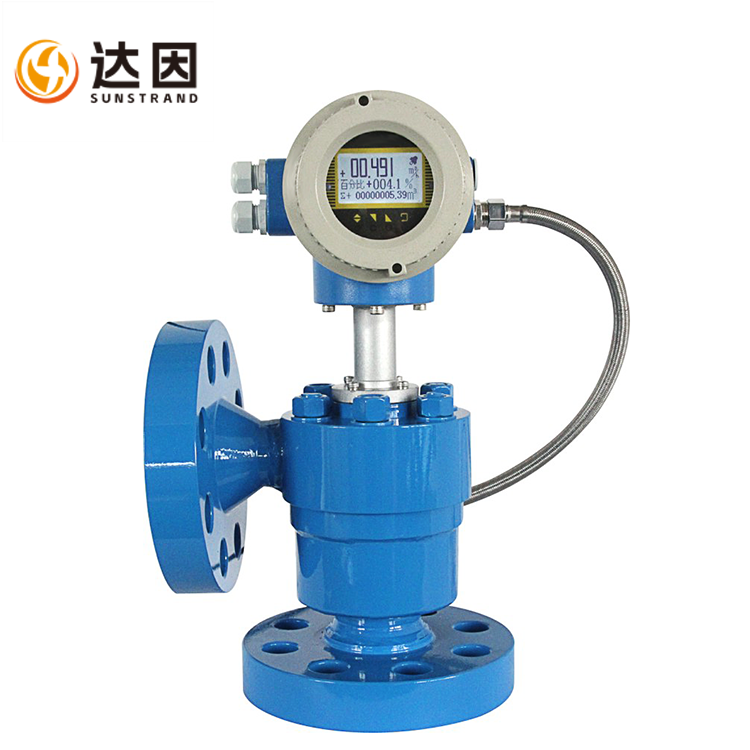
The biggest feature of temperature indicator transmitters is the integration of a local display unit, which can directly display the measured temperature value on the transmitter body, allowing on-site operators to intuitively grasp the temperature data without connecting to a background system. The display screen is usually a high-brightness LCD or LED screen, which has good visibility even in strong light or dark environments.
The display unit also supports the setting of upper and lower temperature limits. When the measured temperature exceeds the set threshold, the screen will flash or display an alarm signal to remind on-site operators to deal with it in time, improving the responsiveness of on-site management.
Temperature indicator transmitters support dual monitoring modes of local display and remote transmission. While displaying data on site, they can also transmit temperature signals to the background control system through standard signals, realizing the combination of on-site management and centralized control. This mode is especially suitable for scenarios where both on-site operation and remote monitoring are required, such as chemical workshops, water treatment plants, etc.
In addition, some high-end models also support local data storage, which can record historical temperature data for a period of time, facilitating operators to query and analyze historical data and trace back to production problems.
Temperature indicator transmitter stands out among different types of temperature transmitters for its on-site display advantage, widely used in scenarios that require real-time on-site temperature monitoring, such as water treatment, metallurgy, and daily chemical industries. Compared with other temperature transmitter models, this temperature indicator transmitter allows operators to grasp data without relying on background systems, improving on-site work efficiency. In water treatment plants, it is used to monitor the temperature of raw water, treated water, and sewage, and on-site operators can adjust the treatment process in time according to the displayed data; in the metallurgical industry, it is applied to the temperature measurement of molten steel, molten iron, and other media, and the local display allows operators to grasp the temperature of the molten metal in real time to ensure the smooth progress of smelting; in the daily chemical industry, it is used to monitor the temperature of reaction kettles and mixing tanks, facilitating on-site operators to adjust the feeding speed and reaction time.
Wireless temperature transmitters adopt wireless communication technology, eliminating the need for on-site wiring, which greatly reduces the difficulty and cost of installation. This is especially important for scenarios where wiring is difficult or impossible, such as large-scale workshops, remote equipment, and dangerous areas. For example, in large-scale storage warehouses, it is necessary to install multiple temperature transmitters to monitor the temperature of different areas. Wireless products can avoid complicated wiring work and reduce the damage to the warehouse structure.
In addition, the wiring-free design also makes the installation position of the transmitter more flexible. Operators can adjust the installation position according to the actual measurement needs without being restricted by the wiring layout, improving the rationality of the measurement system.
Wireless temperature transmitters support a variety of wireless communication protocols, including LoRa, NB-IoT, Wi-Fi, and Bluetooth, to adapt to different application scenarios. LoRa protocol has the advantages of long transmission distance (up to several kilometers) and low power consumption, which is suitable for large-scale industrial parks and remote monitoring scenarios; NB-IoT protocol relies on the operator’s cellular network, with wide coverage and stable communication, which is suitable for scenarios that require long-term online monitoring; Wi-Fi and Bluetooth protocols have high transmission speed, which is suitable for short-distance and high-data-volume transmission scenarios.
Sunstrand‘s wireless temperature transmitter supports dual-protocol switching (LoRa+NB-IoT), allowing users to choose the appropriate communication protocol according to the on-site environment, improving the adaptability of the product.
Wireless temperature transmitter is a cutting-edge option among different types of temperature transmitters, widely used in industries such as logistics and cold chain, power distribution, and large-scale manufacturing. Its wiring-free design solves the installation difficulties faced by traditional temperature transmitter models in large-scale or remote scenarios. In the logistics and cold chain industry, this wireless temperature transmitter is used to monitor the temperature of refrigerated trucks and cold storage, and transmit temperature data to the logistics management platform in real time to ensure the quality of cold chain goods; in the power distribution industry, it is applied to the temperature monitoring of power distribution cabinets and cable joints, realizing remote monitoring of equipment temperature and avoiding fire accidents caused by overheating; in large-scale manufacturing workshops, it is used to monitor the temperature of multiple equipment at the same time, reducing the workload of on-site inspection.
A large-scale paper processing plant in East China has a production workshop of 50,000 square meters, with 8 paper machines and 12 drying ovens. The traditional wired temperature transmitter has problems such as complicated wiring, difficult maintenance, and limited installation positions, which cannot meet the real-time temperature monitoring needs of multiple points in the workshop. After understanding the customer’s needs, Sunstrand provided a wireless temperature monitoring solution based on LoRa protocol.
The solution installed 32 Sunstrand wireless temperature transmitters in key positions such as paper machines, drying ovens, and air ducts. The transmitters collect temperature data every 5 seconds and transmit it to the central control platform through the LoRa gateway. The platform realizes real-time monitoring, data analysis, and alarm management of temperature data. At the same time, the wiring-free design reduces the installation time by 60% and the maintenance cost by 40% compared with the traditional scheme.
After the project is put into use, the paper processing plant can adjust the temperature of the drying oven in time according to the monitored data, which not only improves the smoothness and uniformity of the paper surface but also reduces the energy consumption of the drying oven by 15%, bringing significant economic benefits to the enterprise.
A petrochemical enterprise in North China has a hydrogenation reactor with an operating temperature of 800℃ and a pressure of 40MPa. The original temperature and pressure measurement equipment has problems such as poor high temperature resistance, large measurement error, and frequent failures, which affect the stability of the production process. Sunstrand provided a high temperature pressure transmitter with Inconel alloy shell and temperature compensation module for the enterprise.
The transmitter is installed at the outlet of the reactor, which can simultaneously monitor the temperature and pressure of the high-temperature and high-pressure fluid. The product adopts sealed isolation technology to avoid corrosion of internal components by the medium, and the temperature compensation module ensures the measurement accuracy under high temperature conditions. The transmitter outputs data to the enterprise’s DCS system through 4-20mA signal, realizing automatic adjustment of the reactor’s operating parameters.
Since the installation and use, the transmitter has been operating stably for 18 months without failure, the measurement error is controlled within ±0.2℃, and the stability of the reactor’s operating parameters has been significantly improved. The product not only ensures the safety of production but also reduces the scrap rate of products caused by parameter fluctuations by 8%, winning high recognition from customers.
Choosing the right temperature transmitter needs to comprehensively consider multiple factors such as operating environment, measurement requirements, and system compatibility, especially when selecting from different types of temperature transmitters. First, clarify the temperature range of the measured object. For conventional temperature ranges (-200℃ to 850℃), standard temperature transmitter can be selected; for high temperature environments above 850℃, high temperature resistant models need to be selected. Second, consider the on-site pressure conditions. If pressure measurement is also required, high temperature pressure transmitter with dual functions should be selected.
Third, according to the on-site installation environment, choose the appropriate installation type (integrated or split) and protection level. For harsh environments with high humidity and dust, products with IP67 or above protection level should be selected. Fourth, confirm the required output signal type and communication protocol to ensure compatibility with the existing control system. Finally, consider the cost performance and after-sales service of the product, and choose products with reliable quality and perfect after-sales service, such as Sunstrand‘s temperature transmitters, which provide a 2-year warranty and professional technical support.
To help enterprises quickly select suitable temperature transmitters, we first sort out the core information of different types of transmitters in the form of a table for intuitive comparison, and then provide a quick selection checklist:
|
Type of Temperature Transmitter |
Core Features |
Measurement Range (Temperature) |
Key Advantages |
Typical Application Scenarios |
|
Standard Temperature Transmitter |
Stable performance, standardized output signals (4-20mA/0-10V), split/integrated design |
-200℃ to 850℃ |
High cost-effectiveness, strong anti-interference, easy installation |
Machinery manufacturing, food processing, building materials production |
|
High Temperature Pressure Transmitter |
Dual-function measurement (temperature + pressure), high-temperature resistance, overpressure protection |
-200℃ to 1200℃ |
Extreme environment adaptation, sealed isolation, temperature compensation |
Petrochemical, thermal power, aerospace |
|
Temperature and Humidity Transmitter |
Synchronous data acquisition, signal integration, support for IoT connection |
-40℃ to 85℃ |
Dual-parameter monitoring, simplified wiring, customized data output |
Electronics cleanrooms, pharmaceutical storage, textile workshops |
|
Temperature Indicator Transmitter |
Integrated local display, dual monitoring mode (local + remote), alarm function |
-200℃ to 850℃ |
Intuitive on-site reading, fast response, optional historical data storage |
Water treatment, metallurgy, daily chemical reaction kettles |
|
Wireless Temperature Transmitter |
Wiring-free design, multi-protocol support (LoRa/NB-IoT), low power consumption |
-40℃ to 85℃ |
Flexible installation, long-distance transmission, adaptive frequency hopping |
Logistics cold chain, power distribution, large-scale workshops |
The above table clearly sorts out the core differences of various temperature transmitters, helping you quickly lock in the preliminary selection direction based on on-site needs. For further confirmation, you can combine the key selection factors mentioned earlier to make a more accurate decision.
As a core component of industrial temperature measurement, temperature transmitter plays a vital role in improving production efficiency, ensuring product quality, and enhancing operational safety. Different types of temperature transmitters—including high temperature pressure transmitter, temperature and humidity transmitter, temperature indicator transmitter, and wireless temperature transmitter—have their own characteristics and application scenarios. Enterprises need to choose products that are suitable for their own production needs according to the actual operating environment and measurement requirements.
Sunstrand has been deeply engaged in the field of industrial measurement for many years, with rich experience in product R&D and project implementation. Its temperature transmitters cover standard, high temperature pressure, temperature and humidity, indicator, and wireless types, which can provide comprehensive measurement solutions for enterprises in various industries. In the future, Sunstrand will continue to focus on technological innovation, launch more high-quality, high-performance products, and help the high-quality development of the industrial industry.
Q1: What is the difference between 4-20mA and 0-10V output signals of temperature transmitters?
A1: The 4-20mA current signal has strong anti-interference ability and can transmit over long distances (up to 1000 meters), which is suitable for complex industrial environments with strong electromagnetic interference; the 0-10V voltage signal has simple wiring and low cost, but the anti-interference ability is weak, and the transmission distance is limited (usually within 100 meters), which is suitable for short-distance and simple environment scenarios. In addition, the 4mA of the 4-20mA signal can be used to judge whether the transmitter is faulty (if the current is 0mA, it means the transmitter is faulty), while the 0V of the 0-10V signal is difficult to distinguish between normal measurement and fault.
Q2: How often do temperature transmitters need to be calibrated?
A2: The calibration cycle of temperature transmitters is usually determined according to the use environment and measurement requirements. Under normal industrial operating conditions, it is recommended to calibrate once a year; for harsh environments with high temperature, high pressure, and strong corrosion, or scenarios with high measurement accuracy requirements (such as pharmaceuticals, electronics), the calibration cycle can be shortened to 6 months. In addition, if the transmitter is repaired or replaced with a sensor, it needs to be calibrated again before use.
Q3: Can wireless temperature transmitters work normally in outdoor environments?
A3: Yes. Sunstrand‘s wireless temperature transmitters adopt a sealed shell with a protection level of up to IP67, which can resist rain, dust, and extreme temperatures (-40℃ to 85℃), and can work normally in outdoor environments. At the same time, the product uses a low-power design and is equipped with a rechargeable lithium battery, which has a standby time of up to 5 years, reducing the frequency of battery replacement. For outdoor scenarios with long transmission distances, LoRa protocol products can be selected to ensure stable signal transmission.
Q4: How to solve the problem of temperature drift of temperature transmitters?
A4: Temperature drift is a common problem in temperature measurement, which is mainly caused by the influence of the environment on the sensor. To solve this problem, first, you can choose a temperature transmitter with a temperature compensation function. The product can automatically adjust the measurement value according to the ambient temperature to eliminate the error caused by temperature drift. Second, install the transmitter in a stable environment as much as possible, avoiding direct sunlight, strong wind, and other factors that cause large changes in ambient temperature. In addition, regular calibration can also reduce the impact of temperature drift on measurement accuracy.
Q5: Can temperature transmitters be customized for special industrial environments?
A5: Yes. For special industrial environments such as strong corrosion, ultra-low temperature, or explosive areas, customized temperature transmitters are usually required. Sunstrand provides personalized customization services, including material customization (such as Hastelloy alloy for corrosion resistance), structural adjustment (such as explosion-proof shell for hazardous areas), and function expansion (such as adding special signal output). For example, in the chemical industry with strong corrosive media, Sunstrand can customize transmitters with PTFE lining to ensure long-term stable operation. It should be noted that customized products need to confirm detailed requirements in advance to ensure compliance with on-site safety standards and measurement needs.
Q6: What is the difference between explosion-proof and intrinsically safe temperature transmitters?
A6: Both are designed for explosive environments, but their safety principles and application scenarios differ. Explosion-proof transmitters use an explosion-proof shell to isolate internal electrical sparks from external explosive gas, preventing explosions, and are suitable for Zone 1 and Zone 2 hazardous areas. Intrinsically safe transmitters limit the electrical energy (voltage, current) in the circuit to a level that cannot ignite explosive gas, with higher safety, and are applicable to Zone 0, Zone 1, and Zone 2 areas. In addition, intrinsically safe products are smaller in size and easier to install, while explosion-proof transmitters are more resistant to mechanical impact. Enterprises should choose according to the explosion-proof zone classification of the on-site environment.
Q7: How to ensure the stability of wireless temperature transmitters in multi-device simultaneous operation?
A7: First, select a wireless protocol with strong anti-interference ability (such as LoRa) and support for multi-node access, which can avoid signal conflicts when multiple devices transmit data simultaneously. Second, reasonably arrange the position of the wireless gateway to ensure that all transmitters are within the signal coverage range, and avoid obstacles such as thick walls and metal structures that block signals. Sunstrand‘s wireless temperature transmitters are equipped with adaptive frequency hopping technology, which can automatically switch communication channels when signal interference occurs. In addition, regular maintenance of the gateway and updating of firmware can also ensure the stability of the entire wireless monitoring system.
Q8: Can temperature transmitters be connected to third-party IoT platforms?
A8: Most mainstream temperature transmitters support connection to third-party IoT platforms, provided that the signal protocol is compatible. For example, transmitters with RS485 interface (supporting Modbus protocol) can be connected to most industrial IoT platforms through a protocol converter. Sunstrand‘s temperature transmitters support standard communication protocols such as Modbus, MQTT, and OPC UA, which can be seamlessly connected to platforms such as Azure, AWS, and domestic industrial IoT platforms. Before connection, it is necessary to confirm the protocol requirements of the IoT platform and debug the signal to ensure normal data upload and interaction.
Q9: What are the common installation mistakes of temperature transmitters and how to avoid them?
A9: Common installation mistakes include: installing the sensor in a dead corner of temperature (such as near air vents or heat sources), resulting in inaccurate measurement; improper wiring (such as reverse positive and negative poles of current signals), causing no signal output; ignoring the protection level of the transmitter, installing it in a humid environment beyond the rated level, leading to equipment failure. To avoid these problems, first, select the correct installation position according to the measurement object, ensuring that the sensor is in full contact with the measured medium; second, strictly follow the wiring diagram for wiring, and conduct a power-on test after wiring; third, confirm that the on-site environment meets the product’s protection level and temperature range requirements. For complex scenarios, professional technical personnel can be invited to guide the installation.
Q10: How to extend the service life of temperature transmitters?
A10: First, select the appropriate product according to the on-site environment, avoiding overloading use (such as using standard transmitters in high-temperature environments). Second, perform regular maintenance, including cleaning the sensor surface (removing dust, dirt, etc.), checking the wiring and connector tightness, and replacing aging components in time. Third, avoid frequent disassembly and assembly of the transmitter, which may damage the sensor and shell seal. Sunstrand recommends that enterprises establish a regular maintenance system, conduct daily inspections and annual calibration, which can effectively extend the service life of the transmitter to 5-8 years.
Q11: What is the difference between contact and non-contact temperature transmitters?
A11: Contact transmitters measure temperature by directly contacting the measured object, with high measurement accuracy, suitable for solid, liquid, and gas media that allow contact, such as equipment bearings, reaction kettles, etc. Non-contact transmitters measure temperature through thermal radiation, without contacting the object, suitable for high-temperature, high-pressure, or toxic media that are not easy to contact, such as molten steel, high-temperature furnaces, etc. However, non-contact transmitters are easily affected by environmental factors such as ambient temperature and dust, and the measurement accuracy is slightly lower than that of contact types. Enterprises should choose according to the measured medium and on-site conditions.
Q12: Do temperature transmitters require professional training for operation and maintenance?
A12: Basic operation (such as on-site display reading, simple parameter setting) does not require professional training, and operators can get started through the product manual. However, for complex operations such as calibration, protocol debugging, and system connection, professional training is recommended. Sunstrand provides free technical training services for customers, covering product installation, debugging, maintenance, and fault handling. In addition, the after-sales team can provide on-site guidance when necessary. Proper training can not only ensure the correct use of the product but also reduce faults caused by improper operation, improving the stability of the measurement system.