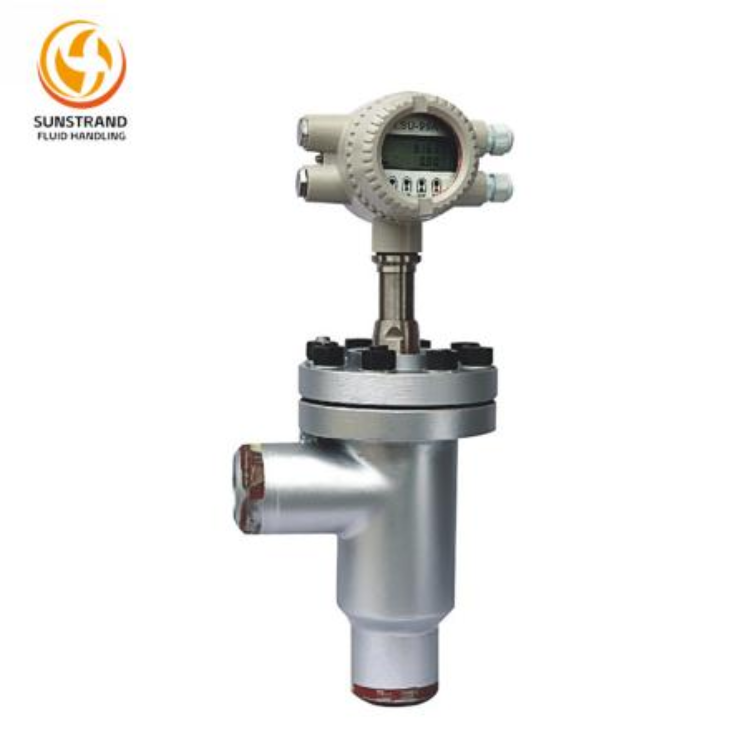

Pressure measurement is of vital importance in key industrial sectors such as oil and gas, pharmaceuticals, water treatment and wastewater treatment, as well as manufacturing. Pressure transmitters are indispensable tools, as they can convert physical pressure into standardized electrical signals, enabling safe and efficient process control. However, traditional pressure transmitters still face ongoing performance issues, including measurement deviations in extreme environments, high maintenance and calibration costs, insufficient integration with the Industrial Internet of Things (IIoT), and sensitivity to vibration and electromagnetic interference.
This blog analyzes the main innovative technologies that will impact pressure transmitters in 2026, the industry trends that drive their application, presents specific application scenarios through Sunstrand‘s actual cases, and provides a practical guide to help you select the appropriate transmitter for specific operations.
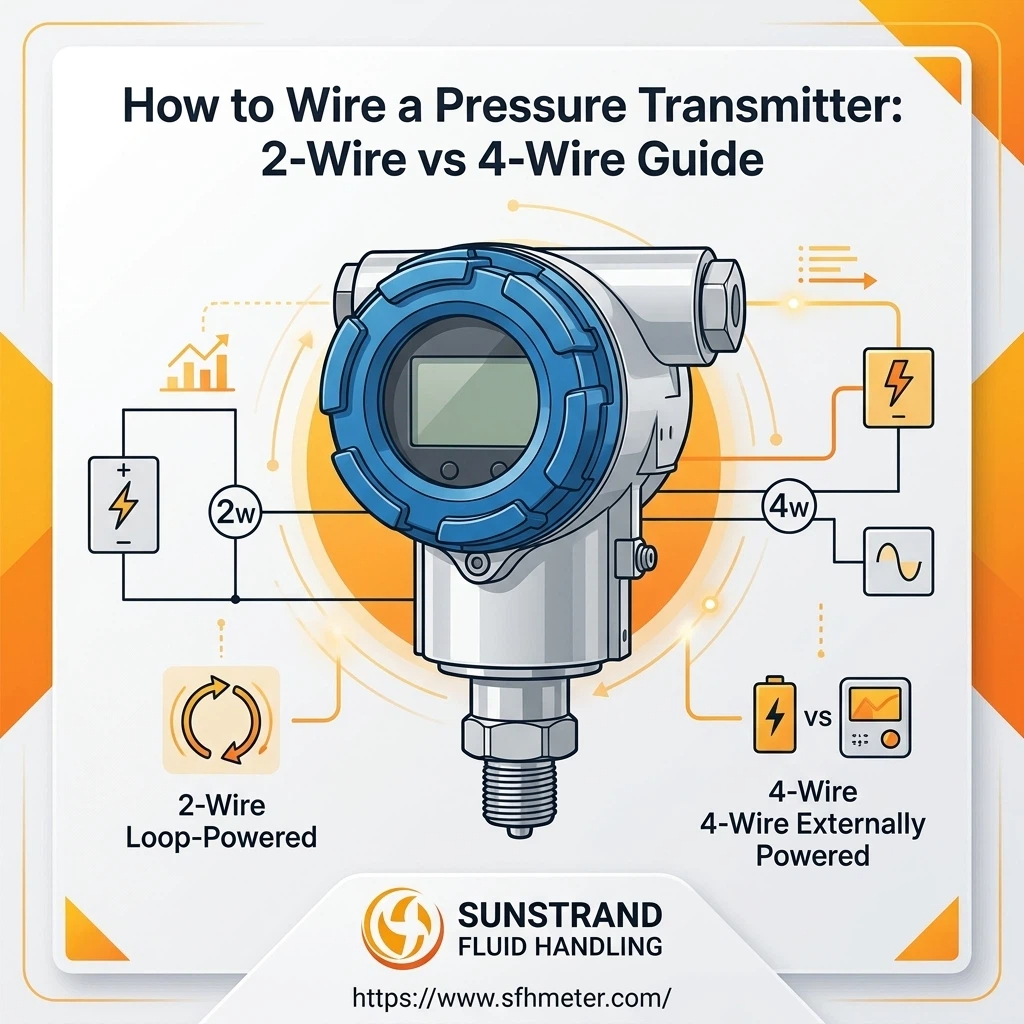
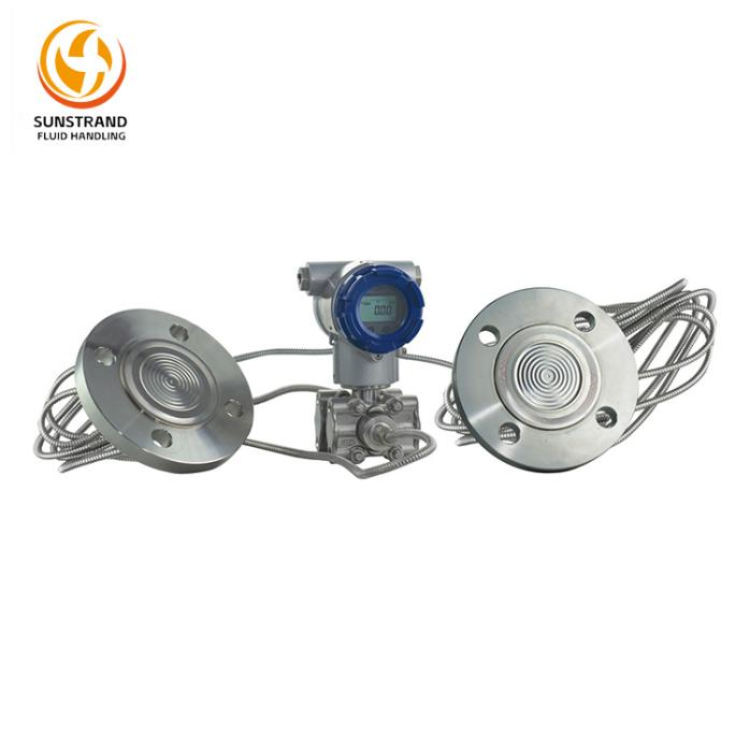
A pressure transmitter is an industrial sensor designed to measure the pressure of gases, liquids, or vapors and convert that measurement into a standardized electrical signal. Unlike basic pressure gauges, which only provide a visual readout, Pressure Transmitters relay data to control systems, PLCs, or cloud-based platforms, enabling real-time monitoring and automated control of industrial processes. A key variant is the differential pressure transmitter, which specializes in measuring the difference between two pressure points—critical for applications like flow monitoring and filter clog detection.
The pressure transmitter working principle revolves around its core components, with the pressure transmitter sensor being the most vital element. At its core, a pressure transmitter consists of three key components: a pressure transmitter sensor, a signal conditioner, and a transmitter module. The pressure transmitter sensor design varies based on the application—common types include strain gauge, capacitive, piezoelectric, and resonant sensors. Strain gauge sensors, for example, use a diaphragm that deforms under pressure, changing the resistance of embedded strain gauges; this resistance change is then converted into an electrical signal, embodying the fundamental pressure transmitter working principle.
Understanding pressure transmitter types is essential for selecting the right device, as they are categorized based on the type of pressure they measure: gauge pressure, absolute pressure, differential pressure transmitter, and sealed gauge pressure). Each type of pressure transmitter is rated for specific pressure ranges, temperature ranges, and environmental conditions, with the pressure transmitter sensor type dictating its suitability for different applications.
In today’s industrial landscape, Pressure Transmitters are no longer standalone devices—they are increasingly integrated into IIoT networks, enabling remote access to data, predictive maintenance, and seamless integration with other automation tools. As we’ll explore later, 2026’s innovations are focused on enhancing this connectivity, improving the reliability of the pressure transmitter sensor, and reducing the total cost of ownership across all pressure transmitter types.
A pressure transmitter is an industrial sensor used to measure the pressure of gases, liquids or vapors and convert the measured values into standardized electrical signals. Unlike traditional pressure gauges that only provide direct readings, pressure transmitters can transmit data to control systems, whether it is a programmable logic controller (PLC) or a cloud platform, enabling real-time monitoring and automated control of industrial processes.
The pressure transmitter mainly consists of three parts: the pressure sensor, the signal processor, and the transmission module. The most important component is the pressure sensor, whose configuration varies depending on the specific application requirements; common types include resistive, capacitive, piezoelectric, and resonant sensors. For example, a resistive sensor uses a layer of deformable flexible material, which will deform when subjected to force, thereby changing the internal resistance value; this resistance change is then converted into an electrical signal. Pressure transmitters for pressure measurement can be classified into the following categories: absolute pressure and differential pressure transmitters, and differential pressure and working pressure transmitters. In addition, they can also be classified according to specific pressure ranges, temperature, and environmental conditions, which are crucial factors for selecting the appropriate transmitter for each application scenario.
In today’s industrial environment, pressure transmitters are no longer just standalone devices; they are increasingly being integrated with the Industrial Internet of Things (IIoT) to enable remote data access, predictive maintenance, and seamless integration with other automation tools. As will be discussed later, the innovation focus in 2026 will be on enhancing connectivity, improving reliability, and reducing overall procurement costs.
Although traditional pressure transmitters are crucial, there are still some limitations in modern industrial environments that affect their performance and efficiency. These challenges require innovative solutions and have become the core of the latest technological advancements by 2026. The following are some of the main factors currently restricting the development of pressure transmitter technology:
One of the most complex issues is the measurement of the drift phenomenon. When the pressure measurement remains constant, the output signal of the transmitter will gradually change over time. This phenomenon is particularly evident in extreme environments such as high temperatures, low temperatures, high pressure, or corrosive environments. In such cases, the sensor material may age, the diaphragm may deform, and electronic components may malfunction, resulting in inaccurate measurements.
For example, in offshore oil and gas operations, pressure sensors are exposed to salt water, high humidity, and drastic temperature fluctuations for a long time, which may lead to an annual total error of 0.5%. This inaccuracy not only reduces production efficiency but also increases safety risks and causes unexpected shutdowns, especially in situations where precise pressure monitoring is required, such as monitoring wells.
Pressure transmitters require regular calibration to ensure accurate measurements. Calibration involves comparing the transmitter’s output signal to a known reference pressure and adjusting the device to correct for any deviation. However, traditional calibration processes are time-consuming, labor-intensive, and often require shutting down the process—leading to lost productivity.
In many industrial facilities, technicians must physically access each transmitter to perform calibration. This not only increases labor costs but also poses safety risks for technicians. Additionally, calibration equipment is expensive, and many facilities lack the in-house expertise to perform accurate calibrations, requiring them to hire external service providers. Over time, these maintenance costs can add up—with some industries spending up to 30% of their sensor budget on calibration and repairs.
As more and more industries adopt IoT and Industry 4.0 technologies, the demand for achieving a perfect integration of pressure sensors with cloud platforms, embedded computing devices, and other automation tools is increasing. However, many of the communication protocols used in traditional transmitters are outdated and lack the bandwidth and processing capabilities required for real-time data sharing, remote monitoring, or predictive analysis.
Even some digital transmitters struggle to achieve integration – they may use proprietary protocols that are incompatible with common IIoT platforms, or lack the ability to collect and transmit other data that is crucial for predictive maintenance. This integration gap hinders industries from fully leveraging the power of data-driven decision-making and limits the efficiency of their automation systems.
The industrial environment is usually very noisy, filled with vibrations generated by machines, pumps and compressors, as well as electromagnetic interference (EMI) caused by cables, motors and other electrical equipment. Traditional pressure transmitters are particularly sensitive to these disturbances, which may lead to inaccurate measurements, increased signal noise, and even equipment failures.
Vibrations may damage the detection diaphragm of the transmitter, interfere with electrical connections, or cause deviations over time. Electromagnetic interference may also disrupt the transmitter signal, resulting in incorrect readings or data loss. For example, in areas subject to strong mechanical vibrations, pressure measurement accuracy may drop to 1%; electromagnetic interference from nearby cables may interrupt the signal for seconds to minutes, which is a serious problem for specific applications that require real-time pressure monitoring to ensure safety.
To break through the limitations of traditional technologies, the pressure transducer in 2026 has achieved significant innovations in design, functionality and connectivity. These innovations aim to make the transducer more intelligent, durable, and easier to install and maintain, thus meeting the needs of modern industrial operations. The main innovation directions that will lead the future of pressure transducers this year are as follows:
One of the most transformative innovations in 2026 will be the advent of intelligent automatic pressure transmitters. These devices achieve automatic calibration through advanced algorithms, machine learning, and built-in reference sensors, eliminating the need for manual adjustments and thereby reducing maintenance costs.
Self-calibrating transmitters work by continuously comparing their measurements to a built-in reference sensor and adjusting their output signal to correct for any drift. Some models even use machine learning algorithms to learn the normal operating conditions of the process and detect when calibration is needed—sending alerts to technicians before inaccuracies become a problem. This not only saves time and labor but also ensures that measurements remain accurate 24/7, even in extreme environments.
Additionally, smart transmitters collect and transmit a wealth of additional data beyond just pressure—including temperature, vibration, power consumption, and device health. This data can be analyzed using edge computing or cloud-based platforms to identify trends, predict potential failures, and optimize process performance. For example, a smart transmitter in a chemical plant can detect a gradual increase in vibration (indicating a failing pump) and send an alert to technicians before the pump fails—preventing unplanned downtime.
2026 is also seeing significant advancements in materials science and design, leading to pressure transmitters with enhanced durability and resistance to extreme environments. Manufacturers are using new materials—such as ceramic, titanium, and advanced polymers—to create sensors that can withstand high temperatures, high pressures, corrosion, and vibration.
For example, ceramic pressure sensors are becoming increasingly popular due to their resistance to corrosion, high temperatures, and pressure. These sensors are ideal for chemical processing, oil & gas, and power generation applications where traditional metal sensors would degrade over time. Additionally, manufacturers are using advanced sealing technologies to prevent moisture, dust, and corrosive fluids from entering the transmitter—extending its lifespan and reducing maintenance needs.
Another key advancement is the development of ruggedized transmitters that can withstand extreme vibration and shock. These devices use shock-absorbing materials, reinforced enclosures, and vibration-isolated sensors to maintain accuracy even in the most demanding environments—such as mining, construction, and offshore operations. Some models are even rated to withstand vibration levels of up to 20 g and shock levels of up to 100 g—far beyond the capabilities of traditional transmitters.
In 2026, pressure transmitters are becoming fully integrated into IIoT ecosystems, thanks to advancements in connectivity and edge computing. Modern transmitters now support a wide range of digital communication protocols—including HART 7, Modbus TCP/IP, Ethernet/IP, and MQTT—enabling seamless integration with cloud-based platforms, PLCs, and other automation tools.
Edge computing is another key innovation driving connectivity. Edge computing devices process data locally (at the “edge” of the network) rather than sending it all to the cloud, reducing latency and improving real-time decision-making. Pressure transmitters with built-in edge computing capabilities can analyze data on-site, detect anomalies, and trigger automated actions without relying on a cloud connection. This is particularly important for remote or harsh environments where internet connectivity may be limited or unreliable.
Additionally, many 2026 pressure transmitters feature built-in Wi-Fi, Bluetooth, or LoRaWAN connectivity, enabling wireless monitoring and control. This eliminates the need for costly wiring and allows technicians to access data remotely using smartphones, tablets, or laptops—even in hard-to-reach areas. For example, a technician can monitor pressure data from an offshore platform or a remote pipeline using a mobile app, reducing the need for on-site visits and improving safety.
As industrial processes become more compact and complex, there is a growing demand for smaller, more flexible pressure transmitters. 2026 is seeing the development of miniaturized transmitters that are up to 50% smaller than traditional models—making them ideal for applications where space is limited, such as medical devices, aerospace, and compact manufacturing equipment.
These miniaturized transmitters retain all the functionality of larger models—including smart features, IIoT connectivity, and high accuracy—while being lightweight and easy to install. Manufacturers are using microelectromechanical systems (MEMS) technology to create tiny, high-performance sensors that fit into tight spaces. MEMS sensors are also more energy-efficient than traditional sensors, making them ideal for battery-powered applications.
Flexible installation options are another key focus of 2026 innovations. Modern transmitters feature modular designs that allow for easy mounting and configuration. Some models even offer interchangeable sensor heads, enabling users to switch between different pressure ranges or sensor types without replacing the entire transmitter. This flexibility reduces inventory costs and makes it easier to adapt to changing process requirements.
The innovations in pressure transmitter technology are being fueled by broader industrial trends that are reshaping how industries operate. These trends are driving demand for smarter, more efficient, and more reliable pressure transmitters—making them a critical component of modern industrial automation. Below are the key industrial trends driving the adoption of advanced pressure transmitters in 2026:
Industry 4.0—the fourth industrial revolution—is centered around the integration of digital technologies, IIoT, and automation into industrial processes. As industries embrace Industry 4.0, there is a growing need for pressure transmitters that can integrate with smart factories, automated control systems, and data analytics platforms.
Process automation relies on real-time data to optimize operations, reduce waste, and improve safety. Pressure transmitters with IIoT connectivity and edge computing capabilities provide the critical data needed to automate processes—enabling systems to adjust pressure levels automatically, detect anomalies, and trigger alerts. For example, in a smart manufacturing plant, pressure transmitters can relay data to a PLC, which then adjusts the speed of a pump to maintain optimal pressure—reducing energy consumption and improving product quality.
The adoption of Industry 4.0 is also driving the demand for predictive maintenance—using data to predict when equipment will fail and schedule maintenance before downtime occurs. Smart pressure transmitters play a key role in this by collecting data on device health, vibration, and other factors that indicate potential failures. This trend is expected to continue growing in 2026, as more industries recognize the benefits of predictive maintenance—reduced downtime, lower maintenance costs, and improved operational efficiency.
With rising energy costs and increasing focus on sustainability, industries are prioritizing energy efficiency in all aspects of their operations. Pressure transmitters play a critical role in optimizing energy consumption—by providing accurate pressure measurements that enable systems to operate at peak efficiency.
For example, in HVAC systems, pressure transmitters monitor the pressure of air and water, enabling the system to adjust fan and pump speeds to maintain optimal pressure—reducing energy consumption by up to 30%. In power generation facilities, pressure transmitters monitor steam pressure in boilers and turbines, ensuring that the equipment operates at the most efficient pressure levels—reducing fuel consumption and greenhouse gas emissions.
Advanced pressure transmitters in 2026 are designed to be more energy-efficient themselves—using low-power components, sleep modes, and energy-harvesting technologies to reduce power consumption. This is particularly important for remote applications where battery power is limited. Additionally, the data collected by smart transmitters can be used to identify energy inefficiencies in processes—enabling industries to make targeted improvements and reduce their carbon footprint.
Industries such as oil & gas, pharmaceutical, and water wastewater face increasingly strict regulatory requirements related to safety, quality, and environmental protection. Pressure transmitters are critical for compliance—providing accurate, reliable measurements that must be recorded and reported to regulatory bodies.
In the oil & gas industry, regulatory bodies require precise pressure monitoring to prevent leaks, explosions, and environmental disasters. Advanced pressure transmitters with enhanced durability, accuracy, and connectivity ensure that operators can monitor pressure levels in real-time, detect leaks early, and maintain compliance with safety standards. For example, offshore platforms use pressure transmitters to monitor wellhead pressure, ensuring that it remains within safe limits and preventing oil spills.
In the pharmaceutical industry, strict regulations require precise control of pressure in manufacturing processes to ensure product quality and safety. Pressure transmitters with high accuracy, cleanroom-compatible designs, and traceable calibration records are essential for compliance. These transmitters must also be able to withstand frequent cleaning and sterilization—making durability and corrosion resistance key features.
In the water wastewater industry, regulations require monitoring of pipeline pressure to prevent leaks and ensure the safe delivery of clean water and treatment of wastewater. Pressure transmitters with leak detection capabilities and IIoT connectivity enable operators to detect leaks early, reduce water waste, and maintain compliance with environmental standards.
The global pressure transmitter market is expected to grow significantly in 2026, driven by the increasing adoption of automation, IIoT, and Industry 4.0 technologies across industries. According to industry reports, the pressure transmitter market size is projected to reach $XX billion by 2026, with a CAGR of XX% from 2021 to 2026. This growth is fueled by rising demand for all pressure transmitter types, particularly differential pressure transmitter models, which are widely used in flow measurement and process control across oil & gas, pharmaceutical, and water wastewater sectors.
Key factors driving pressure transmitter market growth include the expansion of the oil & gas industry, the growing demand for smart manufacturing, and the increasing focus on water and wastewater treatment. Additionally, the replacement of traditional Pressure Transmitters with advanced, smart models—featuring improved pressure transmitter sensor technology and self-calibration capabilities—is contributing to market growth, as industries recognize the benefits of improved accuracy, reduced maintenance costs, and enhanced connectivity. Innovations in pressure transmitter working principle and design are also expanding the applicability of pressure transmitter types, further boosting market demand.
The Asia-Pacific region is expected to be the fastest-growing market in 2026, driven by rapid industrialization in countries such as China, India, and Japan. The region’s growing manufacturing sector, increasing investment in infrastructure, and rising demand for energy efficiency are fueling the adoption of pressure transmitters. North America and Europe are also expected to see steady growth, driven by the replacement of aging infrastructure and the adoption of Industry 4.0 technologies.
Sunstrand—a leading manufacturer of industrial sensors and transmitters—has been at the forefront of pressure transmitter innovation, developing cutting-edge solutions that address the unique challenges of various industries. Below are three real-world case studies that demonstrate how Sunstrand’s innovative pressure transmitters are transforming operations in oil & gas, pharmaceutical, and water wastewater industries.
A major offshore oil & gas operator was facing significant challenges with their existing pressure transmitters: frequent drift in extreme conditions, high maintenance costs, and limited connectivity. The operator’s offshore platforms are exposed to saltwater, high humidity, extreme temperature fluctuations, and high vibration—all of which were causing their traditional transmitters to drift, leading to inaccurate measurements and unplanned downtime.
Sunstrand provided a solution: the Sunstrand SST-7000 Smart Pressure Transmitter, a self-calibrating, ruggedized transmitter designed for offshore applications. The SST-7000 features a ceramic sensor that is resistant to corrosion and extreme temperatures, a built-in reference sensor for automatic calibration, and IIoT connectivity (Ethernet/IP and LoRaWAN) for remote monitoring. Additionally, the transmitter is rated to withstand vibration levels of up to 15 g and shock levels of up to 80 g—making it ideal for offshore environments.
After installing the SST-7000, the operator saw significant improvements: calibration costs were reduced by 60% (due to self-calibration), unplanned downtime was reduced by 45% (due to improved reliability and predictive maintenance alerts), and measurement accuracy improved by 0.1% of full scale. The operator was also able to monitor pressure data remotely, reducing the need for on-site visits and improving safety for technicians.
A global pharmaceutical manufacturer was struggling to maintain compliance with FDA regulations for cleanroom pressure control. The manufacturer’s cleanrooms require precise differential pressure transmitter monitoring to prevent contamination—any deviation from the required pressure range can result in product recalls, fines, or production shutdowns. Their existing Pressure Transmitters were difficult to calibrate, prone to drift, and not compatible with their IIoT-based quality management system, largely due to outdated pressure transmitter sensor technology and inefficient pressure transmitter working principle.
Sunstrand’s solution was the Sunstrand SST-5000 Cleanroom Pressure Transmitter, a high-accuracy, self-calibrating transmitter designed for sterile environments. The SST-5000 features a flush-mounted diaphragm, a stainless steel enclosure that is compatible with cleanroom cleaning protocols, and HART 7 connectivity for seamless integration with the manufacturer’s quality management system. The transmitter also has a built-in data logger that records pressure measurements for regulatory compliance—eliminating the need for manual data entry.
Since installing the SST-5000, the manufacturer has maintained 100% compliance with FDA regulations, reduced calibration time by 75% (due to self-calibration), and eliminated product recalls related to pressure deviations. The transmitter’s IIoT connectivity has also enabled the manufacturer to automate cleanroom pressure control—adjusting pressure levels automatically to maintain optimal conditions and reduce human error.
A municipal water utility was facing significant water loss due to leaks in their pipeline network. The utility’s existing Pressure Transmitters were unable to detect small leaks early, leading to costly water waste and infrastructure damage—their outdated pressure transmitter sensor designs failed to support the sensitivity needed for leak detection. Additionally, the transmitters were located in remote areas, making manual monitoring and maintenance difficult and expensive, highlighting a gap in modern pressure transmitter types that prioritize wireless connectivity.
Sunstrand provided the Sunstrand SST-3000 Wireless Pressure Transmitter, a miniaturized, battery-powered transmitter with LoRaWAN connectivity and leak detection capabilities. The SST-3000 is designed for remote pipeline monitoring, featuring a compact design that can be easily installed on existing pipelines, a low-power battery (with a 10-year lifespan), and advanced algorithms that detect small pressure changes indicative of leaks.
After deploying the SST-3000 across their pipeline network, the utility was able to detect leaks 70% faster than before—reducing water loss by 30% and saving millions of gallons of water per year. The transmitter’s wireless connectivity enabled the utility to monitor pressure data remotely, reducing the need for on-site visits and cutting maintenance costs by 50%. Additionally, the utility was able to use the data collected by the transmitters to identify high-risk areas in their pipeline network—enabling proactive maintenance and reducing the risk of major leaks.
With so many Pressure Transmitters on the market—each with different features, capabilities, and specifications—choosing the right one for your operation can be a daunting task. The key is to focus on your specific application requirements, including pressure type, range, accuracy, environmental conditions, connectivity needs, and regulatory compliance, while also considering pressure transmitter types,pressure transmitter working principle, and the quality of the pressure transmitter sensor. Below is a table summarizing the key selection criteria and considerations, followed by a detailed step-by-step guide:
|
Selection Criterion |
Key Considerations |
Example Applications & Recommendations |
|
Pressure Type |
Gauge (atmospheric reference), Absolute (vacuum reference), Differential (two-point difference), Sealed Gauge (fixed reference) |
Flow monitoring → Differential; Vacuum systems → Absolute; General industrial → Gauge |
|
Pressure Range |
Max operating pressure + 20% safety margin; Avoid over-sizing to maintain accuracy |
500 psi operating pressure → 0-600 psi transmitter range |
|
Accuracy |
Expressed as % of full scale; Dependent on regulatory requirements and process criticality |
Pharmaceutical/ Aerospace → ±0.05% FS; General Industrial → ±0.5% FS |
|
Environmental Conditions |
Temperature range, humidity, vibration, corrosion, hazardous areas (ATEX/IECEx) |
Offshore → -40°C to 120°C, corrosion-resistant (ceramic/titanium); Heavy machinery → Vibration-isolated, ruggedized |
|
Connectivity |
Wired (HART 7, Modbus TCP/IP) vs Wireless (LoRaWAN, Wi-Fi); Edge computing needs |
Remote pipelines → LoRaWAN (wireless, low-power); Smart factories → Ethernet/IP (wired, high-speed) |
|
Maintenance & Compliance |
Self-calibration capability; Traceable calibration records; Industry-specific certifications (API, FDA) |
Pharmaceutical → FDA-compliant, data logging; Oil & Gas → API-certified, self-calibrating |
Pressure transmitters are critical components of modern industrial operations, providing the data needed to ensure safety, efficiency, and compliance. As we enter 2026, the industry is undergoing a transformation—driven by innovations in smart technology, durability, connectivity, and miniaturization. These advancements are addressing longstanding limitations of traditional transmitters, such as drift, high maintenance costs, integration gaps, and sensitivity to environmental interference.
The key innovations of 2026—smart self-calibrating sensors, enhanced durability, IIoT connectivity, and miniaturization—are enabling Pressure Transmitters to play a more integral role in Industry 4.0 ecosystems, predictive maintenance, and energy efficiency initiatives. These innovations are being fueled by broader industrial trends, including the adoption of process automation, the demand for higher energy efficiency, strict regulatory compliance, and the growth of the pressure transmitter market. Advancements inpressure transmitter working principle and pressure transmitter sensor technology are also expanding the capabilities of all pressure transmitter types, from basic gauge models to advanced differential pressure transmitter units.
Real-world case studies from Sunstrand demonstrate how these innovations are transforming operations across industries—reducing maintenance costs, improving reliability, and enabling compliance. By choosing the right pressure transmitter for your application—considering factors such as pressure type, accuracy, environmental conditions, connectivity, and regulatory requirements—you can unlock these benefits and optimize your industrial processes.
As we look ahead, the future of pressure transmitters will continue to be shaped by advancements in technology and evolving industrial needs. We can expect to see even more intelligent, connected, and durable transmitters—enabling industries to become more efficient, sustainable, and safe. Whether you’re operating in oil & gas, pharmaceutical, water wastewater, or any other industrial sector, staying informed about these innovations and trends will help you make better decisions and stay ahead of the competition.
Q1: What is the difference between a pressure transmitter and a pressure gauge?
A1: A pressure gauge provides a visual readout of pressure, while a pressure transmitter converts pressure measurements into an electrical signal that can be relayed to control systems, PLCs, or cloud-based platforms—core to the pressure transmitter working principle.Pressure Transmitters, including all pressure transmitter types like the differential pressure transmitter, enable real-time monitoring, automated control, and data analysis—making them essential for industrial automation. Gauges are typically used for local, manual monitoring, and lack the pressure transmitter sensor capabilities to support advanced data relay.
Q2: How often do pressure transmitters need to be calibrated?
A2: The calibration frequency depends on the application, environmental conditions, and accuracy requirements. Traditional transmitters typically require calibration every 6-12 months. However, self-calibrating transmitters (like those introduced in 2026) automatically calibrate themselves, reducing or eliminating the need for manual calibration—saving time and labor.
Q3: What is the best communication protocol for IIoT-integrated pressure transmitters?
A3: The best protocol depends on your specific needs. HART 7 is ideal for legacy systems that need to transition to digital connectivity, while Modbus TCP/IP and Ethernet/IP are best for high-speed, wired IIoT networks. For wireless applications, LoRaWAN is ideal for remote, low-power devices, while Wi-Fi and Bluetooth are better for short-range, high-bandwidth applications.
Q4: Can pressure transmitters be used in hazardous areas?
A4: Yes—many pressure transmitters are designed for hazardous areas (e.g., oil & gas facilities, chemical plants) and are certified to meet safety standards such as ATEX, IECEx, and UL. These transmitters feature explosion-proof or intrinsically safe designs that prevent sparks or heat from igniting flammable gases, vapors, or dust.
Q5: How do self-calibrating pressure transmitters work?
A5: Self-calibrating transmitters use a built-in reference sensor (calibrated to a high degree of accuracy) to continuously compare their measurements to a known reference. Advanced algorithms adjust the transmitter’s output signal to correct for any drift. Some models also use machine learning to detect when calibration is needed and send alerts to technicians.
Q6: What is the lifespan of a pressure transmitter?
A6: The lifespan depends on the design, materials, and environmental conditions, as well as the quality of the pressure transmitter sensor and the efficiency of the pressure transmitter working principle. Traditional Pressure Transmitters typically have a lifespan of 5-10 years. However, advanced transmitters—across all pressure transmitter types, including differential pressure transmitter models—with enhanced durability (e.g., ceramic sensors, ruggedized enclosures) can last 10-15 years or more—especially in less harsh environments. Battery-powered wireless transmitters may have shorter lifespans (5-10 years) due to battery degradation, a key consideration for the pressure transmitter market.