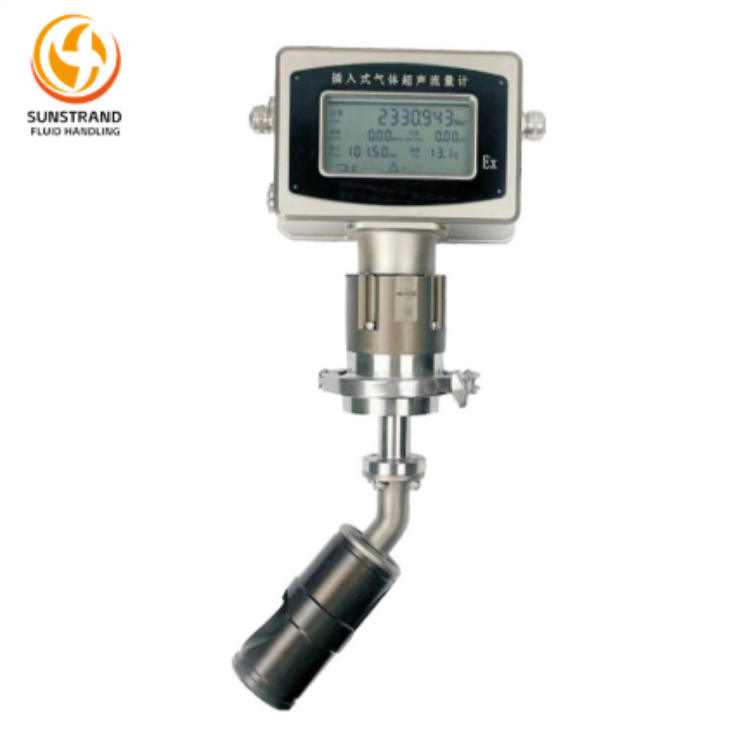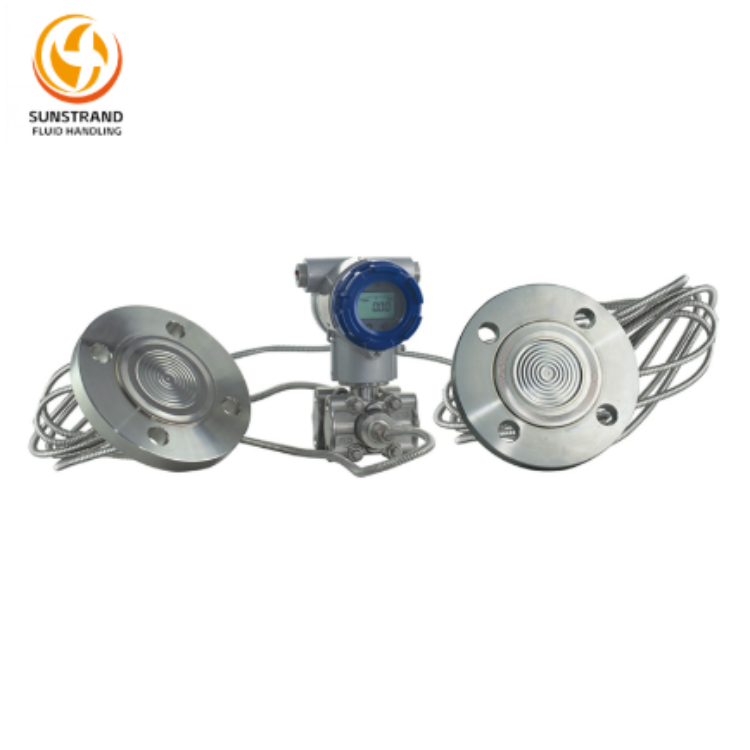

In modern industrial operations, accurate gas flow measurement is critical for efficiency, cost control, safety, and environmental compliance. Gases are essential across sectors like natural gas distribution, chemical processing, and CCS, making a reliable Gas Flow Meter indispensable. A reliable Gas Flow Meter enables leak detection, consumption tracking, and regulatory adherence.
Gas flow monitoring is more complex than liquid measurement due to gas compressibility, pressure/temperature sensitivity, and unique properties of industrial gases. Generic devices lack accuracy here, requiring specialized meters. This blog covers gas flow meter basics, types, gas flow meters power solutions, gas flow meter manufacturers, and a selection guide for natural gas, CO₂, and other industrial gases.
Gas flow meters are sophisticated devices used to measure the volume, mass, and velocity of gases. By measuring the dynamic characteristics of gas flow and converting them into easily readable data (either analog or digital), real-time monitoring can be carried out, and they can be applied to real-time monitoring, compliance records, or integrated into automated control systems. Unlike liquid flow meters, gas flow meters take into account the compressibility, pressure and temperature variations, as well as the variability of gases, and can provide accurate measurements even in harsh and constantly changing industrial environments.
Essentially, gas flow meters solve typical complex problems in gas environments. Gases expand or contract with changes in pressure and temperature. Modern gas flow meters are meticulously designed to compensate for this change, ensuring reliable measurement results even under low or high volume, corrosive conditions, high pressure or high temperature. These devices, used for measuring household natural gas, monitoring carbon dioxide in industrial environments, and specific gas processing, are specially developed to ensure accuracy and durability, and are essential in today’s industrial environments.
The global gas flow meter market integrates various technologies and optimizes specific types of gases, flow conditions, and industrial applications. Choosing the appropriate type depends on understanding the basic operating principles, advantages, limitations, and ideal operating conditions of the equipment. Therefore, it is very important to be familiar with the main types of gas measuring instruments. Below are introduced the common and effective gas flow meters that are most widely used in industrial applications.
The thermal mass flow meter is based on the principle of convective heat transfer and directly measures the mass flow of gases, without the need for additional compensation for pressure and temperature. These flow meters are typically composed of heated sensing elements and temperature standard sensors. When gas passes through the heating element, it absorbs heat. Therefore, the temperature difference between the two sensors is proportional to the mass flow of the gas.
The main advantages of the thermal mass flow meter are that it can maintain high sensitivity even in a small flow rate, which is particularly suitable for leak detection, flammability and high-temperature gas control, biochemical gas measurement, etc. Moreover, it has high conversion efficiency, the lowest pressure drop, no movable parts, and can significantly reduce wear and maintenance costs. The main application fields include natural gas combustion regulation, carbon dioxide emission management, air pressure systems, and precious metal gas measurement, etc. However, it is not suitable for very humid gases, particulate gases, or extremely high-temperature environments, as these conditions can affect the accuracy of the sensor.
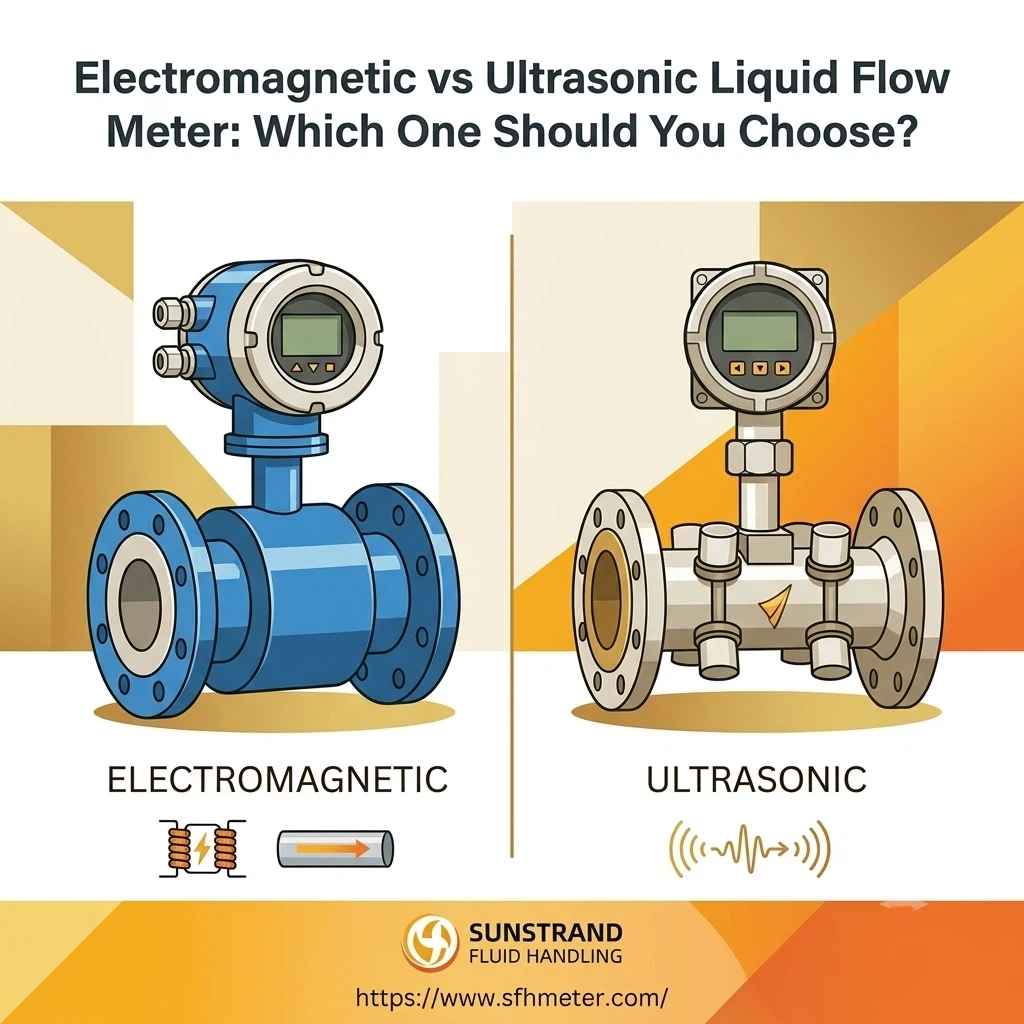
The ultrasonic gas flow meter measures the flow rate of gas by using high-frequency sound waves. The flow rate can be calculated by determining the time difference between the forward and reverse forms of the sound signal. These devices come in two versions: clamp-on and inline. They offer greater flexibility during new installations or equipment upgrades.
The main advantage of the ultrasonic gas flow meter is its non-invasive design. During installation, it can avoid pipeline shutdowns, pressure losses, and pollution risks, and has high reliability. It is characterized by high precision and supports a wide range of flow rates. It is particularly reliable in the measurement of pure dry gases such as natural gas, hydrogen, and carbon dioxide. It is also suitable for large-diameter pipelines and is chosen as the best option in various fields such as natural gas systems, carbon dioxide treatment and storage projects, industrial natural gas supply, etc. However, there is a limitation. For wet, dirty, or gas-containing gases, particles or moisture will interfere with the transmission of the ultrasonic signal, reducing accuracy.
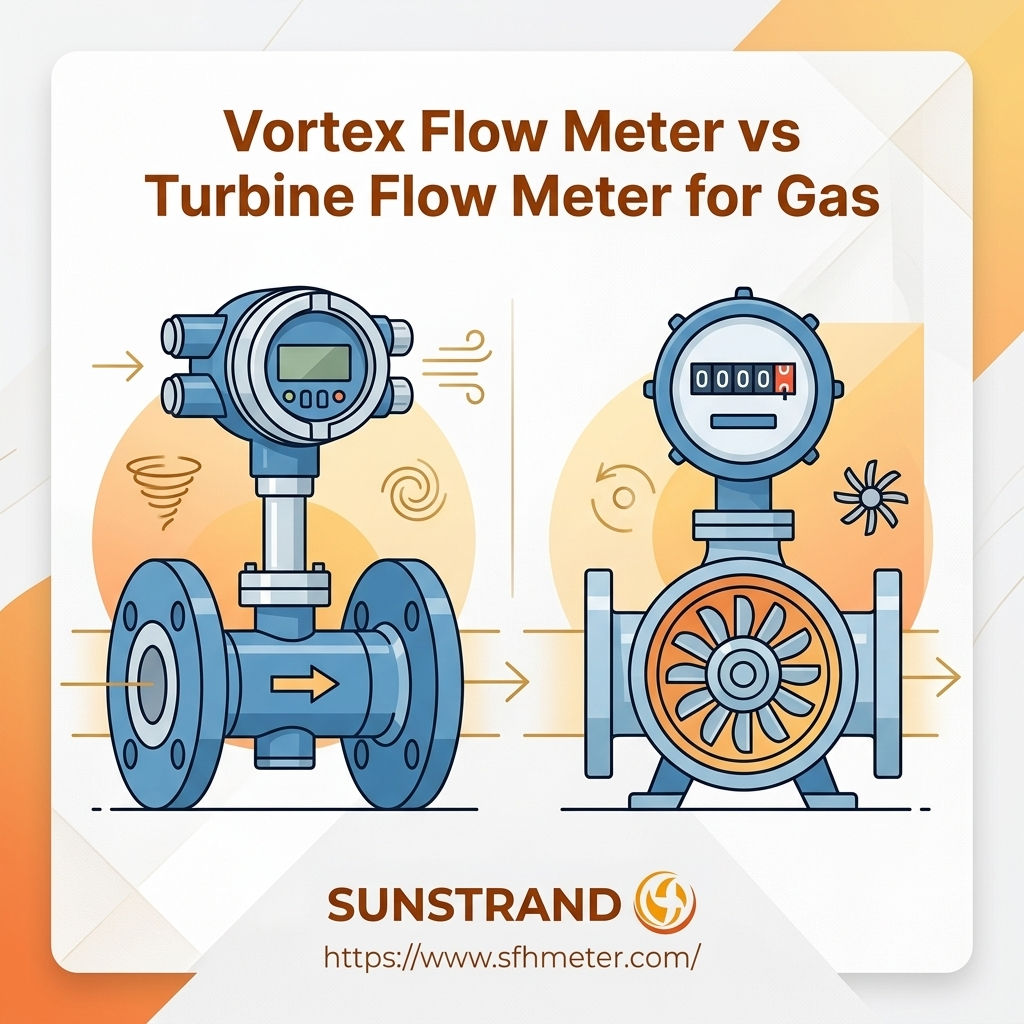
The turbine type gas flow meter is a device based on the principle of driving the gas flow to rotate. The rotational speed of the turbine is proportional to that of the gas, and then it is converted into volume or mass type. This type of flow meter has high accuracy, fast response speed and good compatibility with high-pressure applications. It is necessary in the fields of natural gas processing, petrochemical facilities and industrial fuel measurement. Although it is durable, the moving parts that are prone to wear are likely to be damaged when in contact with strong gases, so regular maintenance is required.
The Coriolis gas flow meter is a precise and high-quality solution based on the Coriolis effect. When gas passes through a vibrating pipeline, a phase difference or distortion proportional to the mass occurs during the vibration process. This device provides unparalleled accuracy for almost all types of gases, including corrosive gases and high-pressure gases, and can measure mass, density, and temperature. This product is particularly suitable for important application fields such as carbon dioxide storage, specific chemical gases, and high-purity industrial gas measurement. However, it is more expensive and less suitable for complex and dangerous production processes.
|
Meter Type |
Core Working Principle |
Ideal Gases & Applications |
Key Advantages |
|
Thermal Mass |
Heat transfer & temperature differential |
Natural gas, CO₂, compressed air, low-flow gases |
Low-flow sensitivity, no moving parts, low pressure drop |
|
Ultrasonic |
Ultrasonic time-of-flight difference |
Clean natural gas, hydrogen, CO₂, large pipelines |
Non-intrusive, high accuracy, no pressure loss |
|
Turbine |
Rotational turbine velocity |
High-pressure natural gas, petrochemical fuels |
High accuracy, fast response, compact design |
|
Coriolis |
Coriolis vibration phase shift |
Corrosive gases, CO₂, high-purity industrial gases |
Unmatched precision, multi-parameter measurement |
Reliable power delivery is critical for gas flow meters, especially in remote, unmanned, or hazardous industrial locations where consistent operation is non-negotiable. Modern gas flow meters power solutions focus on energy efficiency, extended operational life, compatibility with harsh environments, and adherence to industrial safety standards, ensuring uninterrupted measurement even in off-grid or low-power settings.
As industrial operations shift toward sustainability and remote monitoring, energy-efficient gas flow meter designs have become a top priority, reducing power consumption and eliminating frequent battery replacements or external power hookups.
Major manufacturing enterprises have integrated low-power microcontrollers, sensors and communication modules into gas flow meters, which can minimize power consumption and prevent power loss. These economic factors ensure the effective operation of the flow meters in remote areas, such as gas wellheads, rural pipeline networks or isolated carbon capture sites. Linked with wireless communication protocols like LoRaWAN, NB-IoT or Bluetooth Low Energy (BLE), these measurement devices can transmit data in real time via cables to the central control center for remote monitoring and predictive maintenance, and the battery life will also be extended.
Many energy-saving gas flow meters consume very little power during operation, so a single battery can last for 5 to 10 years. This is very useful for monitoring carbon dioxide and measuring natural gas in rural distribution networks, as maintenance costs are high and infrequent in these areas.
Energy harvesting represents the next frontier in gas flow meter power solutions, enabling self-powered operation by capturing and converting ambient energy into usable electricity. Common energy-harvesting methods for gas flow meters include kinetic energy from gas flow, thermal energy from temperature differentials, and solar energy for outdoor installations.
Innovative designs, such as triboelectric nanogenerators (TENG), harness the mechanical vibration and flow energy of moving gases to power the meter’s electronics, eliminating the need for batteries entirely. This technology is transformative for remote industrial sites, as it creates a self-sustaining power source, reduces environmental waste from battery disposal, and ensures uninterrupted operation. Energy-harvesting gas flow meters are increasingly used in flare gas monitoring, biogas plants, and long-distance natural gas pipelines, where power access is nonexistent.
Gas flow meters must be compatible with diverse power sources to suit different industrial settings, while also meeting strict safety standards for hazardous locations where flammable gases are present.
Battery-powered gas flow meters are the preferred choice for remote, portable, or temporary applications, offering flexibility, easy installation, and no reliance on grid power. They typically use high-capacity lithium-thionyl-chloride batteries, which deliver stable power in extreme temperatures and have a long shelf life. Line-powered meters, by contrast, are ideal for permanent installations in industrial plants, manufacturing facilities, and urban gas distribution hubs, providing continuous power for high-performance meters with advanced features like digital displays and real-time data logging.
Many modern gas flow meters offer dual power compatibility, seamlessly switching between battery and line power to ensure uninterrupted operation during power outages. This hybrid design is critical for applications like CO₂ emissions monitoring and natural gas combustion control, where even brief measurement interruptions can lead to safety risks or compliance violations.
Hazardous industrial environments—such as oil refineries, chemical plants, and natural gas facilities—pose risks of explosion or fire from flammable gases, making safety compliance non-negotiable for gas flow meter power systems. All power components, including batteries, wiring, and power management circuits, must meet global safety standards such as ATEX, IECEx, CSA, and UL for Class I, Division 2 hazardous locations.
These standards mandate intrinsically safe designs, preventing sparking or overheating that could ignite flammable gases. Manufacturers incorporate safety features like overvoltage protection, short-circuit prevention, and sealed power enclosures to meet these requirements, ensuring gas flow meters operate safely in high-risk industrial environments.
The global gas flow meter market is dominated by gas flow meter manufacturers with expertise in precision engineering, industrial gas dynamics, and innovative measurement technologies. These brands deliver reliable, high-performance solutions tailored to natural gas, CO₂, and other industrial gases, backed by robust R&D and global support networks.
Sunstrand stands out as a pioneer in industrial gas flow measurement, specializing in innovative, application-specific solutions for challenging gases—including CO₂, natural gas, and corrosive industrial gases. The brand combines cutting-edge technology with deep industry expertise to design meters that deliver uncompromising accuracy, durability, and efficiency.
Sunstrand’s product portfolio includes thermal mass, ultrasonic, and Coriolis gas flow meters, each engineered to address the unique challenges of industrial gas measurement. For natural gas, its meters feature advanced pressure-temperature compensation to maintain accuracy in fluctuating pipeline conditions; for CO₂, they offer corrosion-resistant materials and low-flow sensitivity for CCS and emissions monitoring applications. Sunstrand also prioritizes energy efficiency, integrating low-power electronics and energy-harvesting capabilities into its designs, making its meters ideal for remote and hazardous sites.
Beyond product innovation, Sunstrand provides end-to-end support, including custom engineering, installation assistance, and calibration services, ensuring customers get a tailored solution that meets their exact operational needs. This customer-centric approach, paired with technological excellence, has established Sunstrand as a trusted partner for industrial clients worldwide.
Several other global leaders dominate the gas flow meter market, each bringing unique strengths to industrial gas measurement:
Emerson: A powerhouse in flow measurement, Emerson offers a comprehensive range of gas flow meters, including Micro Motion Coriolis and Rosemount ultrasonic models, renowned for precision in natural gas, petrochemical, and CCS applications.
Endress+Hauser: Known for high-quality industrial instrumentation, Endress+Hauser’s gas flow meters excel in corrosive and high-temperature environments, with robust designs ideal for chemical and manufacturing sectors.
Sierra Instruments: A leader in thermal mass flow technology, Sierra specializes in low-flow and flare gas metering, delivering reliable solutions for emissions monitoring and compressed air systems.
Badger Meter: Offers a diverse lineup of ultrasonic and turbine gas flow meters, focusing on durability and ease of use for natural gas distribution, water treatment, and industrial process control.
Selecting the right gas flow meter requires a holistic assessment of gas type, operating conditions, accuracy requirements, installation constraints, and maintenance capabilities. A mismatched meter can lead to inaccurate readings, increased downtime, and safety hazards, making careful evaluation critical.
Different industrial gases have unique properties that directly impact meter performance, so gas type is the primary selection criterion. Below are key considerations for two of the most common industrial gases: natural gas and CO₂.
Natural gas is highly compressible, with flow rates heavily influenced by fluctuations in pipeline pressure and temperature, making built-in pressure-temperature (P-T) compensation a non-negotiable feature for natural gas flow meters. Without P-T compensation, measurements will be inaccurate, leading to billing errors, overconsumption, and compliance issues.
Ideal meter types for natural gas include ultrasonic, turbine, and thermal mass, with specialized natural gas flow meter models engineered to handle the compressibility and pressure fluctuations of this gas. Additional considerations include pipeline size, flow turn down ratio, and hazardous location safety ratings, ensuring the meter can withstand the high-pressure, often explosive environment of natural gas operations.
CO₂ applications—ranging from carbon capture and storage to greenhouse operations and industrial emissions monitoring—present two core challenges: potential corrosiveness and low-flow measurement requirements. CO₂ can react with moisture to form mild acids, corroding standard meter components, so corrosion-resistant materials like 316 stainless steel or PTFE are essential.
Additionally, many CO₂ applications involve low flow rates, requiring high sensitivity to avoid underreporting. Thermal mass and ultrasonic gas flow meters are the top choices for CO₂, offering low-flow accuracy and resistance to corrosive conditions. For high-pressure CO₂ sequestration, Coriolis meters provide the ultra-precise mass flow measurements needed for compliance and operational control.
Proper installation and routine maintenance are critical to maximizing gas flow meter accuracy, lifespan, and reliability, regardless of the type or brand.
When installing a flow meter for gas, placement directly impacts performance. Most gas flow meters require straight upstream and downstream piping to eliminate turbulence caused by elbows, valves, or reducers, which can distort readings. Avoid areas with excessive vibration, extreme temperature swings, or moisture buildup, as these can damage sensors and skew measurements.
For hazardous locations, ensure the meter is mounted securely and grounded properly to meet safety standards. Clamp-on ultrasonic meters offer more placement flexibility, but in-line meters require precise alignment with the pipeline to maintain accuracy. Following the manufacturer’s placement guidelines ensures consistent, reliable gas flow measurement.
Regular calibration is essential to preserve gas flow meter accuracy, as sensor drift, wear, and environmental factors can degrade performance over time. Calibration frequency depends on usage and gas type: meters for critical applications require quarterly or semi-annual calibration, while general-purpose meters may only need annual calibration.
Long-term reliability also depends on routine maintenance: inspect sensors for contamination, check power sources for damage, and verify communication modules for data transmission issues. Meters with no moving parts require minimal maintenance, while turbine meters need periodic inspection of rotating components. Partnering with manufacturers for professional calibration and servicing ensures meters remain accurate and operational for years.
Gas flow meters are indispensable tools for modern industrial operations, providing the accurate, reliable measurement needed to optimize performance, ensure safety, control costs, and meet environmental regulations for natural gas, CO₂, and a wide range of other industrial gases. With diverse technologies available—from thermal mass and ultrasonic to turbine and Coriolis—there is a solution tailored to every application, from remote natural gas pipelines to high-precision CO₂ sequestration projects.
Advancements in power solutions, including low-power electronics and energy harvesting, have expanded the usability of gas flow meters to even the most remote and challenging locations, while leading manufacturers like Sunstrand continue to drive innovation, delivering specialized, durable, and efficient devices. By selecting the right meter based on gas type, operating conditions, and installation needs, and following proper installation and maintenance practices, industrial operators can unlock full value from their gas flow measurement systems, ensuring long-term performance and compliance.
As industries continue to prioritize sustainability, automation, and safety, the role of high-performance gas flow meters will only grow, making them a vital investment for any operation working with industrial gases.
Q1: What is the most accurate gas flow meter for industrial use?
A1: Coriolis gas flow meters offer the highest accuracy for industrial gases, including CO₂ and natural gas, as they measure mass flow directly and compensate for pressure, temperature, and gas composition changes. They are ideal for critical high-stakes applications.
Q2: Can one gas flow meter be used for multiple gas types?
A2: While some multi-purpose gas flow meters can handle multiple gases, accuracy may be compromised. It is recommended to use a meter calibrated specifically for the target gas for best results.
Q3: How long do battery-powered gas flow meters typically last?
A3: High-quality battery-powered gas flow meters with low-power electronics can operate continuously for 5–10 years on a single battery pack, depending on usage and communication features. Energy-harvesting models can last even longer with minimal maintenance.
Q4: Are gas flow meters suitable for hazardous industrial locations?
A4: Yes, many gas flow meters are designed to meet ATEX, IECEx, and other hazardous location standards, featuring intrinsically safe power systems and sealed enclosures to prevent sparking in flammable gas environments like natural gas facilities.
Q5: What maintenance is required for gas flow meters?
A5:Basic maintenance includes regular calibration, sensor cleaning, and power source checks. Meters with no moving parts require minimal upkeep, while turbine meters need periodic inspection of rotating components.
Q6: What’s the difference between a natural gas flow meter and a standard Gas Flow Meter?
A6: A natural gas flow meter is a specialized type of Gas Flow Meter engineered to handle natural gas’s unique properties—high compressibility, pressure fluctuations, and potential for moisture. It includes built-in pressure-temperature (P-T) compensation to ensure accuracy, whereas standard gas flow meters may lack this feature and are not optimized for natural gas’s specific flow characteristics.
Q7: How do gas flow meters power solutions impact remote industrial applications?
A7: Gas flow meters power solutions are critical for remote applications, as they eliminate reliance on grid power. Low-power models can run 5–10 years on a single battery, while energy-harvesting designs are self-sustaining, ensuring uninterrupted measurement in off-grid locations like remote natural gas wellheads or CCS sites.
Q8: Which gas flow meter types are best for CO₂ measurement?
A8: The best gas flow meter types for CO₂ are thermal mass, ultrasonic, and Coriolis meters. Thermal mass and ultrasonic meters offer low-flow sensitivity and corrosion resistance, while Coriolis meters provide ultra-precise mass flow measurement for high-pressure CO₂ sequestration and critical compliance applications.
Q9: What factors should I consider when choosing gas flow meter manufacturers?
A9: When selecting gas flow meter manufacturers, prioritize expertise in your target gas, product durability, R&D capabilities, global support networks, and compliance with industrial safety standards. Look for manufacturers that offer custom solutions and calibration services to meet your specific operational needs.
Q10: Is a flow meter for gas suitable for both low-flow and high-flow industrial applications?
A10: It depends on the meter type: thermal mass flow meters excel in low-flow applications, while turbine and ultrasonic meters handle high-flow scenarios. Coriolis meters offer versatility, working reliably across both low and high flow rates, making them a flexible choice for diverse industrial needs.