
Accurate gas measurement is vital for industries such as energy, chemical processing, HVAC, and welding. Choosing the right Gas Flow Meter not only ensures operational safety but also improves efficiency and reduces costs. Since different processes demand different levels of precision, durability, and technology, understanding the main gas flow meter types and their applications is essential. This article explains the fundamentals of gas flow meters, explores six common types, and shows where they are most commonly applied across industries.
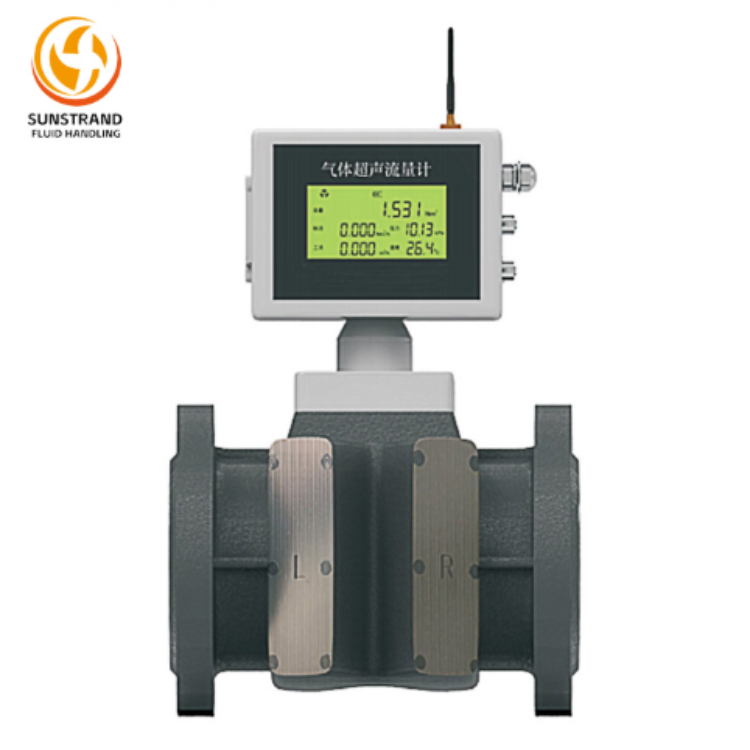
A Gas Flow Meter is an instrument that measures the volume or mass of gas passing through a system. The choice of technology depends on accuracy requirements, installation conditions, and budget.
Gas flow meter working principle: Can be volumetric (measuring gas volume) or mass-based (measuring the actual mass flow).
Gas flow measurement units: Liters per minute (L/min), cubic meters per hour (m³/h), and standard cubic feet per minute (SCFM) are most common.
Gas flow meter unit conversion: Industries often convert between different units for consistency in reporting.
Applications: From billing natural gas flow meters to gas flow meter welding applications, meters ensure reliable delivery and cost control.
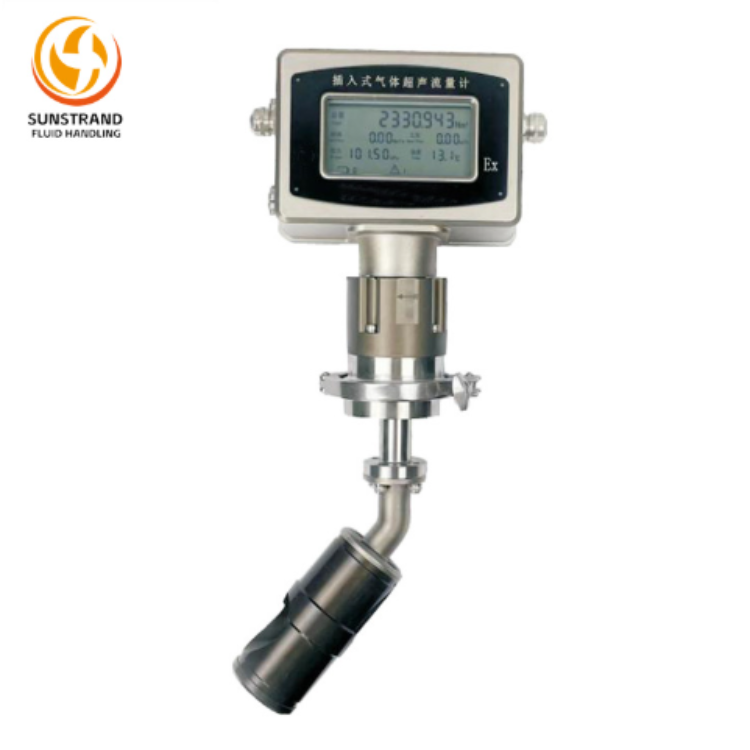
Gas flow meter working principle: Measures the pressure drop across a restriction such as an orifice plate, nozzle, or venturi tube.
Advantages: Mature technology, relatively low gas flow meter price, suitable for large flow ranges.
Limitations: Accuracy can be affected by temperature and pressure; requires frequent gas flow meter calibration.
Best Uses: Custody transfer in pipelines, natural gas flow meters for large distribution networks.
Gas flow meter working principle: Measures how much heat a gas absorbs as it flows past a heated sensor.
Advantages: Direct measurement of mass flow, no need for external pressure or temperature compensation.
Limitations: Sensitive to contamination, not ideal for dirty or wet gases.
Best Uses: Combustion control, biogas monitoring, low-flow laboratory analysis.
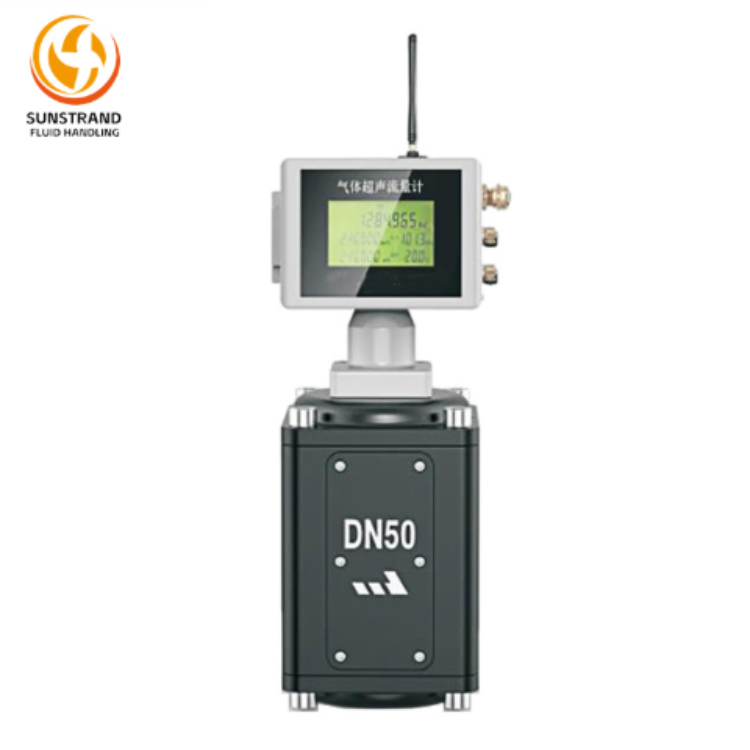
Gas flow meter working principle: Uses sound waves to calculate flow velocity, either by transit-time or Doppler methods.
Advantages: Non-intrusive, no moving parts, high accuracy.
Limitations: Higher gas flow meter price, requires careful installation.
Best Uses: Large pipeline systems, custody transfer, digital gas flow meter solutions for natural gas utilities.
Keyword Note: The Ultrasonic Gas Flow Meter is increasingly used in LNG terminals and major distribution systems.
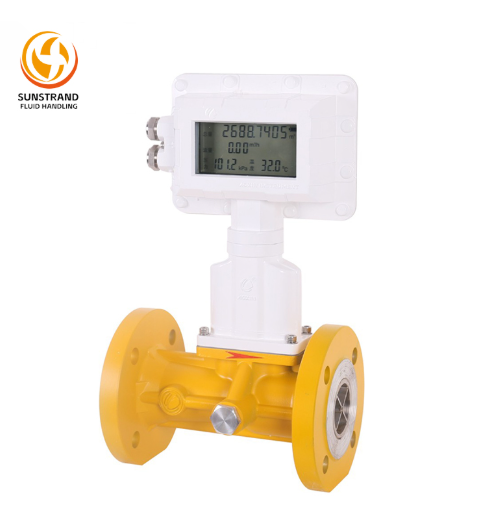
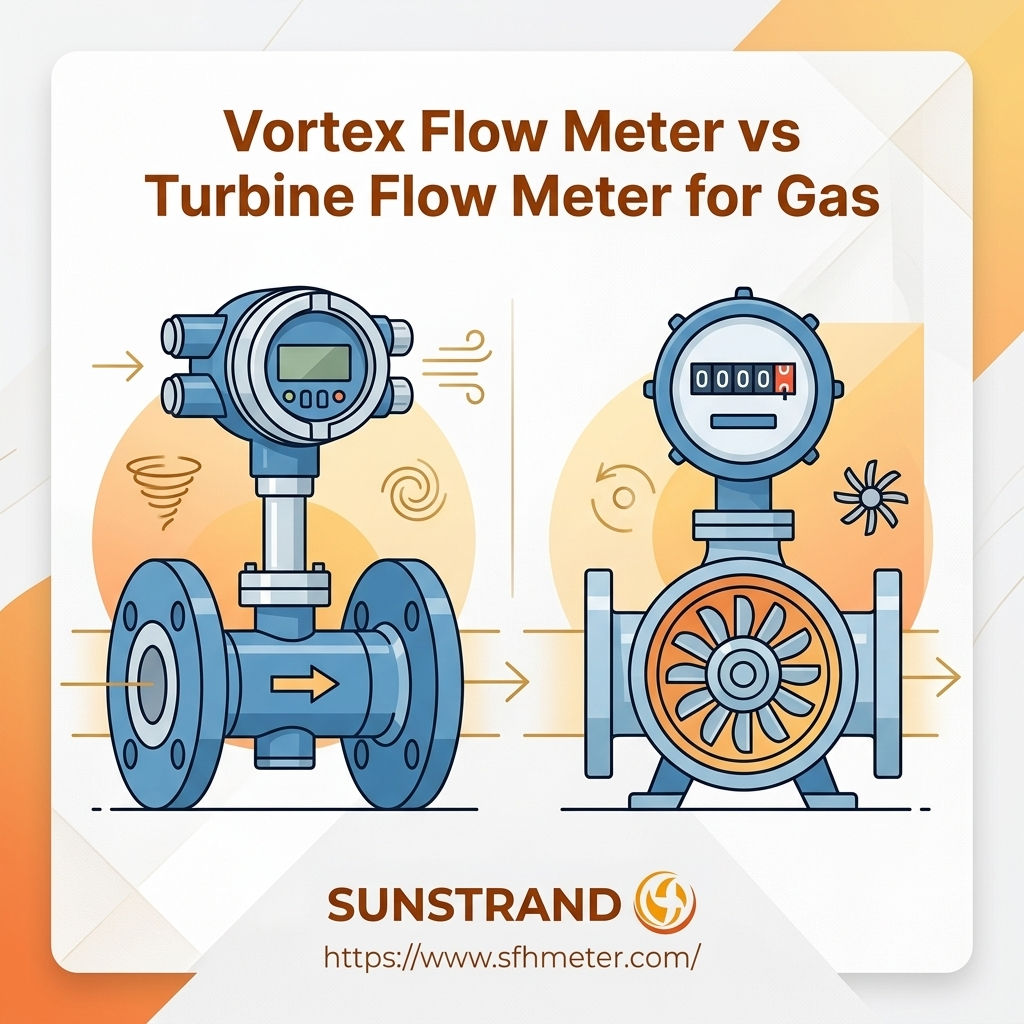
Gas flow meter working principle: Detects vortices created by an obstruction in the flow stream.
Advantages: Rugged design, long lifespan, can measure gases, steam, and liquids.
Limitations: Less accurate at very low flow rates.
Best Uses: Steam metering, compressed air, and industrial gas monitoring.
Keyword Note: The Vortex Gas Flow Meter is valued for versatility and reliability in harsh industrial settings.
Gas flow meter working principle: Traps gas in known volumes and counts how many times the compartment fills and empties.
Advantages: High accuracy, unaffected by flow profile.
Limitations: Mechanical wear, requires maintenance.
Best Uses: Residential and commercial natural gas flow meter applications for billing.
Gas flow meter working principle: Measures mass flow directly by detecting changes in vibration caused by the Coriolis effect.
Advantages: Extremely precise, can measure multiple parameters (density, temperature, and flow).
Limitations: High gas flow meter price, complex installation.
Best Uses: Specialty gas measurement, chemical processing, research applications where accuracy is critical.
Role: From production to distribution, natural gas requires reliable monitoring for billing and safety.
Typical Meters: Ultrasonic Gas Flow Meters for pipelines, Positive Displacement Meters for residential billing.
Importance: Ensures accurate custody transfer and protects against revenue loss.
Role: In shielding-gas welding processes, precise control of gas flow is essential for weld quality.
Typical Meters: Portable gas flow meter welding devices, often in digital gas flow meter form.
Importance: Prevents porosity in welds, reduces gas waste, and improves consistency.
Role: Gas flow monitoring ensures process stability, efficiency, and safety in chemical plants and refineries.
Typical Meters: Coriolis Gas Flow Meters for specialty gases, Vortex Meters for high-pressure operations.
Importance: Prevents process upsets, ensures compliance with safety standards, and improves product quality.
Role: Controls airflow in heating, ventilation, and air-conditioning systems; monitors emissions and exhaust gases.
Typical Meters: Thermal Mass Gas Flow Meters and compact gas flow meter digital systems.
Importance: Optimizes energy use, reduces emissions, and ensures compliance with environmental regulations.
Role: Gas-fired power plants require accurate measurement for fuel optimization and combustion efficiency.
Typical Meters: Ultrasonic Gas Flow Meters for turbine fuel supply; Vortex Gas Flow Meters for steam measurement.
Importance: Improves fuel efficiency, ensures safety, and supports predictive maintenance.
Role: Research labs need highly accurate small-scale gas flow meter units for testing new materials or processes.
Typical Meters: Digital gas flow meters, Coriolis flow meters, and portable calibration devices.
Importance: Provides reliable baseline data, ensures repeatability in experiments, and supports innovation.
Selecting the right Gas Flow Meter depends on factors such as accuracy, flow conditions, and cost. From Vortex Gas Flow Meters in industrial plants to Ultrasonic Gas Flow Meters in natural gas distribution and digital gas flow meters in welding, every type has its advantages. For companies looking for reliable, accurate, and cost-effective solutions, Sunstrand Gas Flow Meters stand out. Whether you need advanced Ultrasonic Gas Flow Meters, durable Vortex Gas Flow Meters, or flexible digital gas flow meter solutions, Sunstrand delivers performance and trust.