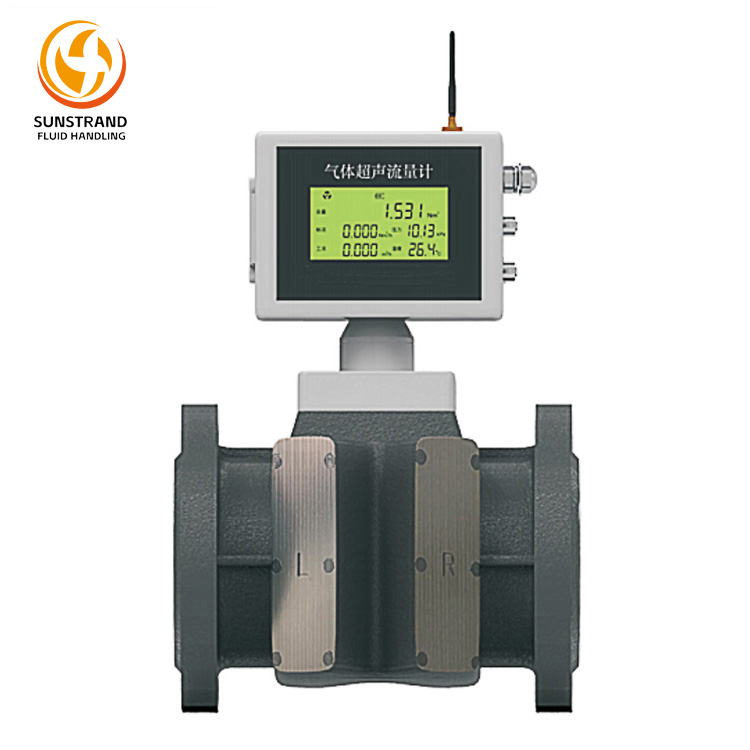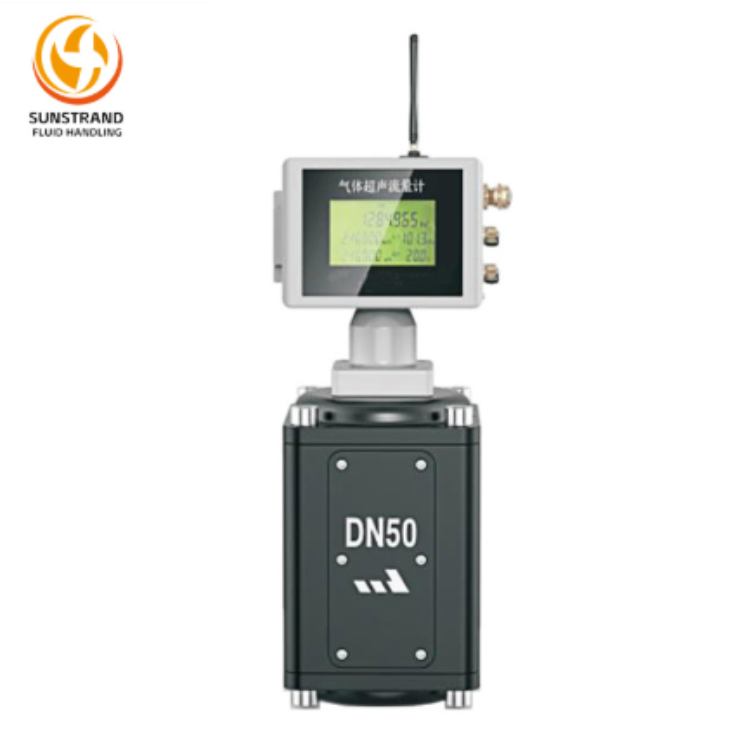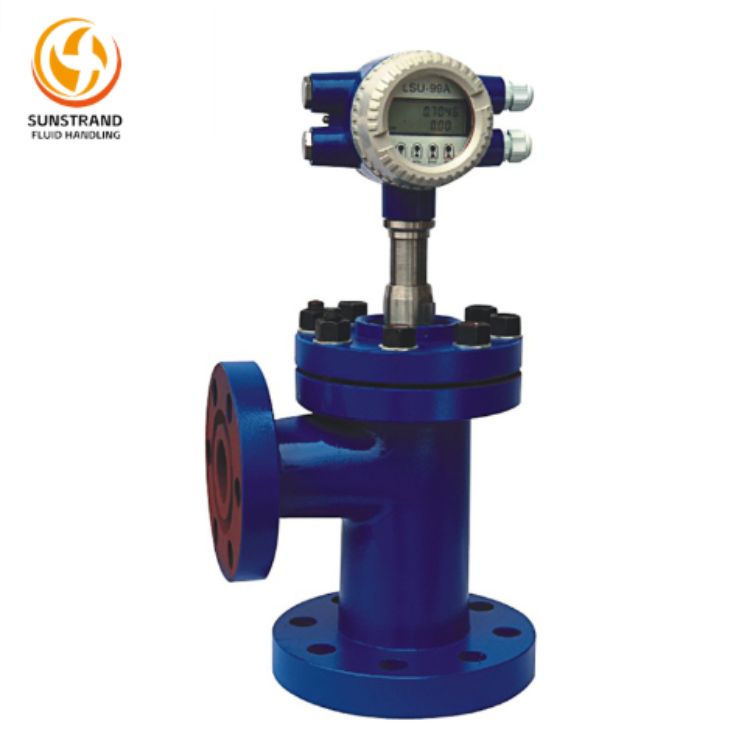

Accurate measurement is essential for smooth industrial operations, and both Pressure Transmitters and Flow Meters play a crucial role. While Pressure Transmitters measure pressure in systems, Flow Meters monitor the flow rate of liquids or gases. These instruments are vital in industries like oil and gas, chemical processing, and water treatment. At Sunstrand, we provide high-precision Pressure Transmitters designed for various conditions. Whether you’re monitoring pressure in pipelines or tanks, Sunstrand ensures reliable performance and efficiency, helping maintain safety and optimal system operation.
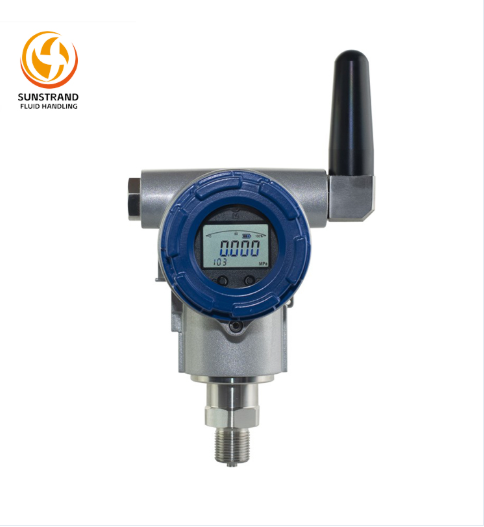
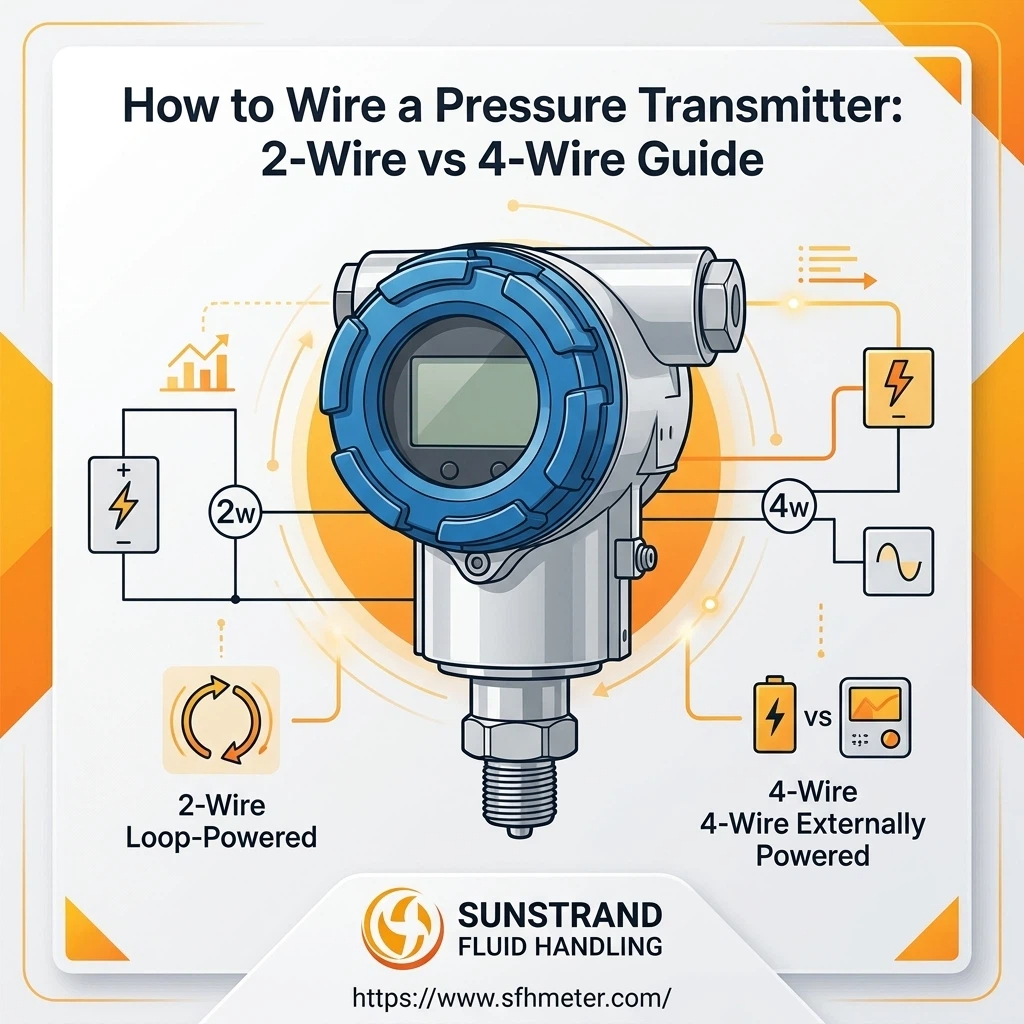
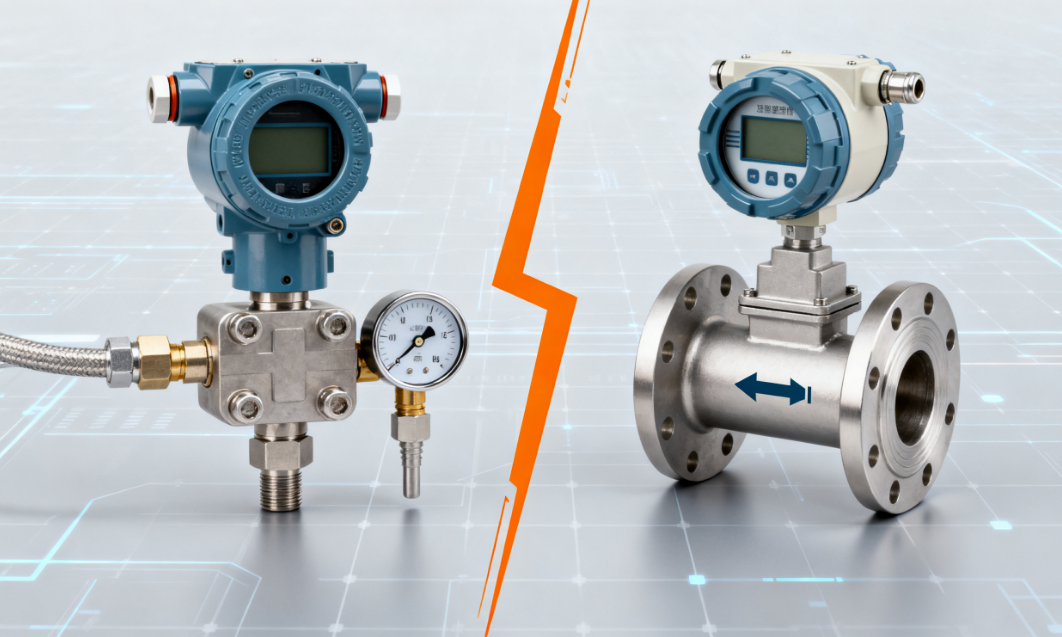
A pressure transmitter is an instrument designed to measure pressure or differential pressure in a system and convert these measurements into standardized output signals. These transmitters are widely used in industries such as oil and gas, chemical processing, water treatment, and industrial automation. Pressure transmitters come in various types to cater to different media, temperature, and pressure conditions, offering high precision, stability, and broad adaptability.

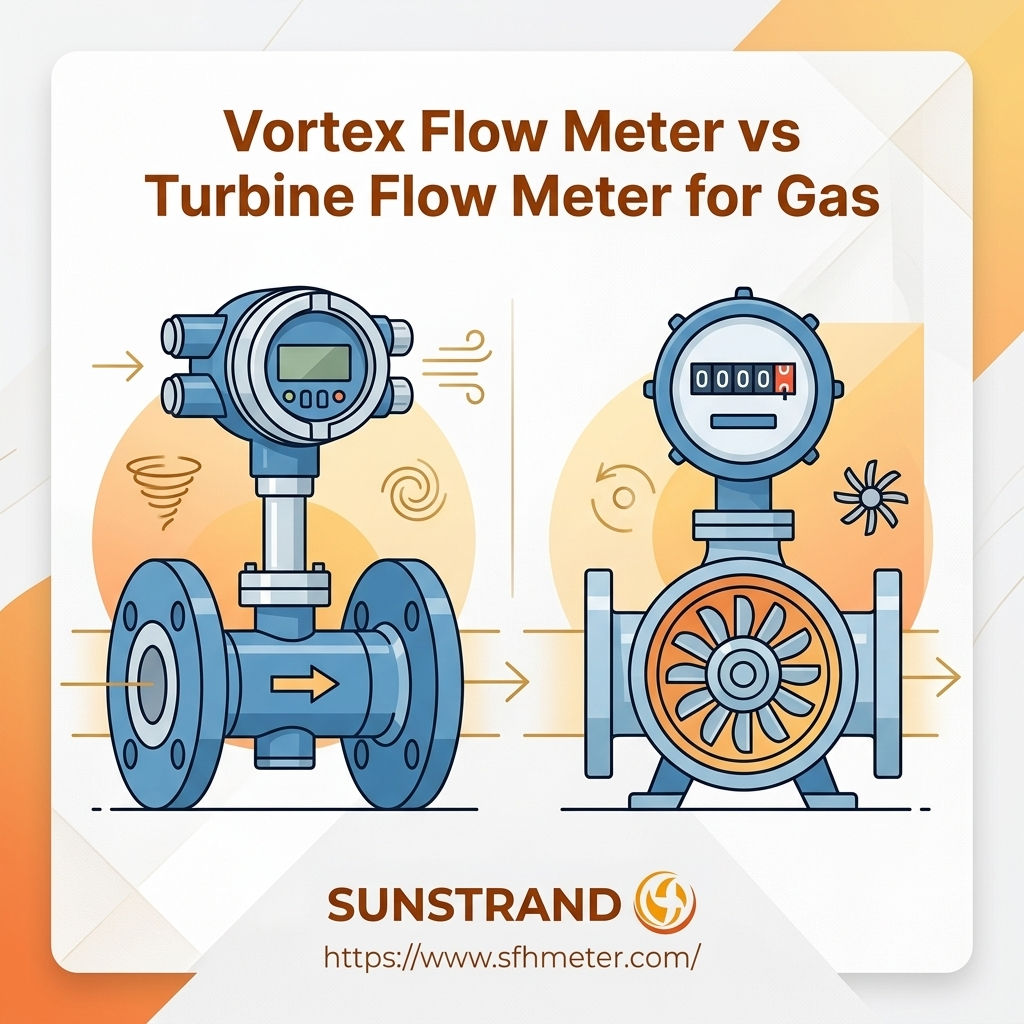
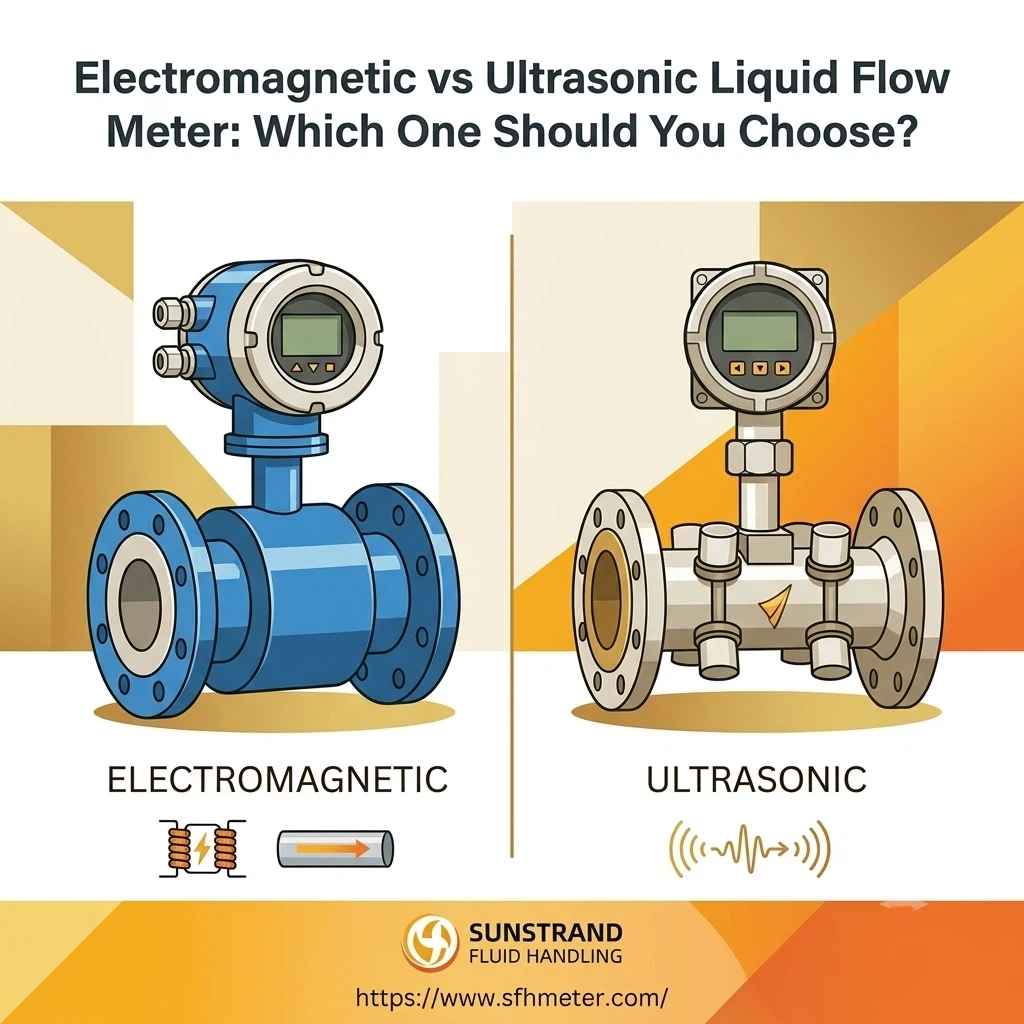
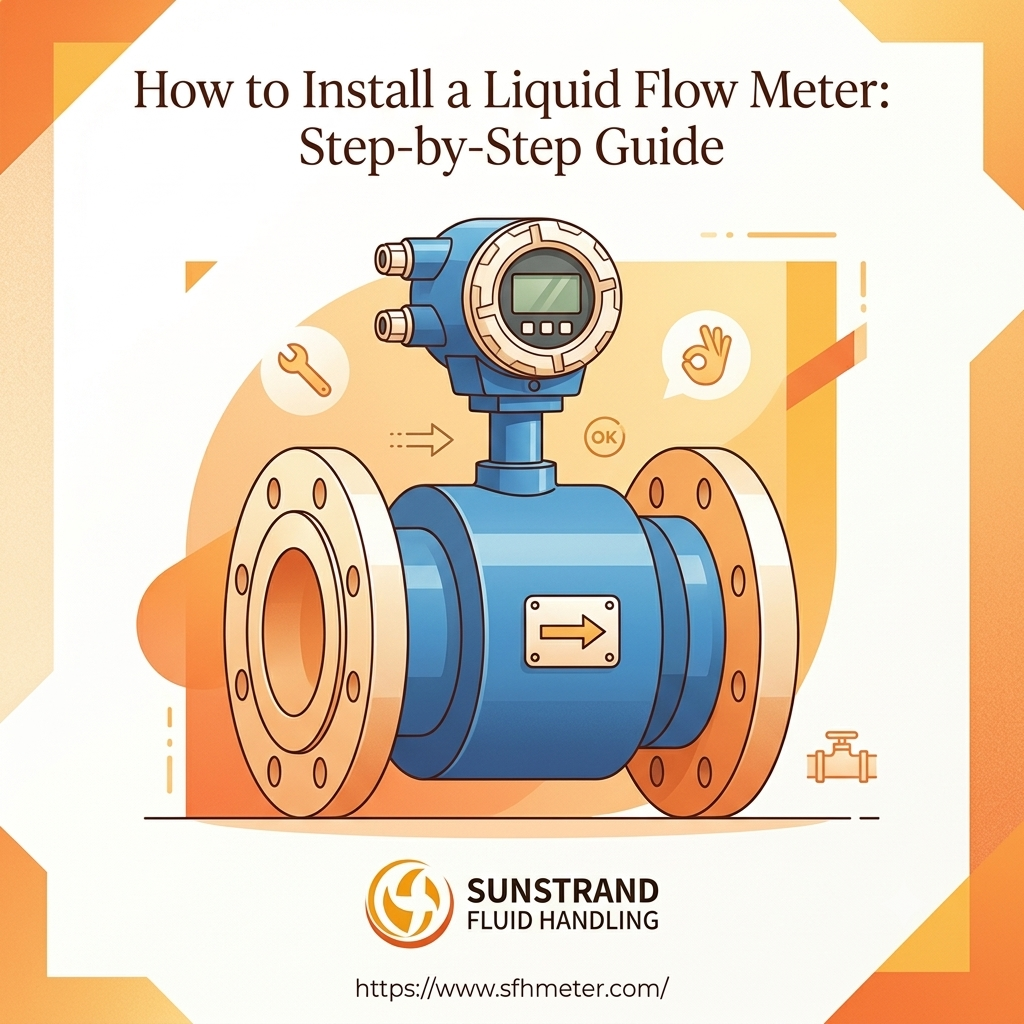
A flow meter is a device used to measure the rate of fluid flow through a pipe or conduit. These instruments are integral to processes requiring the accurate measurement of liquids and gases in various industrial applications. Flow meters come in a wide variety of types, each designed for specific media and conditions.
The primary measurement purpose of a pressure transmitter is to monitor the pressure or differential pressure within a system. It’s used to ensure that the system operates within the desired pressure range. A flow meter, on the other hand, is used to measure the flow rate of liquids or gases moving through a pipe, helping to monitor and control fluid dynamics within the system.
A pressure transmitter works by converting the mechanical pressure into an electrical signal, which can be interpreted by a control system. It can utilize various mechanisms, such as strain gauges, capacitive sensors, or piezoelectric crystals. In contrast, a flow meter measures the velocity of the fluid passing through it and converts this velocity into a flow rate, typically through a sensor that detects changes in the fluid’s properties, like velocity or pressure drop.
The measurement units for pressure transmitters are typically in Pascal (Pa) or bar (pressure) or psi (pounds per square inch). Flow meters measure flow in units such as liters per minute (L/min), gallons per minute (GPM), or cubic meters per hour (m³/h), depending on the system’s requirements.
The output of a pressure transmitter is typically in the form of an analog electrical signal, such as 4-20mA, or a digital signal like Modbus. Flow meters, depending on the type, can output either analog signals (e.g., 4-20mA) or digital signals that correspond to the flow rate of the fluid.
Pressure transmitters are generally more accurate when measuring small pressure changes, with response times typically in the range of milliseconds. In contrast, flow meters may have a slightly slower response, especially for larger flow rates, but accuracy can vary significantly based on the type of flow meter used and the medium being measured.
Pressure transmitters are easier to install in pipelines or tanks and often require less calibration and maintenance. Flow meters, especially advanced types like Coriolis or ultrasonic meters, may require more careful installation due to their sensitivity to the pipe material, installation environment, and the type of fluid being measured.
Pressure transmitters generally have lower initial costs and maintenance requirements compared to flow meters, which tend to be more complex and require regular calibration and maintenance, especially in demanding applications.
Both pressure transmitters and flow meters are used across a wide range of industries. Pressure transmitters are key in monitoring system pressures to ensure safe and optimal operation, while flow meters are essential for monitoring the quantity and speed of fluids, helping control processes like flow measurement in pipelines, pumps, and treatment systems.
| Feature | Pressure Transmitter | Flow Meter |
|---|---|---|
| Measurement Purpose | Measures pressure or differential pressure to ensure the system operates within the desired pressure range | Measures the flow rate or velocity of fluids to ensure consistent flow |
| Working Principle | Converts pressure into an electrical signal using mechanisms like strain gauges, capacitive sensors, or piezoelectric crystals | Measures the flow velocity or other fluid properties to calculate the flow rate |
| Measurement Units | Bar (bar), Kilopascal (kPa), Pounds per Square Inch (psi) | Liters per Minute (L/min), Gallons per Minute (GPM), Cubic Meters per Hour (m³/h) |
| Output Signals | Analog signal (4-20mA) or digital signal (e.g., Modbus) | Analog signal (4-20mA) or digital signal (e.g., pulse signals) |
| Accuracy and Response | High accuracy, with response time typically in milliseconds | Accuracy and response time vary based on the type of flow meter and fluid characteristics |
| Installation Considerations | Simple installation, typically requiring low maintenance and calibration | More complex installation, considering pipe material, environment, and fluid type |
| Cost and Maintenance | Lower cost, with less frequent maintenance requirements | Higher cost, requiring regular calibration and maintenance, especially for advanced types |
| Applications | Process control, level measurement, indirect flow measurement, safety monitoring, etc. | Liquid and gas flow monitoring, energy management, water treatment, etc. |
In conclusion, pressure transmitters and flow meters are both vital components in any industrial system. Each serves a unique function—pressure transmitters are essential for pressure measurement, while flow meters are designed to provide accurate flow measurement. When selecting the right equipment for your system, it’s important to understand the difference between pressure transmitters and flow meters and choose the one that best suits your specific needs. Whether you’re looking for a pressure transmitter for precise pressure control or a flow meter for accurate flow rates, Sunstrand offers reliable and high-performance solutions for both, tailored to meet the demands of various industries.